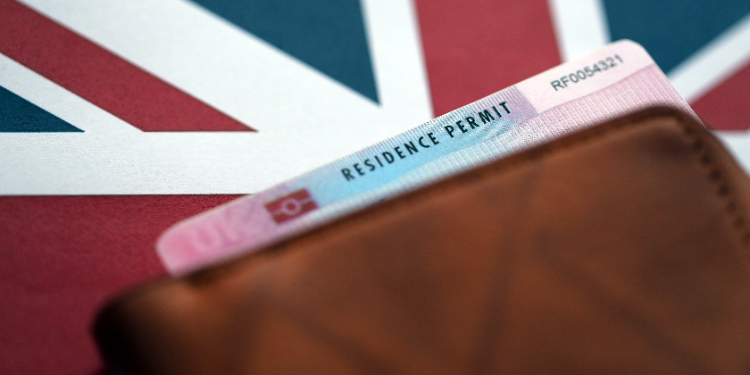
Becoming a permanent resident: The goal of many expats
We often hear about the “American Dream.” But for expats, there's also the “Canadian Dream,” the “Australian Dream,” and many others—every country offers its own version of success.
For foreign nationals, gaining permanent residency marks the end of a long and often difficult journey. Losing that status simply isn't an option. Yet permanent resident cards can—and do—expire, sometimes even while a renewal request is still stuck in processing months later.
So, what are the rules in different countries? And what happens to your resident status when your card expires? Here's a global look at how governments handle it.
Countries that issue permanent resident cards valid for 5 to 10 years
United States
In principle, the U.S. Green Card is valid for 10 years. The exception is the conditional Green Card, typically granted to spouses of U.S. citizens, which is valid for 2 years. A request to lift the condition must be submitted before the end of the second year.
Importantly, card expiration doesn't affect your status—you remain a permanent resident. For instance, you're still required to file U.S. taxes. However, renewing your Green Card is essential to living and working comfortably in the U.S. It's best to apply at least six months before it expires. Applications are submitted online through U.S. Citizenship and Immigration Services (USCIS) using Form I-90. Be sure to include any relevant updates to your situation.
Canada
In Canada, a permanent resident card is typically valid for five years. As in the U.S., expiration does not mean your status is lost. Immigration authorities recommend applying for renewal within nine months of the card's expiration. Applications are submitted online through the Permanent Residence Portal.
United Arab Emirates (UAE)
The UAE offers several pathways to permanent residency: Golden Visas (granted through real estate purchases or investment), entrepreneurship, or specialized skills. The duration depends on the specific permit—up to 10 years for the Golden Visa. You must renew your permit before it expires or risk facing legal penalties. However, grace periods allow you to remain in the country for up to six months after expiration, depending on your status.
China
In China, the permanent resident card is valid for 10 years once approved by the Ministry of Public Security. Renewal must be completed within the month leading up to its expiration. Without timely renewal, staying in the country is not permitted.
France
France issues a permanent resident card valid for 10 years, which can be renewed online through the ANEF (Administration numérique pour les étrangers en France) platform between four and two months before expiration. If your card expires while your renewal is still being processed, a document called an attestation de prolongation d'instruction (processing extension certificate) is uploaded to your ANEF account. This certificate maintains your legal status as a permanent resident—but it's only valid for three months. Many applicants report issues with the ANEF system: technical glitches, lack of response from authorities despite repeated follow-ups, and expired extension certificates with no resolution on their renewal requests.
Countries where permanent residency does not expire
Australia
In Australia, your permanent resident visa has no expiry date—you can stay in the country indefinitely as long as you remain within its borders.
Be careful with overseas travel, though. You can't live abroad permanently and expect to keep your resident status. Your initial visa includes travel rights for five years. After that, your travel authorization expires, but your residency does not. To continue traveling internationally, you must apply for a Resident Return visa. To qualify, you'll need to show a “close and continuing link” to Australia. If you can't prove this, your application may be denied.
If your travel rights expire while you're overseas and you don't have a valid return visa, you could lose your permanent residency altogether.
Singapore
As in Australia, permanent residency in Singapore doesn't expire. You obtain the status by applying for a Re entry permit. However, you must keep your Re-entry Permit valid. If this permit expires while you're abroad—or if you travel with an expired one—you risk losing your residency.
South Africa
South Africa offers permanent residency with no expiry date. You can live there indefinitely as long as you continue to meet the conditions of your status. That said, the government can revoke residency in cases involving legal violations, especially those related to immigration laws.
United Kingdom
In the UK, eligible residents may be granted “Indefinite Leave to Remain” (ILR). While ILR doesn't expire in principle, it can be lost or revoked—most commonly if you leave the UK for more than two years.
In such cases, you must apply for a Returning Resident visa to try and restore your status. To keep your ILR valid, be sure to follow UK immigration rules.