

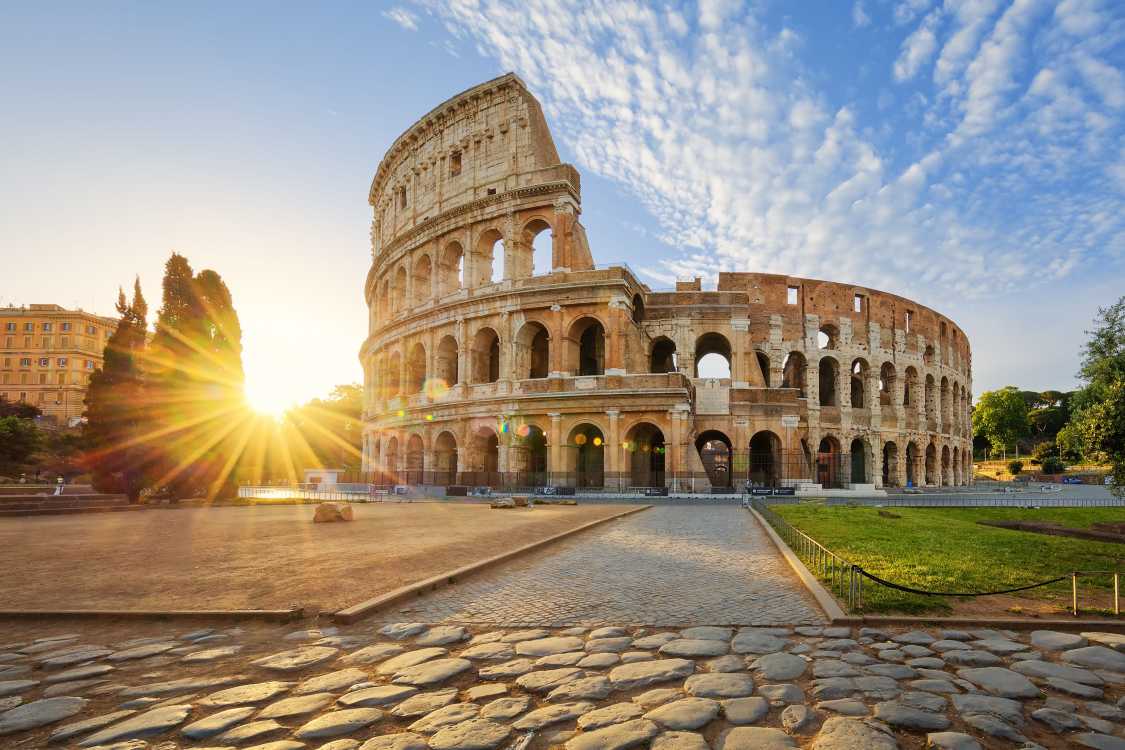
 Guide updated by Veedushi Bissessur on 22 October 2025
Italy is a compelling choice for anyone looking to move abroad, whether for work, study or retirement. Located in the heart of the Mediterranean, it offers a unique blend of magnificent scenery, a rich heritage and a culture focused on community and simple pleasures. Beyond its world-famous food and art, Italy is a key member of the European Union with easy access to a large internal market that attracts entrepreneurs, educators and creatives. Add to this its fantastic transport links to the rest of the continent, and it's an ideal place for expats looking for somewhere fulfilling and inspiring to settle.
Five compelling reasons to live in Italy
Accessible and affordable healthcare: The national public health system (SSN) is excellent. As a resident, you get comprehensive, high-quality medical care that is either free or very low-cost.
Affordable cost of living: While places like Rome and Milan are pricey, the majority of the country, especially the south, is genuinely affordable compared to other western European nations.
World-class scenery: You'll never get tired of the views. From the towering Dolomites to the breathtaking Mediterranean beaches, Italy offers endless opportunities for exploration.
Exceptional weather: Expect lots of sunshine! Most of the country enjoys mild, lovely winters and long, bright summers.
High quality of life: Italians generally enjoy a healthy work-life balance focused on family, food and slow living.
Your setup journey
Guide in 14 steps. Click any step below to jump directly to the section you need.
01Where to live in Italy
Choosing where to settle in Italy is one of the most important decisions you'll make when planning your move. The lifestyle, job market, and cost of living shift dramatically across the country, so there isn't one "best" place to live. Your ideal location will depend entirely on your budget, your professional goals, and the kind of daily environment you are looking for—from the high-paced business hubs of the north to the more relaxed, traditional towns of the south. Here are a few options to consider:
Major citie
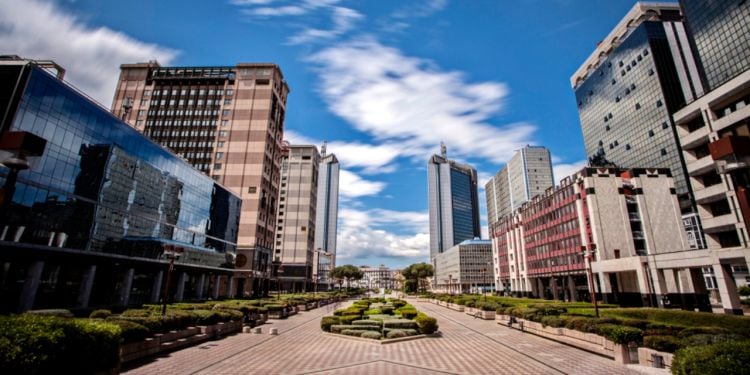
Milan: The nation's financial and fashion epicentre, offering abundant professional opportunities but commanding some of the highest living expenses.
Rome: The historical capital is a cultural powerhouse with job openings primarily in tourism, public administration and technology.
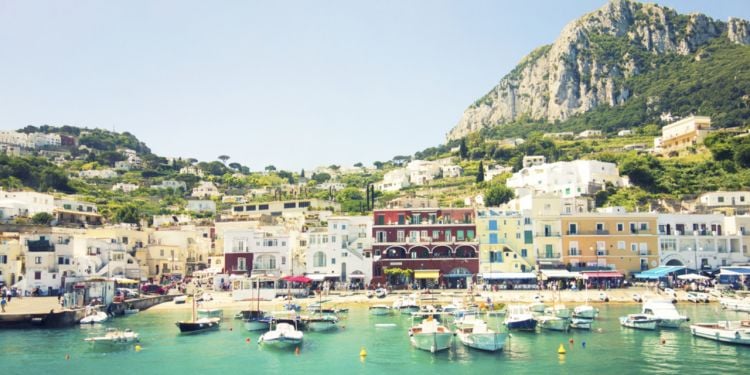
Naples & Palermo: Dynamic southern cities with a vibrant local culture and a considerably lower property costs.
Mid-sized cities:
Turin & Bologna: Offer a superb quality of life. Turin is a hub for the automotive and design industries, while Bologna is a renowned academic and food city. Both are less expensive than the big three of Rome, Milan and Naples.
Smaller towns & rural areas:
Tuscany & Puglia: Popular with retirees and those seeking a slower rhythm of life. Living costs vary, with country homes often more accessible than urban rentals.
02Formalities and visas in Italy
As a member of the European Union, Italy upholds the principle of free movement for EU, EEA, and Swiss citizens, who can live and work in the country without needing a visa. However, after three months, you must register at the local town hall. For all other non-EU individuals (Terzi), securing the appropriate visa before arrival is mandatory for any stay over 90 days, whether for work, study, or settlement. Common routes include:
National visa (D-type): Needed for long-term stays (e.g., work, study, family reunification).
Permit to stay (permesso di soggiorno): Must be applied for within eight days of arriving in Italy at the local post office and then finalized at the police headquarters (Questura).
Tips:
- You will generally need to demonstrate sufficient financial means (bank statements, proof of income) to support yourself without having to rely on social assistance.
- Be ready to attend a fingerprinting appointment (fotosegnalamento) at the Questura as part of your residency permit application.
- Compile all necessary documentation, including a valid passport, proof of health insurance, and a police clearance certificate.
- A job contract (contratto di lavoro) from an Italian employer or proof of enrolment in an accredited institution is typically key for D-type visa applications.
- Any documents not in Italian must be presented with a certified, official translation (traduzione giurata).
- Processing times can be lengthy, so it's advisable to submit your application well ahead of your intended relocation.
Source:






Join the discussion on the forum
03Working in Italy
The job market in Italy, though competitive, is open to skilled foreign professionals. There are plenty of career opportunities across a variety of industries, particularly those requiring technical or highly specialized expertise.
To secure employment in Italy, you will need to adapt your resume (Curriculum Vitae) to the widely-used European CV format. For non-EU nationals, the process usually involves an employer applying for a work permit (Nulla Osta) on your behalf within the annual Quota Decree (Decreto Flussi) limits. Online platforms like Indeed Italia and Glassdoor are good resources for finding vacancies.
In-demand jobs
Roles in high demand include IT specialists (data scientists, software developers), engineers (mechanical, civil), healthcare professionals (doctors, nurses), skilled tradespeople, and specialised tourism and hospitality roles.
Tips:
- Language is key: Being fluent in Italian will significantly improve your job prospects, particularly outside multinational corporations.
- Build your network through industry conferences and professional associations to uncover unadvertised opportunities.
- Consider using a local recruitment consultant.
- Check if your foreign qualifications (especially professional certifications) need to be formally recognized by an Italian authority.
Facts & figures
Unemployment rate | 6% |
Youth unemployment rate | 19.3% |
Average annual salary(gross) | €33,100 |
Data correct as of October 2025
Sources: Italian National Institute of Statistics, Statista
Useful links:




04Accommodation in Italy
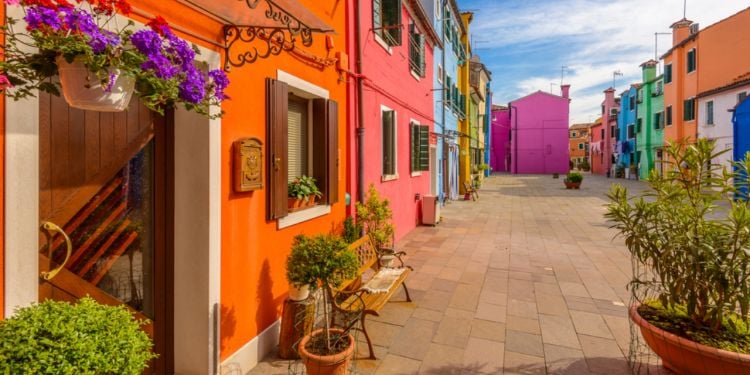
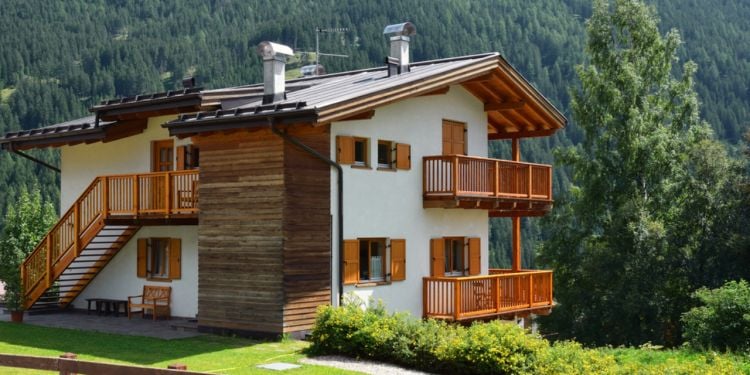
The housing market, particularly in cities like Milan and Florence, is competitive but less so than in some northern European capitals. If you decide to rent, the process is usually managed via a real estate agent (agente immobiliare), acting as the intermediary. Standard rental contracts (contratto di locazione) are often structured as a 4+4 model (four years, automatically renewed for another four). Expect to pay a security deposit equivalent to two or three months' rent, plus the first month's rent upfront.
A vital consideration is whether the property is arredato (furnished) or non arredato (unfurnished). Unfurnished homes often come without even basic lighting fixtures or kitchen cabinetry, requiring significant upfront investment. If you are considering buying a property in Italy, the process can be long and complex and will usually involve a notaio (public notary) and most likely, a mortgage (mutuo).
Tips:
- Ensure your rental contract is registered with the tax authorities (Agenzia delle Entrate) to ensure its legality and protect your rights as a tenant.
- Remember to budget for condominium fees (spese condominiali) and utilities, which are typically separate from the base rent.
- Before signing, check the property's condition and inventory list (inventario) to prevent later disputes over the deposit.
Sources:
Immobiliare - online property portal
Discover more
05Cost of living in Italy
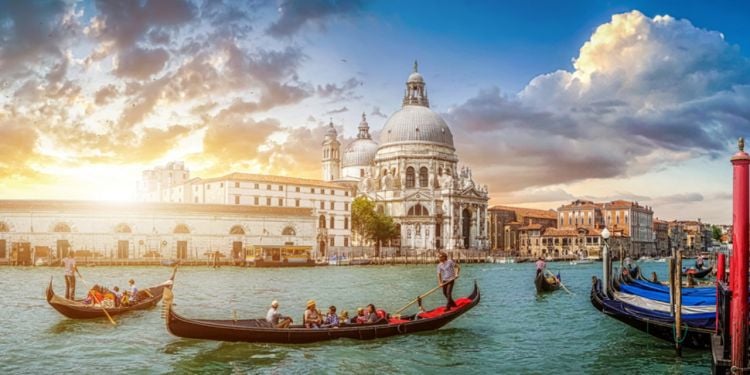
The cost of living varies considerably throughout the country. Major economic centers like Milan and tourist hubs such as Venice are notably expensive, but the majority of the south and smaller, less-frequented towns are significantly more budget-friendly. Here is a general estimate of monthly costs, including rent.
Monthly expenses
Category | Single expat (per month) | Family of four (per month) |
Average total expenses | €1,500 - €2,500 | €3,000 - €4,500 |
Rent (outside major northern cities) | €600 - €1,000 | €1,100 - €1,800 |
Rent (Milan/Rome) | €1,100 - €1,600 | €2,000 - €3,200 |
Utilities (gas, electricity, internet) | €120 - €200 | €220 - €350 |
Groceries | €250 - €400 | €600 - €850 |
Transport | €50 - €120 | €100 - €250 |
Data accurate as of October 2025
Sources: Numbeo, Global Citizen Solutions
Join the discussion on the forum
06Healthcare in Italy
Healthcare in Italy is typically delivered through the Servizio Sanitario Nazionale (SSN), a universal public system accessible to all legal residents. To use the SSN, expats must register with a local General Practitioner (Medico di Base), who manages all non-emergency care. While the system is excellent, non-urgent specialist appointments can involve significant waiting periods. As a result, many opt for private health insurance to ensure quicker access and a broader selection of private clinics.
What you need to know
For all medical emergencies in Italy, call 118 or the universal European number, 112.
While most primary care services are free, you may be charged a co-pay, also known as a deductible, for specialist visits, tests, and medication.
The Tessera Sanitaria (Health Card) is your proof of registration and must be presented for all medical services.
Pharmacists (Farmacisti) in Italy are highly trained and often serve as the first point of medical advice for minor ailments, dispensing many common medications without a prescription.
Source:




07Finance and banks in Italy
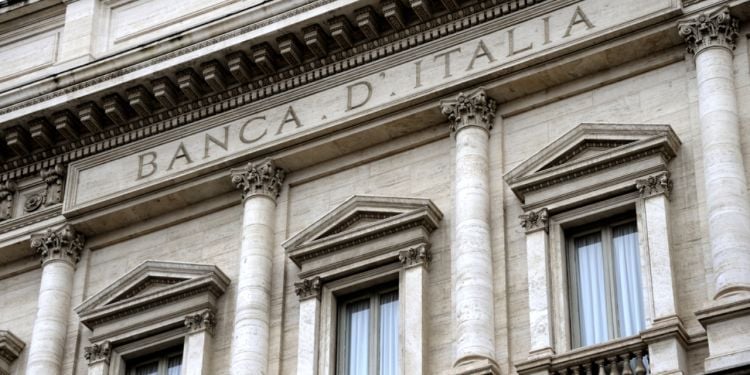
Getting set up financially is reasonably straightforward. To open a bank account in Italy, you typically need your passport and the Italian tax code (Codice Fiscale). Securing the Codice Fiscale from the Italian Revenue Agency (Agenzia delle Entrate) is one of the first and most critical steps for any expat. While traditional banks are common, digital platforms like N26 or Revolut offer easier and quicker setup processes for new arrivals. For transferring money across borders, using specialist exchange services remains the most cost-effective solution.
Tips:
- Familiarize yourself with the Italian tax system and declare your income with the Agenzia delle Entrate as a tax resident.
- Set up automatic utility payments. Italian utility companies often prefer or incentivize direct debit (known as RID or addebito diretto) from an Italian bank account. This is the simplest way to avoid missing payments for electricity, phone, or gas.
- Cash is still king sometimes. While card payments are widespread, many smaller shops, markets, and even service providers (like plumbers or small restaurants) may prefer or only accept cash. Always keep a reasonable amount of Euros on hand.
- Keep a simple monthly budget that accounts for both predictable expenses and the highly variable cost of regional transport.


08Retiring in Italy
Italy’s appealing climate, leisurely pace of life and accessible healthcare make it a superb option for retirement. Whether you prefer a coastal hideaway, a buzzing city, or a quiet Tuscan hillside, there’s a place for every retiree. Regions like the Veneto, Sicily, and Umbria are increasingly popular.
Major advantages
Accessible public healthcare: Retirees can register with the SSN (Servizio Sanitario Nazionale), ensuring comprehensive medical coverage.
Safety and low crime rate: The country has a low to moderate rate of crime compared to other industrialized countries.
Excellent infrastructure and climate: Well-developed amenities and agreeable weather, particularly in the south.
Important:
- Non-EU nationals must apply for an Elective Residence Visa (Visto per Residenza Elettiva), requiring proof of substantial, passive income (e.g., pensions, investments).
- Investigate the flat tax for new residents schemes, which offer highly favourable tax conditions.
- Consult a tax specialist regarding your pension funds and the double taxation treaty between Italy and your home country.
Source:
09Studying in Italy
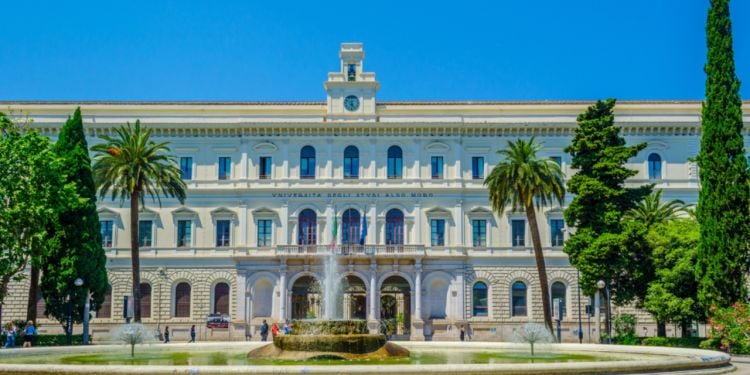
With a tradition of academic rigour dating back to the oldest university in the western world (Bologna, founded in 1088), Italy is a top destination for higher education.
Why study in Italy?
Italian universities are globally recognized, particularly in fields such as architecture, design, and history. Institutions like the University of Bologna and Politecnico di Milano offer a range of leading academic programs. The typical cost for international students at public universities can range from €900 to €4,000 per year for undergraduate and postgraduate courses, a relatively affordable price compared to other countries.
Tips:
- Apply for a Student Visa (Visto per Studio) if your program exceeds 90 days and you are a non-EU/EEA citizen. You must hold an unconditional offer (lettera di ammissione) before applying.
- Check with your Italian university/institution to see if they require the traditional Dichiarazione di Valore to recognize your foreign qualifications or if they accept the CIMEA Statement of Comparability.
- Arrange your lodging early. University residences are limited, and private rentals fill up quickly, particularly in major cities like Rome and Milan.
Source:
Discover more
10Education and schools in Italy
The Italian education system provides a robust foundation for students and is compulsory from age 6 to 16. Reflecting the nation's cultural wealth, the curriculum places significant emphasis on literature, arts, and classical studies. Education is structured into three main phases: primary, lower secondary, and upper secondary levels.
Types of schools
State schools (scuole statali): Free and accessible to all residents, funded by the national government. The quality is generally very high, but it can vary by region.
Parity schools (scuole paritarie): Private schools that often follow the national curriculum but may incorporate a religious or pedagogical specialisation.
International schools (scuole internazionali):A frequent choice for expatriates, these schools offer curricula like the International Baccalaureate (IB), making transitions easier for mobile families. You'll find them in numerous towns and cities like Rome, Milan, and Florence.
School holidays
The Italian academic year runs from September to June, generally divided into two semesters. Key breaks include a two-week period for Christmas (late December/early January), a week for Easter (March/April), and the long summer vacation, which typically lasts from mid-June to early September.
Tips:
- Investigate the local school catchment areas and admission criteria well in advance, as places can be competitive.
- Inquire about optional extracurricular activities (attività extrascolastiche), which are often less common than in other countries.
- Visit potential schools to ensure the environment aligns with your child's needs and the language instruction level is appropriate.
Source:
Join the discussion on the forum
11Planning your move to Italy
Relocating to Italy is an exciting journey that requires thorough planning and preparation. There will be a lot to sort out, and successfully navigating the logistics—from visa applications to securing housing—can take time. Here are a few tips to help you prepare:
Tips:
- Start your planning at least six months in advance to manage visa applications, location scouting, and property arrangements effectively.
- Compare estimates from certified international movers (trasportatori internazionali) who specialise in Italian relocations.
- Streamline your move by decluttering and creating a detailed itemised list of all belongings to reduce shipping volume and cost.
- Keep vital documentation—passports, visas, health records—in an accessible, separate file for the move.
- Familiarize yourself with the Transfer of Residence (ToR) process to import personal effects without incurring Italian VAT or customs duties.
- Ensure all restricted items, such as certain food items or specific electronics, are properly declared to Italian customs.
- Use high-quality packing materials and label all boxes clearly with their contents and destination room.
- If you can, start studying the Italian language before you arrive. Even a basic level of Italian will dramatically ease administrative tasks and speed up your integration into the local community.
Sources:
Discover more


Join the discussion on the forum
12Everyday life in Italy
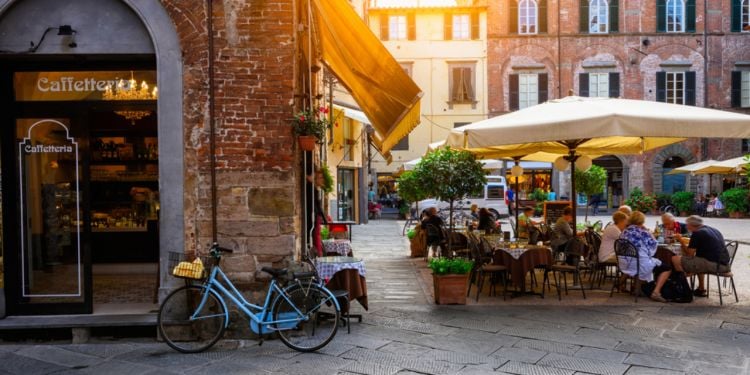
At its heart, everyday life in Italy revolves around three core values: the strength of family, the quality of food and the importance of socializing. Beyond these, there is a strong sense of style and appreciation for beauty. Locals are warm, but be ready for a relaxed view of time, often called 'Italian time.'
Italy is generally safe, with little violent crime. Petty theft is possible in tourist areas, so stay aware. Public transport and city areas are well-monitored.
Local habits & customs
Time: Social plans may start late. Be on time for business.
Coffee Rules: Only order a cappuccino before 11 AM; stick to espresso after.
Personal Space: Italians are generally more expressive and comfortable standing closer when talking than people from northern Europe.




13Leisure in Italy
Embrace your free time in Italy by diving into a culture that views leisure as an art form. If you enjoy sports, attending a Serie A calcio (football) match is a cultural rite of passage. If you want to get or stay fit, local clubs offer everything from cycling and hiking along stunning regional trails to tennis and volleyball. Beyond organized activities, Italian life encourages simple, restorative downtime. Adopt the cherished custom of the passeggiata, a relaxed evening stroll.
Culturally, Italy is a powerhouse. Enjoy world-class opera at La Scala in Milan, browse major art galleries such as the Uffizi in Florence, and explore historic sites across Rome and beyond.
Source:
Discover more

Join the discussion on the forum
14The essentials to remember
Ready for your big move? Whether you're relocating permanently or heading off for work or to study, a solid plan is your best companion. Use our informative guides and articles to help you sort out all the details—from whether you need a visa to healthcare and enjoying downtime in your new country. And remember, if you have any questions, ask on our Italy forum and get real-world advice from people who've been exactly where you are. Then, get set to enjoy your amazing new life in "Il Bel Paese!"
Join the Italy community
Get regular tips and advice to make the most of your expat life
Essential services for your expat journey







Forum topics on living in Italy
Discover forums topics on expat life in Italy: join the conversation, ask your questions, get advice and share your experience.
- Moving to Bordighera - Noli.
- Accommodation in Italy: scams you should look out for
- Trapani or Marsala
- Citizenship in Italy through Smart Move Italy
- Noise, regulations and rights
- Lucca and Tourists
- Expats living in Cortona
- Australia Italy Bilateral Visa Waiver Agreement
- The pet culture in Italy
- Newbie here...researching plausibility of retiring in Italy.
- Will Italy go back to providing driving tests in English?
- Travelling to Schengen with Ricevuta (for Permesso Renewal)
- permesso di soggiorno is under renewal process, UK visa
- Permesso di Soggiorno - message for pick up not received
- Best cities / towns for active retired person?
- Looking for expats in Alghero (Sardinia)!