

 Guide updated by Veedushi Bissessur on 18 December 2025
Ivory Coast is an increasingly popular destination for expatriates seeking professional opportunities in West Africa. The country combines a strong regional economy with a relatively developed infrastructure by African standards. Most expats settle in Abidjan, the economic capital, where international companies, regional headquarters, and NGOs are concentrated. French is the working language, which shapes daily life, administration, and employment. For those considering relocation, Ivory Coast offers a mix of career prospects, cultural diversity, and a lower cost of living than many Western countries.
Five compelling reasons to live in Ivory Coast
1. Strong job market for foreign professionals
Ivory Coast has one of the most dynamic economies in West Africa. Expats are commonly employed in agribusiness, construction, logistics, finance, telecommunications, energy, and international development.
2. Established expat communities
The country has a long history of immigration, resulting in well-established foreign communities, particularly in Abidjan, which makes integration easier for newcomers.
3. French as the official language
French is used in business, education, healthcare, and administration. This is a significant advantage for francophone expats and those with professional French proficiency.
4. Urban lifestyle with regional connectivity
Abidjan offers international schools, private healthcare, shopping centers, and air connections to Europe and Africa. It is often described as one of the most livable cities in the region for expats.
5. Cultural and social diversity
Ivory Coast is home to dozens of ethnic groups and a large foreign population. This diversity is reflected in food, social life, and everyday interactions.
Your setup journey
The guide in 13 steps - click on a step to go directly to the section.
01Where to live in Ivory Coast
Most expatriates in Ivory Coast choose to live in the south of the country, where economic activity, infrastructure, and international services are concentrated. The coastal region offers better transport links, private healthcare, international schools, and employment opportunities. Abidjan, the economic capital, is the main expat hub and the first point of entry for most newcomers. Other locations appeal to expats seeking a quieter lifestyle or working in industry, diplomacy, or development projects.
Housing options in Ivory Coast are varied and largely market driven. Expats typically rent rather than buy, especially during their first years in the country. Accommodation ranges from modern apartments and serviced residences to villas in gated compounds. In major cities, housing standards can be high, but prices vary significantly by neighborhood, security level, and access to amenities. Furnished rentals are common and popular among foreign residents.
Explore our dedicated guides
02Formalities and visas in Ivory Coast
Ivory Coast has streamlined its entry process in recent years, making visas more straightforward to understand and faster to obtain for most expatriates. The country now relies mainly on an online eVisa system, which allows applicants to complete the main steps before departure. For short stays, the process is generally straightforward and predictable. Long-term relocation still requires additional permits, but the overall system is more structured than many newcomers expect. Knowing which visa applies to your situation is the key first step to a smooth move.


03Working in Ivory Coast
For expatriates, Ivory Coast offers a dynamic job market with opportunities in multinational companies, NGOs, and regional offices, especially in Abidjan. While formal employment is competitive, a large portion of the local workforce operates in the informal sector, from small-scale trade to services, which shapes the business environment. Expats are often sought after for specialized skills, international experience, and French proficiency, making the country an attractive destination for those looking to advance their careers while gaining unique experience in West Africa.
Employers in Ivory Coast value candidates with relevant professional experience, strong French-language skills, and an understanding of local business culture. Cultural adaptability, flexibility, and a proactive attitude are highly appreciated. For success, expats should focus on building professional networks, learning French if not already fluent, and demonstrating knowledge of the local market. Working with recruitment agencies or professional associations can also improve job prospects.


04Accommodation in Ivory Coast
Expats moving to Ivory Coast will find a competitive rental market, especially in Abidjan, where demand for safe, well-located housing is high. Quality and prices vary widely by neighborhood, with prime areas commanding the highest rents. Outside the major cities, housing is more affordable, but options are limited, and standards can be basic. Coastal towns like Grand-Bassam offer a quieter lifestyle, while San Pedro caters mainly to those working in industry or ports.
Expats typically rent rather than buy, at least initially. Housing options range from modern apartments and high-rise condos to villas in gated compounds and family homes with gardens. Furnished rentals are common and often preferred by expatriates. Foreigners can buy property in Ivory Coast, but the process involves permits and adherence to local regulations. Real estate agents with experience serving expats are invaluable for navigating contracts and legal requirements.
Tips:
• Choose your neighborhood wisely: Safety, proximity to work, schools, and amenities are crucial.
• Rent first: Test the area and housing before committing to a purchase.
• Understand your lease: Check duration, deposits, and included utilities. Legal advice is recommended for long-term contracts.
• Work with experienced agents: Use agencies familiar with expat rentals to avoid scams and ensure compliance with local regulations.
• Check amenities and security: Gated compounds often provide added security, backup water supply, and generators for power outages.
Discover more
05Cost of living in Ivory Coast
For expatriates, the cost of living in Ivory Coast is a mix of surprises. Compared to Western countries, everyday expenses are generally lower, especially for groceries, local transport, and domestic services. However, imported goods, international school fees, and housing in safe, expat-friendly neighborhoods can be surprisingly expensive. Within West Africa, Ivory Coast sits in the middle: it’s more costly than some rural neighbors but cheaper than capitals like Lagos or Accra. Expats quickly learn that lifestyle choices—urban versus coastal living, eating local versus imported foods, and private versus public services—have a significant impact on monthly budgets.
Here is a general breakdown of average monthly expenses for different household types in Ivory Coast.
Monthly expenses
Single expat (per month) | Family of four (per month) | |
Rent (city center) | 1 bedroom: 440,476 XOF (USD 700) | 3 bedroom: 1,033,333 XOF (USD 1 660) |
Rent (suburbs) | 1 bedroom: 174,286 XOF (USD 280) | 3 bedroom: 540,000 XOF (USD 870) |
Utilities (electricity, water, Internet) | 110,000 XOF (USD 180) | 230,000 XOF (USD 370) |
Groceries | 90,000 XOF (USD 145) | 360,000 XOF (USD 580) |
Public transport | 27,500 XOF (USD 45) | 60,000 XOF (USD 97) |
Dining out and entertainment | 60,000–80,000 XOF (USD 95–130) | 150,000–250,000 XOF (USD 240–405) |
Data correct as of December 2025.
Source:
06Health care in Ivory Coast
Expats in Ivory Coast will quickly notice the contrasts in healthcare. In Abidjan, private clinics and international hospitals offer clean facilities, English-speaking staff in some cases, and relatively quick service. Outside the capital, public hospitals can be crowded, understaffed, and slow, with limited equipment. For serious procedures or emergencies, many expats arrange private insurance that covers treatment abroad. Knowing where to go—and having a backup plan—is essential for anyone living here.
Finding a general practitioner is generally straightforward in urban parts of the country, but expats usually rely on private clinics or international hospitals to ensure fast, reliable service. Public healthcare is not free for expatriates, and private health insurance is strongly recommended.
Discover more

Discuss it on the forum
07Finance and banks in Ivory Coast
Ivory Coast has a modern, French-influenced banking system that is generally reliable for expatriates. Most major cities, especially Abidjan, have well-established banks offering standard services, ATMs, and online banking. Opening a bank account is usually straightforward if you have the required documents, but it is typically done in person rather than online from abroad. While many transactions can be completed digitally, cash is still widely used, particularly in markets, smaller towns, and rural areas, so it’s wise to carry some on hand. The banking system may feel slower than what expats are used to in Europe or North America, but with local guidance, it is easy to manage daily finances.


Discuss it on the forum
08Studying in Ivory Coast
Ivory Coast is one of West Africa’s key destinations for higher education. Its universities and institutions have developed a reputation for strong programs in economics, business, engineering, and social sciences. Compared to the rest of the region, Ivorian universities offer relatively affordable tuition, a French-speaking academic environment, and a diverse student body. While not consistently ranked at the very top globally, they are respected within Africa for their quality teaching and professional networks.
Ivory Coast attracts international students from across Africa and beyond. Many come from neighboring West African countries such as Burkina Faso, Mali, and Guinea, as well as from francophone countries worldwide. Enrollment has grown steadily in recent years, with several thousand international students now studying across public and private institutions. Student visas are generally straightforward to obtain if you meet the admission requirements and provide the necessary documentation.
Discover more

09Education and schools in Ivory Coast
Education in Ivory Coast is free and compulsory for children aged 6 to 16. Public schools follow the national curriculum and teach primarily in French. Quality can vary widely: urban schools in Abidjan tend to be better equipped and staffed than rural schools, but overcrowding and limited resources are common challenges.
Expat children in Ivory Coast generally don't attend public schools unless fluent in French, so most families turn to international schools. These schools follow French, British, or American curricula and offer instruction in English or French. Abidjan has the largest concentration of international schools, with options ranging from preschool through high school. These schools attract students from a variety of nationalities, creating a multicultural environment.
School holidays
The school year in Ivory Coast typically starts in September and ends in June or July, depending on the institution. There are several holiday periods, including a short break in December, a spring break around Easter, and a long summer holiday from July to September. International schools may follow slightly different calendars, aligned with their home-country systems.
Tips:
• Start early: Popular international schools have limited places, so begin the application process as soon as possible.
• Prepare documentation: Schools usually require passports, birth certificates, vaccination records, and prior school transcripts.
• Visit the school: Touring campuses and meeting staff helps assess whether the school's teaching style, language, and environment suit your child.
10Planning your move to Ivory Coast
Shipping your belongings to Ivory Coast can be an adventure in itself — expats can expect paperwork, customs inspections, and potential delays at Abidjan’s port. While Ivory Coast has modern logistics and ports, the system is slower and less automated than in Europe or North America. There is no fully online customs portal, so paperwork is submitted in person at customs, often through your shipping company. Some movers offer digital tracking for your container, but official inspections still require physical documents. Using experienced international movers and understanding local import regulations can save you time and stress. Certain items, like alcohol, vehicles, and electronics, require permits or special declarations, so planning is essential.
Tips:
• Work with experienced movers: Choose international shipping companies that regularly handle relocations to Ivory Coast.
• Prepare documentation in advance: Have passports, residence permits, and detailed inventories ready for customs.
• Check restricted items: Certain electronics, chemicals, and alcohol may require permits or are prohibited.
• Insure your shipment: Protect valuable or fragile items with full international shipping insurance.
• Consider temporary accommodation: Book a furnished apartment or serviced residence for your first weeks while your goods arrive.
• Learn key French phrases: Basic French helps navigate customs, port staff, and local services smoothly.
Useful link:


Discuss it on the forum
11Everyday life in Ivory Coast
Daily life in Ivory Coast is a blend of urban energy and traditional culture. In cities like Abidjan, expats experience busy streets, bustling markets, modern malls, and a lively café and restaurant scene. Public transport can be crowded, so owning a car is common for convenience. Life moves at a slower pace outside the major cities, with communities centered around family, markets, and local events. French is the primary language, and knowledge of local customs helps daily interactions run smoothly.

12Leisure in Ivory Coast
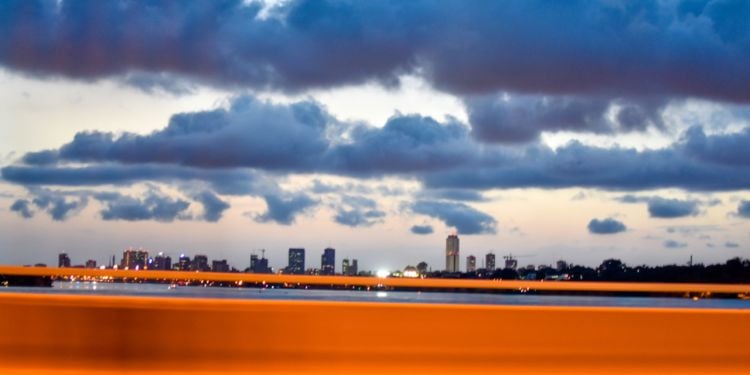
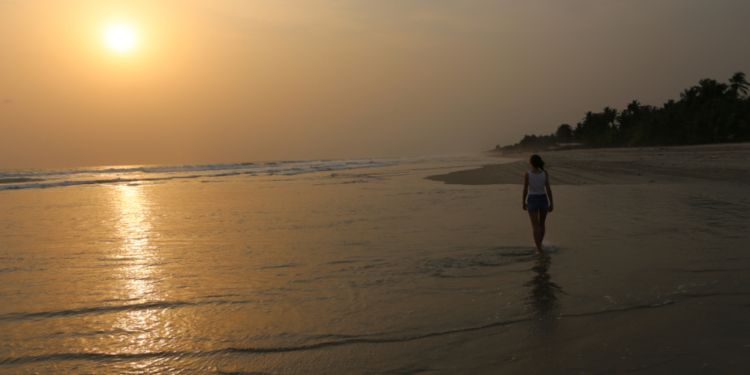
The Ivory Coast offers a rich mix of cultural, natural, and urban experiences. Expats quickly discover that the country is more than its economic hubs; it is full of festivals, music, and outdoor adventures. Abidjan is the center of nightlife, restaurants, and shopping, while the coastal towns provide beautiful beaches and water sports. Ivory Coast is famous for its music scene, and you'll find lively dance and street parties. Nature enthusiasts can explore national parks, waterfalls, and wildlife reserves, while history and art lovers will appreciate traditional villages, museums, and colonial architecture. The country also hosts colorful festivals throughout the year, offering expats a chance to experience authentic Ivorian culture.
Discover more

13Outro
Life as an expat in Ivory Coast offers opportunities to explore vibrant cities, rich culture, and a unique West African lifestyle—but it also comes with practical challenges that require careful planning. From choosing where to live and navigating visas, to finding work, arranging schooling, and understanding the healthcare system, there are many considerations for newcomers. Our guides and articles are packed with information on all the key topics—including housing, employment, education, banking, and leisure—and the Ivory Coast expat forum is a great place to ask questions and get advice from other expats. With preparation and local insight, you can embrace life in Ivory Coast and fully enjoy all that this fascinating country has to offer.
Join the Ivory Coast community
Get regular tips and advice to make the most of your expat life
Essential services for your expat journey




Forum topics on living in Ivory Coast
Discover forums topics on expat life in Ivory Coast: join the conversation, ask your questions, get advice and share your experience.