

Living in New Zealand: the ultimate expat guide
Everything you need to know for a successful life in New Zealand.
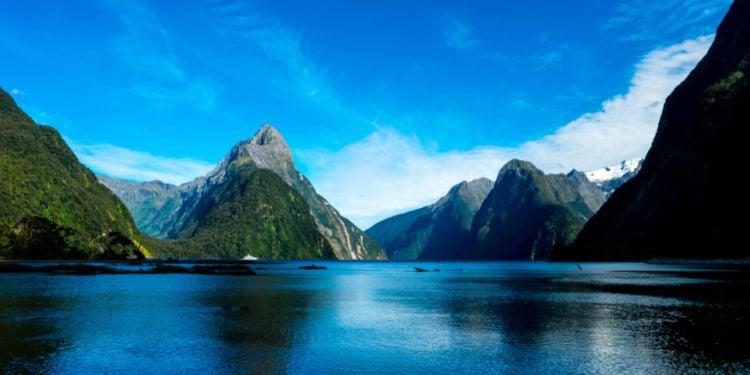
New Zealand is a stunning island nation in the South Pacific, known for its breathtaking scenery and easygoing lifestyle. From rugged mountains and rolling green hills to golden beaches and lively cities, it offers an exceptional mix of adventure and comfort.
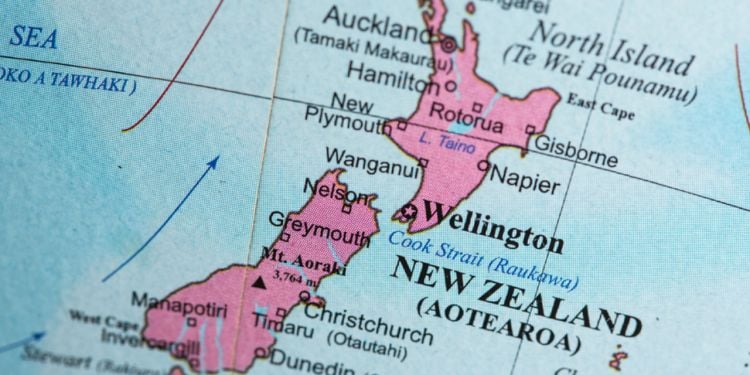
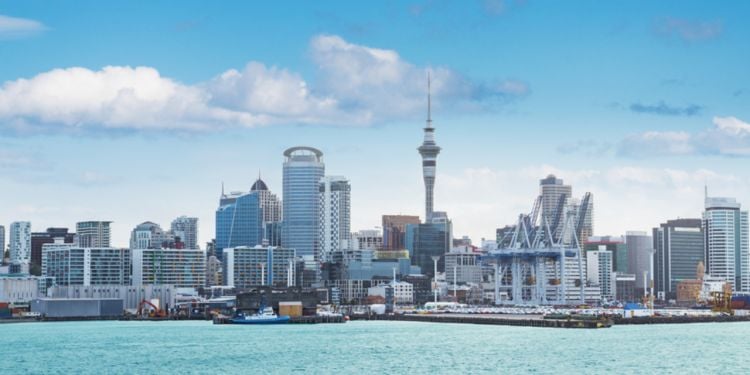
Places like Auckland, Wellington, and Christchurch combine modern urban living with a close connection to nature. With its focus on sustainability, quality education, and excellent healthcare, New Zealand is a welcoming destination for expats seeking balance, opportunity, and a fresh start abroad.
5 good reasons to move to New Zealand
High quality of life: New Zealand is known for its safe, clean, and friendly environment, with low crime rates and a strong sense of community, making it one of the most livable countries in the world.
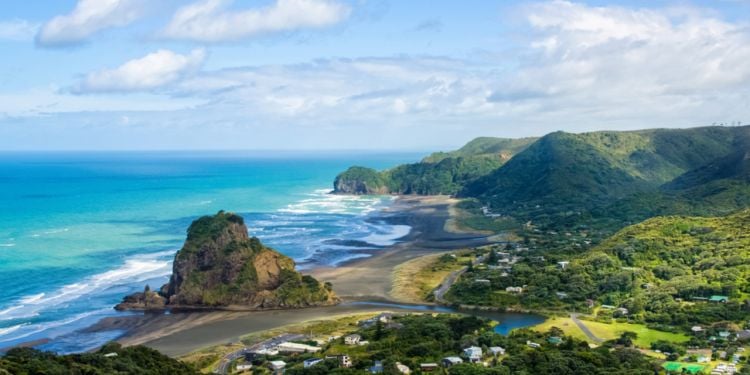
Natural beauty: from the beaches of the North Island to the mountains of the South Island, the country's diverse landscapes provide endless opportunities for outdoor activities.
Work-life balance: the culture emphasizes a balanced lifestyle, with ample vacation time and a focus on family and personal well-being.
Inclusive society: New Zealand is known for its diverse and inclusive society, with a strong commitment to human rights and equality.
Strong economy: the country boasts a stable economy with opportunities in various sectors, including agriculture, technology, and tourism.
Facts and figures:
Total population: | 5,311,100 (as of Dec 2024) |
Expat population: | 1.4 million immigrants |
Immigrant percentage of NZ population: | 29 percent |
Most common expat countries: | England, China, India, the Philippines, South Africa, Australia |
Official languages: | English, Māori, NZ Sign Language |
Data correct as of October 2025
Sources: Stats NZ Tatauranga Aotearoa, Migration Policy Institute, Ministry for Ethnic Communities New Zealand
Formalities and visas in New Zealand
Before you can move to New Zealand, you'll need to secure the appropriate visa for your situation. Most visa applications are completed online through the Immigration New Zealand website, where you can create an account, submit your documents, and track the progress of your application. The site also provides detailed guidance on eligibility, required documents, and processing times.
Expats looking to enter New Zealand can choose from the following visa types:
- Visitor visas
- Work visas
- Resident visas
- Family visas
- Investor and entrepreneur visa
🔍 To learn more

Work visas in New Zealand
New Zealand is famous for its work-life balance and often tops lists of the most desirable ...

The Working Holiday Visa in New Zealand
The idea of living overseas for a year or so, working small jobs to pay your way as you travel ...
Travelling to New Zealand
Whether you are coming to New Zealand for a few weeks or hoping to stay a little longer, there are ...
Working in New Zealand
New Zealand's job market offers strong opportunities for expats with the right skills. Employers frequently seek overseas workers in key sectors such as healthcare, engineering, information technology, and agriculture. Demand is highest for roles that appear on New Zealand's Green List, which highlights occupations with skill shortages and fast-track residency pathways.
Starting a Business: New Zealand ranks highly in global ease-of-doing-business indices, and the New Zealand Companies Office provides resources for registering and managing a business. Expats can legally own and operate a business in New Zealand, with relatively few barriers, and the country has a supportive startup environment.
Key employment facts and figures
Unemployment rate: | 5.2% (as of June 2025) |
Adult minimum wage: | NZD 23.50 (USD 13.47) |
In-demand sectors: | Healthcare, IT, engineering, construction |
Ease of doing business ranking: | Consistent top performer in global rankings |
Data correct as of October 2025
Sources: Stats NZ Tatauranga Aotearoa, Adecco
🔍To learn more
Working in New Zealand
Over the years, New Zealand has become a top destination for foreign professionals looking to boost ...
Labor market in New Zealand
New Zealand has a large economy that requires an extensive workforce. This, combined with a ...

Starting a business in New Zealand
New Zealand is ranked as one of the best countries in the world to start a business in. Indeed, for ...
Studying in New Zealand
New Zealand offers a range of higher education options, including universities, polytechnics, and private training establishments. The country is home to several world-class universities, including:
- The University of Auckland
- The University of Otago
- The Victoria University of Wellington.
International students require a student visa to study in New Zealand, which allows full-time study at an approved institution and part-time work. To study in New Zealand, you must first be accepted into a course at an approved institution. After receiving an offer, you can apply for a student visa through the New Zealand Immigration website. In addition to university degrees, New Zealand offers a variety of vocational and technical training courses designed to equip students with practical skills for the workforce.
🔍To learn more
Studying in New Zealand
New Zealand is a great place for further studies, whether you are looking to attend a university, polytechnic or vocational school, learn English, or ...
Finance and banks in New Zealand
New Zealand’s banking system is modern and reliable, with major banks offering easy online and mobile banking services, widespread ATMs, and convenient digital payment options nationwide. Opening a bank account in New Zealand is straightforward. You'll typically need proof of identity, a New Zealand address, and a tax identification number (IRD number).
Major banks in New Zealand include:
- ANZ
- ASB
- BNZ
- Westpac
Paying taxes in New Zealand
In New Zealand, most employees — and expats — pay tax through the PAYE system, where income tax is deducted automatically from your salary. If you're self-employed or earn extra income, you'll need to file an annual tax return with Inland Revenue (IRD).
🔍 To learn more


Health care in New Zealand
New Zealand's health care system is well-organized and dependable, combining public hospitals and clinics with private providers to deliver accessible, high-quality medical care. Expats in New Zealand should plan for health care and do their research, as the public system only partially covers non-residents. Most expats take private health insurance to cover dental care, elective procedures, and specialist visits. It's recommended to register with a local GP to access routine check-ups, vaccinations, and preventive care.
🔍To learn more

Healthcare in New Zealand
New Zealand's healthcare system is a complicated one, relying on both a public health system ...

Accidents and emergencies in New Zealand
New Zealand has a unique Accident Compensation Corporation (ACC) system available to all New ...

Pregnancy in New Zealand
Expecting a baby in New Zealand can be a wonderful experience, with a high standard of maternal and ...
Education and schools in New Zealand
New Zealand offers a high-quality education system, with a mix of public and private schools. Education is compulsory for children aged six to 16, and expat families can choose from public schools for eligible visa holders, private fee-paying schools, or international schools in major cities that offer globally recognized programs such as IB or Cambridge. New Zealand has a significant number of international schools, mainly concentrated in major cities.
🔍To learn more
Accommodation in New Zealand
Housing in New Zealand ranges from modern apartments in bustling cities to spacious homes in quiet towns and rural areas. Urban centers like Auckland and Wellington have higher property prices and rents, while smaller towns and rural communities offer more affordable and often larger living spaces. Whether you're renting or buying, options include apartments, townhouses, and standalone houses, catering to different lifestyles and budgets.
- Renting: the rental market is competitive, especially in urban centers. It's advisable to start your search early and be prepared with references and proof of income.
- Buying property: foreigners can purchase property in New Zealand, but there are restrictions. Generally, non-residents need to obtain consent from the Overseas Investment Office before purchasing residential land.
- Housing quality: New Zealand homes are generally well-constructed and insulated. However, older homes may lack modern insulation, so it's essential to check the property's condition before committing.
🔍To learn more
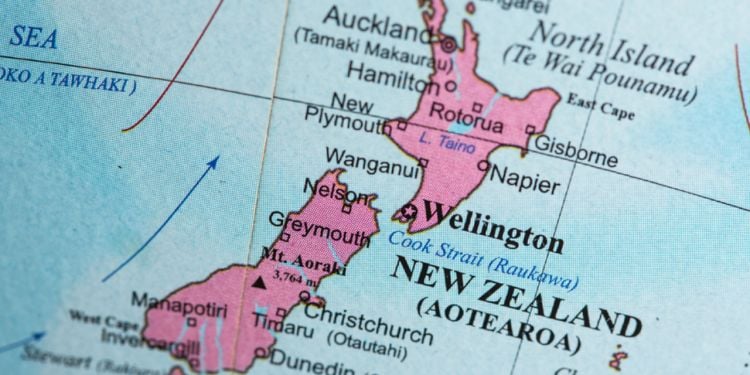
Accommodation in New Zealand
You may not want to jump straight into buying a house or finding a long-term rental when you arrive ...
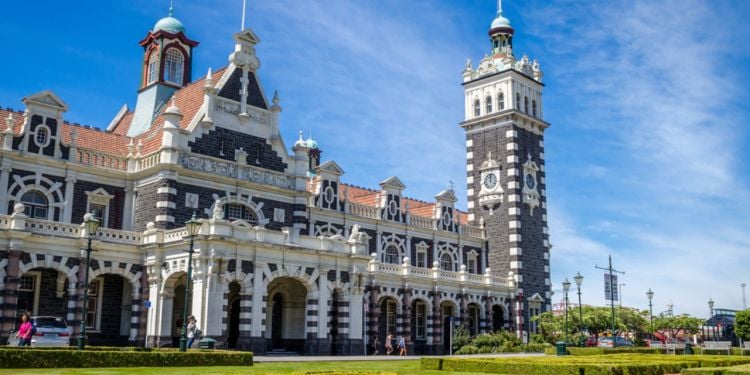
Accommodation in Dunedin
Dunedin is home to around 130,000 people and is one of the southernmost cities in New Zealand, ...

Accommodation in Hamilton
If you are looking to settle in Auckland, but can't afford the ever-inflating prices, then ...
Planning your move to New Zealand
Moving to New Zealand requires careful preparation, particularly due to the country's strict customs regulationsdesigned to protect its unique environment. Many items, including sports equipment, camping gear, and electrical appliances, may need cleaning, inspection, or special approval before entry. Hiring a reputable international moving company can help navigate these rules, manage packing, and handle the required documentation. Shipping can take six to eight weeks, depending on where you are in the world, so arranging temporary accommodation and planning what to bring versus purchase locally is important for a smooth transition.
Customs compliance is only one part of a successful move. Expats should also plan how to transport belongings efficiently, consider insurance coverage, and decide whether to ship all items or just essentials. Being informed about import restrictions, taxes, and paperwork in advance helps ensure a seamless relocation, allowing you to settle quickly and start enjoying life in New Zealand.
🔍To learn more

Relocating to New Zealand
Different people relocate in different ways. Some sell up everything at home and move with only a ...

Relocating to New Zealand with your pet
If you are moving to New Zealand long-term, you are probably not willing to leave any member of ...
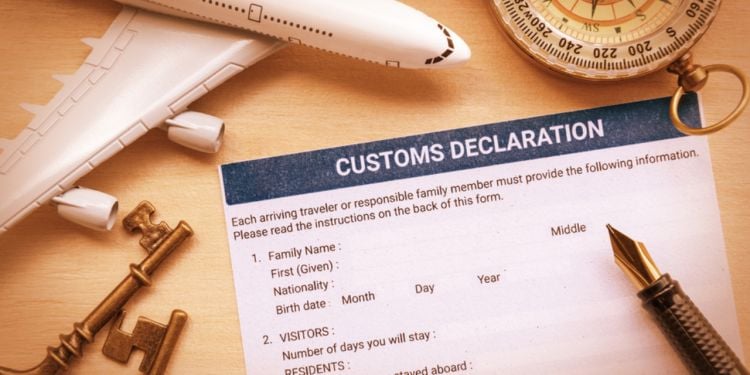
Customs regulations in New Zealand
Thanks to New Zealand being a remote island nation, it has a unique ecosystem that can be quickly ...
Leisure in New Zealand
New Zealand offers expats a lifestyle rich in outdoor adventure, culture, and social opportunities. The country's diverse landscapes—from beaches and forests to mountains and rivers—make it ideal for outdoor activities year-round. Cities such as Auckland, Wellington, and Christchurch provide a mix of cultural experiences, including theaters, galleries, live music, and festivals, alongside cafes, restaurants, and nightlife. For expats, joining local clubs or groups is a great way to meet people, enjoy recreational activities, and integrate into the community.
Sports and physical activity are central to New Zealand life, and there is something for every interest and skill level. From team sports to extreme adventures, expats can enjoy both recreational and competitive options. The country's mountains, rivers, and coastline support a variety of outdoor pursuits, while urban areas offer facilities for indoor and team-based sports.
Popular activities and sports in New Zealand:
- Rugby – the national sport, widely followed and played at all levels
- Cricket – popular in summer, both professionally and socially
- Soccer – recreational leagues and professional teams
- Netball – especially popular among women and girls
- Golf – numerous scenic courses throughout the country
- Sailing – strong maritime tradition with clubs and competitions
- Hiking and tramping – extensive trails across mountains and national parks
- Skiing and snowboarding – in the Southern Alps and other alpine areas
- Adventure sports – whitewater kayaking, mountain biking, climbing, canyoning, surfing
- Swimming, tennis, rowing, and basketball – widely practiced recreationally
🔍 To learn more
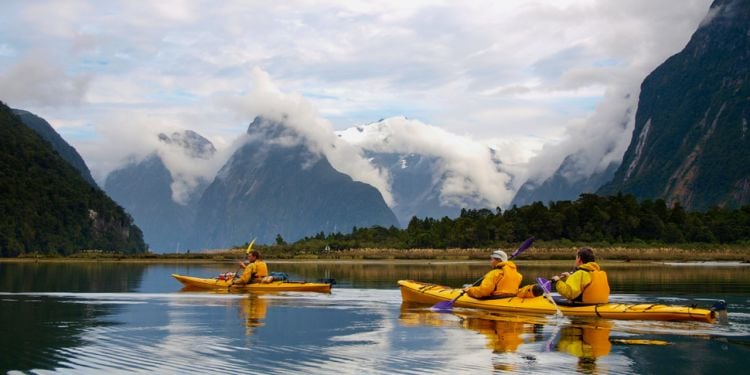

Everyday life in New Zealand
For expats, daily life in New Zealand offers a relaxed pace, close-knit communities, and a strong connection to nature, making it easy to settle in and enjoy the lifestyle.
- Safety: New Zealand is considered one of the safest countries in the world, with low crime rates and a strong rule of law.
- Lifestyle: emphasizes work-life balance, outdoor activities, and community involvement. Sports, particularly rugby, are an integral part of the culture.
- Local habits and customs: New Zealanders value punctuality, honesty, and friendliness. The Māori culture plays a significant role in the country's identity, and many customs and traditions are integrated into daily life.
🔍 To learn more

Getting around New Zealand
There's no point going all the way to New Zealand and not exploring it as much as possible once you're there. Whether you're in the ...

Connecting to the internet in New Zealand
Internet speeds and connectivity vary all across New Zealand, thanks to its mountainous and remote ...

Using phones in New Zealand
Being able to connect with your family worldwide is important, especially when you have moved ...
Cost of living in New Zealand
The cost of living in New Zealand varies depending on location and lifestyle. Major cities tend to have higher living costs, while smaller towns and rural areas offer more affordable options. The most expensive places to live in New Zealand are generally major urban centers where demand for housing and services is high.
Monthly expenses | Single expat | Family of four |
Rent (city center) | 1 bedroom: NZD 2,200 (USD 1,250) | 3 bedroom: NZD 4,100–4,500 (USD 2,330–2,565) |
Rent (suburbs) | 1 bedroom: NZD 1,800–2,000 (USD 1,025–1,140) | 3 bedroom: NZD 3,000–3,500 (USD 1,710–1,995) |
Utilities (electricity, water, gas, Internet) | NZD 250–300 (USD 140–170) | NZD 500–600 (USD 285–340) |
Groceries | NZD 800–900 (USD 455–515) | NZD 2,000–2,500 (USD 1,140 –1,425) |
Transportation (car, fuel, public transport) | NZD 250–350 (USD 140–200) | NZD 700–900 (USD 400–515) |
Dining out and entertainment | NZD 400–500 (USD 230–285) | NZD 1,200–1,600 (USD 685–910) |
Data correct as of October 2025
Source: Numbeo
Outro
For expats, New Zealand is more than a destination—it's a chance to live surrounded by breathtaking landscapes while building a fulfilling life. With its inclusive society, excellent health care and education systems, and a strong work-life balance, the country makes settling in straightforward. From lively urban centers to tranquil coastal towns and alpine retreats, every lifestyle finds its fit. Career opportunities across healthcare, tech, agriculture, and business further make it a practical choice for those moving abroad.
Beyond work and home, life in New Zealand is rich with experiences. Outdoor adventures, sports, and cultural pursuits are part of everyday life, from hiking rugged trails and skiing in the Southern Alps to sailing, rugby, and exploring local arts and festivals. With international schools, modern housing, and accessible banking and healthcare, expats can enjoy both comfort and adventure. Whether relocating for career growth, family, or a change of pace, New Zealand offers newcomers a truly balanced, rewarding, and memorable life.
We do our best to provide accurate and up to date information. However, if you have noticed any inaccuracies in this content, please contact us.


News & testimonies

New Zealand opens temporary work visas for project-based roles
If you have been dreaming of moving to New Zealand, here's some big news: the 2026 work visa season is now open. Following the success of the Specific Purpose Work Visa introduced in 2025, the government is relaunching the scheme this year.

Business Investor Work Visa: New Zealand's new pathway for expats
New Zealand has rolled out a new visa aimed at attracting foreign investors since November 24, 2025. Unlike previous schemes, applicants won't need to set up their own company. Instead, the visa targets high-net-worth expatriates who want to invest in existing New Zealand businesses.

New Zealand Golden visa: A new magnet for wealthy investors
The easing of New Zealand's “Golden Visa” program, enacted in February and effective since April 1, is already delivering results. Authorities have received 82 applications—55 from US nationals—bringing in more than NZ$600 million in investment. It's a welcome boost for a country that slipped into a -1.1% GDP recession in 2024. While signs of recovery are emerging, the outlook remains cautious. The streamlined visa is designed to attract wealthy foreign investors as part of a broader strategy to jump-start the economy.

Accelerated visa procedure for in-demand jobs in New Zealand
Faced with ongoing labor shortages, New Zealand is simplifying the process for obtaining a residence permit. Published in April, the updated list of critical skills highlights many opportunities for foreign talents, particularly in healthcare, telecommunications, and engineering.
Essential services for your expat journey



