

Living in the United Arab Emirates: the ultimate expat guide
Everything you need to know for a successful life in the United Arab Emirates.
The United Arab Emirates has become a magnet for expats from around the world. With its booming economy, modern infrastructure and cosmopolitan cities, it offers a compelling lifestyle for professionals, retirees and families alike. From the glittering skyline of Dubai to the cultural hubs of Abu Dhabi and Sharjah, the UAE blends innovation with tradition, creating opportunities for every type of expat.
Five compelling reasons to live in the UAE
Thriving business environment: With its tax-free income and attractive business incentives, the UAE is a hub for global commerce supported by a dynamic economy.
High standard of living: Modern amenities, world-class healthcare and luxury housing contribute to a comfortable lifestyle.
Safety and security: With very low crime rates and a strong emphasis on public safety, the UAE is one of the safest countries in the Middle East.
Cultural diversity: Over 200 nationalities reside here, giving expats exposure to a multicultural society and global perspectives.
Year-round sunshine and leisure opportunities: From pristine beaches to desert adventures, the UAE offers abundant outdoor activities and luxury leisure options.
Facts & figures
Population | 11.4 million |
Expat population | 10.04 million |
Most common non-Emirati nationalities | Indian, Pakistani, Bangladeshi |
Most common Western nationalities | British, American, French |
Data correct as of October 2025
Sources: Worldometer, Global Media Insight, Springer
Formalities and visas in the United Arab Emirates
Your ability to live, work, or invest in the UAE depends on obtaining the correct residence visa. Unlike a short-term visit visa, a residence visa allows longer-term settlement and is linked to a specific route, such as employment sponsorship, family sponsorship, or self-sponsored investment.
The most common route to residency is the Employment Visa, which is arranged and sponsored entirely by your UAE-based employer. The UAE has also introduced self-sponsored options such as the Green Visa for skilled professionals, freelancers, and entrepreneurs, and the prestigious 5- or 10-year Golden Visa for investors and exceptional talents. All long-term visas for the United Arab Emirates require a medical fitness test and end with the issuance of your Emirates ID, the national ID card needed for all financial and government services.
Tips:
- Attest Your Degree Certificates: For Employment or Green Visa applications, all foreign university degrees must be attested by the UAE Ministry of Foreign Affairs (MoFA). Begin this process early.
- Medical Fitness is Mandatory: Residence visas depend on passing a medical test for communicable diseases conducted in the UAE after arrival.
- The Sponsor is Key: For standard work or family visas, your sponsor (employer or family member) is responsible for applying for and maintaining your visa.
- Factor in the Emirates ID: Once your visa is stamped, you must apply for and receive your Emirates ID, which serves as your main identification for banking, housing, and other daily needs.
Sources:
UAE Federal Authority for Identity, Citizenship, Customs & Port Security (ICP)
General Directorate of Residency and Foreigners Affairs (GDRFA) – Specific to Dubai
🔍To learn more
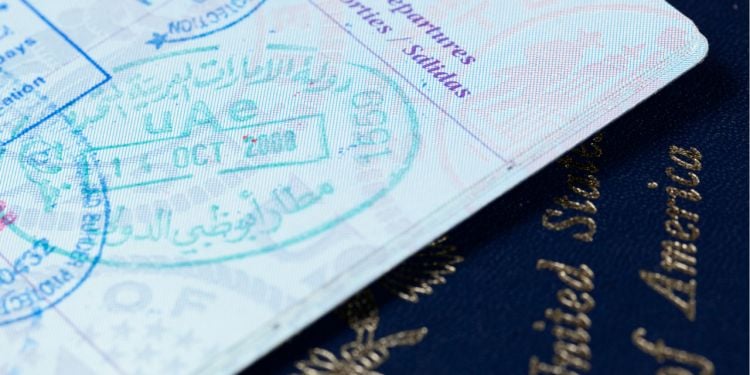
Visas for the United Arab Emirates
The United Arab Emirates is one of the most popular destinations in the world. Over 16 million people visit it every year, and over 9 million expats ...
Traveling to the UAE / Entry requirements
There may be many reasons why you would want to visit or move to the UAE. However, whatever these ...

Getting married in the United Arab Emirates
If you dream of getting married in the United Arab Emirates, Expat.com provides practical ...
Working in the United Arab Emirates
The UAE's job market is highly competitive but offers strong rewards for those who succeed. Professionals working in the UAE can expect tax-free income, excellent career progression, and a chance to work in a global business hub. Many employers provide attractive packages that include housing allowances, health insurance, and annual flights home, making it a financially and professionally fulfilling place to build a career.
In-demand jobs
IT specialists, engineers, healthcare professionals, finance executives, and hospitality managers are among the most sought-after roles.
Tips:
- Network actively by attending professional events and joining industry associations.
- Apply for temporary contracts or internships to gain local experience and build connections.
- Use popular regional job portals like Bayt and NaukriGulf.
Facts & figures
Unemployment rate | 2.1% |
Youth unemployment rate (15 - 24) | 6.4% |
Average monthly salary | AED 20,000 |
Data correct as of October 2025
Sources: World Bank - total labor force, World Bank - youth unemployment, Remote People
Useful links:
🔍To learn more
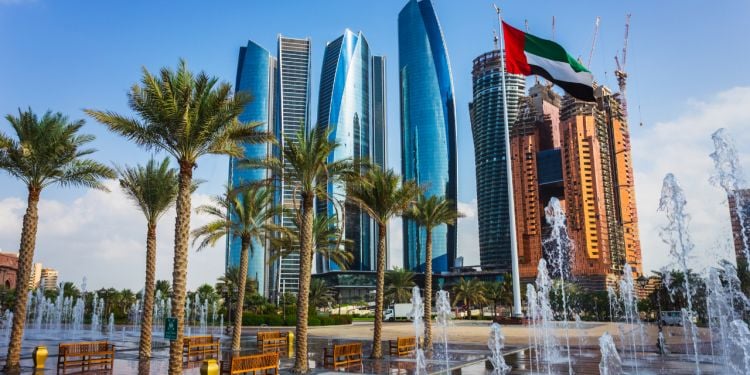
Working in the United Arab Emirates
The United Arab Emirates (UAE) is not only a popular destination for visitors around the world but ...

Starting a business in the United Arab Emirates
There are several advantages to starting a business in the United Arab Emirates. According to the ...

Internships in the United Arab Emirates
If you are not ready to make a long-term professional commitment to the UAE, an internship can be a ...
Studying in the United Arab Emirates
The UAE is a major destination for students and expat families seeking high-quality education. Its universities and international schools combine world-class facilities with globally recognized programs. From cutting-edge research at NYU Abu Dhabi to the French curriculum at Sorbonne Abu Dhabi, the country offers diverse learning opportunities. Many schools follow British, American, Indian or IB curricula, with tuition varying from AED 40,000 to AED 100,000 per year.
To study in the United Arab Emirates, you typically need to apply directly to the school or university, provide your academic transcripts, proof of English proficiency (or other required language tests), and demonstrate sufficient financial resources. Accepted students will then receive an official offer letter, which you will need to apply for a student visa.
Tips:
- Submit proof of acceptance, financial resources, and health insurance early to secure approval.
- Connect with current students or expat groups to get insider advice on schools and neighborhoods.
- Research scholarship opportunities. Many universities, including international branch campuses, offer academic scholarships or financial aid to help offset the relatively high cost of tuition.
Sources:
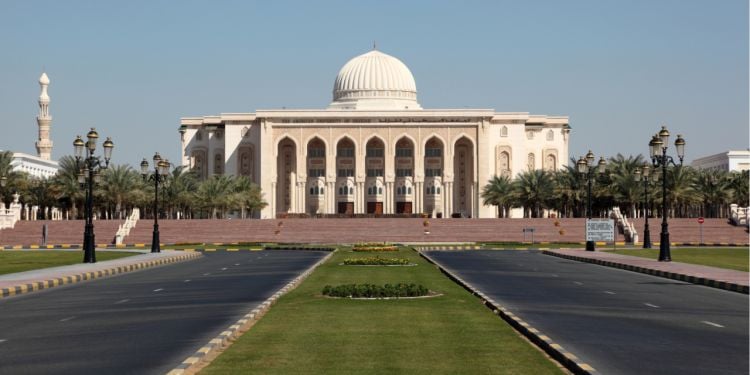
Study in the United Arab Emirates
The United Arab Emirates is a choice destination for international students planning to study abroad. The country is home to numerous schools and ...
Retiring in the United Arab Emirates
The UAE has become an attractive retirement option for those who want year-round sunshine, modern comforts, and a safe, well-connected base. Retirees from the UK, Europe, North America, and across Asia are drawn to its tax-free income system, first-rate healthcare, and cosmopolitan lifestyle. From the seaside calm of Ras Al Khaimah to Dubai’s lively waterfront communities and Abu Dhabi’s cultural districts, the UAE offers a mix of relaxation and sophistication in a secure, international environment.
Major advantages
Residency options: The UAE offers a renewable five-year retirement visa for residents over 55 who meet specific financial requirements.
Tax benefits: No income tax or capital gains tax on your pension or investments.
Quality of life: Modern infrastructure, low crime rates, and access to world-class leisure, healthcare, and dining.
Important
- To qualify for the retirement visa, you must be at least 55 and meet one of the following: own property worth at least AED 1 million, have savings of AED 1 million, or show a monthly income of at least AED 20,000.
- Health insurance is mandatory. Private healthcare is excellent but can be costly without coverage.
- The climate is very hot from May to September, so plan travel or indoor activities during summer months.
Sources:
Finance and banks in the United Arab Emirates
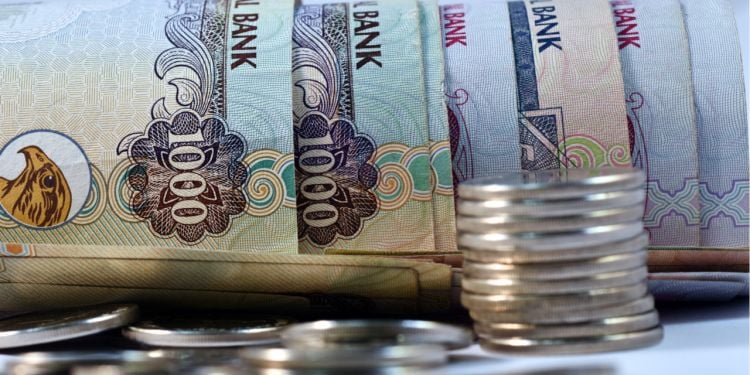
Banking in the UAE is modern, highly regulated, and considered very secure. Both international and local banks operate across the country, offering a wide range of services for expats, including multi-currency accounts, digital banking and investment options. Opening a bank account in the United Arab Emirates is straightforward once you have the necessary documentation, including a valid passport, residency visa and proof of address. Many banks also provide specialized services for expats, such as assistance with salary transfers, credit cards and online money management.
Tips:
- Compare account fees, transfer charges, and credit card options to choose the most cost-effective solution for your needs.
- Use online and mobile banking tools to manage your finances efficiently and track international payments in real time.
- Consult a tax professional to understand obligations in your home country.
- Keep digital and physical copies of all banking documents for easy access when applying for loans, visas, or other financial services.
🔍To learn more

Healthcare in the United Arab Emirates
Healthcare in the UAE encompasses public facilities and advanced private hospitals. The quality of care is high, with modern infrastructure, specialized doctors, and English-speaking staff widely available. Health insurance is mandatory for all residents, ensuring coverage for emergencies, routine care and specialist consultations. Expats have access to a wide choice of clinics, hospitals, and wellness facilities, making preventive and emergency care highly accessible.
What you need to know:
- In emergencies, dial 998. Non-urgent care can be accessed via clinics and family doctors.
- Some treatments require upfront payment; insurance reimburses costs according to the plan you may have.
- The healthcare system is highly modern, with state-of-the-art equipment and specialists in most fields.
Sources:
🔍To learn more

Healthcare in the United Arab Emirates
The UAE has high-quality healthcare available to both locals and expats via hospitals, clinics, and ...

Accidents and emergencies in the United Arab Emirates
The UAE is a generally safe country to travel to and live in. It has a very low crime rate, and ...

Pregnancy in the UAE
If you decide to start a family in the UAE, you will probably be pleased to know that the country ...
Education and schools in the United Arab Emirates
Finding the right school is often one of the first things families think about when moving to the UAE. The country has a wide range of education options, from public schools to world-class private and international institutions. Public schools are generally free for Emirati citizens and follow a national curriculum taught mainly in Arabic, with English as a second language. Expat families usually choose private or international schools, which offer a mix of British, American, IB, or other global programs.
Admission requirements vary, but most schools will ask for your child’s passport, residence visa, previous school reports, and a transfer certificate. Waiting lists can be long, especially at popular international schools, so early applications are strongly recommended.
Tips:
- Visit schools in person if possible—facilities and teaching styles can vary widely.
- Ask about KHDA (Dubai) or ADEK (Abu Dhabi) ratings to compare school performance.
- Check transport options; some schools provide buses, but routes may be limited.
Sources:
Accommodation in the United Arab Emirates
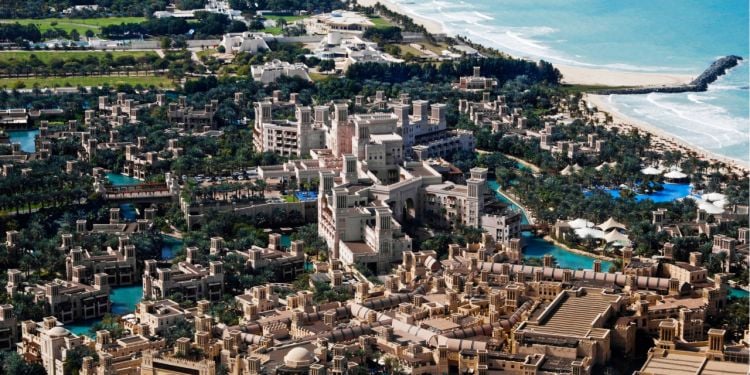
The UAE's housing market is diverse, offering everything from luxury apartments in Dubai Marina to suburban villas in Abu Dhabi and quiet residential communities in Ras Al Khaimah and Fujairah. Rental contracts are usually one year in length, with security deposits typically equating to one months' rent. Utilities, maintenance fees and amenities vary by location and property type. Choosing the right property involves balancing cost, convenience, and lifestyle needs, and working with licensed real estate agents helps ensure a smooth process.
Foreign nationals can purchase property in designated freehold areas, where full ownership is permitted. A property investment above a certain threshold may also grant eligibility for a renewable residence visa.
Tips:
- Use licensed real estate agents to ensure legal contracts.
- Check for additional costs like utilities and community fees.
- Inspect properties carefully before signing contracts.
- Compare multiple properties to find the best balance of location, price, and amenities.
- Read your rental contract thoroughly and clarify any clauses before signing.
- Confirm the availability and condition of facilities such as parking, pools and gyms.
Sources:
Accommodation in the United Arab Emirates
If you are moving to the United Arab Emirates, you will need to find accommodation. Many expatriates are relocating to the UAE, and there are various ...
Planning your move to the United Arab Emirates
Relocating to the UAE requires careful planning to navigate visas, housing, shipping, and local regulations. Early preparation ensures you have time to handle paperwork, find accommodation, and organize transport. Working with experienced international movers, creating a detailed inventory, and understanding customs regulations will simplify your move. With proper planning, you can settle in quickly and focus on building your new life.
Tips:
- Start planning at least six to 12 months ahead to allow sufficient time for visa applications, housing arrangements, and shipping logistics.
- Before leaving your home country, you must get key documents—such as educational certificates (for employment) and marriage/birth certificates (for family visas)—officially attested/legalized. This multi-step process is mandatory for them to be legally recognized in the UAE.
- Choose reputable international movers who have experience with UAE regulations and can guide you through customs clearance.
- Keep a detailed inventory of all your possessions, including photographs and descriptions, and ensure all documents are ready for customs inspections.
- Research customs rules and import restrictions in the UAE to avoid delays or additional charges at the border.
- Arrange temporary accommodation before arrival to give yourself time to find a permanent home without rushing. Be prepared for essential post-arrival government processes, including the mandatory health screening for your residency visa and application for your Emirates ID.
- Notify utility companies, banks, and service providers in your home country about your move to ensure a smooth transition.
- Prepare an essentials box with important documents, clothing, and personal items to access immediately upon arrival.
Source:
FIDI - International Federation of International Movers
🔍To learn more


Leisure in the United Arab Emirates
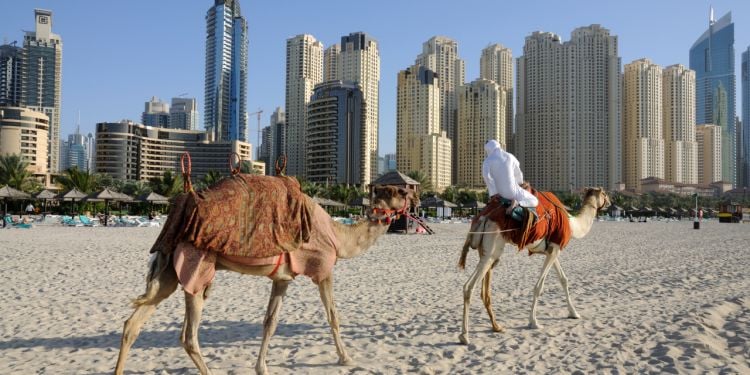
There are plenty of things to see and do in the United Arab Emirates, from thrilling outdoor adventures to world-class cultural and entertainment experiences. Outdoor enthusiasts can go on desert safaris, try dune bashing, or ride camels, while those who prefer water can enjoy kayaking, paddleboarding, and sailing along the Arabian Gulf. For adventure seekers, there are the Hajar Mountains for hiking and rock climbing, or the pristine beaches in Dubai, Abu Dhabi, and Ras Al Khaimah for relaxation.
Art, history, and entertainment are all within easy reach. World-class museums like the Louvre Abu Dhabi showcase both international and local art, while heritage sites such as Al Fahidi Fort in Dubai offer a glimpse into the country’s past. For performing arts, venues like Dubai Opera host theatre, concerts, and live shows throughout the year. The UAE’s vibrant café culture and diverse dining scene also provide excellent opportunities to socialize, connect with new people, and experience the country’s multicultural lifestyle up close.
Source:
Things to see and to do in the United Arab Emirates
If you are moving to the United Arab Emirates, you can rest assured that there are various leisure activities you can enjoy. These may vary depending ...
Everyday life in the United Arab Emirates
Life in the UAE moves at a fast pace in the cities while still reflecting the rhythms and traditions of Emirati society. Daily routines often revolve around work, family, and community, but there is a strong emphasis on balance, with leisure and socializing playing an important role. Expats quickly adapt to the fast-paced city life in Dubai or Abu Dhabi while also appreciating quieter moments in suburban neighborhoods or coastal towns. English is widely spoken, but learning basic Arabic greetings and expressions is valued and helps build connections with residents.
The UAE is known for being extremely safe, with very low crime rates, and public spaces are clean, well-maintained, and closely monitored. Traffic and transportation are generally reliable, with metro systems, buses, and taxis providing easy mobility in major cities. Expats are encouraged to respect local customs, particularly regarding dress codes, public behavior, and religious observances, which helps ensure a smooth integration into daily life.
Local habits & customs:
Greetings: A handshake is standard in professional settings, and a nod or verbal greeting is common in informal interactions. Close friends and family may exchange cheek kisses, but this is less common than in European cultures. It's important for men to generally wait for an Emirati woman to initiate a handshake; otherwise, a verbal greeting or nod is best. Cheek kisses (usually 3 or 5, nose-to-nose or cheek-to-cheek) are common between men, and between women, particularly close family and friends.
Dining: Meals are often social occasions, though not typically as long as in Europe. Sharing food is appreciated, and offering guests dates or coffee is a traditional sign of hospitality.
Formality: Using titles like "Mr." or "Mrs." is expected in business and formal contexts, and modest attire is required in many public and professional spaces.
🔍To learn more

Getting around the United Arab Emirates
Traveling through the United Arab Emirates is possible through various modes of transportation. You can travel by plane, train, boat, bus or car. The ...

Internet in the United Arab Emirates
According to the Global Media Insight report, in 2023, 10.07 million out of the UAE's ...

Phones in the United Arab Emirates
If you are moving to the United Arab Emirates, you might be wondering how to keep in touch with ...
Cost of living in the United Arab Emirates
The cost of living varies by emirate, lifestyle, and family size. While Dubai and Abu Dhabi can be expensive, other emirates offer more affordable options without compromising on quality of life. Expenses include rent, utilities, groceries, transport, and leisure, and careful budgeting helps ensure a comfortable lifestyle. Expat families benefit from tax-free salaries, which can offset some higher living costs. Here is a general breakdown of average monthly expenses for two different household types to help you manage your budget.
Monthly expenses
Category | Single expat (per month) | Family of four (per month) |
Average total expenses (excluding rent) | 3,659 AED | 12,909 AED |
Rent in city centers | 2,800 AED to 12,090 AED | 6,000 AED to 25,000 AED |
Rent outside of city centers | 2,300 AED to 7,500 AED | 5,000 AED to 17,000 AED |
Utilities | 300 AED to 600 AED | 700 AED to 1,200 AED |
Groceries | 200 ED to 500 AED | 1,000 AED to 2,500 AED |
Transport | 600 AED to 1,500 AED | 2,500 AED to 5,000 AED |
Data correct as of 2025
The essentials to remember
Life in the UAE is shaped by contrasts — tradition and innovation, desert and sea, work and leisure. Success here isn't just about getting the right visa or finding a good job; it's about adapting to a new rhythm. Take time to understand local customs, show respect for Islamic traditions, and build relationships across the multicultural expat community. Embrace the UAE's energy and openness, and you'll find it's not just a place to live, but a place to thrive.
For more detailed guidance, explore our articles on living in the UAE, covering topics like the job market, visa applications, and finding the right accommodation. You can also join our UAE forum, where members are happy to share their experiences and answer any questions you might have. It's a great way to connect with the community and get practical advice from people who have already made the move.
We do our best to provide accurate and up to date information. However, if you have noticed any inaccuracies in this content, please contact us.


News & testimonies

Retaining foreign talent: The new challenge for the United Arab Emirates
Attracting top talent from around the world is no longer enough. The United Arab Emirates (UAE) has learned that to stay ahead and keep its global edge, it needs to do more than lure professionals with high salaries and career prospects. The real test now lies in getting them to stay. Retaining talent means offering something more profound—a sense of purpose, recognition, and belonging. That's the new challenge shaping the UAE's future.

UAE unveils new visas for AI experts, tourism, and events
The UAE is doubling down on its ambition to draw the world's best talent. A new wave of visa reforms aims to create a more flexible labor market and easier access for skilled professionals. With these measures, the Emirates are strengthening their position as a crossroads for trade, innovation, and opportunity.

Why now is the best time to rent or invest in Dubai
Now is the time to invest in Dubai real estate. On the one hand, new housing projects keep springing up. On the other hand, tenants and buyers are becoming fewer and harder to find. This slowdown in demand works in their favor, forcing landlords to roll out generous incentives.

Dubai introduces new mandatory medical tests for visa applications
Since the end of July, Dubai has made new medical tests a requirement for obtaining a visa, whether it's a first application or a renewal. These examinations apply to foreign adults moving to Dubai for work, as well as those already living there.
Essential services for your expat journey