

 Guide updated by Vincent Dall Aglio on 28 October 2025
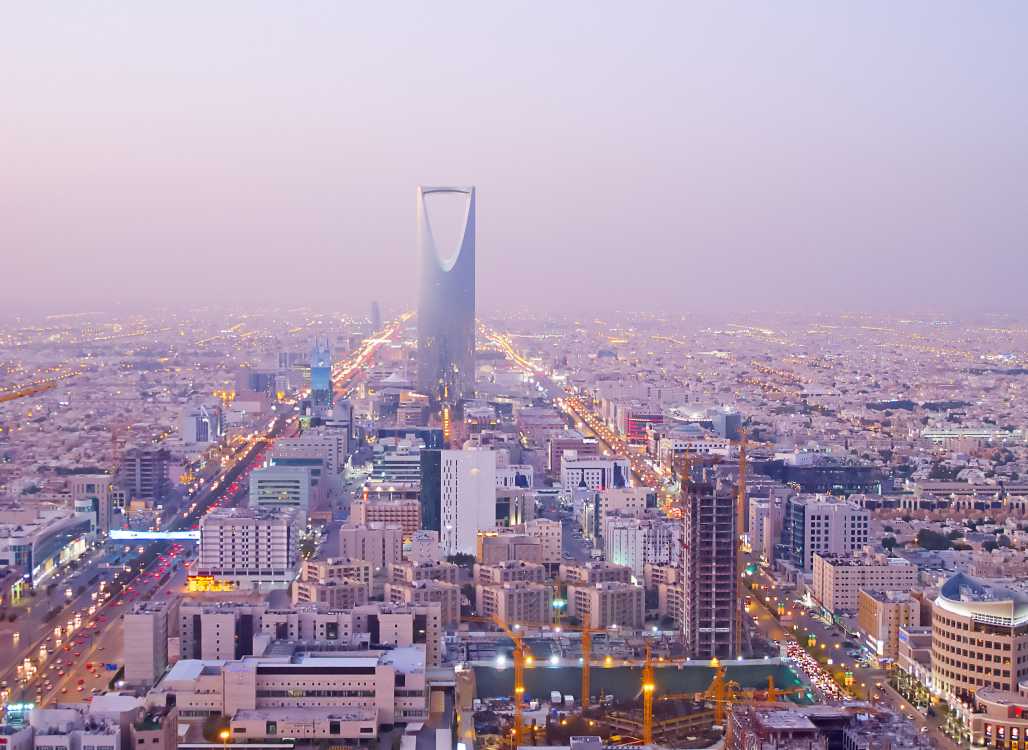
Saudi Arabia offers attractive job opportunities for expats, as well as a tax-free salary environment and a unique cultural experience. The Kingdom is the largest country in the Arabian Peninsula. It has a rapidly growing economy, driven by both oil wealth and diversification reforms under Vision 2030, which aims to diversify the country’s economy and reduce dependence on oil. However, if you are planning to move to Saudi Arabia, you will need to adjust to a more conservative way of life and get used to administrative processes that differ from those in other countries.
Saudi Arabia has one of the strongest economies in the Middle East. The country is also home to one of the world’s largest expatriate communities, with foreigners making up more than 40% of the population. This means newcomers have access to already established expat networks and multicultural communities. A major drawcard for expats is the absence of personal income tax on salaries, allowing professionals to save more than in many other destinations abroad. The country's major cities boast modern infrastructure, featuring extensive new housing, schools, healthcare facilities, and transport links. Ongoing diversification efforts are also opening up opportunities across the country in tourism, technology, healthcare, and renewable energy, alongside the traditional oil sector. And the government is creating a more stable legal environment for investment and business, with greater allowances for foreign ownership than ever before.
5 good reasons to move to Saudi Arabia
- Strong economic growth and diversification: the government is pushing Vision 2030 to reduce dependence on oil and grow tourism, entertainment, technology, and renewables. Non-oil sectors have been showing solid growth.
- Large expat population and diverse communities: sizable foreign communities make many cities culturally diverse, with established support networks for newcomers.
- Tax advantages: Saudi Arabia has no personal income tax on salaries for most expats, which can significantly increase take-home pay. (Other taxes and social contributions may apply depending on visa type and employment.)
- Modern infrastructure and amenities: major cities have good transport, shopping, healthcare, schools, and entertainment options aimed at expats.
- Stable legal framework for foreign investment: foreign ownership is allowed in many sectors, and laws are improving to facilitate starting businesses.
The Expat.com guide has been designed to help you prepare for your new life in Saudi Arabia, with all the essential information on visas, employment, housing, healthcare, and the cost of living.
Your setup journey
Guide in 13 steps. Click any step below to jump directly to the section you need.
01Where to live in Saudi Arabia
Where you choose to live in Saudi Arabia will strongly influence your expat experience. Housing options across the country range from high-end compounds with international facilities and more Western-style living to city apartments and suburban villas. Costs are higher in central districts, while suburban areas are more affordable but may be less convenient in terms of commuting to work. The climate also varies across the country: coastal cities are humid, while Riyadh and the central regions are drier and hotter.
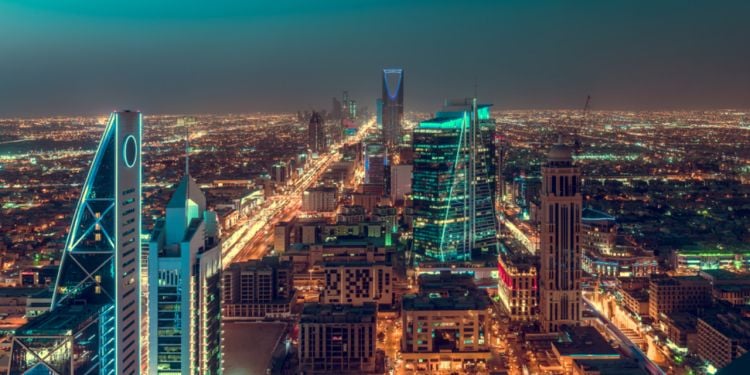
- Riyadh, the capital, is the political and business hub, attracting professionals in finance, government, and technology.
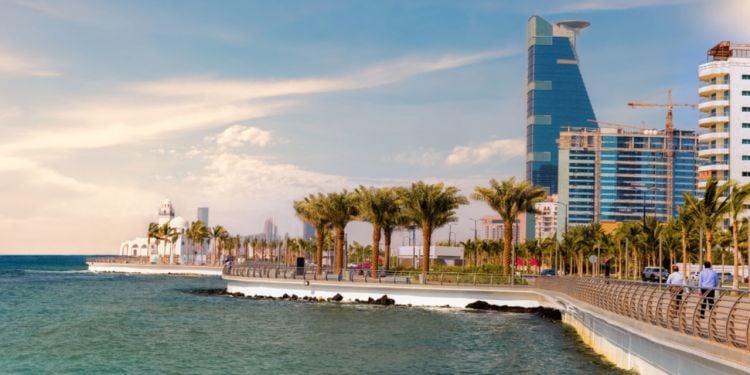
- Jeddah, the country's second-largest city, is a major port on the Red Sea and the gateway to the holy cities of Mecca and Medina.
- Dammam and the Eastern Province are closely tied to the oil industry and host a large number of foreign workers, making it one of the most expatriate-heavy regions in the country.
02Formalities and visas in Saudi Arabia
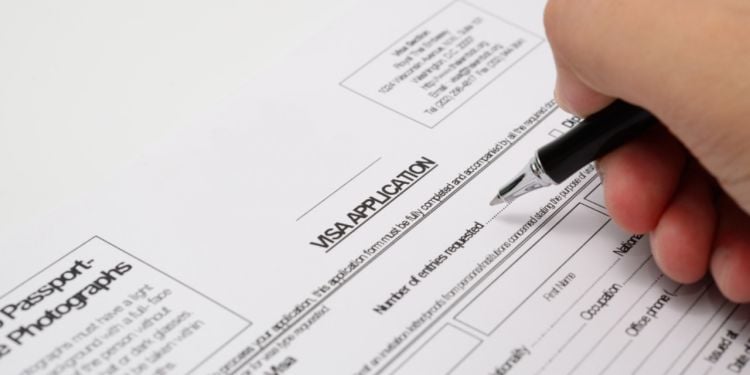
To live or work in Saudi Arabia, you must have the correct visa and residency permit. The type you need depends on your purpose: work, business, study, family, or tourism. Work visas are usually arranged by your employer, who also helps secure an Iqama, the residency permit required for renting housing, opening a bank account, accessing healthcare, and registering with local services.
Applications generally require:
- Valid passport
- Employment contract
- Medical test results
- Health insurance
Family members can join on a dependent visa, and relatives can obtain short-term visitor visas. Saudi Arabia also offers an online tourist e-visa for citizens of eligible countries, valid for one year with multiple entries. Bureaucracy in Saudi Arabia is improving, but it can still be complex, so preparing documents in advance and working closely with your sponsor is essential.





03Working in Saudi Arabia
Saudi Arabia is actively diversifying its economy under Vision 2030, creating a strong demand for international expertise. Sectors currently hiring include IT, healthcare, construction, energy, finance, education, and the fast-growing tourism and entertainment industries.
Salaries are often competitive, and the absence of personal income tax allows expatriates to maximize their savings. Expats with specialist skills in these sought-after fields can find opportunities through both local employers and international recruitment networks.
Professional environments in the Kingdom are often hierarchical, with decision-making concentrated at higher levels of management. Business etiquette requires formality, punctuality, and respect for local customs. Networking is highly valued, and building strong professional relationships takes time and patience.
And Saudi Arabia’s business climate is increasingly open to foreign investors. Significant reforms have simplified the process of launching and operating a company, making it easier for expats to set up a business.
Key employment facts and figures
Private sector workforce (January 2024): | Expats account for about 79% of private sector jobs |
Unemployment rate (Q1, 2025): | 2.8% for Saudis and non-Saudis |
Most in-demand jobs: | Cybersecurity expert, financial analyst, auditor, mechanical engineer, doctor, hotel manager, teacher. |
Ease of starting a business: | Ranked among the top reformers globally |
Data correct as of October 2025
Sources: National Labor Observatory, General Authority for Statistics.



04Accommodation in Saudi Arabia
Expats in Saudi Arabia typically live in apartments or gated compounds, especially in major cities, offering a secure, familiar environment with amenities such as gyms, pools, and, in some cases, international schools. Villas are also available but are usually more expensive.
Renting is straightforward, with most leases lasting a year and requiring a security deposit, though prices are higher in city centers and more reasonable in suburban areas. Many employers provide a housing allowance or direct accommodation, so it's vital to confirm what's included in your contract. Expats can buy property, but ownership is restricted to certain areas and requires government or local authority approval, making renting the more straightforward and more common choice.

Join the discussion on the forum
05Cost of living in Saudi Arabia
Expats living in Saudi Arabia can expect a moderate to high cost of living, depending on lifestyle and location. Housing in major cities, especially in expat compounds, is the most significant expense. Imported goods, international schools, and private health care can also be pricey, while local food, utilities, and public transport are generally affordable. Overall, tax-free salaries help offset costs, but careful budgeting is recommended for families and those seeking a Western-standard lifestyle.
Monthly expenses | Single expat | Family of four |
Rent (city center) | 1 bedroom SAR 1,935.66 (USD 520) | 3 bedroom SAR 5,500–7,000 (USD 1,467–USD 1,867) |
Rent (suburbs) | 1 bedroom SAR 1,661.84 (USD 445) | 3 bedroom SAR 4,000–5,500 (USD 1,067–USD 1,467) |
Utilities (electricity, water, gas, Internet) | SAR 384.91 (USD 103) | SAR 1,000–1,500 (USD 267–USD 400) |
Groceries | SAR 1,000 (USD 267) | SAR 3,000–4,500 (USD 800-USD 1,200) |
Transportation (car, fuel, public transport) | SAR 700 (USD 187) | SAR 1,500–2,500 (USD 400–USD 667) |
Dining out and entertainment | SAR 800 (USD 213) | SAR 2,000–3,500 (USD 533–USD 933) |
Source: Numbeo
06Health care in Saudi Arabia
Saudi Arabia has a well-developed health care system that combines public and private services. Expats typically rely on private hospitals and clinics, with health insurance mandatory and usually provided by employers, ensuring smooth and timely access to care. Costs and quality can vary by provider, but private facilities generally offer short waiting times. Public hospitals mainly serve Saudi citizens, though expats can use them for a fee, often with longer waits. Preventive services like vaccinations and health screenings are widely available, especially in major cities.



07Finance and banks in Saudi Arabia
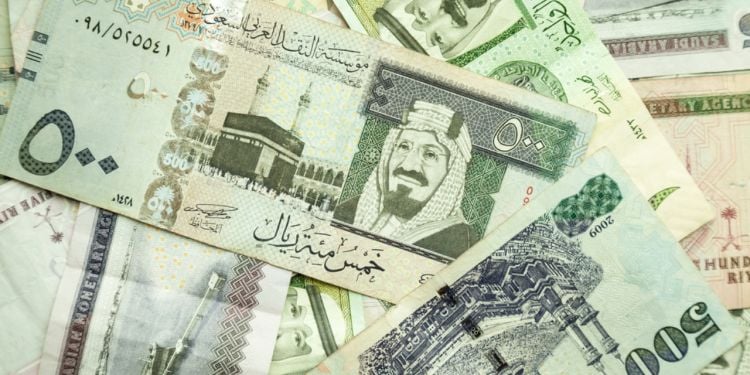
Opening a bank account in Saudi Arabia is relatively straightforward for expats but generally requires being in the country. It's usually not possible to open an account before arrival, though some international banks may offer pre-arrival arrangements for corporate clients. Most banks require a residency permit (Iqama), a passport, and a local address, and may also request a salary certificate or an employment contract. Accounts can usually be opened in local Riyal currency, and many banks offer online banking and debit cards. Saudi Arabia's banking system is well developed, with most major banks offering English-language services, and online banking and ATMs are widely available.
Expats in Saudi Arabia generally don't pay personal income tax on salaries, wages, or other personal earnings. However, expats may be responsible for other taxes, such as:
- Social insurance contributions — for Saudi employees; not typically for expats unless part of a company scheme
- Value Added Tax (VAT) on goods and services, currently set at 15%
- Certain business-related taxes apply to those who operate a company or work as self-employed professionals


Join the discussion on the forum
08Studying in Saudi Arabia
Saudi Arabia is becoming an increasingly popular destination for international students, thanks to its growing higher education system, attractive scholarship programs, and English-language instruction for some courses. The Kingdom offers a range of scholarships for international students, often covering tuition, living expenses, and sometimes travel costs as well.
Around 16,000 international students are enrolled in higher education in the country, mainly from nearby countries such as Pakistan, Yemen, Egypt, and Sudan. Students need a valid student visa, arranged by the host university, and, once in the country, they will receive a residency permit (Iqama), which is renewed annually.
Top universities in Saudi Arabia
- King Saud University – Riyadh
- King Abdulaziz University – Jeddah
- King Fahd University of Petroleum and Minerals – Dhahran
- Prince Sultan University – Riyadh
Discover more

09Education and schools in Saudi Arabia
For expat families, enrolling children in school in Saudi Arabia is straightforward, but international schools are the leading choice. These offer British, American, IB, and Indian curricula, with English as the primary language, and are primarily located in larger cities. Places can be expensive, so early registration is essential. Public schools follow the Saudi national curriculum in Arabic and focus heavily on Islamic studies, making them less popular with expats.
The school year in Saudi Arabia typically starts in late August or early September and finishes from late June, depending on the school. Public and international schools generally follow the same academic calendar, with breaks for summer vacation, Eid al-Fitr, Eid al-Adha, and National Day.
Discover more
10Planning your move to Saudi Arabia
Moving to Saudi Arabia requires careful planning to ensure your relocation is as smooth and stress-free as possible.
Tips for moving to Saudi Arabia:
- Confirm visa type and work/residency permits before arranging travel.
- Research cities and neighborhoods to match lifestyle and family needs.
- Use a relocation company experienced with Saudi customs and shipping regulations.
- Prepare an inventory of your belongings for customs clearance.
- Pack clothing suitable for Saudi Arabia's climate and modesty requirements.
- Check import restrictions for electronics, alcohol, and other regulated items.
- Arrange temporary accommodation if your permanent housing isn't ready.
- Notify banks, insurance providers, and other institutions of your move.
- Keep digital and physical copies of important documents (passport, visa, work contract, medical records).
- Learn local laws and cultural norms to help you settle in smoothly.


Join the discussion on the forum
11Everyday life in Saudi Arabia
For expats, daily life in Saudi Arabia can be both exciting and an adjustment. Many find it easy to settle in expat compounds and major cities, where modern amenities, international schools, and social networks make life comfortable. Outside these areas, cultural norms are more traditional, so some newcomers may experience culture shock, but most adapt quickly with awareness and respect for local customs.
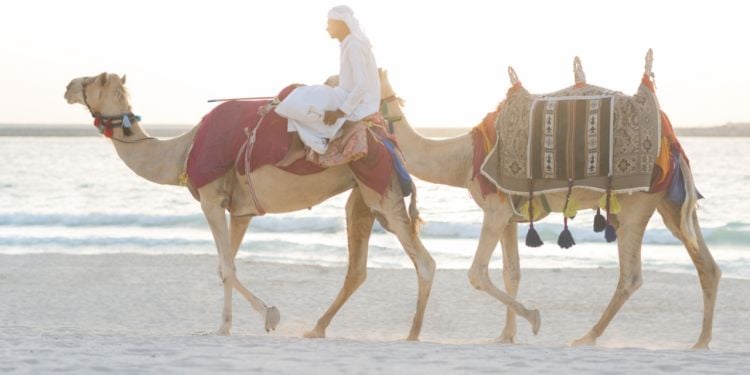
Life in Saudi Arabia combines modern conveniences with traditional values. The Kingdom is generally safe, with low rates of violent crime and strong public security. Daily routines are shaped by prayer times, and schedules change during Ramadan, when working hours are shortened, and eating in public during daylight is restricted. Alcohol is prohibited, and local laws regulate public behavior. Dress codes are conservative, particularly for women, while learning a few Arabic phrases is appreciated and can help with integration.







12Leisure in Saudi Arabia
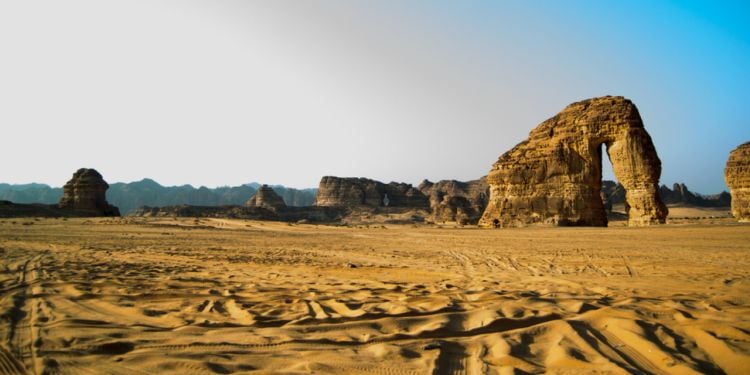
Leisure time for expats in Saudi Arabia has grown more diverse in recent years, particularly in the major cities. Expats can enjoy shopping malls, international restaurants, cinemas, and entertainment complexes, many of which are part of modern urban developments. Outdoor enthusiasts can explore the country's natural beauty, from the Red Sea coast for diving and sailing to desert landscapes for dune bashing, camping, and hiking. Many expat communities also organize social events, sports leagues, and cultural gatherings within compounds, making it easy to build a social network.
13Outro
Life as an expat in Saudi Arabia offers a mix of modern convenience and cultural immersion. Most expats live in apartments or gated compounds, with access to private health care, international schools, and social amenities, while enjoying a tax-free salary. Work opportunities are strongest in sectors like health care, engineering, IT, and finance, with employers often providing housing and health insurance.
Navigating visas, residency permits, and bureaucratic procedures is straightforward when you're prepared, and the growing higher education system welcomes international students with scholarships and English-language programs. While cultural norms are more traditional, major cities provide a comfortable lifestyle, making Saudi Arabia an appealing destination for those seeking career growth and a unique living experience.
Join the Saudi Arabia community
Get regular tips and advice to make the most of your expat life
Essential services for your expat journey







Forum topics on living in Saudi Arabia
Discover forums topics on expat life in Saudi Arabia: join the conversation, ask your questions, get advice and share your experience.
- Premium Residency Saudi - Process to Add Parents
- Faculty Salary at KFUPM
- Unpaid loan now have travel ban and freeze account
- QVP and SCE Process Time
- Travel ban by MOI (Absher) due to unpaid loans
- Dependent fee paid but moi still showing insufficient funds
- What is allied Engineering specialist ?
- Can i go vacation while i have still unpaid loan in tabby ?
- Can i work in Saudi Arabia if I have Cured Syphilis?
- List of Professions which need registration in SCE
- What visa/job title categories don't require a degree certificate?
- Checking ' Yellow Paper '/Istaqdam Visa Status
- Approved-Pending Employee Transfer Completion
- VISA PROCESSING THRU VFS TASHEEL PHILIPPINES
- What is the Salary of Assistant Professor at KFUPM
- Couple in KSA looking to meet new people