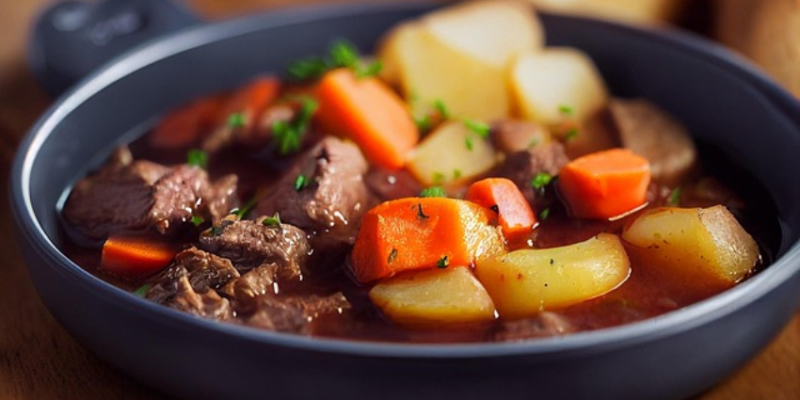
Bern's medieval arcades and sandstone restaurant cellars project a city firmly anchored in tradition, and its food identity is genuinely rooted in German-Swiss cooking: rösti, aged cheese, braised meats, and weekly farmers' markets that locals treat as a living institution. What surprises most newly arrived expats, however, is not the cuisine but the rhythm. Restaurant kitchens in Bern close between 14:00 and 18:00 without exception, dinner service wraps by 22:00, and the most practical way to eat a full cooked meal on a regular budget is the weekday set lunch at CHF 18-25 (USD 22-31) rather than an evening out. Alongside this structured daily pattern sits a genuine craft beer scene, a city-backed sustainability charter reshaping restaurant menus, and an international food offer broader than the traditional image suggests.
German-speaking Switzerland has a distinct culinary character, and Bern sits squarely within it: rösti, braised meats, aged cheeses, and seasonal produce from the surrounding Bernse highlands form the bedrock of the local table. Contemporary restaurants have layered international, vegan, and sustainability-oriented cooking over this base, so the city's dining scene is considerably broader than a first glance at the Old Town sandstone cellars might suggest. Neighboring German, French, and northern Italian culinary traditions all leave traces on menus, particularly as you move away from the tourist-facing restaurants toward neighborhood spots.
One adjustment that catches many newcomers off guard is the strict structure of mealtimes. Lunch service runs from approximately 11:00 to 14:00, and dinner service from 18:00 to 22:00. Kitchens close between these windows; a visitor walking into a central restaurant at 15:30 expecting a cooked meal will, in most cases, find nothing available. Expats arriving from cities where restaurants serve all day will need to plan their eating around these slots from the start. A few cafés in the center, such as the bistrobar at Casino Bern, open for breakfast from 09:00, but they are no substitute for full kitchen service.
Café culture runs parallel to restaurant dining as a distinct daily institution. Bern's central cafés cluster along the Old Town arcade streets (known as Lauben), in riverside parks along the Aare, and around the pedestrian zones near Bärenplatz. They serve coffee, pastries, and light meals throughout the day and function as informal meeting points between meal services. Weekend brunch is a well-established format, with Sunday events typically running from 09:00 to 13:30.
The city frames its weekly markets as a living part of Bernse identity rather than a tourist attraction. Markets run on Tuesday and Saturday mornings in the city center, and the City of Bern's market program covers multiple squares and streets. Beyond the markets, a newer layer of the food scene is taking shape around sustainability: the city launched the Gastro Charta, a voluntary pledge for restaurants developed with the city's environmental service, the Ernährungforum Bern, and GastroStadtBern. Participating restaurants commit to local and organic Bernse produce, reduced food waste, and plant-forward menus. The initiative is voluntary but has enough traction to be worth knowing about when choosing where to eat regularly.
Bern's single most distinctive food event is the Zibelemärit (onion market), held on the fourth Monday in November across the Old Town and surrounding market streets. Signature foods include Zibelechueche (onion tart), onion soup, onion pizza, and sausages with onions, sold from stalls alongside braided onion garlands. It draws visitors from across Switzerland and is one of the country's largest traditional markets; if you arrive in Bern in autumn, plan around it.
Autumn also brings seasonal game to restaurant menus across the Old Town. From September through November, mid-range and traditional restaurants feature venison stew, venison entrecôte, pumpkin soups, and regional accompaniments. These are standard autumn menu fixtures in Old Town inns and brasseries, not specialty-restaurant exclusives, so you will encounter them easily without seeking out a specialist venue.
Bern positions itself as Switzerland's beer capital, and the craft brewery scene gives some weight to that claim. Guided brewery and beer-bar tours run through the city, with tastings organized in the Breitenrain neighborhood and around the railway station. Alcohol-free participation is available on guided tastings if you ask when booking. Beer festivals add to this calendar, and the beer identity genuinely shapes social life in the city rather than existing purely as marketing.
The farmers' markets show local food culture most clearly day to day. The Tuesday and Saturday morning markets at Bundesplatz, Bärenplatz, Münstergasse, Gurtengasse, and Schauplatzgasse run from 08:00 to 12:30 and cover fresh vegetables, fruit, cheeses, meat, baked goods, flowers, and regional specialties. Münstergasse, historically the city's meat market, now operates as a gourmet market with fish, cheese, syrups, and regional products. The arcaded Schauplatzgasse stalls are particularly useful when it rains. Bärenplatz also runs daily from April through October and during December, from 08:00 to 18:00 on weekdays. In warmer months, gelato is a popular stop in the city; the Markthalle Bern food hall, which houses restaurants and bars spanning several cuisines across two floors, includes a gelato offer alongside its broader casual-dining options.
Join the Bern community
Get regular tips and advice to make the most of your expat life
Types of dining in Bern
The backbone of central Bern's restaurant scene is the traditional Swiss and Bernse establishment: a sandstone cellar, heavy wooden furniture, and a menu built around seasonal meat, cheese, and rösti. Alongside these historic venues sit brasseries, bistros, and mid-range international restaurants. Fine dining exists in moderate numbers, covering tasting-menu formats and high-end venues with French, Mediterranean, and nouvelle cuisine influences; the scene is real but smaller than in Zurich or Geneva, and advance booking is more reliably essential here than in larger cities.
The Swiss Beiz, a traditional inn or neighborhood tavern with a full food menu, is a category of its own. It functions somewhere between a restaurant and a neighborhood gathering point, with an atmosphere that tends toward the quiet and family-oriented rather than the rowdy. The emphasis is on eating as much as drinking, and a Beiz is a good option for a midweek dinner without the formality of a sit-down restaurant reservation.
Cafés and bakeries occupy the gap in the day when restaurant kitchens are closed. They stay open between the lunch and dinner services, serve coffee and pastries throughout, and increasingly double as informal working spaces. They are a practical fallback if you arrive somewhere hungry at 15:00.
For casual variety without committing to a single cuisine, Markthalle Bern is the most practical option in the city center. Its two floors bring together restaurants, bars, and food stalls covering cuisines from several continents under one covered roof. Walk-in access and no fixed menu make it flexible for groups with different preferences. Street food from trucks and takeaway spots (burritos, burgers, kebab, Mexican) is a growing presence in Bern.
Neighborhoods for food in Bern
The Old Town (Altstadt) and the adjacent city center concentrate most of Bern's visible dining options: historic restaurants in vaulted sandstone cellars, brasseries, wine bars, and cafés are all within easy walking distance of each other. Notable venues here include Kornhauskeller, Klötzlikeller, and Restaurant Lötschberg. Prices run mid-range to upscale, and this is where most newly arrived expats gravitate first. The practical advantage of this area that becomes apparent quickly: the arcade streets, the Lauben, mean you can browse market stalls and step into cafés in any weather, which matters in autumn and winter.
Directly below the Old Town, the riverside quarter of Matte offers a more local and atmospheric dining experience. Independent restaurants and a quieter pace distinguish it from the busier tourist-facing streets above. It is worth exploring once you are settled and want something less central.
For craft beer, Breitenrain is the neighborhood to know. A guided beer tour covers stops including Bivo, Barbière, vis-à-vis, and Viktor, and the area has a relaxed neighborhood atmosphere that makes it a different kind of evening out from the Old Town. Breitenrain also has its own food market at Breitenrainplatz on Thursday and Saturday mornings.
Lorraine is the most budget-friendly option among Bern's neighborhoods, with pub-style restaurants and local cafés at more affordable prices than Old Town equivalents. Further out to the west, Büumpliz has municipal restaurant locations and everyday food options for residents living beyond the center.
The railway station area is useful on arrival days and for quick meals. The Coop at Bern station is one of the most reliable food access points in the city, open Monday through Saturday from 05:30 to 21:00 and Sunday from 07:00 to 21:00, making it practical when most other supermarkets are closed. Westside, Bern's western shopping center, concentrates several international food and grocery options, including Asian groceries and Turkish cuisine, and is reachable by tram from the center.
International cuisine in Bern
Italian cuisine is well represented across price points. Trattoria Sempre serves cicchetti, polpette, and pizzette in a sharing-table format. Ristorante Lorenzini offers traditional Tuscan cooking and Italian wines in the center. For a quick Italian street-food stop, Arancino and Co. at Welle 7, Schanzenstrasse 5, sells arancini, focaccia, calzoni, antipasti, and Italian desserts.
For Turkish food, Little Istanbul at Westside serves kebabs, döner, lahmacun, pide, börek, salads, baklava, and künefe. Reaching it requires a tram ride from the center, but the offer is comprehensive once you arrive.
International fine dining is anchored by mille sens – les goûts du monde at Spitalgasse 38, which holds a two-fork Michelin distinction and positions itself around international and seasonal cuisine. Additional upscale venues in the city span French classics, Mediterranean specialties, and nouvelle cuisine influences.
Halal Lebanese cuisine is available at Mont Liban Breitenrain, which describes its menu as vegetarian, vegan, and halal. The restaurant is in Breitenrain, Bern's craft-beer neighborhood, and its positioning makes it a practical combined destination. A growing international-fusion offer includes MYLE Cuisine Voyage, listed among Bern Welcome's emerging international venues.
For Asian cooking ingredients at home, two options cover the main ground. The Tang Thai Store inside LOEB Lebensmittel at Schauplatzgasse 39 stocks Thai specialties, spices, sauces, Thai mangoes, frozen seafood, fresh fish, and herbs including Thai basil. ASIA Shoppy at Westside carries a broader East and Southeast Asian range from Thailand, Vietnam, China, and Japan, including curry pastes, soy sauce, coconut milk, noodles, rice, exotic fruit, and cooking equipment. The LOEB location in the station-to-Old-Town corridor at Schauplatzgasse is the most practical for central Bern; Westside's ASIA Shoppy is the fuller option for specialist stock. For South Asian specialist groceries or a wider halal ingredient range, online grocery delivery or traveling to larger agglomeration supermarkets outside the center gives more options than what is currently available in the city itself.
Grocery shopping in Bern
Migros and Coop are the two dominant supermarket chains with the widest presence across Bern. Both offer mid-range pricing and a full grocery range. Migros has expanded its city footprint, adding a quick-consumption outlet at Bubenbergplatz and reopening the Migros Christoffel in the underpass nearby. Coop City Bern Ryfflihof at Aarbergergasse 53 operates in a food-and-department-store format with a restaurant, self-checkout, and mobile payment via TWINT. The larger Coop Wankdorf Center adds staffed cheese, meat, and fish counters, its own bakery, and a specialist cheese section for a wider fresh-produce offer.
One practical difference between the two that surprises many newcomers: Migros does not sell alcohol. If your weekly shop includes wine or beer, you need Coop, Lidl, Denner, or a specialist wine shop. It is not a minor detail; it changes how you organize your shopping once you know it.
For budget shopping, Lidl has four city branches at Schlossstrasse 115b, Weiermattstrasse 40, Freiburgstrasse 170, and Spitalgasse 47-51. The Spitalgasse branch is open daily from 06:00 to 22:00, including Sundays, making it one of the few reliable options when everything else is closed. Denner has a central branch at Marktgasse 44, open on weekdays and Saturday but closed on Sunday. The Aldi SUISSE branch at Kornhausplatz 7 has closed; check the current Aldi branch listing before planning your central Bern shopping around it.
The weekly outdoor markets complement supermarket shopping with fresh produce at competitive prices. The main Tuesday and Saturday morning markets at Bärenplatz, Bundesplatz, Münstergasse, and surrounding streets run from 08:00 to 12:30. Neighborhood markets extend the network: Breitenrain (Thursday and Saturday), Länggasse and Mittelstrasse (Tuesday and Saturday), Büumpliz (Friday), and mid-week food stands at Eigerplatz and Holligerplatz. All markets close on public holidays, so check the calendar before planning a trip specifically around one.
Both main chains offer online grocery delivery. Coop's online service requires a minimum order of CHF 99.90 (USD 123). To receive afternoon delivery on a given day, the order cutoff is 22:30 the previous evening; for evening delivery, the cutoff is 09:30 the same morning. Same-day delivery carries an additional CHF 5 (USD 6) charge where available. Migros Online operates on an order-today-delivered-tomorrow basis with a CHF 99.00 (USD 122) minimum. A realistic monthly grocery budget for one person shopping primarily at Migros or Coop is CHF 400-500 (USD 494-617); switching staples to Lidl or Denner and buying fresh produce at the markets brings this down meaningfully.
Eating out costs in Bern
Bern is an expensive city for eating out, and calibrating expectations early prevents financial surprises. The most cost-effective way to eat a full cooked meal regularly is the Tagesmenü (weekday set lunch), which costs CHF 18-25 (USD 22-31) at a standard restaurant. This is the format locals use most for weekday lunches, and it delivers a two-course meal for roughly half the price of an equivalent evening order.
A single main course at an inexpensive restaurant runs around CHF 24 (USD 30). A market snack or street food bite, such as a filled roll or grilled sausage from a stall, costs around CHF 15 (USD 19); this is the entry-level price for a quick lunch in the city. At the other end of the scale, a mid-range dinner for two, including drinks, comes to about CHF 87 (USD 108). Upscale tasting-menu or fine-dining meals range from CHF 80 to CHF 150 (USD 99-185) per person.
Drinks add up: a coffee costs around CHF 4.50 (USD 5.60), and a beer at a bar or restaurant is approximately CHF 5.50 (USD 6.83). Both prices are standard for a Swiss city and are worth factoring into a daily budget if café stops are part of your routine.
Service charge is included in Swiss restaurant prices, so the bill you receive reflects what you actually pay. Tipping is entirely discretionary. The local practice is to round up small amounts, rounding a coffee to the nearest franc, for example, or to leave a few extra francs per person on a larger bill when service was good. There is no social expectation of a fixed percentage, and paying the exact amount carries no stigma.
Dietary requirements in Bern
Vegetarian and vegan eating is straightforward in Bern. Tibits Gurtengasse, in the city center, runs a buffet with over 40 homemade vegetarian and vegan dishes daily. Bern Welcome maintains a dedicated vegan restaurant guide covering fully vegan venues and takeaway options, including Veganitas at Bern SBB station. Most mainstream restaurants list vegetarian options, and plant-based menus are a stated priority under the Gastro Charta, meaning the range continues to expand. Expats who eat plant-based food primarily will find Bern significantly easier to navigate than many comparable European cities of this size.
Halal food requires a restaurant-by-restaurant check rather than a citywide assumption. Mont Liban Breitenrain describes its food as vegetarian, vegan, and halal. Tibits Gurtengasse is also tagged as halal by Bern Welcome. There is no standardized citywide halal certification framework, so the practical approach is to ask the venue directly before ordering rather than relying on any general indicator.
For kosher dining, options are limited to specialist venues and community resources. The Swiss Federation of Jewish Communities maintains resources covering Bern-region kosher shopping, including Warenhaus Loeb in Bern. Fully kosher grocery shopping is a specialist errand that requires advance planning, not something you can do at a standard supermarket.
Gluten-free options are moderately available across different formats. Jovi's Glutenfreie Bäckerei in Bern carries a broad gluten-free range, including vegan products. Beans and Nuts, a fully plant-based Bern restaurant, prepares all its dishes gluten-free on request. At the Saturday Münstergasse market, Legu Vegu sells organic-certified vegan and gluten-free tofu and okara products. Cross-contamination handling still requires direct confirmation with each venue regardless of what the menu states.
Swiss federal law requires all restaurants, bakeries, and takeaway operators to declare the 14 major allergens for loose and non-prepacked foods. Venues may provide this in writing on the menu, or they may display a notice that staff can give the information orally, with the underlying written record available to staff. For severe allergies, always ask staff explicitly rather than relying on menu symbols. In central Bern venues, English is widely understood, so you can ask directly in English. The following German phrases are useful if you need them in smaller or less tourist-facing establishments: "Ich habe eine Allergie gegen …" (I have an allergy to …), "Ist das glutenfrei?" (Is this gluten-free?), "Ist das vegan/vegetarisch?" (Is this vegan/vegetarian?), and "Auch Spuren sind ein Problem" (traces and cross-contact are also a concern).
Good to know:
For detailed allergen rules, the Swiss Federal Food Safety and Veterinary Office publishes the official requirements for food sold loose or over the counter. The page is in German, French, and Italian rather than English, but the underlying rules apply uniformly across all restaurants and food businesses in Switzerland.
Food delivery in Bern
Just Eat is the broadest food delivery platform in Bern, covering restaurants, shops, and grocery options city-wide. It is the most practical starting point for delivery in this market, with more restaurants and grocery options than Uber Eats, which also operates in the city. Both platforms are active and functional for everyday meal delivery.
Delivery fees on Just Eat range from CHF 0 to CHF 12.50 (USD 0-15.40) depending on the restaurant. Typical delivery windows run 20 to 50 minutes. Minimum orders vary by restaurant, from CHF 25 to CHF 80 (USD 31-99). Tipping delivery riders is optional.
For grocery delivery, Just Eat lists supermarket and shop delivery in Bern by postcode, covering several options in one place. Coop and Migros Online are the dedicated supermarket delivery routes for larger weekly orders, with their minimum order requirements of CHF 99.90 (USD 123) and CHF 99.00 (USD 122) respectively. These online grocery services are particularly useful for bulky or heavy items that are inconvenient to carry from a supermarket branch.
Reservations are the norm at popular Bern restaurants, including for midweek dinners. The expectation is that you book in advance rather than walk in and wait; walk-ins work at quieter venues and casual spots, but for anywhere with a following, book directly via the restaurant's website, by telephone, or by email. Switzerland Tourism also advises communicating dietary requirements at the time of booking rather than at the table, which gives the kitchen time to prepare appropriately.
The kitchen service structure described above has a legal backstop as well as a cultural one: the Canton of Bern's hospitality law requires restaurants and bars to close by 00:30 unless they hold an extension permit. Finding food after 22:00 is genuinely difficult. Delivery platforms remain available for part of the evening, but most restaurant kitchens stop taking orders well before midnight. If you are planning a late-evening out, eat beforehand rather than expecting to find a kitchen open at the end of it.
Card and mobile payments, including TWINT, contactless, and standard debit and credit cards, are widely accepted across restaurants and cafés. Some venues operate cashless and display a notice to this effect; the Bern cantonal government has confirmed that premises may legally refuse cash if they post a notice at the entrance or on the menu. Carry a small amount of cash as backup, particularly for markets, older cafés, and smaller neighborhood venues where card infrastructure may be limited or cashless operation not declared upfront.
On the bill: splitting is common and handled at payment time. The service charge is built into Swiss menu prices, so what is listed is what you pay. Tipping beyond a small rounding up is genuinely optional, not a social duty. Paying the exact amount is entirely normal; it doesn't affect how you are treated. Dress code follows the venue: everyday restaurants and cafés have no requirements, while fine-dining establishments expect smart casual. Arrive on time for reserved slots; punctuality is a social expectation in Swiss dining contexts, as in any other setting.
Frequently asked questions
Bern's culinary identity is rooted in German-Swiss cooking: rösti, cheese dishes, hearty stews, and seasonal game menus that appear in Old Town restaurants each autumn. The city considers itself Switzerland's beer capital and has an active craft brewery scene. The Zibelemärit (onion market), held on the fourth Monday in November, is one of Switzerland's largest traditional markets, with onion tart, onion soup, and sausages with onions as its signature foods. Beyond Swiss classics, the restaurant scene covers Italian, Lebanese, Turkish, and international fine dining.
Bern has an embedded café culture centered on the Old Town arcades, parks, and the Aare riverside, where cafés serve coffee, pastries, and light meals throughout the day. Unlike restaurants, cafés stay open between meal services, making them the practical choice for food outside the lunch and dinner windows. Brunch is a well-established weekend ritual, with events typically running from around 09:00 to 13:30.
Dinner service at Bern restaurants runs from approximately 18:00 to 22:00, and most kitchens stop taking orders at or before 22:00. Expats accustomed to dining at 21:00 or later will need to adjust their routine accordingly. Options for food after 22:00 are limited to delivery platforms and a small number of venues with extended permits.
Yes. A budget restaurant meal costs around CHF 24 (USD 30); a mid-range dinner for two runs approximately CHF 87 to CHF 108 (USD 107 to USD 133); upscale tasting-menu meals cost CHF 80 to CHF 150 (USD 99 to USD 185) per person. The most cost-effective strategy is to use the weekday set lunch menu, known as the Tagesmenü, priced at CHF 18 to CHF 25 (USD 22 to USD 31), which is how most locals manage weekday eating.
Card and contactless payment, including TWINT, Visa, and Mastercard, are widely accepted across restaurants and cafés in Bern. Some venues are fully cashless and display a notice at the entrance or on the menu. Carrying a small amount of cash is useful as backup, particularly at outdoor markets, older cafés, and smaller neighborhood venues.
Tipping is not expected as a fixed percentage. Service charge is included in Swiss menu prices, so the bill you receive already reflects what you owe. The local norm is to round up small amounts or add a few francs per person on larger bills when service was good. Paying the exact listed amount carries no social stigma.
Food delivery in Bern is reliable. Just Eat covers the city broadly, with typical delivery windows of 20 to 50 minutes and fees ranging from CHF 0 to CHF 12.50 (USD 0 to USD 15) depending on the restaurant; Uber Eats also operates in Bern. For grocery delivery, Coop requires a minimum order of CHF 99.90 (USD 123) and Migros Online requires CHF 99.00 (USD 122), with next-day delivery across the city.
The most common surprises are: restaurant kitchens closing between lunch (ending around 14:00) and dinner (starting around 18:00), with no all-day food service at most venues; dinner wrapping up by 22:00; the expectation to book ahead even midweek at popular restaurants; and Migros, one of the two dominant supermarket chains, selling no alcohol whatsoever. Service charge is included in menu prices, so the bill matches what is listed and no automatic large tip is expected.
Standard dinner service ends around 22:00. Cantonal hospitality law requires restaurants and bars to close by 00:30 unless they hold a specific extension permit, so late-night food options are limited. Delivery platforms remain the most practical option for food after 22:00, but most restaurant kitchens stop taking orders well before midnight. Check individual venue hours before planning a late dinner.
ℹ️
We do our best to provide accurate and up to date information. However, if you have noticed any inaccuracies in this article, please let us know in the comments section below.
I fell in love with words at an early age After a break to focus on my studies, I rediscovered the joy of writing while keeping a blog during my years between London and Madrid. This passion for storytelling and for exploring new cultures naturally inspired me to create Expat.com, a space for my own reflections as well as for anyone wishing to share their experiences and journeys abroad.