Living in Sevilla: the ultimate expat guide
Everything you need to know for a successful life in Sevilla.
Seville, the capital of Andalusia, is one of Spain's most captivating cities, known for its warm climate, cultural heritage, and relaxed pace of life. With around 700,000 residents and an active expat community, it offers a friendly environment for professionals, students, and retirees alike. Its mix of Moorish-era landmarks, elegant plazas, and contemporary neighborhoods gives the city a distinctive character that feels both historic and vibrant. Excellent public transport, healthcare services, and education institutes make it a practical choice for foreigners settling in southern Spain.
5 good reasons to move to Seville
- Affordable cost of living compared to Madrid and Barcelona.
- Sunny weather with over 300 days of sunshine per year.
- Deep‑rooted cultural traditions—flamenco, Semana Santa, local festivals and lively community life.
- Opportunities in prominent sectors such as tourism, and growing interest from renewables and technology companies in the region.
- High quality of life—walkable streets, family‑friendly neighbourhoods, and accessible services.
Working in Seville
Seville’s economy draws on its rich history while developing new strengths in innovation. Tourism still plays a key role, but the city has also built strong sectors in aerospace, renewable energy, and higher education. International companies are expanding their presence, opening doors for expats in IT, engineering, research, and business services. The Aerópolis Aerospace Technology Park and the Cartuja Science and Technology Park continue to attract skilled professionals from around the world.
Key industries
Seville’s main industries include tourism and hospitality, renewable energy, aerospace, agriculture, and education. Seville is also seeing growth in technology startups, creative services, and logistics, supported by innovation hubs that foster entrepreneurship and international business.
Work permits and procedures
EU and EEA citizens can live and work in Seville without a permit, but must register with local authorities if staying longer than three months. Non-EU citizens require both a residence permit and a work permit before starting a job. Once approved, workers must obtain a foreigner identity number (NIE) and register with the Social Security system.
Unemployment rate (Seville province) | 14.6% |
Average net monthly salary | €1,576.92 |
Main sectors | Tourism, IT, Aerospace |
Data correct as of November 2025.
Sources: Statista, Numbeo, Sevilla Open for Business
🔍To learn more
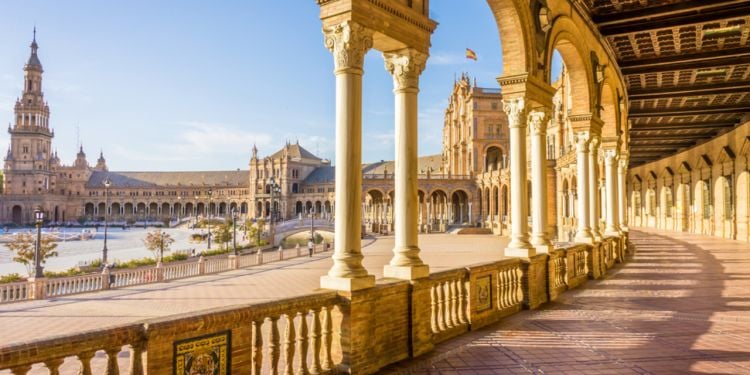
Working in Seville
Seville is the capital of the autonomous community of Andalusia and home to its government. It ...
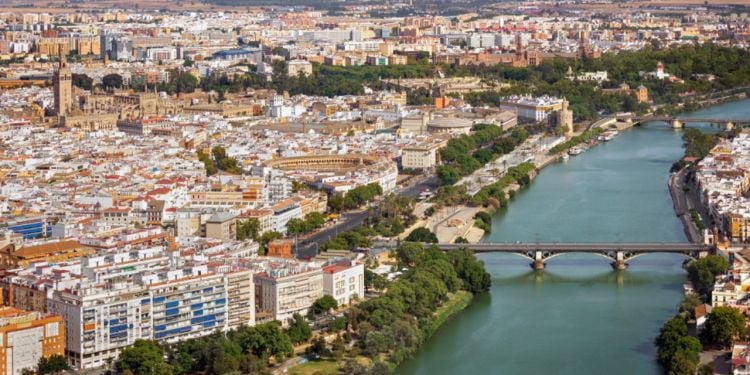
The labor market in Seville
In addition to the sunshine, slow pace of life, and all the other benefits of living in a ...

The work culture in Seville
With late breakfasts and long lunches, Seville's work environment will most likely be very ...
Higher education & universities
Seville is one of southern Spain’s major university cities, home to institutions such as the University of Seville, Pablo de Olavide University, and the International University of Andalucía. These universities offer degrees in numerous fields, including engineering, business, humanities, social sciences, and the arts, with many postgraduate programs available in English.
Universities and programs
Among these institutions, the University of Seville, founded in 1505, is home to more than 70,000 students and is known for its extensive Erasmus and international exchange partnerships. Other universities, such as Pablo de Olavide University, offer bilingual and international programs in business, social sciences, and the arts, attracting both Spanish and international students.
Tuition fees and admission process
Tuition fees at public universities in Seville typically range from €900 to €1,200 per year for EU students, while non-EU students may pay more depending on the program. Applications are submitted through the Andalusian university portal.
Sources: University of Seville, Pablo de Olavide University
🔍To learn more
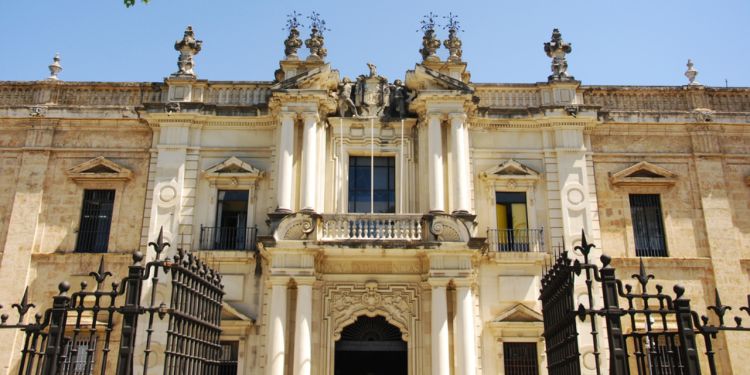

Retirement in Seville
For non‑EU citizens willing to live without paid work, Spain offers a non‑lucrative residence visa — applicants must prove sufficient income or savings and maintain private health insurance.
Healthcare and living costs
Retirees benefit from Spain’s excellent healthcare system. The Andalusian Health Service (SAS) provides high-quality care, while private insurance costs between €50 and €120 per month, depending on coverage. Many retirees report that everyday costs such as groceries and utilities in Seville feel lower than what they were used to in parts of northern Europe.
Integration and quality of life
Many retirees settle in quieter neighborhoods such as Los Remedios or La Palmera, where tree-lined streets, local markets, and cafés encourage a slower pace of life. Cultural events, flamenco shows, and weekend markets make it easy to immerse yourself in Andalusian traditions, while nearby parks and riverfront paths support an active, outdoor lifestyle.
Schooling for children
Families moving to Seville can choose from public, semi-private (concertados), or private/international schools for their children. The public system follows the Spanish national curriculum, while international schools provide British, IB, and other globally recognized programs.
Education system overview.
School is compulsory for children aged 6 to 16 in Spain. Public schools in Seville are tuition‑free at these levels, while concertado schools charge modest fees. Many schools also offer extracurricular activities and language‑support programmes to help international students integrate. To enrol in a school, families typically must provide proof of residence and in many cases health/vaccination records.
International and bilingual options
Some of the most popular international schools include:
- Yago School – bilingual Spanish-English program.
- Sevilla International College – serving ages 10‑18, offering an international educational community in Seville
Sources: Yago School, Sevilla International College

International schools in Seville
Seville, the vibrant capital and beating heart of Andalusia, is an attractive destination for expat families thanks to its rich history, warm ...
Housing & neighbourhoods
Seville’s diverse housing market encompasses everything from historic apartments in the old town to modern flats in newer neighborhoods and quiet villas in the suburbs. Demand remains strong in central districts, and although prices have been rising, they are still generally below those in Madrid or Barcelona, making Seville a more affordable option for city living.
Where expats live
Popular areas for expats include Triana, Los Remedios, Nervión, and La Cartuja. Triana combines traditional charm with riverside living, while Los Remedios is known for its family-friendly, peaceful streets. Nervión attracts professionals with its shops and offices, and La Cartuja offers modern apartments close to the university and tech hubs.
Rent levels and rental process
Rental prices for accommodation in Seville depend on location, property size, and amenities. Central and historic districts tend to be more expensive, while suburbs and newer developments offer more affordable options. Leases commonly run for one year, and landlords typically require a security deposit of one or two months’ rent. Many tenants work with estate agents to handle viewings and contracts, though direct agreements with landlords also occur.
1-bedroom apartment (city center) | €750 - €1,100 |
1-bedroom apartment (outside center) | €500 - €900 |
3-bedroom apartment (city center) | €1,200 - €1,600 |
3-bedroom apartment (outside center) | €850 - €1,300 |
Data correct as of November 2025.
Source: Numbeo
🔍To learn more
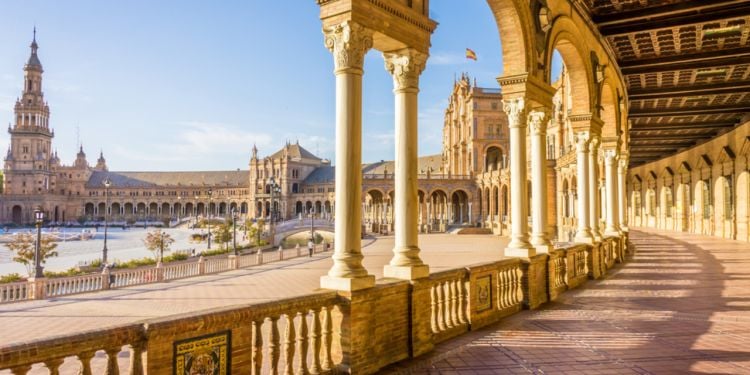
Accommodation in Seville
Seville is a southern Andalusian city that's easy to fall in love with. The Moorish ...
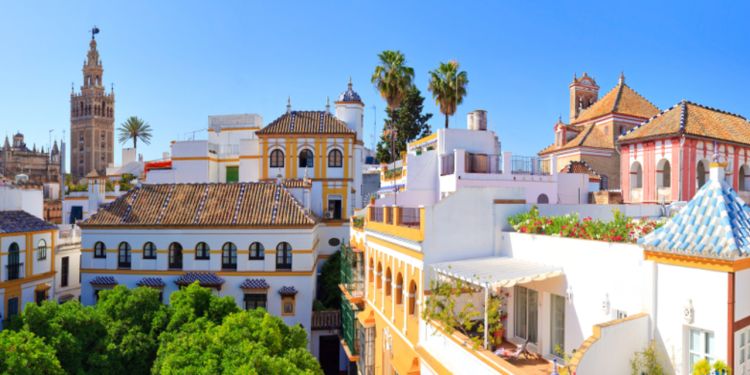
Buying a property in Seville
Dreaming of settling into a modern neighborhood with great restaurants and green spaces or a luxury ...
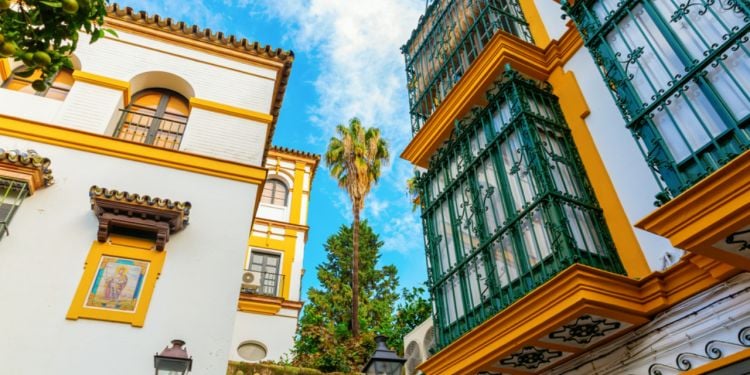
Popular neighbourhoods in Seville
Once you have decided to make the beautiful city of Seville your home, the next order of business ...
Leisure, culture & things to do
Seville is known for its vibrant cultural life and lively streets. From historic monuments and palaces to traditional tapas bars, flamenco stages, and seasonal festivals, there is always something new to experience.
Cultural attractions
Major sites include the Seville Cathedral, Real Alcázar, and Plaza de España. Art lovers can visit the Museum of Fine Arts to see Spanish masters, while flamenco houses (tablaos) in Triana provide authentic live performances. Smaller galleries, artisan workshops, and music venues also add to the city’s creative scene.
Outdoor and social life
Locals enjoy cycling and jogging along the Guadalquivir River, strolling through Parque de María Luisa, or watching the world go by at riverside cafés. Annual events such as Feria de Abril and Semana Santa bring the city together, while sports fans follow Real Betis or Sevilla FC with great passion and loyalty. The city’s plazas, gardens, and terraces also make it easy to socialize and enjoy an active, outdoor lifestyle.
🔍To learn more
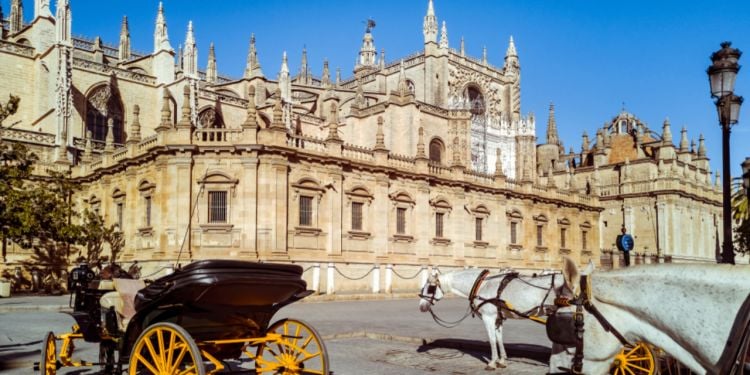
Things to do on weekdays in Seville
So, you've just finished a hard day's work in your new home city of Seville, and you're ...
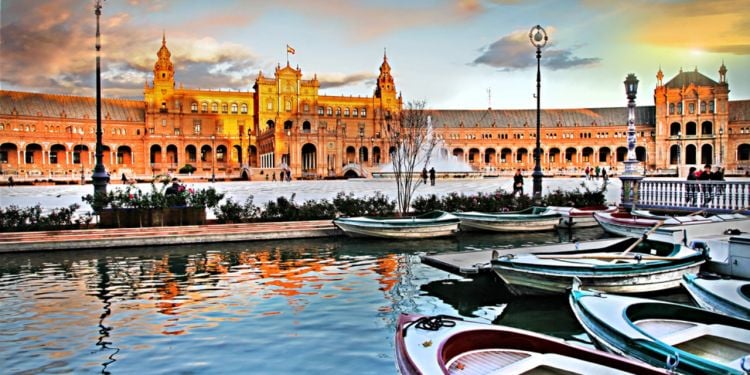
Things to do in Seville alone, with your partner or with a group
Seville is bursting with beautiful parks, world-class attractions, great markets and shopping ...

Sports in Seville
Seville is an active city with a lot to offer sports enthusiasts, from fitness centers and ...
Everyday life in Sevilla
Life in Seville moves at a slower, sun-soaked pace. The city’s warm climate and compact streets encourage walking, and locals often take time to enjoy the outdoors between errands, work, and socializing. Weekdays are lively in the mornings as residents run errands or head to work, while afternoons can slow down, especially in the hottest months.
Living like a local
Sevillanos embrace long meals and social moments. Lunch around 2 p.m. is the main meal, often followed by a short rest in summer, and dinner rarely starts before 9 p.m. Life revolves around plazas, cafés, and tapas bars, which serve as meeting points for friends and family. Seasonal festivals like Feria de Abril or Semana Santa also shape the city’s social calendar, keeping traditions alive.
Everyday essentials
Getting around Seville is easy on foot, by bike, or via the city’s bus and tram network. Neighborhood markets, bakeries, and fruit shops provide everything locals need for daily meals, while smaller streets and residential areas offer a quieter, more relaxed pace away from the main tourist spots. Even in the heat of summer, life in Seville stays vibrant yet unhurried, balancing routine with plenty of opportunities to enjoy the outdoors.
🔍To learn more
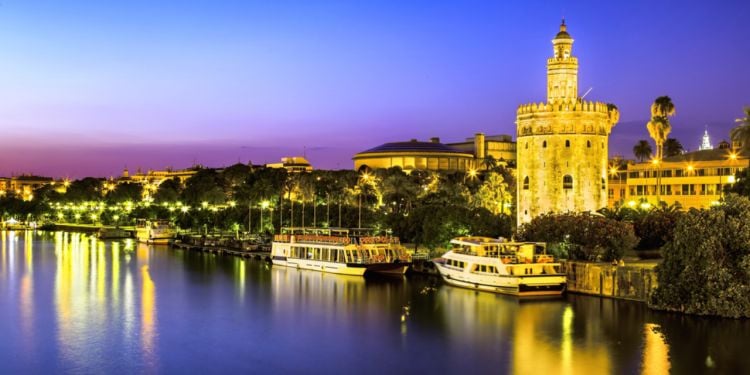
Discovering Seville
When you step off the plane or train to start your new life in Seville, most likely, you will feel ...
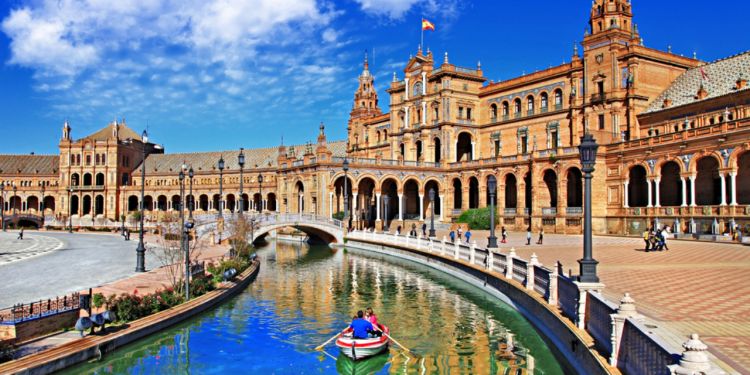
Adjusting to the local culture in Seville
Seville is home to a raft of fascinating and quirky traditions from tapas culture and taking a ...

Developing your social circle in Seville
For many people, building a new circle of friends is one of the most daunting aspects of being an ...
Daily Life & Cost of Living
Seville offers a comfortable lifestyle at a lower cost than many other Spanish cities. Groceries, transport, and entertainment are generally cheaper than in Madrid or Barcelona, though salaries tend to be lower as well.
Monthly expenses for a single person
Rent for a 1-bedroom apartment (city center) | €750 - €1,100 |
Groceries | €150 - €130 |
Utilities | €70 - €130 |
Data correct as of November 2025.
Monthly expenses for a family of four
Rent for a 3-bedroom apartment (city center) | €1,200 - €1,600 |
Groceries | €300 - €550 |
Utilities | €150 - €250 |
Data correct as of November 2025.
Sources: Numbeo, Cities Insider
In short
With its sunny skies, welcoming vibe and rich cultural traditions, Seville offers an atmosphere that’s hard to resist. The city gives you a genuine feel for southern Spain — from historic quarters to lively plazas — while remaining relatively affordable without compromising quality of life. Whether you’re here for work, study or a slower pace of life, Seville’s charm lies in its authenticity and relaxed rhythm. If you have any questions or want to learn more about life in the city, join the Expat.com Seville forum to connect with others who have made the Andalusian capital their new home.
We do our best to provide accurate and up to date information. However, if you have noticed any inaccuracies in this content, please contact us.


News & testimonies
AI, healthcare and construction lead hiring in Spain
Thinking about moving to Spain for work? With economic growth projected at +2.5% in 2025 (according to the OECD), the country is positioning itself as an attractive destination for international talent. Here is a closer look at the sectors and professions expected to offer the strongest opportunities this year.

Building a life in Mallorca: Doug Underwood's story of work, community, and home
For many, moving abroad is a leap into the unknown. For Doug Underwood, arriving in Mallorca in 2019 turned into a journey of building community, adapting to island life, and finding a true sense of home. What started as a work opportunity grew into something much bigger, from professional projects to co-hosting Curiosity Night, a monthly gathering for expats and locals alike. In this interview, Doug shares the rewards and challenges of expat life in Mallorca, his advice for newcomers, and what makes the island such a unique place to live.
Is Spain's housing shortage forcing expats to leave?
Spain's housing crisis shows little sign of improvement. With rents soaring, both locals and expats are being priced out of their homes. Some are forced to move further from city centers in search of affordable options, while others face the difficult decision to leave the country altogether. For many expats, the Spain they experience today feels far removed from the one they once embraced.

Barcelona International Community Day 2025: A must-attend event for expats and international professionals
On Saturday, October 25, the Maritime Museum of Barcelona will open its doors to the annual gathering of choice for international professionals living and working in the city. Admission is free of charge. All you need to do is register on the event website. This year marks the 12th Barcelona International Community Day. Organised by Barcelona City Council, the initiative has become the leading event for welcoming, integrating and networking with the international community, especially newcomers to the city.
Essential services for your expat journey