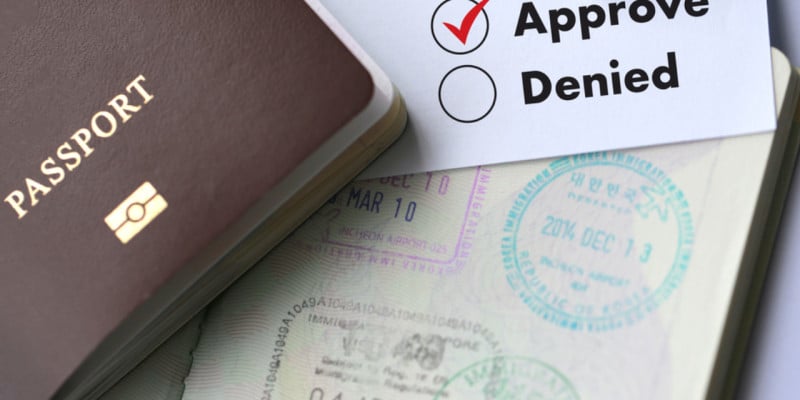
If you are planning to travel to the beautiful island of Ireland, it is important that you are aware of any potential visas and other documentation that you may need. The process of getting a holiday visa is fairly straightforward, which means you will be looking forward to your trip in no time without having to worry about your visa.
People from certain countries will have to obtain a holiday visa in order to travel to Ireland. You need to have this visa arranged before you travel to the country, or else you will not be able to get in. This will be a short-term visa covering a holiday period of up to 90 days.
If you are a resident in an EU, EEA state, there is no need for you to obtain a visa. All you need in order to get into Ireland is a valid passport or a national identity card.
For those non-EEA residents, you still will have to get permission to enter into the country when arriving at your port of entry from an immigration officer, even if you do not need a visa.
All of the documents should be in English or translated into English. You will have to fill out an application form and sign it yourself if you are at least 18 years old. The passport needs to be valid for at least the next six months after you leave Ireland. You will have to prove that you can sustain yourself financially when in Ireland, usually by providing a bank statement covering the six months in advance of your trip.
If you have family members in any European country, including Ireland, you will have to provide details. You also need to give details on any previous visa applications you may have had for getting into Ireland. More information is available from the Irish Immigration website.
You will need to have additional documents along with your signed visa application form. This will include completed details about the reason for your visit. You will need a letter of reference for the place where you are staying. You will need to agree to comply with all laws during your visit and give documentation as to how you know your referee.
You will need to have evidence of having sufficient funds to support yourself during the trip, as well as evidence that you plan to return home. This could be from your employer or place of education.
A single journey visa will cost you €60, and a multiple journey visa will cost €100. Certain types of applicants are exempt from paying this fee.
Visas in Ireland are divided into two categories: short stay (C Visas) or long stay (D Visas). Within the short stay category, there are tourist visas and short family visit visas. Within the long stay category, you may apply for business, work, student, spouse, family, and retirement visas.
There are a few different types of short-term visas available to you when travelling to Ireland. These vary depending on where you are coming from. There is a standard holiday visa where you apply for a short-term stay in Ireland.
There is also a short-stay visa waiver program which allows nationals from certain Asian, Middle East and Eastern European nations that have a short-term UK visa to travel to Ireland without needing an additional Irish visa.
The British Irish Visa Scheme is applicable to those people coming from China and India. These people will be able to travel in the UK and Ireland using just one of the respective countries' visas.
If you want to come to Ireland for more than 3 months, for example, to study, for work, or to relocate permanently in Ireland with family members who live in Ireland, you can apply for a long stay ‘D' visa.
A visa is issued by immigration authorities and simply enables you to enter Ireland. An employment permit, on the other hand, entitles you to work in Ireland.
ℹ️
We do our best to provide accurate and up to date information. However, if you have noticed any inaccuracies in this article, please let us know in the comments section below.
Debbie has a degree in English, and also studied journalism in Dublin. She is a digital content writer for a number of online publications. She loves swimming in the sea or pool, walking her Labrador retriever Casper, thrifting, and travel. She takes the ferry to France every year with her beloved dog in tow, and one day hopes to own her own cottage in Brittany, preferably with blue shutters. She currently lives by the sea in Galway.