

Living in Hungary: the ultimate expat guide
Everything you need to know for a successful life in Hungary.
Hungary is one of Central Europe’s most appealing bases for international residents, blending Old Europe charm with modern urban energy. Budapest stands out as a significant regional hub, attracting tech firms, universities, and creative industries that draw a growing expat community. Hungary is also a major destination for international students, thanks to its English-taught degree programs, globally recognized medical and technical universities, and competitive tuition fees.
Beyond the capital, Hungary offers well-connected cities, efficient public transport, and living costs far below those in Western Europe. Its central location places Vienna, Bratislava, and many weekend destinations within a short train ride, while a strong cultural scene — from thermal spas to music festivals — gives newcomers a rich everyday experience. For many expats, Hungary offers the rare combination of affordability, convenience, and a high quality of life.
Five compelling reasons to live in Hungary
1. Lower cost of living than much of Europe
Rent, daily expenses, and transport remain competitive, allowing expats to live comfortably even in Budapest.
2. A growing job market for skilled workers
Multinational companies in tech, automotive, finance, and pharma increasingly recruit international talent.
3. Well-respected universities and accessible healthcare
Hungary’s medical and technical universities attract global students, and residents benefit from a reliable public health system.
4. Easy travel across Europe
From Budapest, major European capitals are only hours away, supported by extensive rail and air networks.
5. A rich cultural lifestyle
Thermal baths, historic towns, vibrant nightlife, and year-round festivals offer expats a diverse and engaging social life.
Facts and figures
Population (January 2025) | 9.5 million |
Expat population | 255,000 |
Most common expat nationalities | Germany, China, Ukraine, Vietnam, Slovakia, and Romania |
Typical temperatures | Summer: 18°C – 30°C (64°F – 86°F), winter: −2°C – 5°C (28°F – 41°F) |
Data correct as of December 2025
Sources:
Hungarian Central Statistical Office — population and Daily News Hungary — expat population, common expat nationalities
Formalities and visas in Hungary
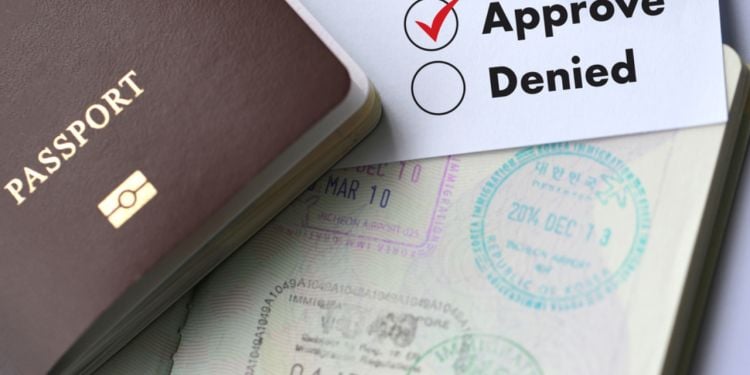
Visiting Hungary is straightforward for many travelers, with numerous nationalities able to enter visa-free or with a standard Schengen visa for short stays. (A Schengen visa allows non-EU travelers to move freely within the Schengen Area, including Hungary, for short periods.) However, anyone planning to live, work, study, or relocate long-term must apply for the correct residence permit through a Hungarian consulate or immigration office. Recent changes to Hungary’s immigration laws have tightened the rules around some work permits, making early planning and careful preparation essential.
Visa types for Hungary
- Schengen Short-Stay Visa (Type C): For tourism, business, or family visits of up to 90 days within 180 days.
- Long-Stay Visa (Type D): Used to enter Hungary for stays longer than 90 days, usually followed by applying for a residence permit.
- Residence Permit for Employment: For foreign nationals working in Hungary, including standard work permits and employer-sponsored options.
- EU Blue Card: For highly qualified professionals with a recognized degree and a qualifying job offer.
- Student Residence Permit: For those studying at a Hungarian educational institution.
- Family Reunification Permit: For family members of Hungarian citizens or legal residents.
- Business/Self-Employment Permit: For entrepreneurs or company directors operating in Hungary.
- Researcher or Academic Permit: For researchers and academics affiliated with Hungarian institutions.
- Investor/Guest Investor Residence Permit: For individuals making a qualifying investment in Hungary.
- Permanent Residence Permit: For long-term residents who meet eligibility requirements after several years.
Useful link:
Hungarian Immigration Authority
Hungarian Consulates and Visas
Embassy of Hungary — Schengen Visa
National Directorate General of Immigration Police — National Residence Card
🔍To learn more
General visa requirements for Hungary
As a member of the EU/EFTA and the Schengen area, and as a holder of visa waiver agreements with 30 ...

Work permits for Hungary
If you're an EU/EFTA national, you don't need a residence permit to stay and work in Hungary, ...
Travel to Hungary
Hungary is located in eastern Central Europe, making it very easy to access from all directions. The country shares its borders with Slovakia, ...
Working in Hungary
Hungary’s job market remains strong, with unemployment at around 4.3 % in 2025, making it one of Central Europe’s more stable economies. Foreign workers are increasingly vital to Hungary’s labor market. The number of foreign employees has grown steadily in recent years as companies seek talent that cannot be sourced locally. Recruitment agencies and Hungarian employers actively hire international staff, offering work and residence permits to fill shortages in both skilled and semi-skilled roles.
Competition on the job front varies by sector in Hungary, but skilled professionals are in high demand. Employers look for candidates with technical expertise, international experience, and language skills. Expats who speak English — and ideally another European language — can access opportunities in multinational companies across ICT, engineering, professional services, and logistics.
In-demand jobs
• Information and Communication Technology (ICT) – software development, IT services
• Manufacturing and engineering – automotive, electronics, high-value manufacturing
• Professional, scientific and technical services – R&D, consultancy, engineering
• Logistics and transportation – thanks to Hungary’s central European location
• Health and social care – growing demand for qualified professionals
Facts and figures
Unemployment rate (September 2025) | 4.5% |
Employed persons (15-74) | 4.6 million |
Foreign workers | 106,200 |
Largest employer by sector | Manufacturing, wholesale and retail trade, health and social work, construction, and education. |
Data correct as of December 2025.
Sources:
Hungarian Central Statistics Office — unemployment rate, employment rate, and foreign workers and EURES — employment by sector
🔍To learn more

Finding work in Hungary
Finding a job in Hungary as an expat can be a bit challenging, especially if you're not an ...

Setting up a business in Hungary
Because of its central location on the continent and the good connections with the neighbouring ...

Internships in Hungary
As the need for more skilled workers increases, internships are slowly on the rise in Hungary, both ...
Studying in Hungary
Hungary is fast becoming a leading destination for international students in Europe. Its universities have climbed steadily in global rankings, reflecting stronger research output, growing academic reputation, and a more international outlook. Combined with comparatively affordable tuition fees and a wide range of English-taught programs, Hungary offers a compelling balance of quality and value for students seeking a European education.
The international student community is notably diverse, with students arriving from more than 160 countries. In 2025, Hungary hosted around 38,000 international tertiary students, many from countries such as Germany, China, Romania, Iran, and Serbia. Popular fields of study include medicine, engineering, IT, business, and economics, where Hungarian institutions are particularly well regarded. Universities also actively support students through the residence permit process via the 'Enter Hungary' system, helping to make student visas relatively straightforward to obtain.
Top universities in Hungary
• Eötvös Loránd University (ELTE) — a historic, research-intensive institution in Budapest.
• University of Szeged — strong life sciences, medicine, and social sciences programs, and a top pick for international students.
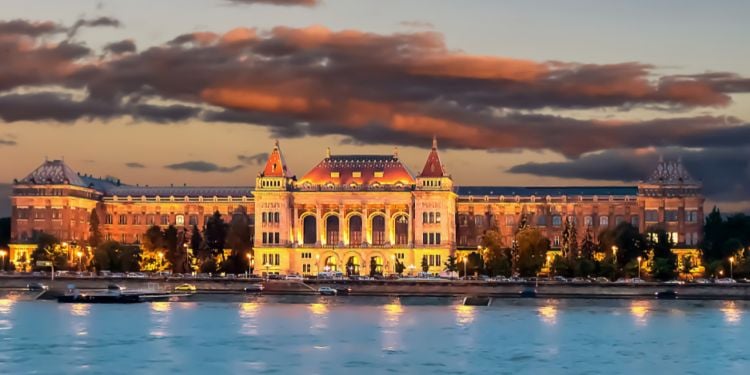
• Budapest University of Technology and Economics (BME) — engineering and technology powerhouse, with many English-taught technical and IT programs.
Uselink links:
Higher education in Hungary
Hungary has been called The Crossroads of Europe, and it is definitely a central and cosmopolitan destination, both culturally and geographically. ...
Finance and banks in Hungary
Banking in Hungary is modern and dependable, with strong online and mobile platforms, but expats should expect a more traditional account-opening process rather than an instant digital setup. In 2025, most banks still require you to open an account in person. Typically, you will need a valid passport, a Hungarian residence or work permit, and proof of address — most often the lakcímkártya (address card). This card is essential, as many banks will not accept other forms of address verification, even with a signed lease.
Tips:
- ATMs are widespread in cities and towns throughout Hungary. Most accept international cards, but check for fees on foreign withdrawals. Many banks charge extra for non-SEPA or non-EU cards.
- Keep some cash handy — while card payments are common, smaller shops, markets, and rural areas may require cash.
- Choose the correct account type: Look for expat-friendly accounts with online banking in English, low international transfer fees, and multi-currency options. This can simplify everyday transactions and salary deposits.
Useful link:
Opening a bank account in Hungary
🔍To learn more

Health care in Hungary
Hungary has a dependable healthcare system, but non-urgent public services can be slow, so many expats choose private clinics for faster, more comfortable care. Public healthcare is free or low-cost for residents contributing to social security, though small co-payments may apply. Access depends on residency and social security contributions — simply holding a visa isn’t enough. You need a TAJ card (national insurance card) to receive insured care.
Tips:
- Register with a GP early to ensure you can access primary care quickly. Some clinics require registration for routine check-ups or referrals.
- Bring copies of medical records: Hungarian doctors may request previous health records, vaccination history, or prescriptions. Having these translated (English/Hungarian) can speed up treatment.
- Understand co-payments: While basic public healthcare is covered, some services or medications require small co-payments. Knowing what is covered versus what isn’t can prevent surprise expenses.
- Take out private health insurance: Many expats maintain complementary private health insurance for quicker appointments or private clinics.
Useful links:
National Health Insurance Fund — health services
Getting a Hungarian health insurance card (TAJ card)
🔍To learn more


Education and schools in Hungary
Hungary offers a strong, well-structured school system that blends tradition with modern teaching standards. Children start formal education at age 6, and attendance is compulsory until 16, though many continue until 18. Public schools are free for all children whose families are legally residing in Hungary, meaning expat children with a valid residence permit can attend without tuition fees. Private schools are also available for families seeking international curricula, smaller class sizes, or alternative teaching approaches.
Many expat families prefer international or bilingual schools, especially in Budapest and larger cities, where instruction is offered in English, German, or French alongside Hungarian. These schools often follow international programs such as IB (International Baccalaureate) or Cambridge curricula, providing continuity for children moving between countries. While most Hungarian public schools teach primarily in Hungarian, some offer language support programs to help international students integrate smoothly.
School holidays
The academic year in Hungary usually runs from early September to mid-June, divided into two semesters. The first semester goes from September to late January, and the second semester from early February to mid-June. Each semester has a short break in the middle, plus longer holidays for Christmas, Easter, and summer. The summer holiday is the longest, typically lasting about 10–11 weeks from mid-June to early September. Exact dates may vary slightly by school and region, but this structure provides families with a clear rhythm for planning vacations and school activities.
🔍To learn more

International schools in Hungary
Hungary offers an impressive contingent of English-speaking international schools for expat families and others looking to immerse their children in ...
Accommodation in Hungary
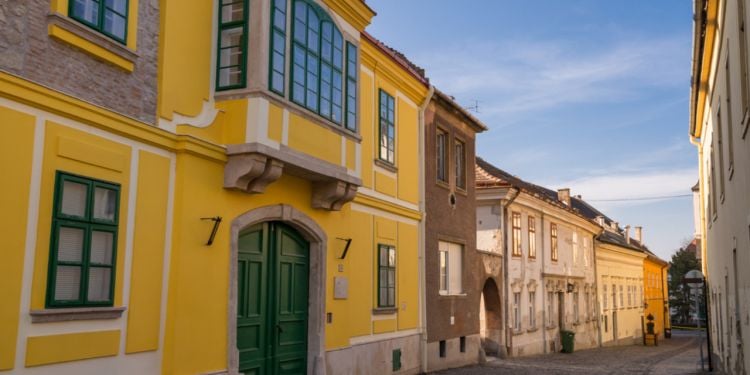
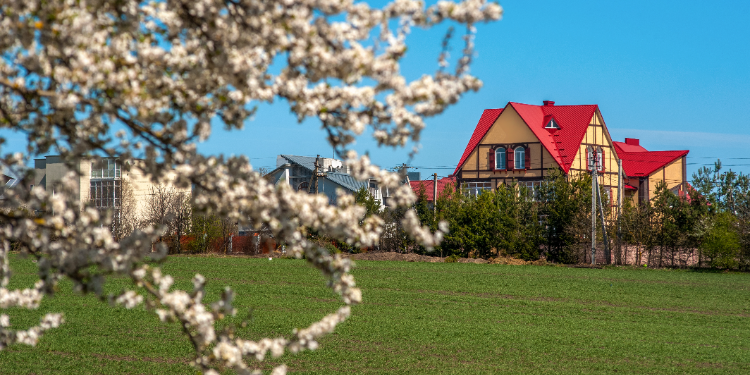
Hungary’s housing market offers plenty of opportunities, but competition is growing fast, especially in Budapest and other major cities. Outside the capital, rent and property prices remain surprisingly affordable compared to Western Europe. Most expats start by renting — it’s the easiest way to settle in, explore neighborhoods, and decide where to buy. Buying property in Hungary is possible for expats, though rules vary: EU/EEA citizens face few restrictions, while non-EU buyers must secure a government permit.
Tips:
- Non-EU/EEA/Swiss citizens must obtain approval from the local county government to purchase residential property.
- Permit approval usually takes about 45 days.
- Expats can buy apartments, houses, and commercial property; agricultural land is restricted for non-EU citizens.
- A Hungarian lawyer is needed to manage contracts, permit applications, and land registry registration.
Useful link:
Global Property Guide — Hungary
🔍To learn more
Planning your move to Hungary
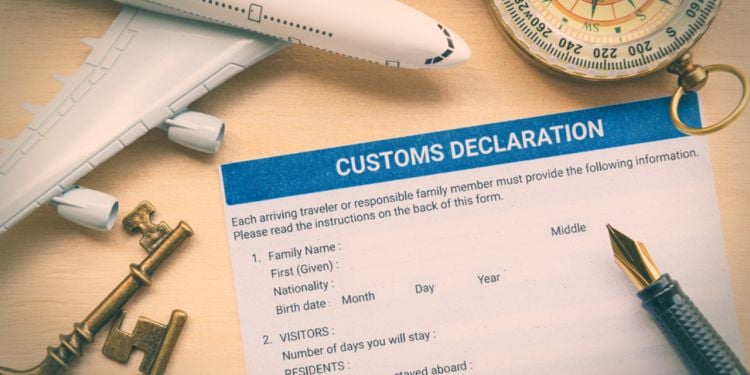
Moving your household to Hungary is generally straightforward, but the country has strict and specific customs rules that expats need to prepare for. Personal belongings can enter duty-free if you already hold a residence permit, but customs officers require detailed paperwork — including a Hungarian-language packing list, proof of residence, and ID. If you arrive with a short-term permit (less than one year), you may be asked to provide a bank guarantee in Hungarian currency before your shipment is released. Clearance can be slow, with many shipments receiving temporary clearance first and final clearance only upon arrival at your new home. Delays happen, but reputable movers report that loss or theft is rare; the most significant risks come from incomplete documents, not from transport issues.
Tips:
• Duty-free rules apply only if you already have a residence permit and have owned the items for at least six months.
• Short-term residence permits may trigger a bank guarantee requirement, which customs uses to cover potential duties.
• A Hungarian-language packing list is mandatory, along with ID, residence documentation, and sometimes a power of attorney for your mover.
• Temporary customs clearance is standard, with final clearance happening at your address after delivery — so expect possible delays.
Useful link:
National Tax and Customs Administration
🔍To learn more
Customs in Hungary
As a member of the EU/EFTA, Hungary supports the free movement of goods within the EU/EFTA area. ...

Moving to Hungary with your pet
If you are a pet owner, then perhaps one of the most stressful parts of expatriation is figuring ...

Moving to Hungary
Although relocating is always hard, moving to Hungary has an unexpected advantage: many top quality ...
Leisure in Hungary
Hungary packs an impressive amount of culture, nature, and everyday fun into a small country. Whether you're living in Budapest or a quieter regional town, you'll find a lively mix of thermal baths, café culture, festivals, and outdoor adventures. The country is famous for its historic spa tradition, with natural thermal waters flowing beneath cities and villages, making weekend soaking a local pastime. Hungary's long wine heritage, vibrant arts scene, ruin bars, classical music halls, and strong café culture mean there's always something happening, often at surprisingly affordable prices compared to Western Europe.
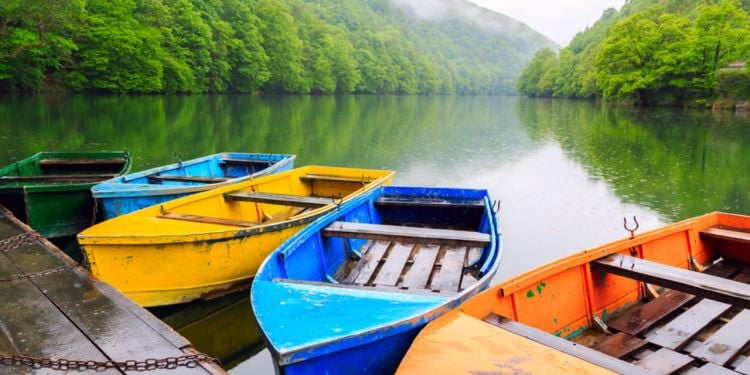
Outside the cities, Hungary becomes an entirely different playground. Lake Balaton — the 'Hungarian Sea' — is a summer hub for sailing, swimming, and lakeside festivals. The hills and national parks offer hiking, cycling, and endless vineyard routes. Winter brings ice-skating rinks, thermal spas steaming in the cold, and cozy wine cellars. Expats often say the best part of living here is how easy it is to weave leisure into everyday life — with most attractions within a short train or car ride.
Popular activities in Hungary
• Thermal baths: Soaking in historic spa complexes like Széchenyi, Gellért, or Miskolctapolca Cave Bath.
• Explore Lake Balaton: Swimming, sailing, wine tasting, and lakeside festivals.
• Hiking and cycling: In Bükk, Mátra, Pilis, and Balaton Uplands National Parks.
• Wine regions: Tokaj, Eger, Villány, and Somló for tastings and vineyard weekends.
• City culture: Ruin bars, classical concerts, galleries, and street food markets.
• Historic towns: Szentendre, Pécs, Sopron, and Eger for architecture, museums, and slower-paced escapes.
🔍To learn more
Leisure activities in Hungary
Hungary may be a small country, but its abundance of culture, history and natural offerings is bound to impress you. There are no fewer than 8 UNESCO ...
Everyday life in Hungary
Daily life in Hungary is generally calm, structured, and safe, with a strong café culture, excellent public transport, and a slower pace outside the capital. For most expats — including women — Hungary feels secure; violent crime rates are low, and major cities are safe to walk in during the day and evening. Petty crime exists in tourist-heavy areas, but everyday life is predictable, orderly, and easy to navigate once you adjust to local routines.
Hungarians value direct communication, punctuality, and personal space. Shops close earlier than in some Western countries, Sundays are quiet, and cash is still common outside Budapest. The lifestyle mixes Central European habits with local quirks: long lunches, thermal baths, wine evenings, and strong community traditions in smaller towns.
What you need to know
• Safety: Low violent crime; occasional pickpocketing in tourist zones. Women generally report feeling safe in cities and towns.
• Public transport: Reliable and widespread; Budapest’s metro, trams, and buses run frequently and cover the entire city.
• Cost of living: More affordable than Western Europe, though prices in Budapest are higher than in the rest of Hungary.
• Shopping hours: Many shops close by early evening; Sundays are quiet with limited opening hours.
• Communication style: Hungarians are direct but polite; small talk is less common.
• Payments: Card acceptance is widespread, but small markets and rural shops may prefer cash.
• Local customs: Removing shoes in homes, tipping 10–15% in restaurants, and greeting shopkeepers are standard etiquette.
🔍To learn more

Accidents and emergencies in Hungary
It can be scary to face an accident or an emergency in a land far from home, especially a place ...
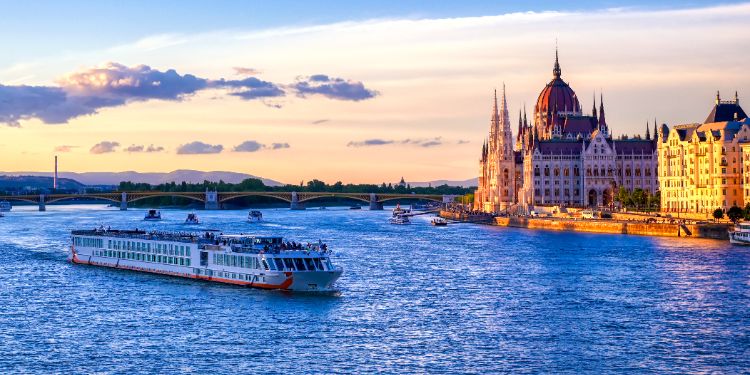
Life in Hungary
A beautiful bridge between West and East Europe, Hungary's idyllic scenery is dotted with ...
Travelling around Hungary
Hungary has an extensive domestic transportation network that covers the whole country. No matter where you are, you can easily find access to buses, ...
Cost of living in Hungary
Hungary strikes a rare balance: it’s far cheaper than most Western European countries yet offers a quality of life that punches well above its price tag. Rent, groceries, and dining out are all more affordable in Hungary than in big EU capitals, but Budapest’s prime neighborhoods can feel more expensive than rural towns. Utilities and public transport remain very budget-friendly, while imported goods, electronics, and foreign-brand items can cost more — especially compared to local alternatives. In short, living in Hungary won’t drain your wallet, but you’ll pay a bit of a premium for things that arrive in a shipping container.
Here is a general breakdown of average monthly expenses for different household types in Hungary.
Monthly expenses
Single expat (per month) | Family of four (per month) | |
Rent (city center) | 1 Bedroom: HUF 260,000 (USD 700) | 3 Bedroom: HUF 750,000–900,000 (USD 2,000–2,400) |
Rent (suburbs) | 1 Bedroom: HUF 210,000–230,000 (USD 565–620) | 3 Bedroom: HUF 600,000–750,000 (USD 1,600–2,000) |
Utilities (electricity, gas, water, Internet) | HUF 55,000–65,000 (USD 150–175) | HUF 100,000–120,000 (USD 270–325) |
Groceries | HUF 50,000–65,000 (USD 135–175) | HUF 150,000–200,000 (USD 405–540) |
Public transport | HUF 12,000–15,000 (USD 33–41) | HUF 40,000–50,000 (USD 110–135) |
Dining out and entertainment | HUF 30,000–40,000 (USD 80–110) | HUF 90,000–120,000 (USD 240–325) |
Data correct as of December 2025.
Source:
Outro
Hungary offers expats a mix of affordability, culture, and convenience — from Budapest's historic streets and lively cafés to the peaceful countryside, thermal baths, and scenic lakes. The cost of living is generally lower than in Western Europe, and expats quickly find Hungary a welcoming and manageable place to settle.
For anyone planning a move to Hungary, Expat.com's destination guides are a practical starting point, packed with up-to-date advice on visas, banking, healthcare, schooling, and more. Our Hungary expat forum is equally invaluable: you can ask questions, get firsthand tips, and connect with others who have already settled in the country. Together, these resources make it easier to plan your move, avoid pitfalls, and start enjoying your new life in Hungary with confidence.
We do our best to provide accurate and up to date information. However, if you have noticed any inaccuracies in this content, please contact us.


News & testimonies

The Hungarian adventures of The Anderson Five
Matthew was pleased to discover (upon moving from the US to Hungary) that Budapest is incredibly child-friendly, as he and his wife moved from Bellingham, Washington to Budapest, Hungary with their three young boys. Here he tells https://www.expat.com about life in Hungary so far, and his favourite things about the country.

The best places to live in Budapest
Budapest is one of the most beautiful cities in Central-Eastern Europe and one regional student hub, with thousands of foreign students living in the city. If you intend to move to Hungary, here are some data on the real estate market and the Budapest main districts.

Unpacking my bottom drawer in Budapest
Born in Dublin, Ireland, when Tayto crisps were the only crisps worth eating, I've been flitting around the Northern Hemisphere for what seems like a lifetime.
Kevin in Hegymagas: "The lifestyle in Hungary is more temporally relaxed"
Kevin comes from the US. He moved to Hungary with his Swiss-Hungarian wife in 2007. Fond of vineyards, he has settled in the village of Hegymagas, near Lake Balaton. Kevin enjoys, above all, looking after their vineyard.
Essential services for your expat journey



