

Living in Bali: the ultimate expat guide
Everything you need to know for a successful life in Bali.
Bali is often called the Island of the Gods, a vibrant Indonesian jewel famous not only for its stunning volcanic coastlines and lush rice paddies, but also for its deeply rooted cultural heritage. While tourism forms the backbone of its economy, traditional farming is still a key driver. Expats are drawn to the island for its natural beauty, relaxed pace of life, and relatively low cost of living.
5 good reasons to move to Bali
- Warm tropical climate year-round and outdoor lifestyle.
- Daily expenses, local food, and basic services are often cheaper than in Western countries, though popular tourist or expat hubs can be more expensive.
- Established expat and digital nomad communities. Towns like Canggu, Ubud, and Seminyak have good networks of long-term residents, co-working spaces, and social activities for international residents.
- Rich local culture and vibrant arts scene.
- Good access to international travel. Ngurah Rai (Denpasar) International Airport connects Bali to major regional destinations.
Working in Bali
Bali’s economy relies heavily on tourism, hospitality, and small businesses. Many international residents work remotely or freelance for overseas companies, but formal employment with local businesses usually requires proper work permits and sponsorship.
Key industries and roles
Top sectors include tourism and hospitality, food and beverage, and creative or digital services. Job opportunities for foreigners are limited in regulated roles, especially in positions that can be filled by Indonesian workers. Many expats either work remotely for foreign companies or start their own legally registered businesses, commonly as a PT PMA (a foreign‑owned company)
Work permits and rules
To legally work in Bali long-term, you must follow a complex, multi-step authorization process. This starts with securing an approved RPTKA (Foreign Worker Utilization Plan) from the Ministry of Manpower, which must be sponsored by an eligible Indonesian entity. Once this plan is approved and the requisite fees are paid, the employer can obtain the specific work authorization (often still referred to as an IMTA) necessary to apply for the final KITAS (Limited Stay Permit) from Immigration. Short-term business activity is possible with approved business visas, but these visa types explicitly prohibit formal employment by or payment from Indonesian companies.
Unemployment rate Bali province | 1.58% |
Average monthly salary (net) | IDR 3,960,000 |
Top sectors | Tourism and hospitality, agriculture, creative industries |
Data correct as of November 2025.
Sources: BPS - Statistics Indonesia, Numbeo
🔍To learn more
Working in Bali
The multi-faceted island of Bali offers many opportunities for those who wish to move ...
Bali's labour market
With its idyllic beaches, lush mountain ranges and charming smiles, it's impossible not to ...

The work culture in Bali
The work environment in Bali varies from company to company, but in general, it is closely linked ...
Higher education in Bali
Bali is home to several higher‑education and professional institutions offering international programs, although many students still opt for larger Indonesian cities to access a broader selection of degrees.
Main institutions
Among the most prominent is Udayana University in Denpasar, which offers undergraduate and postgraduate programs, including English‑medium international tracks, double‑degree options, and student exchange opportunities. Warmadewa University, a private university in Denpasar, also provides undergraduate, postgraduate, and professional programs, including an international program for selected fields.
Fees and admission
Tuition in Bali is generally more affordable than in Western countries, though it varies significantly between public institutions like Udayana and smaller private schools. International applicants to Udayana must submit certified academic records, proof of English proficiency (e.g., TOEFL, IELTS, or Duolingo), a financial guarantee, and other required documentation. Students staying for more than short-term courses require a student visa (VITAS C.316) and a limited-stay permit (ITAS).
Sources: Udayana University, Warmadewa University
🔍To learn more


Retirement in Bali
Bali is a popular choice for retirees who meet Indonesian visa and financial requirements. It combines a welcoming expat community with vibrant local culture and a relaxed way of life.
Healthcare and insurance
Indonesia offers long stay visas and limited retirement permits for people who meet eligibility rules. Requirements can change, so it is important to review official guidance and confirm details with the Directorate General of Immigration. Public healthcare is available, though many expat retirees prefer private clinics for faster service and more comprehensive care.
Living costs and community
There is a wide mix of neighborhoods across Bali, from the vibrant and heavily developed coastal hubs like Canggu and Seminyak to the quieter, tradition-focused inland villages found around Sidemen and other rural areas. Costs depend on where you settle and how you like to live. Many retirees enjoy the mix of local culture and active expat communities, which makes it easy to meet people and settle in.
Schooling for children
Bali is home to numerous public schools and private international schools that follow international curricula. Quality and language support vary across districts, so it is a good idea to research your options as soon as you can.
Local public education
Public schools in Bali follow the national curriculum, and enrollment involves providing proof of residency and visa status, birth certificates, and immunization records. Instruction is in Bahasa Indonesia, and English language support may be limited in some schools.
International schools and fees
International schools in Bali offer curricula such as the International Baccalaureate and Cambridge (British) programs. Fees vary widely, and demand can be high in popular expat areas, so early research and applications are recommended.
Housing & neighborhoods
Accommodation in Bali includes options such as guesthouses, apartments and modern villas. It is common for different areas of the island to offer their own mix of styles, layouts and levels of privacy.
Where expats live
Popular areas for expats include Canggu, Seminyak, Ubud and Sanur. Each district offers a different lifestyle, from coastal communities to quieter inland neighborhoods. Housing standards and available services vary by area, so visiting locations will help you decide which one best suits your needs.
Rental prices and rental process
Typical rental steps include providing identity documents, a security deposit and signing a written agreement. Some landlords may ask for proof of visa status or references, and longer contracts often require payments on a fixed schedule. Checking the agreement carefully helps ensure both parties understand their responsibilities.
1- bedroom apartment in the city center | IDR 10,000,000 - 29,113, 756/month |
3- bedroom apartment in the city center | IDR 35,000,000 - 65,000,000/month |
Data correct as of November 2025.
Source: Numbeo
🔍To learn more
Accommodation in Bali
If you are planning to relocate to Bali, housing is a critical part of your project. So how to ...
Buying property in Bali
Should your experience as an expatriate in Bali make you want to settle down permanently, ...
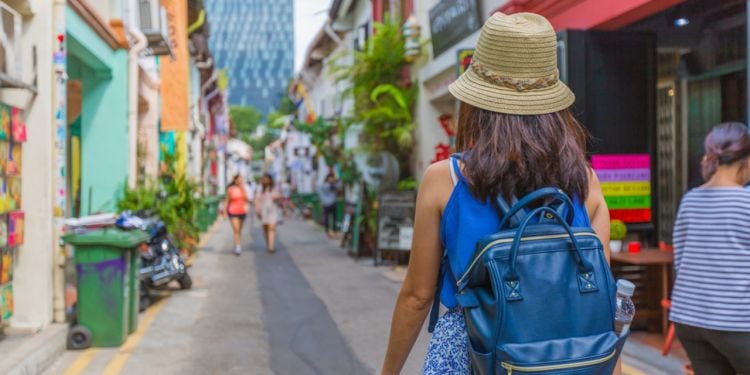
Popular neighbourhoods in Bali
Bali is regarded as one of Indonesia's smallest islands with a large population but is home ...
Leisure, culture & things to do
Bali is known for its art, spirituality, and community — from temple rituals to yoga retreats, the island never lacks inspiration and connection.
Museums parks and culture
Highlights include the Puri Lukisan Museum in Ubud, which showcases both classical and modern Balinese art in a serene garden setting. For culture lovers, Ubud also hosts regular traditional performances and markets, while island-wide temple festivals such as Odalan feature music, dance, and large communal celebrations. Outdoor escapes range from scenic rice terraces and walking trails to sacred forest temples.
Sports and social life
Surfing is a major part of life in coastal areas, and the island’s wellness scene encompasses yoga, meditation and retreat programs. Expat clubs offer plenty of opportunities for getting involved in sports, volunteering or the arts. Nightlife, especially in Seminyak and Canggu delivers a mix of laid-back bars and beach clubs.
Sources: Bali Provincial Government, Puri Lukisan Museum
🔍To learn more
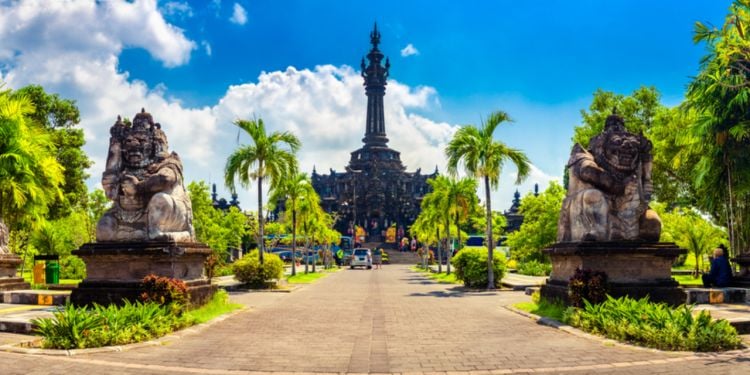
Things to do alone, with family and friends or with a partner in Bali
As a resort island, many aspects of Balinese life are centred on tourism. As such, being an ...

Eating out in Bali
Babi guling, saté, Ayam betutu... The list of dishes that Balinese people enjoy is a long ...
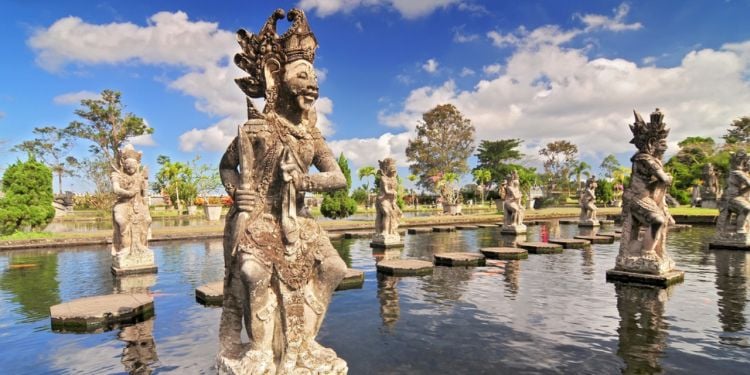
Things to do on weekdays in Bali
As a tourist destination, the list of things do in Bali is endless. Bali pretty much has everything ...
Everyday life in Bali
In Bali, as in many places, daily life revolves around practical routines like shopping for groceries, preparing meals, and commuting to work or school. Local markets, small shops, and warungs (a small shop or eatery) provide everyday necessities, while modern conveniences such as supermarkets, clinics, and internet are widely accessible.
Getting around
There’s no extensive public transport system, so most people rely on scooters, taxis, or ride‑hailing apps. Scooter rentals are a very common and affordable option.
Internet and phone services
High‑speed fiber-optic internet is widely available in popular areas like Ubud, Canggu, and Seminyak. Prepaid SIM cards from providers such as Telkomsel, XL, or Indosat are easy to obtain and top up, providing reliable mobile and data coverage across the island.
🔍To learn more
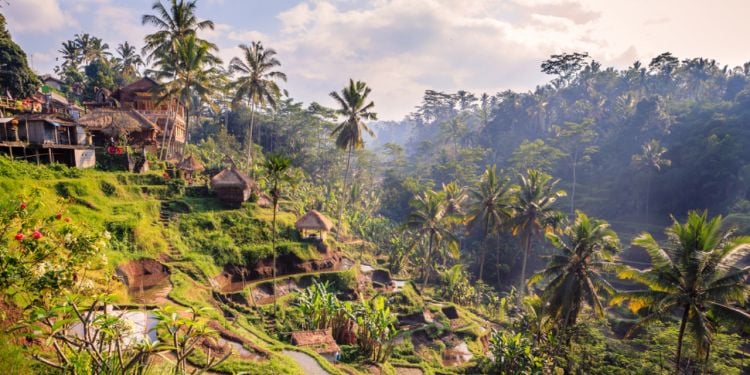
Discovering Bali
If you are planning to move to Bali, here is some essential information for a smooth ...

Adjusting to the culture in Bali
Bali is idyllic, and its people are welcoming and charming. This is what comes out of ...

Making friends in Bali
Being an expat in Indonesia can be a daunting experience. Everything from the language barrier ...
Daily life & cost of living
The cost of living in Bali is generally lower than in Western countries, though it varies by location and lifestyle.
Monthly expenses for a single person
Rent 1-bedroom apartment in the city center | IDR 10,000,000 - 29,113, 756 |
Groceries | IDR 1,100,000 - 2,000, 000 |
Utilities | IDR 1,441,951 |
Data correct as of November 2025.
Monthly expenses for a family of four
Rent 3-bedroom apartment in the city center | IDR 35,000,000 - 65,000,000 |
Groceries | IDR 11,000,000 |
Utilities | IDR 1,100,000 - 5,000, 000 |
Data correct as of November 2025.
Sources: Numbeo, Visa Indonesia
In short
Bali is a popular choice for expats who want a warm climate, friendly communities and an easy pace of life. Many people work remotely or take on roles linked to tourism, so daily routines can stay flexible. Living costs shift a lot between areas, and access to schools, healthcare and transport varies, so it helps to check each neighborhood carefully before settling in. Local markets, beaches and temples add plenty of character to everyday life. For more information, check out our informative articles and join our Expat.com Bali forum to connect with fellow expats, share experiences and get practical advice about living in Bali.
We do our best to provide accurate and up to date information. However, if you have noticed any inaccuracies in this content, please contact us.


News & testimonies

Roy in Bali : "The Balinese are extremely overt, friendly and curious"
16 years have gone by since Roy, a US expat, settled in Bali. Enjoying his retirement years with his Balinese family, he also works as a fine art dealer and with NGOs. Meet Roy...

Indonesia C18 visa: New rules for foreign workers on trial
According to the Directorate General of Immigration, the aim is to prevent the exploitation of foreign workers. Since June 14, 2025, new rules have been in place to more strictly regulate the C18 stay permit (C18 visa). Also known as the "Work Trial" visa, the C18 is intended for workers coming to Indonesia to complete a trial period with a sponsoring company—the company where the trial will be carried out.

Indonesia announces new strategies to attract qualified and wealthy expatriates
Indonesia is currently implementing new strategies to support the strong economic recovery observed in 2022. In addition to reforming its economy and encouraging innovation, the government is counting on wealthy and skilled foreigners. The health crisis has turned the organization of work upside down, and digital nomadism is at its peak. As a country that aims to become one of the top 5 largest economies by 2045, Indonesia is also luring wealthy investors.

Small town to bustling city: Expat life in Surabaya
Wayne yearned for something bigger than the small-town life he had grown accustomed to, and decided to explore what lies beyond Canada's borders. His travels took him to Asia, where he ended up remaining, eventually settling in Surabaya, Indonesia. Here, he shares with Expat.com his thoughts about his expat journey and life in Indonesia.
Essential services for your expat journey



