

Living In Marrakech: the ultimate expat guide
Everything you need to know for a successful life In Marrakech.
Marrakech, one of Morocco's largest cities, sits at the base of the Atlas Mountains and is both a historic imperial city and a modern urban hub. Known as the "Red City" for its distinctive rose-colored buildings, Marrakech offers expats a lower cost of living than most European cities while maintaining a quality lifestyle. The city features centuries-old medinas alongside modern districts like Gueliz and Hivernage. With over 300 days of sunshine annually and year-round mild weather, the climate is one of the major draws.
5 good reasons to move to Marrakech
- Housing, food, and services cost significantly less than in Europe, allowing expats to maintain a comfortable lifestyle on modest budgets.
- Marrakech enjoys mild winters and warm summers with minimal rainfall, perfect for those seeking a Mediterranean climate.
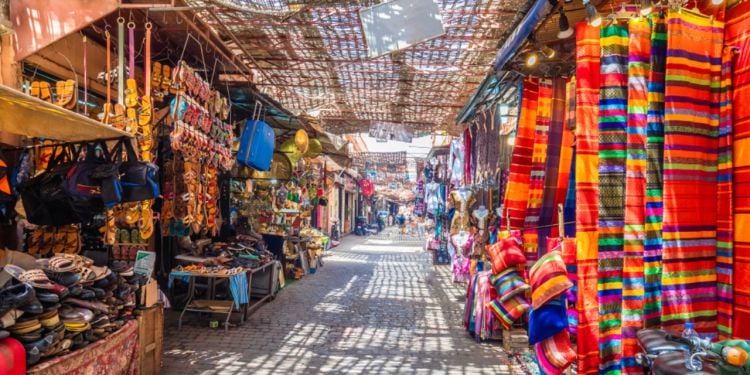
- A rich mix of traditional souks, historic palaces, and authentic Moroccan cuisine, alongside modern amenities.
- Located just three hours by air from major European cities, Marrakech is an ideal base for expats needing convenient, frequent connections back to Europe.
- A well-established international population provides networking opportunities, social groups, and familiar comforts from home.
Working in Marrakech
Marrakech's economy balances its traditional roots in exquisite craftsmanship—such as leatherworking and textiles—with ambitious efforts in economic diversification. The city is actively growing its presence in the technology and renewable energy sectors, aiming to draw foreign investment beyond the foundational hospitality industry.
Key industries
The tourism and hospitality sector employs the largest share of workers in Marrakech, with international hotel chains like Marriott, Hilton, and local luxury riads often looking for multilingual staff. Teaching English remains popular among expats, with language schools and international schools offering positions, though salaries vary widely. The technology sector is expanding as Morocco invests in digital infrastructure, attracting startups and remote workers who appreciate the lower living costs. Tour operators and travel agencies also hire expats for guide positions, particularly those with language skills beyond English and French.
Work permits and procedures
To work legally in Morocco, expats need a work permit arranged by their employer, followed by a residence permit from local authorities. The process can take several months, so securing employment before arrival is advisable.
Unemployment rate (Marrakech-Safi region) | 7.5% |
Average monthly salary (net) | MAD 4,891 |
Key sectors | Tourism, hospitality, education, technology |
Data correct as of December 2025.
Sources: North Africa Post, Numbeo
🔍To learn more
Working in Marrakech
Getting hired in Morocco is not that hard. Yet, it is better to plan everything in advance. ...
The labour market in Marrakech
In order to work in Marrakech, it is essential to have a good command of French, English and ...
The work culture in Marrakech
Marrakech is a cosmopolitan city, with people from different origins and various spoken ...
Higher education & universities
The city welcomes international students; however, prospective attendees should note that language preparation is often necessary since French and Arabic are the main languages of instruction.
Main universities
Cadi Ayyad University (UCA), established in 1978, is the city's flagship public university, with over 120,000 students. Its main campus offers extensive programs through key faculties like Sciences, Medicine, Law, and Human Sciences. UCA also runs specialized schools such as the École Nationale des Sciences Appliquées (ENSA). Private institutions like Université Privée de Marrakech complement the public system by offering specific programs, including business and management, and may feature more courses with English-language options.
Admission for international students
International applicants for universities in Marrakech must submit high school diplomas or bachelor's degrees (depending on the program level), transcripts—official academic records of courses and grades—and French language proficiency certificates such as DELF or TCF. Some programs accept English proficiency tests like IELTS or TOEFL for English-taught courses. Applications typically open in May for the September intake. Student visas are processed through the Moroccan Embassy in the applicant's home country and require proof of admission, financial means, and accommodation.
Sources: Cadi Ayyad University, Université Privée de Marrakech
Retirement in Marrakech
Marrakech attracts retirees from Europe and North America seeking an affordable, sunny destination with quality healthcare and a relaxed pace of life. The city's low cost of living allows retirees to stretch their pensions further than in their home countries, while the mild climate and cultural richness provide an engaging lifestyle.
Healthcare and lifestyle
Marrakech has a range of private healthcare facilities, including Clinique Al Madina, Polyclinique du Sud, Clinique Internationale Marrakech, and Hôpital Privé de Marrakech (HPM), offering access to quality medical care. Most retirees obtain international or local private health insurance to cover medical needs. Expatriates often connect through social groups, language exchange meetups, and informal networks found via local associations or online platforms. Marrakech’s proximity to Europe (around three hours by plane to major cities) allows for convenient family visits.
Residence permits for retirees
Foreign retirees can apply for a standard residence permit (carte de séjour), demonstrating sufficient financial means and stable income or assets to support themselves in Morocco. Applicants submit documentation at local authorities, including passport copies, proof of accommodation, bank statements, police clearance, and medical certificates. Initial permits are usually valid for one year and renewable annually, though exact requirements may vary depending on nationality and administrative circumstances.
Schooling for children
Most international schools in Marrakech follow British, American, or French curricula. These institutions tend to be smaller than those in Casablanca or Rabat, but they maintain high standards and offer excellent language programs. The academic year typically runs from September to June.
International schools
There is a good choice of international schools in Marrakech, including the British Academy School Marrakech (BASM), which follows the English National Curriculum from early years through to A-Levels. The American School of Marrakech (ASM) offers an American curriculum from nursery through high school, while the Lycée Victor Hugo de Marrakech is a French international school that follows the French national curriculum. Annual fees for these international schools typically range from approximately MAD 40,000 to MAD 120,000, depending on the specific school and the student's year group, but they can be higher.
Enrollment requirements
Most schools require the submission of previous academic records, birth certificates, passport copies, immunization records, and that students sit an admission assessment test. Schools may have waiting lists for certain age groups, particularly primary years, so early application is essential.
Sources: British Academy School Marrakech, American School of Marrakech, Lycée Victor Hugo de Marrakech
Housing & neighbourhoods
Marrakech's housing market is diverse, offering everything from traditional riads in the medina to modern apartments in the new city (Ville Nouvelle).
Popular expat neighborhoods
Gueliz is Marrakech's modern commercial center, featuring supermarkets, banks, restaurants, and the Carré Eden shopping mall. This neighborhood feels the most European, with tree-lined streets and contemporary buildings, making it a comfortable and convenient landing spot for newly arrived expats. Hivernage is situated adjacent to the medina and is known for its luxury and tranquility. It features upscale hotels, restaurants, and spacious villas with gardens, and offers a quieter atmosphere than Gueliz while remaining close to major tourist attractions. Targa, located near the Majorelle Garden, is highly popular with families.
Rental costs and rental process
Rental contracts typically require two months' deposit plus one month in advance, with lease terms of one year. Furnished apartments are readily available and preferred by many expats on shorter assignments.
1-bedroom apartment in the city center | MAD 3,000 - 6,000/month |
3-bedroom apartment in the city center | MAD 5,000–10,000/month |
Data correct as of December 2025.
Source: Numbeo
🔍To learn more
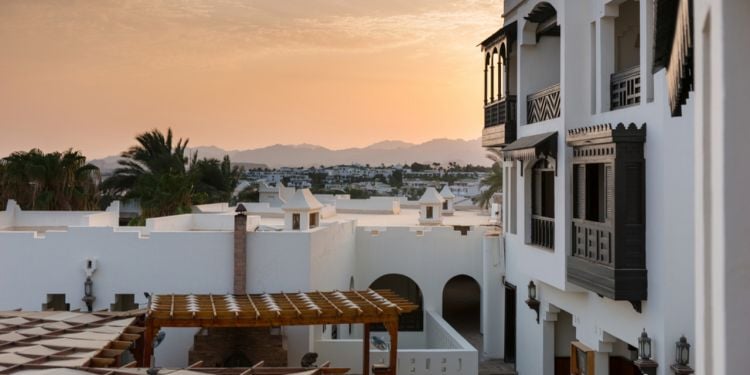
Accommodation in Marrakech
Relocating to Marrakech is going to be an exciting adventure, especially finding a property to ...
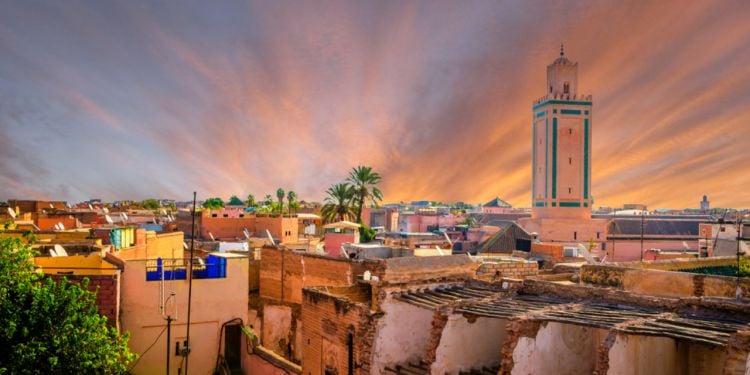
Buying property in Marrakech
Marrakech is experiencing a real estate bubble linked to various factors such as the modernization ...
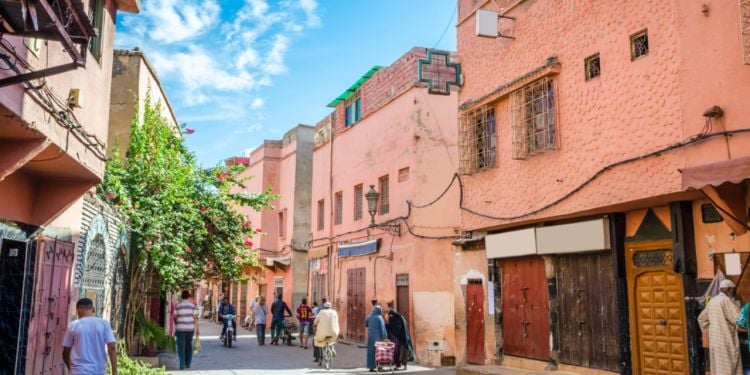
Choosing your neighbourhood in Marrakech
Marrakech comprises five leading neighborhoods, namely Medina, Mellah, Gueliz, Hivernage and ...
Leisure, culture & things to do
From its historic riads and traditional souks to stylish bars and international cuisine, there is plenty to see and do in Marrakech. The city's UNESCO-listed medina offers endless opportunities for discovery, while the nearby Atlas Mountains and desert provide ideal options for weekend trips.
Historical and cultural attractions
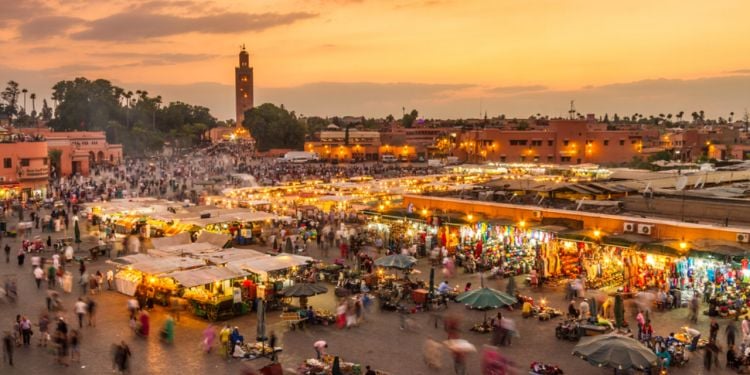
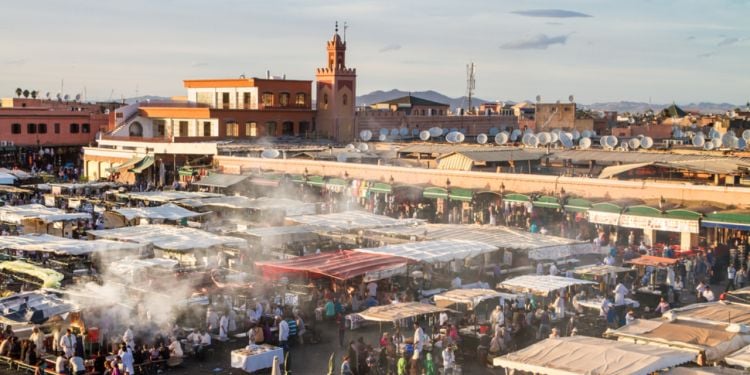
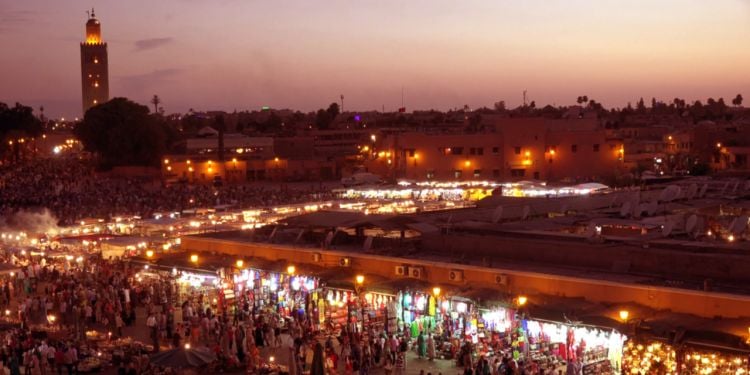
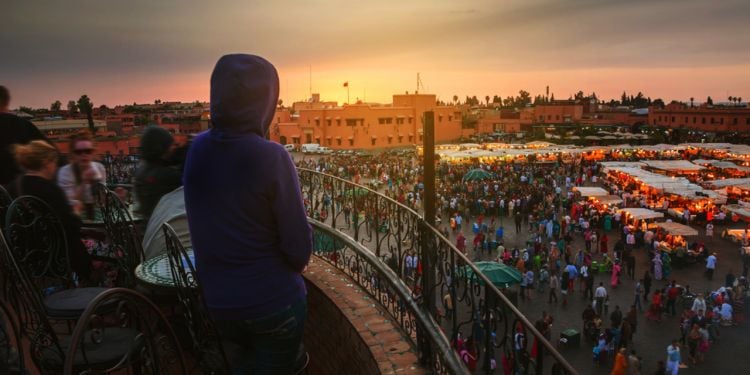
The Jemaa el-Fnaa, a UNESCO World Heritage square, is the heart of the medina. Each evening, it transforms into a sensory spectacle with food stalls, musicians, storytellers, and snake charmers. Nearby, the Koutoubia Mosque, with its towering 77-meter minaret, dominates the city skyline (non-Muslims cannot enter). Visitors can explore the Bahia Palace, a 19th-century masterpiece showcasing intricate tilework, painted ceilings, and tranquil courtyards. Outside the medina, the famous Jardin Majorelle, originally created by Jacques Majorelle and later restored by Yves Saint Laurent, features striking cobalt blue buildings set among exotic plant collections.
Dining, nightlife and outdoor activities
Marrakech's dining scene features everything from traditional Moroccan cuisine in atmospheric riads to diverse international options primarily found in Gueliz. Many popular spots offer rooftop dining with spectacular medina views. Nightlife in Marrakech is concentrated in licensed venues within hotels and resorts, as public alcohol sales are restricted elsewhere. For outdoor activities, weekend trips are popular, including hiking in the Atlas Mountains, camel riding in the Agafay Desert, or visiting Essaouira on the Atlantic coast.
Sources: Jardin Majorelle Official Website, Visit Marrakech
🔍To learn more
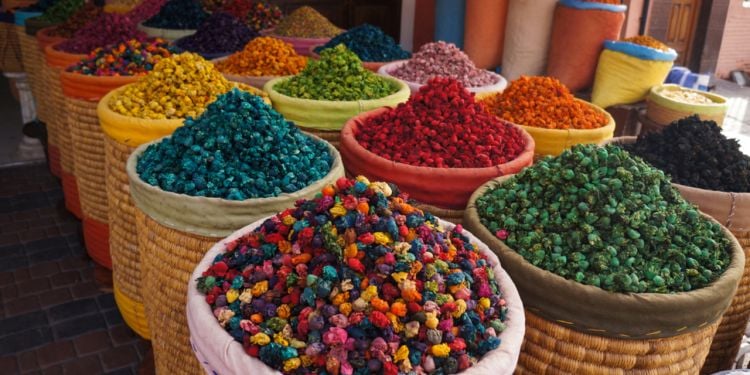
Things to do in Marrakech alone, with your partner, friends or family
Marrakesh is one of the world's liveliest cities. Once you are on the spot, you will be able to ...
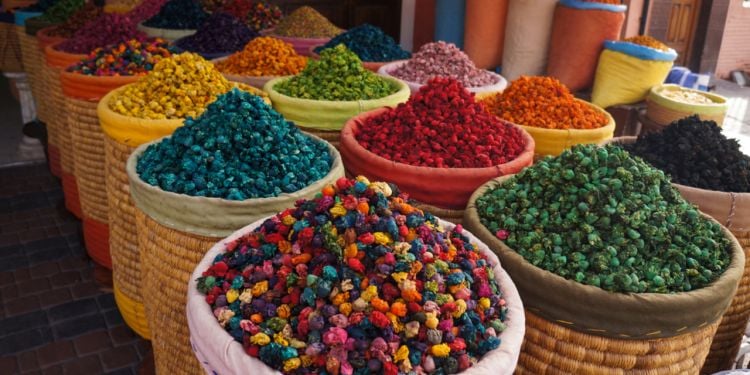
Things to do on weekends in Marrakech
There are many ways of spending your leisure time in Marrakech, such as cycling, quad biking, ...
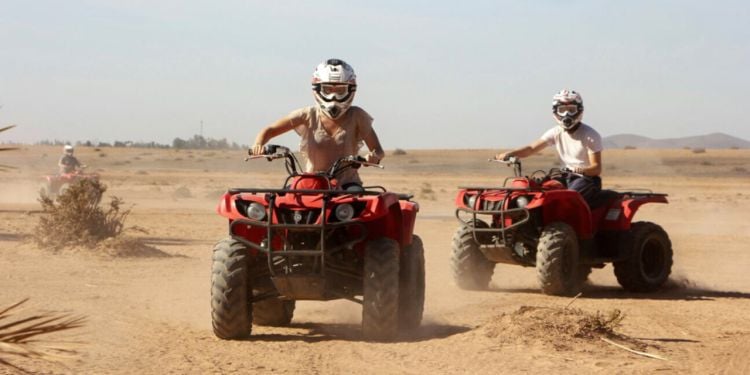
Sports in Marrakech
Most people of Marrakesh love sport. While many of them are football lovers, others like running ...
Daily life
Daily life in Marrakech follows a relaxed Mediterranean rhythm, with many businesses closing during the afternoon heat and reopening in the evening. The city experiences hot, dry summers with temperatures reaching 35–40°C (95–104°F) and mild winters averaging 15–20°C (59–68°F). Moroccan Arabic (Darija) is the language most commonly used in daily life, while French dominates business, government, and formal settings. English is increasingly spoken in tourist areas, hotels, international businesses, and by younger Moroccans.
Getting around Marrakech
Petit taxis, small beige or yellow cabs accommodating up to three passengers, are the most common way to get around the city. These services are typically metered, though drivers sometimes prefer to negotiate fixed prices. City buses operated by ALSA run on various routes, though they can be crowded and confusing for newcomers. Grand taxis, larger vehicles for longer distances, connect Marrakech to surrounding towns. Many expats choose to rent or purchase cars for greater flexibility.
Lifestyle and cultural considerations
Friday is the main day of rest, resulting in reduced operating hours for many businesses. During Ramadan, the month of fasting, daily schedules are significantly impacted, with limited business hours and restaurants closed during the day. Dress modestly when outside tourist areas, particularly in the medina and traditional neighborhoods. Moroccans place high value on hospitality and greetings, so learning basic Arabic or French phrases helps build relationships.
Source: ALSA Morocco
🔍To learn more
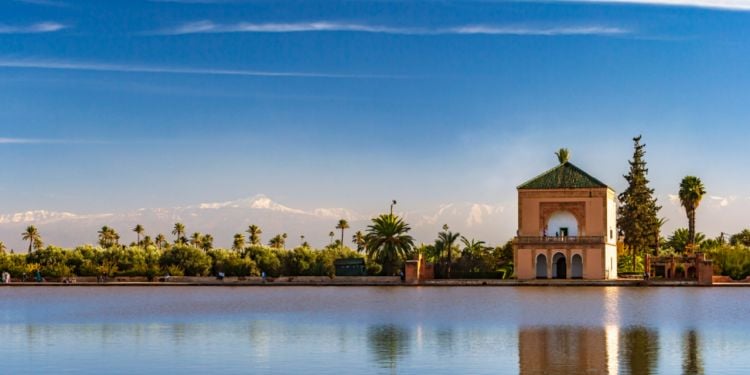
Discovering Marrakech
Marrakech is popularly known as the Red City for its red mud walls and buildings, and it is the ...
Adjusting to the local culture in Marrakech
The architectural heritage of Morocco is rich, especially Marrakech, with its magical world, ...
Developing your social circle in Marrakech
The people of Morocco, especially Marrakech, are well-known for their hospitality. When expats ...
Cost of living
The cost of living in Marrakech is one of the most affordable in North Africa, with costs substantially lower than European or North American cities. Housing, food, and domestic services are particularly inexpensive, while imported goods and international school fees carry premium prices.
Monthly expenses for a single person
Rent of a 1-bedroom apartment in the city center | MAD 3,000 - 6,000 |
Utilities | MAD 182 - 350 |
Groceries | MAD 1,000 - 2,500 |
Data correct as of December 2025.
Monthly expenses for a family of four
Rent of a 3-bedroom apartment in the city center | MAD 5,000 - 10,000 |
Utilities | MAD 500 - 1,200 |
Groceries | MAD 3,000 - 5,000 |
Data correct as of December 2025.
In short
Marrakech is a compelling option for expats seeking an affordable North African base with year-round sunshine and rich cultural experiences. The city's low cost of living, combined with good international schools and a growing expat community, makes it suitable for both working professionals and retirees. While adjusting to the pace of life and bureaucratic processes takes patience, the rewards include an authentic Moroccan lifestyle just hours from Europe. From exploring the medina's ancient souks to weekend trips in the Atlas Mountains, Marrakech offers diverse experiences that blend traditional and modern life. If you want to know more, check out our informative articles and guides. You can also join Expat.com's Marrakech forum to connect with others who've made Morocco their home and get insider tips on making your move successful.
We do our best to provide accurate and up to date information. However, if you have noticed any inaccuracies in this content, please contact us.


News & testimonies
Per in Marrakech: "We live in the present here and are truly very relaxed"
Per comes from Stockholm. He moved to Marrakech in January 2015 with his partner and their dog. Per is involved in local charity activities. He also enjoys learning Arabic, working out and hanging out with friends.

Angie in Marrakech: "Respect and family values are prevalent everywhere"
Angie comes fro Nebraska. She settled in Marrakech four years ago after marrying a Moroccan national. Nowadays, she enjoys discovering the city, visiting friends and drawing.

Kathryn in Marrakech: "I love the Medina for its rich history and lifestyle"
US expat, Kathryn fell in love with Morocco in March 2007. Following several trips, she decided to settle in Marrakech where she works as an English teacher. She also loves belly dancing.

Morocco earthquake: Expats share tales of tragedy and resilience
Morocco has caught the world's attention following the deadly earthquake it was struck by last Friday. According to the United States Geological Survey (USGS), the tremors were of magnitude 6.8, while the Moroccan Geophysical Center recorded the magnitude at 7.2. The local media points out that this is the strongest earthquake the country has experienced in over 120 years. Expats who have been in Morocco for several years have seen their lives turn into a nightmare in just a few minutes.
Essential services for your expat journey



