Working from home, flexible hours, and redesigned office spaces have become part of everyday working life and no longer raise eyebrows. But some companies are going even further, experimenting with increasingly original, sometimes surprising, workplace practices. While these initiatives may seem amusing or trivial to some, others see them as having a real impact on employee well-being. So what are these unusual new trends shaping the world of work?
Imagine arriving at work, kicking off your tight shoes and slipping into a pair of soft, cozy slippers. A small gesture, but one that can completely transform the atmosphere.
“We realized it changed everything. The mood became more relaxed, warmer and more equal. Walking around in slippers makes hierarchical differences feel far less noticeable,” says an employee at the Oslo-based startup ReMarkable, which introduced this policy (testimony reported by Les Echos).
The idea is gaining traction. In fact, it draws inspiration from long-standing traditions in Asian cultures. In Japan, for instance, removing your shoes when arriving at work, even in factories, is common practice in many companies. It's not just about hygiene but also about comfort and about symbolically drawing a line between the outside world and the workplace.
Some companies take it even further. According to Cordula Barzantny, Professor of International and Intercultural Management at TBS Education, employees in Silicon Valley are sometimes seen walking around barefoot at the office. A bold invitation to authenticity and comfort.
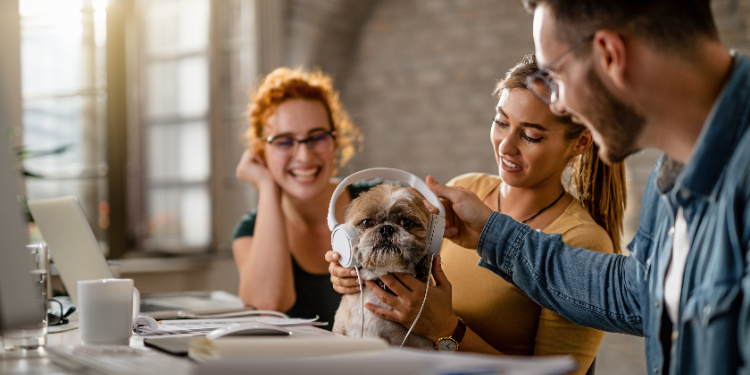
Yes, this trend is spreading too. Known as “pet at work”, the concept goes far beyond a simple feel-good perk. Several studies suggest it improves quality of life at work. The presence of a dog or cat, the most common companions, can reduce stress, encourage interaction between colleagues, and create a more welcoming atmosphere, even strengthening team dynamics. Another reported benefit: helping to counter sedentary behavior.
Of course, clear rules are essential for success, including hygiene, safety, respect for shared spaces, and handling allergies, among others. But when appropriately implemented, pet-friendly policies can become a genuine asset within modern HR strategies, as explained by a consultancy specializing in helping employers welcome dogs into the workplace. “Gen Z tends to get a dog before having children. More importantly, they see their pet as a full member of the family.
‘Pet at work' companies show that they recognize this new concept of family and the desire to blend professional and personal life,” the consultancy explains.
Join the community
Get regular tips and advice to make the most of your expat life
Office naps: A dream coming true
It may sound appealing, but many still fear being seen as lazy or unproductive. Yet office naps are gaining ground and have even become an officially recognized practice in some companies. Major players such as Google, Uber and Ben & Jerry's allow naps and provide dedicated spaces for them. These “nap rooms” save employees from collapsing over their keyboards between emails and coffee cups.
At Ilobed, a company based in Roubaix, France, mattresses, blankets, pillows, magazines and tea await employees in a room dedicated entirely to rest. Every detail is carefully considered. Employees can bring their own sheets, while company-provided bedding is changed weekly, explains Chloé Baudin, the startup's director.
These initiatives reflect a growing awareness of the benefits of napping at work, such as improved concentration, greater creativity, and reduced stress, as confirmed by several studies on the health consequences of sleep deprivation, including research from the National Institutes of Health.
As we already know, suits and tailored businesswear have disappeared from many workplaces. “Business casual” has become the norm, with jeans, comfortable shoes, polo shirts, or relaxed shirts now widely accepted. In fact, 43% of American employees say their workplace no longer enforces a dress code, according to a survey by job site Monster.
In some companies, business casual goes even further. T-shirts and even flip-flops are allowed, much to the delight of sandal manufacturers. Minimalist sandals are now part of officewear trends, ideally suited to wide-leg trousers, lightweight blazers, or fluid shirts at work.
A haircut at work? Why not?
Between errands, medical appointments, and everyday commitments, finding time to visit the hairdresser isn't always easy. The result? A hairstyle that hasn't seen scissors in months, or worse.
Some companies have found a solution. At firms like Samsung, employees can get their hair cut directly at the workplace. The concept is simple: bring the salon to the office. Companies such as Biz & Cut specialize in beard trims and on-site haircuts.
Once an agreement is set up with your employer, Biz & Cut schedules regular on-site time slots, and employees simply book an appointment online. For more complex services, such as coloring, perms, or elaborate cuts, appointments still need to be made outside working hours at fully equipped salons.
Other personal services are also making their way into the workplace: massages, manicures, fitness programs, and mental health support, among others.
Another growing trend focuses on creating more engaged and participatory workplaces through sustainability initiatives. That's the approach taken by Choice Hotels International, a global hospitality leader, which installed beehives at its headquarters in the United States. The initiative supports local biodiversity while encouraging employees to engage with environmental issues. Staff can take part in setting up and maintaining the hives, attend beekeeping workshops, learn about pollinators, and even join honey-tasting sessions.
Talking business in a sauna
A new networking trend is emerging in the tech world, and it's a surprising one. As The Wall Street Journal reports, after LinkedIn posts, business lunches and conferences, some Silicon Valley leaders have found an unexpected place to talk business: the sauna.
Inspired by Finnish culture, where sauna-going is almost a way of life, Valo founder Jari Salomaa organized a “social sauna” during the latest Salesforce conference in San Francisco. Less formal than a dinner and more original than a cocktail reception, the sauna has become a space for conversation between investors, entrepreneurs, and clients.
Of course, it takes some getting used to: bathrobes, swimsuits, and varying levels of perspiration. But this informal closeness is increasingly appealing to tech professionals looking for new ways to build and strengthen their networks.
As these initiatives continue to multiply, it may soon come as no surprise to find kombucha on tap, libraries, dartboards, or even slides in certain workplaces.
Holder of a degree from the French Ministry of Education and a Master II in Language Policy, I have had the opportunity to live in Japan and China, and am currently based in Germany. My activities revolve around writing, teaching and managing programs.