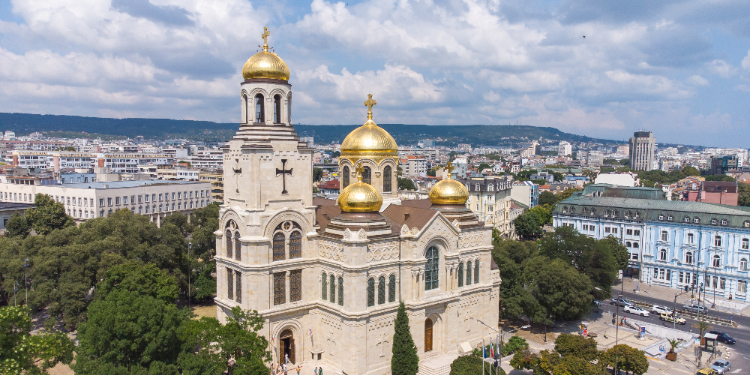
Thinking about where to relocate? The 2025-2026 expat trends highlight several emerging destinations, and Bulgaria is high on the list. Many expats now see it as one of the best places in Europe to begin a new chapter. Its growing popularity comes down to a few key advantages: a lower cost of living than most major expat hubs, a very competitive tax system, and a climate that easily rivals that of Mediterranean countries.
35,000—that's how many work permits Bulgaria has issued to non-EU nationals since the beginning of 2025, according to the National Employment Agency. Like many European countries, Bulgaria is dealing with persistent labor shortages. This summer alone, around 50,000 foreign seasonal workers were expected to support the tourism sector, one of the industries most affected by the lack of staff. Tourism remains the largest employer of foreign workers, followed by construction and transport.
The country attracts both low-skilled and highly qualified professionals, with strong demand in tech and advanced engineering. Most non-EU newcomers arrive from Turkey, Uzbekistan, Kyrgyzstan, India, Nepal, and Indonesia.
Despite government efforts to encourage the return of its diaspora, an estimated 2.5 million Bulgarians live abroad, and shortages persist. Since the start of the year, approximately 60,000 Bulgarians have returned home, bringing the total to around 400,000 over the past three years. Yet employers estimate that around 800,000 Bulgarians remain inactive (neither working nor studying), including 200,000 to 250,000 young people under 30.
To address these gaps, the government is working on several fronts: bringing back its nationals, increasing youth employment, and attracting more foreign talent. The latter remains crucial for companies facing immediate staffing needs. Employers, however, are urging faster and simpler procedures, as obtaining a work permit currently takes six to nine months, far too long in today's competitive global job market.
Another key advantage of Bulgaria is its affordability. Rent, utilities, internet, and groceries all cost significantly less than in countries like the United States, Australia, or Canada, where stricter immigration rules also make relocation more complex. Bulgaria consistently ranks among the cheapest countries in Europe.
Salaries are indeed lower than in traditional expat hubs, but they need to be assessed alongside the country's much lower cost of living. Expats aiming for higher earnings typically look to well-paid fields such as tech or finance.
For European expats, budgeting will soon become even simpler: Bulgaria is scheduled to adopt the euro on January 1, 2026. The transition, however, is not universally welcomed. Many locals worry about potential price increases once the euro is introduced. According to the May 2025 Eurobarometer survey, 43% of Bulgarians supported the currency change, while 50% were opposed.
Join the Bulgaria community
Get regular tips and advice to make the most of your expat life
A favourable tax system
Thinking of starting a business? Bulgaria is well worth considering. The country offers one of the most attractive tax systems in the European Union. Companies pay just 10% corporate tax and 5% tax on dividends, and social contributions are lower than in most other EU member states.
Individuals benefit from the same advantages, including a flat 10% income tax rate. Foreign retirees enjoy an additional incentive: their pensions are tax-exempt for the first ten years of residence. Bulgaria also imposes no wealth tax, and to avoid double taxation, it has signed agreements with numerous countries around the world.
Sofia, Varna, and Plovdiv, Bulgaria's main international hubs, are rapidly gaining recognition among expats. Their architecture, cultural heritage, and surrounding landscapes leave a lasting impression, and their climate offers long, lingering summers that often stretch well into autumn.
Outside the major cities, Bulgaria showcases an impressive range of scenery, from beaches and mountain ranges to expansive rural landscapes. Nature lovers, families, and digital nomads all find something to suit their lifestyle. This combination of natural diversity and cultural richness is a major driver of the country's growing appeal among foreign residents.
What to consider when moving to Bulgaria
While some expats jump into their new chapter with little planning, taking the time to prepare makes the move and the subsequent adjustment much easier. You can't plan for everything, of course, but a little foresight can make a significant difference.
Learning the language
You can't overstate the importance of speaking the local language. Whether you settle in one of the major cities, such as Sofia, Varna, or Plovdiv, or in a smaller town, it's worth starting Bulgarian lessons before you move.
Choosing the right location
Unsurprisingly, most expats live in the major urban centres, with Sofia leading the way. Still, some prefer rural areas, where buying property is more affordable and life is quieter. The choice shouldn't be impulsive. Consider your lifestyle, commuting distance, work or business plans, access to schools and healthcare, and local transport options before deciding where to settle.
Administrative formalities
EU citizens don't need a visa or work permit to enter or work in Bulgaria. Non-EU nationals, however, must apply for both. Still, bureaucracy can be challenging for everyone. From applying for a residence card to buying or renting property, registering a vehicle, opening a bank account, or starting a business, administrative procedures can be time-consuming and confusing. Seeking professional advice from local legal, real estate, or financial experts is often worth it.
Visas and work permits
While EU citizens are free to live and work in Bulgaria, they must apply for a residence card if they stay longer than 90 days. Non-EU citizens can apply for two main types of visas: Visa C, for short stays up to 90 days, or Visa D, for long-term stays, such as work, study, retirement, or marriage. Those planning to work in Bulgaria must also obtain a work permit, which is usually requested by the employer through the National Employment Agency.
Freelance web writer specializing in political and socioeconomic news, Asaël Häzaq analyses about international economic trends. Thanks to her experience as an expat in Japan, she offers advices about living abroad : visa, studies, job search, working life, language, country. Holding a Master's degree in Law and Political Science, she has also experienced life as a digital nomad.