

 Guide updated by lucikelemen on 12 August 2026
An EU member since 2004 and part of the Schengen area, Hungary attracts a fast-growing expatriate community thanks to a cost of living 24% below the European average, one of the most competitive tax regimes on the continent and a remarkable urban setting in Budapest. With a population of 9,585,818 and an economy in recovery (GDP growth of +0.5% in 2025, +1.7% projected for 2026 by the IMF), the country attracts tech professionals, freelancers, retirees and digital nomads from across Europe and North America.
5 strong reasons to relocate to Hungary
- One of the most attractive tax systems in Europe: 15% flat tax on personal income, 9% corporate tax (the lowest in the EU), no wealth tax and full inheritance exemption for direct heirs
- A very contained cost of living: Budapest is 50% cheaper than London and 36% cheaper than Berlin (Numbeo 2026)
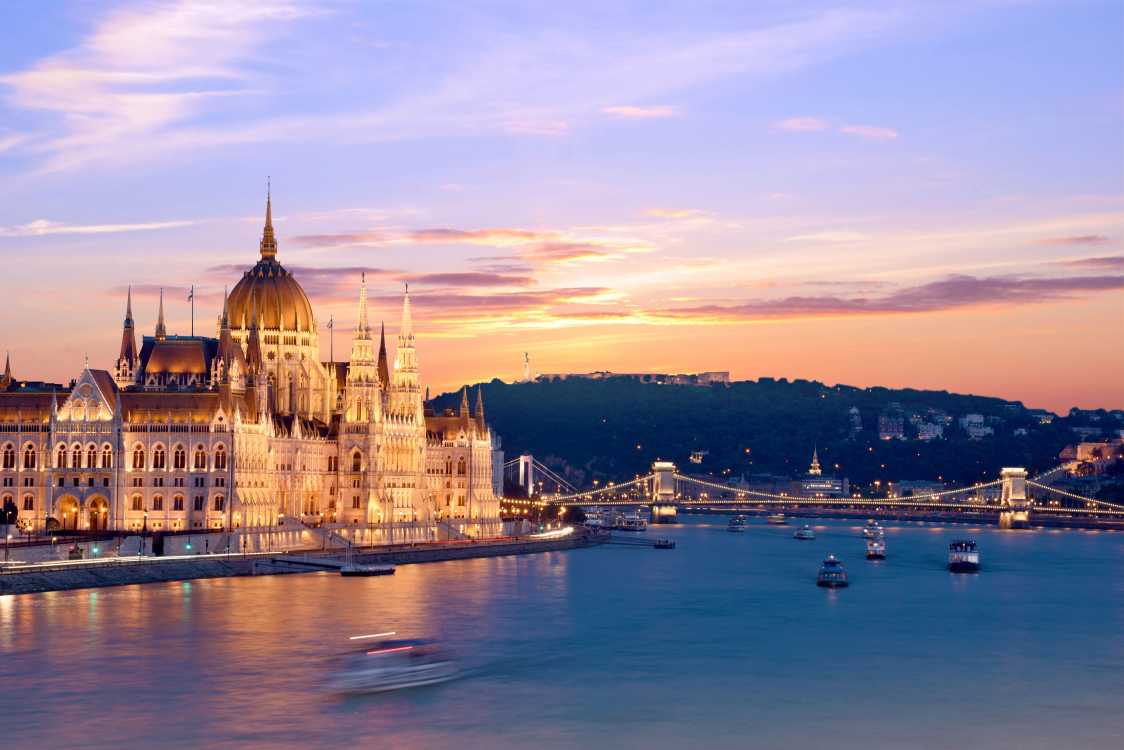
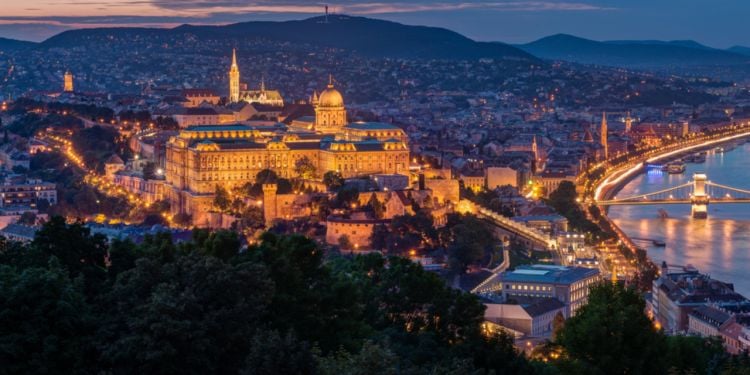
- Budapest, the "Paris of the East": UNESCO-listed neo-Baroque and Art Nouveau architecture, more than 120 thermal springs in the city and a vibrant cultural scene
- The digital nomad White Card (fehér kártya) is among the most accessible visas in Europe: minimum income of EUR 3,000 per month and a streamlined process
- Strategic position in Central Europe: Vienna, Prague, Bratislava and Zagreb are all within 2 to 3 hours from Budapest
Your setup journey
Guide in 13 steps. Click any step below to jump directly to the section you need.
01Where to live in Hungary: Budapest and alternative cities
Budapest concentrates the vast majority of the expat community and professional opportunities, but cities such as Debrecen, Pécs, Szeged and Győr offer attractive alternatives at even lower cost and with a distinctive quality of life.
Budapest: the unmissable capital
With its ~1.68 million inhabitants (~2.4 million including the metro area), Budapest centralises all the international amenities in the country. The average rent for a 1-bedroom in a central district ranges from EUR 625 to EUR 1,125 per month depending on the neighbourhood. All international schools are based here (ISB, AISB, BIS, SEK, Britannica, Deutsche Schule). Infrastructure includes a 4-line metro (M1-M4), an extensive tram and bus network operated by BKK, and Budapest Ferenc Liszt Airport (BUD) located 30 minutes from the centre via bus 100E. Excellent private clinics (FirstMed, Buda Health, IMS) and a wide network of coworking spaces (Loffice, Impact Hub, Coworking Kálvin) cater to international professionals. The city attracts tech workers, multinational SSC employees, entrepreneurs, digital nomads, affluent retirees and diplomats, with active communities such as InterNations Budapest and the American Community Budapest.
Debrecen: the eastern industrial and university hub
Hungary's second city with around 205,000 inhabitants, Debrecen leverages industrial growth (Mercedes-Benz factory, BMW Debrecen coming online progressively from 2025) and a renowned university (medicine, sciences, with over 30,000 students). Rents for a 1-bedroom in central Debrecen are around EUR 400-500 per month. Less cosmopolitan than Budapest but only 2.5 hours away by train, the city offers a high quality of life. The International School of Debrecen serves expat families.
Pécs: medieval city in the south
With its 145,000 inhabitants, Pécs charms with its medieval and Ottoman heritage (UNESCO-listed Pasha Gazi Kasim Mosque, historic cathedral). This university town offers a relaxed quality of life and very accessible rents: EUR 300-400 per month for a 1-bedroom in the centre. Allow 2.5 hours by train to reach Budapest.
Szeged and Győr: south-east and north-west alternatives
Szeged, the sunny southern city famous for its paprika, has a large university and rents between EUR 350 and EUR 450 per month for a 1-bedroom. The rail link with Budapest is excellent (1.5 hours). Győr (125,000 inhabitants) in the north-west is an automotive hub centred on Audi Hungary (since 1993), only 1 hour by car from Vienna and 40 km from the Austrian border. Rents: EUR 450-550 per month for a 1-bedroom. A relevant choice for those who value modern infrastructure and proximity to Western Europe.
Explore our city guides
02Visas, residence permits and administrative setup in Hungary
Immigration procedures in Hungary depend strongly on whether you are an EU/EEA national or a third-country citizen. EU nationals enjoy automatic residence rights, while non-EU expats can choose between several pathways including the well-known White Card for digital nomads. The competent authority for all immigration matters is the OIF (Országos Idegenrendészeti Főigazgatóság), the National Directorate-General for Aliens Policing.
EU/EEA and Swiss citizens: automatic residence
EU, EEA and Swiss nationals have an automatic right to live and work in Hungary without a visa. For stays exceeding 90 days, registration with the immigration authorities is recommended. The European Health Insurance Card (EHIC) covers temporary medical needs, but enrolment in the Hungarian NEAK system becomes necessary for permanent residents.
The White Card: the digital nomad visa
Designed to attract remote workers, the White Card (fehér kártya) targets non-EU citizens working for foreign employers or clients. The conditions are remarkably accessible compared with most European nomad visas:
- Minimum net income of EUR 3,000 per month, evidenced over the previous 6 months
- Remote employment contract with a non-Hungarian company, or shareholding in a foreign company managed remotely
- Valid health insurance in Hungary with minimum coverage of EUR 30,000
- Registered accommodation (lease or property deed)
- Passport valid at least 6 months beyond the permit expiration
The permit is granted for 1 year and can be renewed once (2-year maximum). Processing takes 3 to 4 months and notably does not require apostilled or notarised documents, a rare administrative simplification in Europe. Important caveat: the White Card does not lead to permanent residence or citizenship, and time spent under this status does not count toward those qualification periods. Applications are filed through the Enter Hungary platform or at a Hungarian consulate.
Work permits, Golden Visa and permanent residence
For local employment, a standard work permit is required, conditional on a prior job offer from a Hungarian employer (the labour market test was eased in 2024). The Guest Investor Program, relaunched in 2024, offers a residence pathway through investments starting at EUR 250,000 (real estate fund or government bond) or EUR 500,000 in direct real estate, eventually leading to citizenship eligibility. Permanent residence (tartózkodási engedély) requires 3 years of continuous legal residence (excluding time spent under the White Card), and naturalisation requires 8 years of permanent residence, plus a Hungarian language test and history exam. Hungary maintains over 73 double taxation treaties to facilitate professional mobility. Once settled, registration on the Ügyfélkapu portal (the central government online account) is essential to manage taxes, digital health and other public services.

03Working and Doing Business in Hungary: Strong Market and Tax Advantages
Hungary's labour market is in robust shape with an unemployment rate of 4.1% in early 2025, and Budapest has emerged as the second-largest hub for shared service centres (SSCs) in Central Europe after Prague. For expats, professional bilingualism opens doors in multinationals, automotive, pharma and finance.
Labour market and key sectors
Budapest concentrates most expat-friendly opportunities. The most dynamic sectors include IT and software (developers, data, cybersecurity) with major employers such as IBM, SAP, Emerson, GE and a growing local startup ecosystem (Prezi, LogMeIn, Bitrise). The automotive industry remains a pillar with Mercedes-Benz in Kecskemét, Audi in Győr, Suzuki in Esztergom and the BMW plant under construction in Debrecen. The pharmaceutical sector (Gedeon Richter, Teva, Egis, Sanofi) recruits researchers and regulatory profiles. Finally, international universities (CEU, ELTE, BME, Corvinus) regularly seek English-speaking faculty.
Salaries and social contributions in 2026
The table below summarises the main wage benchmarks and social contributions, essential for evaluating an employment or freelance project in Hungary.
Indicator | Gross amount | EUR equivalent |
Standard minimum wage 2026 | HUF 322,800/month | ~EUR 808 |
Guaranteed minimum wage (skilled roles) | HUF 373,200/month | ~EUR 933 |
Average gross salary | ~HUF 620,000/month | ~EUR 1,550 |
Employee social contributions | 18.5% of gross | - |
Employer charges (social tax + training) | 14.5% on top of gross | - |
Sources: Forvis Mazars, Wage.is (KSH data), Eurofound.
A three-year social agreement plans +11% in 2026 (effective) and +14% projected in 2027 for the minimum wage. The standard work week is 40 hours (48 hours legal maximum) and there is no mandatory 13th month payment.
Self-employment and freelance regimes
Hungary offers several highly favourable regimes for the self-employed. The KATA status applies a flat fee of HUF 50,000 per month (~EUR 125) covering taxes and contributions, capped at HUF 18 million annual revenue (~EUR 45,000), reserved for individuals. Átalányadózás (lump-sum taxation) provides automatic deductions of 40% to 90% depending on the sector. The KIVA regime offers 10% taxation on cashflow for SMEs under 50 employees, replacing corporate tax and social contributions. Finally, the egyéni vállalkozó (sole proprietorship) is the simplest structure to start. Note that Budapest has become Europe's leading destination for dental tourism, with services 40 to 70% cheaper than in Western Europe - a significant niche for entrepreneurs in the medical services sector.




04Renting a property in Hungary: understanding Budapest and its market
Budapest is split by the Danube into two halves with distinct characters, and concentrates most of the rental market for expats. Understanding the city's 23 districts and recent market dynamics (notably the Airbnb moratorium effect) is essential for finding the right home.
Buda, Pest and the 23 districts
The west bank, Buda, gathers the hills, historical heritage and green residential family neighbourhoods. The east bank, Pest, flat and urban, hosts business life, nightlife, restaurants and shopping. The 23 districts are numbered in Roman numerals (I to XXIII), with the most central being districts I, II, V, VI, VII, IX, XI, XII and XIII. Foreign nationals can buy property without restriction (except classified rural agricultural areas) and access mortgages with a valid residence permit.
Rental market and 2026 prices
The rental market is in moderate growth (+4% year-on-year at end-2025), with one notable feature: the moratorium on new Airbnb licences in force since January 2025, and the total ban on short-term rentals in district VI from 2026, are expected to bring more units back to the long-term market. The main search platforms are ingatlan.com, otthon.hu and mhomes.hu. The table below shows monthly rental ranges for Budapest in 2026.
Property type | Premium districts (V, II, XII) | Expat districts (VI, VII, IX, XI, XIII) |
Studio | HUF 200,000–280,000 (EUR 500–700) | HUF 160,000–230,000 (EUR 400–575) |
1-bedroom | HUF 300,000–450,000 (EUR 750–1,125) | HUF 250,000–322,000 (EUR 620–805) |
2-bedroom | From HUF 450,000 (EUR 1,125) | HUF 320,000–450,000 (EUR 800–1,125) |
For purchases, central Budapest new builds exceed EUR 3,697/sqm, the national average for new builds is around EUR 2,958/sqm, and the national second-hand average sits at EUR 1,303/sqm - Hungary ranks 7th in Europe for housing affordability (Numbeo 2026).
Popular expat neighbourhoods
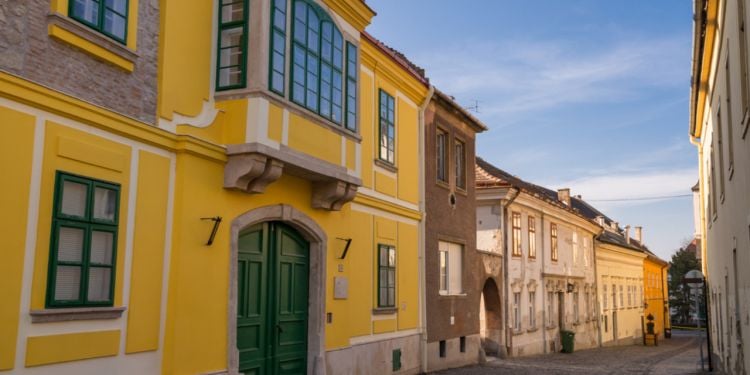
On the Pest side, district V (Belváros) remains the most prestigious: Parliament, the Danube, embassies. District VI (Terézváros), with the UNESCO-listed Andrássy Avenue, and district VII (Erzsébetváros), the "Jewish quarter" famous for its ruin bars, are favourites of digital nomads and young expats. District IX (Ferencváros) offers the best value for money in central Budapest, and district XIII (Angyalföld) attracts tech workers thanks to the Westend business hub. On the Buda side, district XI (Újbuda) is ideal for families, while district II (Rózsadomb) and district XII (Hegyvidék), on the hills, host villas and high-end residences.
Join the discussion on the forum
05Cost of living in Hungary: Budapest 50% cheaper than London
Hungary is one of the most affordable countries in the European Union, with prices 24% below the European average (Eurostat). According to Numbeo (April 2026), Budapest is 50% cheaper than London, 36% cheaper than Berlin and comparable in affordability to many smaller cities while offering big-capital amenities. For an expat coming from Western Europe, North America or Australia, purchasing power is significantly higher at equivalent salary.
Monthly budget for a single person in Budapest
The table below details a typical monthly budget for a single person living comfortably in Budapest, based on April 2026 Numbeo data and field collection from local sources.
1-bedroom furnished, central | EUR 625–875 |
Groceries and food | EUR 200–300 |
Public transport (BKK monthly) | EUR 22 |
Utilities (water, electricity, heating) | EUR 125 |
Internet and mobile | EUR 37 |
Leisure, dining, thermal baths | EUR 100–200 |
Total monthly estimate | EUR 1,125–1,750 |
Monthly budget for a family of four in Budapest
For a family of four, Numbeo estimates non-rent expenses at around EUR 3,000 per month as of April 2026. The table below shows an indicative range covering housing and main spending lines.
3-bedroom rental, central | EUR 1,200–1,800 |
Groceries and food | EUR 600–900 |
Transport and travel | EUR 100–150 |
Utilities and services | EUR 250–350 |
International school (per child) | EUR 425–860 |
Family leisure and dining | EUR 300–500 |
Total monthly estimate | EUR 3,300–4,800 |
Concrete benchmarks: a meal at an inexpensive restaurant costs HUF 1,500–2,500 (EUR 3.75–6.25), a coffee with pastry HUF 700–1,200, a single metro ticket HUF 500 (EUR 1.25), petrol around HUF 650 per litre and a gym membership EUR 25–37 per month.
Sources: Hungary Cost of Living Guide 2026, Numbeo Budapest (April 2026), Imigrant Hungary.
06Hungarian healthcare: universal public system and excellent private sector
Hungary operates a universal public healthcare system, complemented by a well-developed private sector used by around 65% of residents to reduce waiting times and access English-speaking specialists. For expats, understanding how NEAK and the TAJ card work is essential.
NEAK and the public system
The public system is funded by NEAK (Nemzeti Egészségbiztosítási Alapkezelő) through social security contributions. Access is granted via the TAJ card (Hungarian social security number), automatically issued to contributing residents. Hungary ranks 34th globally on the Global Health Security Index 2021 - a competent level but below Western Europe. Public waiting times can be long, and some Budapest hospitals dating from the early 20th century are less well-equipped than university teaching hospitals in regional cities (Pécs, Debrecen, Szeged). The government health app EgészségAblak manages appointments, medical records and digital prescriptions. For emergencies, dial 112 (European emergency number, English available 24/7) or 104 (ambulance).
Access for expatriates
Healthcare access varies by status:
- EU/EEA citizens: EHIC accepted for emergency care; TAJ card issued upon starting local employment or via voluntary NEAK registration
- Non-EU locally employed: automatically enrolled in NEAK through employer social contributions
- White Card holders and other non-contributors: voluntary NEAK (fixed monthly payment) or mandatory private insurance with minimum coverage of EUR 30,000
For internationally mobile professionals, taking out an international private health plan in addition to the local system is often a wise choice — particularly for English-language specialist access.
Private clinics for expats in Budapest
The expat community largely turns to multilingual private clinics, which offer service quality comparable to Western Europe at significantly lower prices. FirstMed Centers (district II) is the absolute reference, with a fully English-speaking team and consultations between EUR 80 and EUR 150. Buda Health Center (district XII) and International Medical Services (IMS) (district XIII) round out the offer. International private health insurance (Cigna Global, AXA, Bupa Global) costs between EUR 300 and EUR 1,200 per year depending on coverage and age. Budapest is also Europe's capital of dental tourism, with services 40 to 70% cheaper than in Western Europe.
Discover more


Join the discussion on the forum
07Hungarian taxation: 15% flat tax and the EU's lowest corporate rate
Hungary's tax system is one of the country's most attractive features for expatriates and entrepreneurs. Administered by the NAV (Nemzeti Adó- és Vámhivatal), it combines a flat-rate personal income tax, an ultra-competitive corporate tax and the absence of wealth tax. Hungary has signed over 73 double taxation treaties, securing the tax position of expats from most Western countries.
Personal income tax: a 15% flat rate
Hungarian personal income tax (SZJA) is levied at a single rate of 15% on virtually all income, with no progressive bracket. Tax residency is established after 183 days of presence per year, or where the permanent home or centre of vital interests is located in Hungary. Residents are taxed on worldwide income; non-residents are taxed only on Hungarian-sourced income. Several major exemptions apply: young people under 25 are exempt on employment income up to the median wage, mothers of 3 children under age 40 have been fully exempt since 1 October 2025, and mothers of 2 children since 1 January 2026 (with progressive extension to older mothers through 2029). Pensions and Hungarian government bonds are also tax-exempt. Annual returns are pre-filled in March (form 25SZJA), with a deadline of 20 May, extendable to 20 November.
Social contributions and effective tax rate
Employees pay 18.5% in social contributions on gross salary, broken down into pension (10%), health (4% + 3% for cash benefits) and unemployment (1.5%). The combined effective rate on gross income is therefore 33.5% (15% income tax + 18.5% social) before deductions, which remains competitive in Europe. Employer charges include the social tax (szociális hozzájárulási adó) at 13% and the training contribution at 1.5%, totalling 14.5% on top of gross.
Corporate tax and VAT
Corporate tax is set at 9%, the lowest rate in the European Union. VAT (ÁFA), however, is the highest in Europe at 27%, with reduced rates of 18% (hospitality, restaurants, internet access, dairy products) and 5% (medicines, books, fresh meats). The VAT exemption threshold was raised to HUF 18 million per year in January 2025, a significant advantage for micro-entrepreneurs.
Other taxes and international agreements
Hungary levies no wealth tax and fully exempts direct heirs (children, spouse) from inheritance duties — a feature that makes the country attractive for estate planning. The standard inheritance tax rate is 18%, reduced to 9% for residential property. A local business tax (HIPA / iparűzési adó) is collected by municipalities (max 2%, around 2% in Budapest). Hungary maintains tax treaties with over 73 countries including the UK, Australia, Canada, Germany and most EU states. Important for US citizens: the US-Hungary tax treaty was terminated effective 1 January 2024, creating significant double taxation risks for Americans residing in Hungary, although the social security totalization agreement remains in force. US expats remain subject to FATCA reporting obligations.
Sources: NAV, PwC Tax Summaries, IRS.


Join the discussion on the forum
08Studying in Hungary
Hungary is fast becoming a leading destination for international students in Europe. Its universities have climbed steadily in global rankings, reflecting stronger research output, growing academic reputation, and a more international outlook. Combined with comparatively affordable tuition fees and a wide range of English-taught programs, Hungary offers a compelling balance of quality and value for students seeking a European education.
The international student community is notably diverse, with students arriving from more than 160 countries. In 2025, Hungary hosted around 38,000 international tertiary students, many from countries such as Germany, China, Romania, Iran, and Serbia. Popular fields of study include medicine, engineering, IT, business, and economics, where Hungarian institutions are particularly well regarded. Universities also actively support students through the residence permit process via the 'Enter Hungary' system, helping to make student visas relatively straightforward to obtain.
Top universities in Hungary
• Eötvös Loránd University (ELTE) - a historic, research-intensive institution in Budapest.
• University of Szeged - strong life sciences, medicine, and social sciences programs, and a top pick for international students.
• Budapest University of Technology and Economics (BME) - engineering and technology powerhouse, with many English-taught technical and IT programs.
Uselink links:
Tempus Public Foundation - international education
Discover more
09Schools in Hungary: from free public education to international schools
The Hungarian education system is free for all residents, including foreigners, but instruction is exclusively in Hungarian - making the public option less suitable for non-Hungarian-speaking children. Budapest more than compensates with a dense offering of international schools.
The Hungarian public system
The Hungarian public education system is structured as follows: óvoda (kindergarten 3-6 years, free and compulsory from age 3), általános iskola (primary school 6-14 years) and középiskola (high school 14-18 years), equivalent to a high school diploma. Full free access is a clear advantage, but instruction exclusively in Hungarian limits its usefulness for expat children arriving later in their schooling.
International schools in Budapest
Budapest concentrates all of the country's international schools. The main institutions include:
- International School of Budapest (ISB): IB World School, fees 2025-26 ~HUF 5,445,000 (~EUR 13,600) for the first year
- American International School of Budapest (AISB): American curriculum and IB, fees ~HUF 6,513,965 (~USD 16,285)
- British International School Budapest (BIS): British curriculum (IGCSE and A-Levels)
- SEK Budapest International School: trilingual (Spanish/English/Hungarian), IB
- Britannica International School: British curriculum
- Deutsche Schule Budapest: German curriculum
International school fees range from EUR 5,100 to EUR 10,300 per year, excluding one-time enrolment fees (typically USD 1,000 to 2,500 additional). Bilingual private kindergartens charge between EUR 200 and EUR 400 per month.
Hungarian universities
Hungarian higher education has a strong reputation, particularly in medicine and dentistry, with fees well below those in Western Europe and North America for non-EU students: EUR 3,000 to EUR 5,000 per year for a bachelor's degree, EUR 4,000 to EUR 6,000 for a master's. Medicine and dentistry programmes range from EUR 12,000 to EUR 16,000 per year, remaining highly competitive. Major universities include ELTE (Eötvös Loránd University), BME (Budapest University of Technology and Economics), Corvinus University, and the universities of Szeged, Debrecen and Pécs. The Stipendium Hungaricum scholarship covers complete studies for international students from partner countries.
Discover more

10Settling in Hungary: a practical checklist of essential steps
Settling in Hungary requires coordinating several procedures in a specific order. Here is a practical checklist of what to handle in the first weeks after arriving in Budapest or another Hungarian city.
- Register your address (lakcím bejelentés): this is mandatory and must be done with the local town hall (önkormányzat) immediately upon arrival. It is a prerequisite for almost all subsequent administrative steps.
- Apply for a tax number (adóazonosító jel): requested from the NAV. It is essential for any employment, bank account opening or contract signature.
- Obtain a TAJ card: your Hungarian social security number, indispensable for accessing public healthcare. Issued automatically when starting local employment, or via voluntary NEAK registration.
- Open a local bank account: OTP Bank (the country's largest bank), K&H, Erste Bank, Raiffeisen or Budapest Bank. The process is straightforward with a valid residence document. Wise and Revolut work well as transitional solutions.
- Set up your Ügyfélkapu account: the central electronic government portal, to be activated as soon as you obtain a Hungarian ID document. It is used for tax declarations, digital health (EgészségAblak) and many other public services.
- Sort out your driving licence: EU driving licences are accepted without exchange. Non-EU licences can be exchanged based on bilateral agreements, generally required after 185 days of residence.
- Learn the basics of Hungarian: despite English being widely spoken in Budapest, a few basics (greetings, shopping, healthcare) make daily life much easier, especially outside the capital.
- Adjust to cash and card payments: bank cards are widely accepted in Budapest, but some markets and taxis prefer forint cash. ATMs are plentiful.
These steps usually unfold over the first 4 to 8 weeks. A practical tip: keep all original documents and make certified copies on arrival — this avoids unnecessary administrative back-and-forth later on.



Join the discussion on the forum
11Everyday life in Hungary
Daily life in Hungary is generally calm, structured, and safe, with a strong café culture, excellent public transport, and a slower pace outside the capital. For most expats, including women, Hungary feels secure; violent crime rates are low, and major cities are safe to walk in during the day and evening. Petty crime exists in tourist-heavy areas, but everyday life is predictable, orderly, and easy to navigate once you adjust to local routines.
Hungarians value direct communication, punctuality, and personal space. Shops close earlier than in some Western countries, Sundays are quiet, and cash is still common outside Budapest. The lifestyle mixes Central European habits with local quirks: long lunches, thermal baths, wine evenings, and strong community traditions in smaller towns.
What you need to know
• Safety: Low violent crime; occasional pickpocketing in tourist zones. Women generally report feeling safe in cities and towns.
• Public transport: Reliable and widespread; Budapest’s metro, trams, and buses run frequently and cover the entire city.
• Cost of living: More affordable than Western Europe, though prices in Budapest are higher than in the rest of Hungary.
• Shopping hours: Many shops close by early evening; Sundays are quiet with limited opening hours.
• Communication style: Hungarians are direct but polite; small talk is less common.
• Payments: Card acceptance is widespread, but small markets and rural shops may prefer cash.
• Local customs: Removing shoes in homes, tipping 10–15% in restaurants, and greeting shopkeepers are standard etiquette.



Join the discussion on the forum
12Living in Budapest and Hungary: culture, thermal baths and cuisine
Hungary offers a quality of cultural and leisure life that is rare in Central Europe, with Budapest at the centre. Between UNESCO heritage, more than 200 thermal springs and a rapidly growing food scene, the country has plenty to offer day-to-day.
Heritage and urban life in Budapest
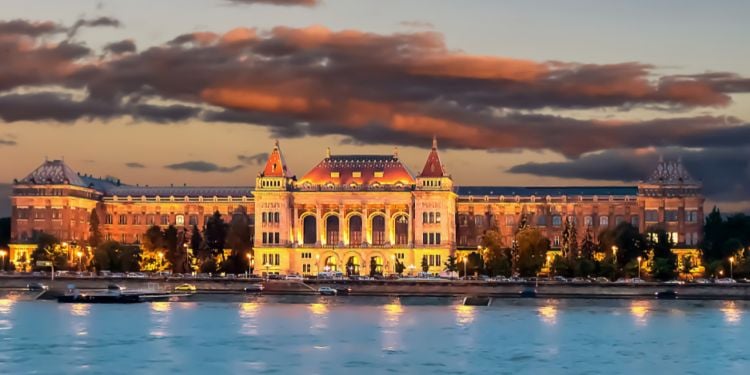
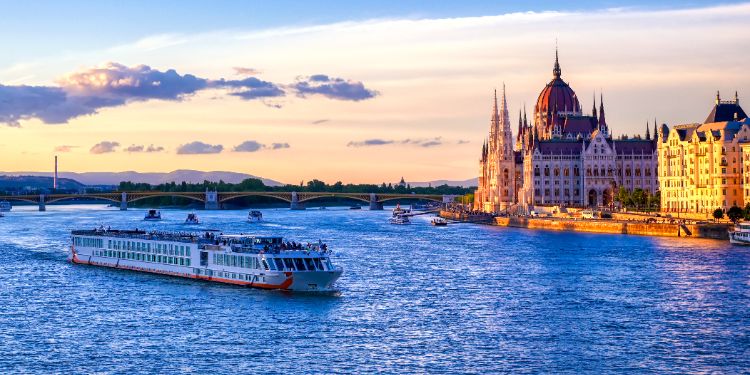
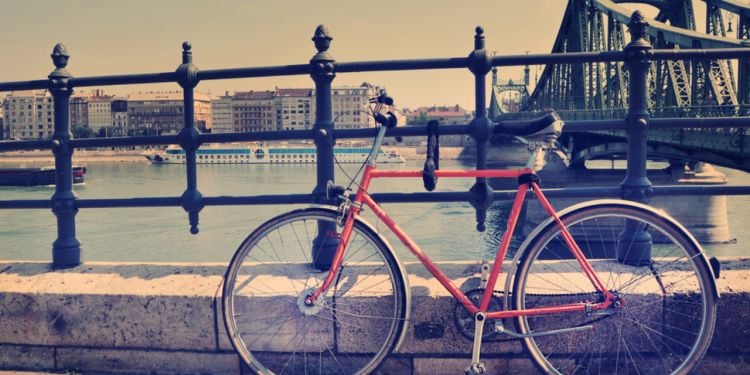
Nicknamed the "Paris of the East", Budapest is famed for its neo-Baroque, Art Nouveau and Austro-Hungarian architecture, with several ensembles UNESCO-listed (the Castle district, the Danube banks and Andrássy Avenue). Must-sees include the Hungarian Parliament (a neo-Gothic masterpiece), Buda Castle, the Fisherman's Bastion, the Chain Bridge, Heroes' Square and the Dohány Street Synagogue (the largest in Europe). The Central Market Hall (Nagyvásárcsarnok) is the go-to spot for paprika, foie gras and embroidery. The nightlife, animated by ruin bars (the iconic Szimpla Kert in particular), is widely regarded as among the best in Europe.
Thermal baths: the unique culture of the "City of Spas"
Budapest has more than 120 natural hot springs (200+ across the country). This culture, inherited from the Romans and Ottomans, is so deeply rooted that some thermal treatments are reimbursed by NEAK with a prescription. The Széchenyi Bath (district XIV) is the largest thermal complex in Europe: 15 indoor pools, 3 outdoor pools, the famous water chess matches and weekend "sparties" (entry EUR 25-35). The Rudas Bath (16th-century Ottoman bath, district I) features a panoramic pool overlooking the Danube. Lukács (district II), nicknamed "the intellectuals' bath", offers an authentic atmosphere. Király and Veli Bej retain their original Ottoman domes. Note: the legendary Gellért Bath is closed for renovation until 2028.
Nature, sport and gastronomy
Outside Budapest, Lake Balaton (200 km west), nicknamed the "Hungarian Sea", is the largest lake in Central Europe (~592 sqkm) - swimming, sailing, kayaking, vineyards. The Danube Bend (Dunakanyar) to the north includes Szentendre (an artists' town), Visegrád (medieval royal fortress) and Esztergom (the country's largest basilica). The Buda Hills offer hiking, cycling and karst caves (Pálvölgy, Szemlő-hegy). On the food side, goulash (gulyás) remains the national dish, alongside specialities such as paprikás csirke, lángos (fried dough), kürtőskalács (chimney cake), pálinka (fruit brandy) and the wines of Tokaj (UNESCO-listed Aszu dessert wines). Budapest hosts several Michelin-starred restaurants (Costes, Stand25, Borkonyha), reflecting a thriving culinary scene.
Discover more

13In Brief: why Hungary appeals to expats in 2026
Hungary combines a rare set of advantages in Europe: one of the most attractive tax regimes on the continent (15% flat tax, 9% corporate tax), a cost of living 24% below the European average, a spectacular UNESCO-listed capital and one of the most accessible digital nomad visas. The White Card, the legendary thermal bath culture, the strong international schools in Budapest and the strategic location at the heart of Central Europe make Hungary a compelling destination for freelancers, families and retirees alike. With over 73 double taxation treaties in place and a well-established expat community, settling in is straightforward for anyone seeking a change of scenery without sacrificing comfort or service quality.
Join the Hungary community
Get regular tips and advice to make the most of your expat life
Essential services for your expat journey







Forum topics on living in Hungary
Discover forums topics on expat life in Hungary: join the conversation, ask your questions, get advice and share your experience.