

Living in Egypt: the ultimate expat guide
Everything you need to know for a successful life in Egypt.
Egypt is a country of contrasts, combining a rich history with modern urban life. Its cities, from Cairo to Alexandria, are bustling centers of commerce, culture, and education. The cost of living in Egypt is generally lower than in Western countries, making it an attractive option for expats seeking affordability. Egypt’s warm climate, Mediterranean and Red Sea coastlines, and access to world-famous heritage sites appeal to newcomers. Life here requires adaptation to local customs, language, and bureaucracy, but it also offers unique opportunities for personal and professional growth.
Five compelling reasons to live in Egypt
1. Career and business opportunities: Growing sectors, start-up potential, and demand for skilled professionals create attractive prospects for expats.
2. Affordable living: Housing, food, and transportation costs are relatively low compared to Europe or North America.
3. Cultural richness: Ancient monuments, museums, and historic neighborhoods abound.
4. Expat community: Major cities host active expat networks, offering support and social events.
5. Strategic location: Egypt connects Africa, the Middle East, and Europe, facilitating travel and business.
Facts and figures
Population (2025) | 119 million |
Expat population (2022) | 9 million |
Most common nationalities | Sudanese, Syrian, Yemeni, and Libyan |
Official language | Arabic |
Typical temperatures | Summer: 22°C - 35°C (72°F - 95°F), Winter: 10°C - 20°C (50°F - 68°F) |
Data correct as of December 2025.
Sources:
Worldometer — population and International Organization for Migration — expat population and nationalities
Formalities and visas in Egypt
Getting a visa for Egypt is generally fast and straightforward. For many nationalities, you can either apply online in advance (e-Visa) or get a visa on arrival at the airport, depending on your passport. Egypt's visa system is mainly digital, processing times are short, and there’s no need for lengthy embassy visits for short stays.
For longer-term plans — such as working or living in Egypt — you’ll need a residence visa. This is required for stays longer than about 90 days and is also the basis for applying for work or student permits. Residence visas are renewable and can be issued with a validity of up to five years. After about a decade of continuous residence, eligible expats may even be able to apply for citizenship.
For expats intending to work in Egypt, a separate work permit is required, which is usually arranged by your employer. Employers handle most of the paperwork, but you must first have a solid job offer. The process involves clearance from relevant authorities and medical checks before the work permit is issued, typically valid for one year and renewable. You cannot obtain a work permit without first entering Egypt on the appropriate visa.
Useful links:
🔍To learn more
Visas for Egypt
Do you need a visa to travel to Egypt? Which type of visa best suits you? Find out more about relating conditions in this article.
Traveling to Egypt
Planning to travel to Egypt? What are the relating formalities and conditions? Find out in this article.
Driving in Egypt
Are expatriates allowed to drive in Egypt? What are the relating conditions? Find out in this article.
Working in Egypt
Egypt’s job market is a mix of tradition and growth. In 2025, the unemployment rate was around 6.4%, but opportunities weren’t evenly distributed. Many jobs remain in agriculture, retail, and manufacturing, particularly outside major cities. Meanwhile, urban centers like Cairo and Alexandria are hubs for professionals, with strong demand in sectors such as IT, finance, education, and hospitality. This combination of established industries and emerging private-sector growth attracts expats seeking career opportunities.
For expats, the key is bringing in-demand skills and positioning yourself in the right cities. Egypt’s workforce is expanding in sectors such as tech, tourism, and services, while government-run industries like oil, transport, and utilities still offer stable roles. With the right expertise, you can tap into competitive salaries, professional development, and a growing network of international companies, making Egypt an exciting destination for skilled foreign workers.
In-demand jobs
• Information technology and software services — especially software development, outsourcing, and digital exports.
• Education and international schools — demand for teachers and staff in international curricula.
• Hospitality and tourism — hotels, resorts, travel and leisure services, especially along the coasts.
• Finance and banking — international and regional banks, financial services, and insurance firms.
• Healthcare — clinics, hospitals, specialized care, often in urban areas.
• Consulting, marketing, and export-oriented services — services directed at both local and foreign markets.
Facts and figures
Unemployment rate (2024) | 6.6% |
Youth (15-29) unemployment rate (2024) | 14.9% |
Largest employment sectors | Agriculture and fishing, retail/trade, construction, and manufacturing |
National monthly minimum wage (2025) | 7,000 EGP (USD 147) |
Data correct as of December 2025.
Sources:
🔍To learn more
Work in Egypt
Wondering how to find a job in Egypt? What are the relating formalities? Find out in this article.

Setting up a business in Egypt
Looking forward to set up a business in Egypt? Where should you start from? Find out in this ...

Internship in Egypt
Looking forward to perform an internship in Egypt? Find out how to proceed in this article.
Studying in Egypt
Egypt’s higher education landscape is growing in both size and reputation. More universities are appearing in international rankings, and the country now has dozens of institutions recognized for research quality and academic progress. Egypt is also emerging as a destination for international students. In the 2023-24 academic year, international student enrollments in Egypt surged to about 26,000 students, more than double the numbers just a few years earlier, with many coming from neighboring Middle Eastern and African countries such as Syria, Saudi Arabia, Yemen, Oman, India, and Nigeria. These students are enrolling across a range of disciplines, from engineering and business to medicine and IT, drawn by the relatively affordable tuition and expanding program options, including partnerships with foreign universities and branch campuses.
Top universities in Egypt
• Egypt-Japan University of Science and Technology (E-JUST): Known for science and engineering programs, ranked among the top in Egypt and consistently listed in global university rankings.
• American University in Cairo (AUC): Private, international-style education with international faculty and global exposure; often a top pick for expats and foreign students.
• Ain Shams University: Large public university popular with international students, offering a wide range of faculties and fairly open admissions for foreign applicants.
🔍To learn more
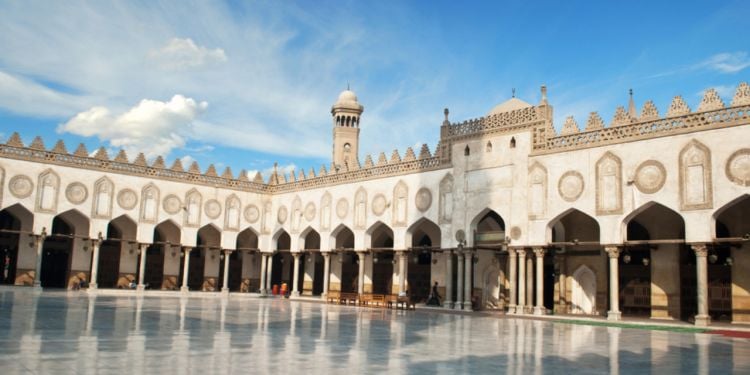
Study in Egypt
Egyptian universities are very open to foreign students. If you are planning to study there, here is how to proceed.
Finance and banks in Egypt
Egypt’s banking system is modernizing fast—but cash still rules daily life. While major banks offer solid digital platforms, mobile apps, and online transfers, Egypt remains a largely cash-based economy, especially outside upscale neighborhoods and malls. Debit cards are standard, credit cards are less so, and ATMs are everywhere in big cities. For expats, the experience is mixed: many large banks provide English-speaking services and English-language apps, but bureaucracy, paperwork, and Arabic-only processes can still slow things down if you’re not prepared.
Tips:
- Choose the right bank: International or large local banks like HSBC, CIB, or QNB are more likely to have English-speaking staff.
- Opening an account often requires a residency permit, passport copies, and patience—this is not a same-day process.
- Cash is still king: Always keep cash on hand; many small businesses don’t accept cards, even in major cities.
- Apps are improving, but branches matter: Digital banking works well for basics, but in-person visits are often required for changes or issues.
- Ask about fees and limits upfront: Foreign transfers, ATM withdrawals, and card usage can come with restrictions or surprise charges.
Useful link:
🔍To learn more


Health care in Egypt
Egypt’s healthcare system combines public and private services. Public healthcare is available to residents through government hospitals and clinics, but quality and access can vary, especially outside major cities. The government is working to improve coverage through a national health insurance program, though changes are gradual. As a result, many people — particularly expats — rely on private healthcare for more consistent standards of care.
Private healthcare in Egypt is more advanced and expat-friendly. Private hospitals and clinics — especially in Cairo, Alexandria, and other urban centers — offer higher standards of care, modern equipment, and bilingual staff, making them popular with foreigners and locals. However, private care comes at a cost, and many expats choose international health insurance to ensure access to quality treatment, specialists, and emergency care.
Tips:
- In an emergency, dial 123.
- Consider private health insurance coverage that includes evacuation to another country for specialized care.
- Pharmacies are common throughout Egypt, and some are open 24 hours.
- Home delivery is offered by many pharmacies and can be arranged by phone or online.
🔍To learn more

Education and schools in Egypt
Egypt offers a wide range of schooling options, but expat families need to plan carefully. Public schools follow the national Arabic curriculum and are rarely chosen by foreigners due to language and quality differences. Instead, most expats turn to private or international schools in Cairo, Alexandria, and other major cities, where English or other foreign-language instruction follows British, American, or IB curricula. These schools provide a familiar educational environment and smoother transitions for children who are new to the country.
For expats, choosing the right school means understanding costs, curricula, and availability. Private schools that follow the Egyptian curriculum in English can be a middle ground, while international schools in Egypt deliver foreign qualifications and often bilingual environments — ideal for families planning to move again or send their children to universities abroad. Spaces in popular schools fill quickly, so early applications and checking admission requirements, including language support and age cut-offs, are crucial.
What you need to know
- School is compulsory in Egypt.
- Children must start school at age six.
- Education is mandatory for nine years.
- The school year in Egypt starts in September and ends in June.
- Winter break: about three weeks in January–February.
- Spring break: about two weeks in April.
- Summer break: early June to late September.
Accommodation in Egypt
Housing in Egypt can be surprisingly affordable — especially compared with many Western cities. But demand is rising, so finding somewhere to live in desirable neighborhoods can get competitive. You'll find the quality of accommodation ranges widely, too. Some older buildings need work, while newer developments in suburbs, resort areas, or gated compounds offer modern standards and expat-friendly amenities (air conditioning, security, modern plumbing).
If you’re an expat looking to rent in Egypt, you’ll find plenty of apartments and villas — and the rental process is fairly straightforward. You sign a lease, show your passport and visa, and often give a deposit plus the equivalent of a month's rent in advance. Buying property is also possible for expats in Egypt, as foreigners are allowed to own residential real estate, though some rules do apply.
What you need to know
• Foreigners can buy property but are usually limited to owning up to two residential units.
• Some areas are off-limits or restricted. Properties near military zones, certain border or agricultural lands, or strategic zones cannot be owned by foreigners, or can be owned only under special long-term lease arrangements.
• Freehold (full ownership) is allowed in many urban or resort zones (e.g., in suburbs of Cairo, or Red Sea resort towns).
• Resale restrictions: Some properties cannot be resold for five years after purchase, unless special permission is granted.
• Buying doesn’t grant automatic residency: Owning a home doesn’t automatically give you a permanent visa or citizenship — residency or work visa remains separate.
• Good areas for expats and foreign buyers: Suburbs and new developments — e.g., outside central Cairo, or resort towns along the Red Sea and North Coast — tend to be the most foreigner-friendly.
🔍To learn more
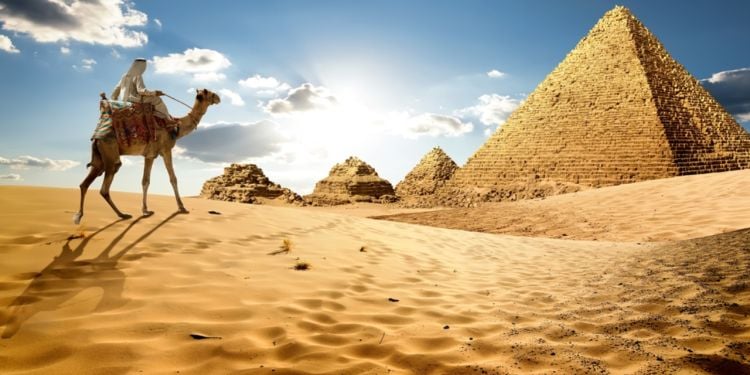
Planning your move to Egypt
Moving to Egypt? Shipping your belongings is straightforward if you plan ahead. Egypt's customs system has improved — you can submit your paperwork online via the Nafeza portal, but expect all shipments to be checked upon arrival at the port. Clearance by Egyptian customs usually takes about one to two weeks, depending on inspections and any duties or taxes. Pack smart, keep a detailed inventory, and consider using a relocation company familiar with Egyptian customs. Once your belongings reach your new home — especially in a secure building or gated compound — the risk of loss or theft is low.
Tips:
• Sort your visa and residence permit first — importing goods duty-free or at reduced tax usually requires the correct work or residency documents.
• Prepare a detailed inventory — list everything clearly with brands, models, and serial numbers; this helps customs speed up inspections and avoid surprises.
• Expect inspections and extra costs — customs will check your shipment on arrival and may charge duties, VAT, or storage fees if items stay too long at the port.
• Pack electronics and media carefully — items like laptops, DVDs, and books can attract extra scrutiny; label and pack them clearly to avoid delays.
Useful link:
🔍To learn more


Leisure in Egypt
Egypt offers a mix of history, culture, and modern fun that keeps life interesting. You can visit the pyramids and temples, take a Nile cruise, or wander through lively markets. Cities like Cairo and Alexandria have cafés, galleries, and shopping malls, while coastal towns such as Hurghada and Sharm El Sheikh are perfect for sun and water activities. For nature lovers, deserts, oases, and Red Sea reefs offer plenty of outdoor adventures.
Egyptians love socializing, and there are plenty of ways to join in. Outdoor cafés, rooftop restaurants, and local festivals give a glimpse of everyday life, while museums, theaters, and cultural events showcase Egypt's heritage. Trying traditional dishes, attending music nights, or exploring cultural centers are popular ways to spend free time. Whether you prefer relaxing by the sea, exploring historic sites, or enjoying city life, there’s something for everyone.
Popular leisure activities in Egypt
• Take a hot air balloon ride over Luxor at sunrise for a unique view of the Nile Valley.
• Explore ancient monasteries and churches in the Sinai Peninsula.
• Go kite surfing or windsurfing along the Red Sea coast.
• Visit local vineyards and wineries in Egypt’s emerging wine regions.
• Attend a traditional music or dance workshop, like belly dancing or Sufi performances.
• Try desert camping under the stars.
• Go on a food tour to sample street food and local specialties beyond the main tourist spots.
• Visit modern art exhibitions and craft markets in Cairo’s creative districts.
• Explore eco-tourism sites, like Wadi El Rayan waterfalls or protected oases.
• Take a day trip to ancient ruins off the beaten path, such as Abydos or Dendera.
🔍To learn more
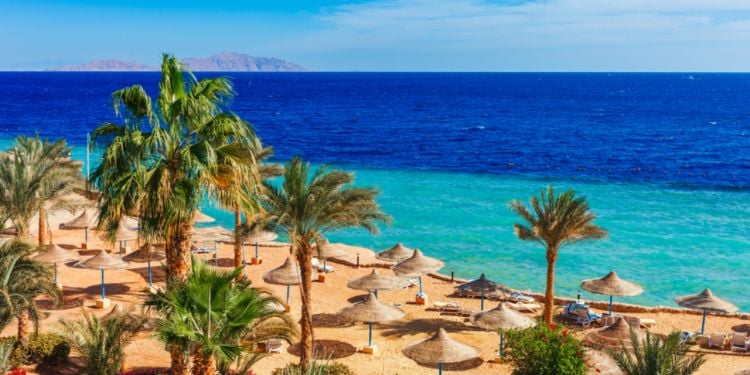
Leisure in Egypt
Wondering what you can do during your leisure time in Egypt? Movies, football, diving, culture and history... Feel free to choose from these and much ...
Everyday life in Egypt
Living in Egypt means blending rich local customs with a busy urban rhythm. Streets hum with traffic, markets buzz, and daily routines often revolve around family, food, social life, and community. Many expats settle in well-patrolled, expat-friendly neighborhoods — and in those areas, life feels familiar and manageable.
But safety and social norms are important to understand, especially if you’re new. Crime rates are generally moderate, and violent crime is relatively rare — but petty theft, pickpocketing, and scams in crowded places or tourist areas remain a concern. Harassment, especially toward women, is also reported more often than in many Western countries, so many expat women choose to be cautious about walking alone at night or using taxis late.
What you need to know
• Community and social life can be warm and lively — cafés, restaurants, local markets, and social gatherings are part of everyday Egyptian life.
• Expats often find neighborhoods with international communities and decent amenities in cities such as Cairo, Alexandria, or in expat-friendly suburbs.
• Bag snatching, pickpocketing, or scams are more common than violent crime.
• Women travelling alone should be cautious — harassment and unwanted attention can be a problem in public transport, taxis, or crowded streets.
• Dress and behavior matter — modest clothing and respecting local customs help avoid unwanted attention, especially outside expat enclaves or tourist zones.
• Public transport and traffic can be challenging — driving standards and road conditions make traffic a significant hazard. Many expats rely on ride-hailing apps or private drivers to stay safe.
🔍To learn more
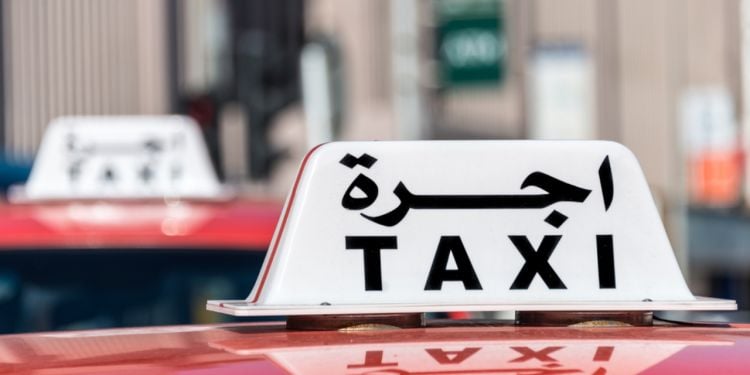
Transports in Egypt
Wondering how to move from one area to another during your stay in Egypt? Find an overview of the ...

Phones and Internet in Egypt
On your arrival in Egypt, you will probably wonder about the means of communication available in ...
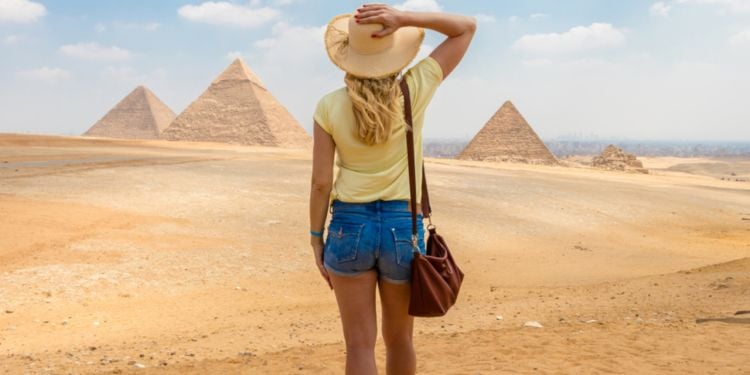
Lifestyle in Egypt
Find, in this article, all that you need to know about the Egyptian lifestyle: traditions, cuisine, festivals, etiquette, etc.
Cost of living in Egypt
Egypt can be one of the more affordable places to live in the world — but like anywhere, how cheap or expensive it is depends on how you live. Compared with many Western countries or wealthy Gulf states, everyday expenses such as local food, basic groceries, and public transport are much cheaper in Egypt. On the flip side, things that many expats take for granted — imported goods, upscale apartments, international school tuition, or Western-style dining — can feel surprisingly pricey. Rent in central or expat-friendly neighborhoods, for example, is significantly higher than more modest local housing. So, relative to regional and global standards, Egypt sits in a 'mixed bag' zone: affordable for basic living, but with a clear luxury premium for international-style comfort or imports.
Here is a general breakdown of average monthly expenses for different household types in Egypt.
Monthly expenses
Single expat (per month) | Family of four (per month) | |
Rent (city center) | 1 Bedroom: 5,000–7,500 EGP (USD 105–157) | 3 Bedroom: 12,000–20,000 EGP (USD 252–420) |
Rent (suburbs) | 1 Bedroom: 3,000–5,000 EGP (USD 63–105) | 3 Bedroom: 8,000–12,000 EGP (USD 168–252) |
Utilities (electricity, water, gas, Internet) | 700–1,200 EGP (USD 15–25) | 2,000–3,500 EGP (USD 42–73) |
Groceries | 1,500–2,500 EGP (USD 31–53) | 5,000–8,000 EGP (USD 105–168) |
Public transport | 300–500 EGP (USD 6–11) | 1,200–2,000 EGP (USD 25–42) |
Dining out and entertainment | 1,000–2,000 EGP (USD 21–42) | 4,000–7,000 EGP (USD 84–147) |
Data correct as of December 2025.
Source:
Outro
Living in Egypt as an expat brings together history, culture, and opportunity in a way few countries can. From career prospects and entrepreneurial ventures to vibrant city life, beaches, and desert adventures, there’s something for everyone. Daily life is affordable, healthcare and schooling options are available, and the country offers endless leisure and cultural experiences.
Planning your move to Egypt is key, but you don’t have to do it alone. Expat.com’s Egypt guides provide detailed advice on visas, housing, work, schooling, and everyday life, while the Egypt expat forum is the perfect place to ask questions and get tips from fellow expats. Whether you’re seeking international career growth, adventure, or a life steeped in history, Egypt is a destination worth exploring — and Expat.com is here to help you every step of the way.
We do our best to provide accurate and up to date information. However, if you have noticed any inaccuracies in this content, please contact us.


News & testimonies
Egypt unveils new strategy to attract foreign investors
How can a country regain foreign investors' confidence? How can it boost its attractivity in the eyes of foreigners and its own citizens? The Egyptian government believes it has found the right formula. However, due to the successive crises that have hit the country, the Egyptian economy is in a critical situation. The country needs to find funds quickly to stabilize. In response, a new campaign aimed at investors has been designed precisely to replenish the country's treasury while reinforcing the country's image as a reliable economy.

Anya: "Cairo has some magic inside that makes foreigners fall in love with it"
It's been one and a half year since Anya, a Russian expat, settled in Cairo. Traveling has always been her passion and she is now discovering a new lifestyle and culture...

Aisha in Aga: "Egyptians are very warm, friendly people"
American expat, Aisha left South Carolina to settle in Aga with her Egyptian husband. She blogs about her life in the country to introduce her oasis...
Celia: "I wasn't expecting that Alexandria could be this ancient and still wonderfully existent"
Celia is from the Philippines. She moved to Alexandria, Egypt, in May 2012 where she was offered a job position for a UK company. She discovers the city and enjoys the Mediterranean sea while adapting to the country's customs.
Essential services for your expat journey



