

Living in Cameroon: the ultimate expat guide
Everything you need to know for a successful life in Cameroon.
Cameroon is a vibrant country in Central Africa, known for its cultural diversity, varied landscapes, and growing economy. From bustling cities like Douala and Yaoundé to scenic coastal areas and highland regions, it offers expats a mix of urban life and natural beauty. French and English are both official languages, making it easier for many international residents to communicate and settle in. Cameroon is also becoming increasingly popular with international students, drawn by its universities, affordable tuition, and opportunities to experience life in a truly multicultural environment.
Five compelling reasons to live in Cameroon
1. Diverse lifestyle options
Whether you prefer city living, coastal towns, or rural retreats, Cameroon has something to suit your lifestyle.
2. Career and business potential
The country has opportunities in agriculture, energy, education, and services. Expats with skills in management, teaching, or technical fields are in demand.
3. Growing expat community
About 60,000 expats live in Cameroon, creating a multicultural environment.
4. Education opportunities
Cameroon attracts students from across Africa and beyond. Its universities and vocational programs provide options for higher education and professional development.
5. Strategic location
Cameroon’s position at the crossroads of West and Central Africa gives expats easy access to regional travel, business hubs, and cultural experiences.
Facts and figures
Population (2025) | 30 million |
Expat workers (2025) | 60,000 |
Main expat nationalities | France, Nigeria, China, and other African nations |
Official languages | English and French |
Typical temperatures | Dry season: 25°C–32°C (77°F–90°F), wet season: 20°C–28°C (68°F–82°F) |
Data correct as of December 2025.
Sources:
Worldometer — population, and Cameroon Intelligence Report — expat workers and nationalities
Formalities and visas in Cameroon
Cameroon requires most foreign nationals to obtain a visa before arrival. Since 2023, the government moved to a fully digital visa system: all entry visa applications must be submitted online through the official e‑visa portal. This change was intended to streamline the process, reduce paperwork, and shorten processing times. In many cases, applicants receive a response within 72 hours, with an express option available for faster processing. However, users sometimes report system glitches or delays, so apply well in advance of your intended travel date.
What you need to know
Online‑only applications: Paper applications at embassies or consulates are no longer accepted. Everything from registration to payment happens through the e‑visa portal.
Processing times: Standard processing can take up to 72 hours after submission; express processing can be faster but carries additional fees.
Visa issuance: After approval, you will receive an online visa authorization (often with a QR code). At your port of entry or designated location, the visa sticker will be affixed to your passport.
Types of visas: Short‑stay (typically up to 6 months) and long‑stay (up to 12 months) visas are available. The exact categories you can apply for depend on your purpose (tourism, work, family, etc.). Fees vary by visa type and residence status.
Required documents: Common requirements include a valid passport (usually with at least 6 months' validity), a yellow fever vaccination certificate, a travel itinerary, proof of accommodation or an invitation letter, and any supporting documents for your stay.
Visa on arrival: In general, visas on arrival are not permitted; you must secure your visa before travel, even if entering by air.
Residence permit: If you plan to stay long‑term (beyond your visa validity), you must apply for a residence permit.
Useful link:
🔍To learn more

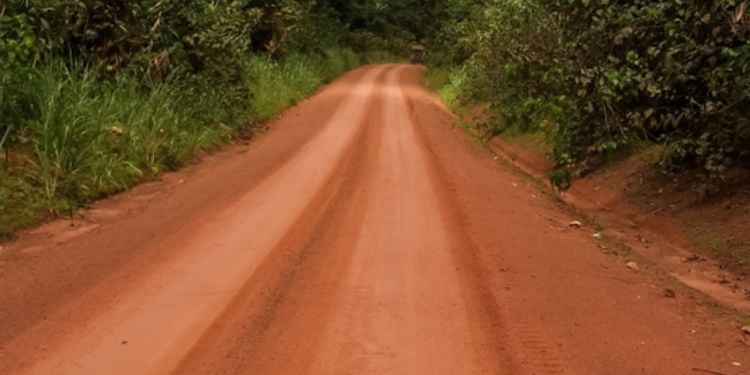
Working in Cameroon
Cameroon’s job market has both opportunities and challenges. The formal employment sector is relatively small compared with the informal economy, which dominates most work activities. Formal jobs in business, government, and multinational firms are competitive, especially in major cities, while many Cameroonians find work in informal trade, agriculture, and self-employment. For expatriates, finding a job can be competitive but feasible, especially if you bring specialized skills, international experience, or language abilities. Many expats work in sectors where local expertise is limited, such as education, engineering, IT, healthcare, and management.
Employers in Cameroon look for candidates with relevant qualifications, practical experience, and often bilingual ability (French and/or English), depending on the job location and company. Professional certifications and a clear understanding of local business practices can strengthen an application. Networking, engaging with local recruitment agencies, and connecting with international firms already operating in Cameroon can improve your chances. Flexibility on salary expectations and willingness to understand local workplace culture also help; for many positions, formal and informal professional networks play an important role in hiring.
In-demand jobs
• Education and academic roles – teachers, lecturers, and language instructors needed in international and private schools.
• Oil, gas, and energy – engineers, project managers, technical specialists.
• Information technology – software developers, IT support, and digital services professionals.
• Healthcare – doctors, nurses, specialists, and public health experts.
• Telecommunications and infrastructure – technical and management roles.
• Business services and consulting – finance, management, and operational roles.
Tips:
- Target key sectors: Jobs are mainly in agriculture, NGOs, construction, oil and gas, and telecoms.
- Prioritize language: French is crucial, with English useful in international roles.
- Sort permits early: Most expats need a job offer and an employer-sponsored work permit.
Facts and figures
Unemployment rate (2024) | 3.50% |
Informal economy | 86.6% of total employment |
Formal job market growth | 1,178,043 jobs in 2022 — 88.2% increase in eight years |
Data correct as of December 2025.
Sources:
Trading Economics — unemployment, National Institute of Statistics of Cameroon — informal economy, and Business in Cameroon — jobs growth.
🔍To learn more
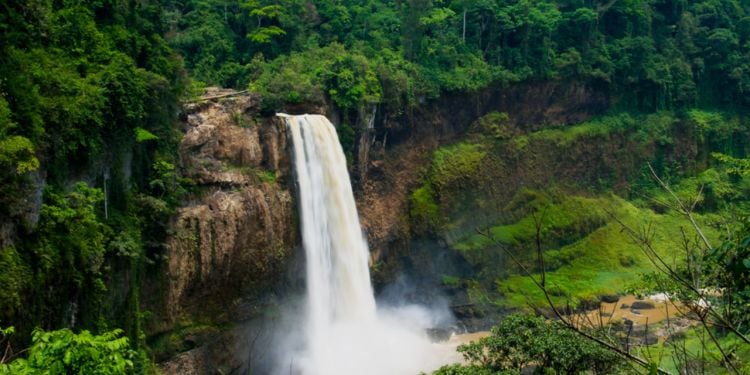
Work in Cameroon
Do you wish to work and settle in Cameroon? Find out in this article how to proceed.

Setting up a business in Cameroon
Do you wish to set up a business in Cameroon? Find out, in this article, how to proceed to create ...

Internship in Cameroon
Cameroon offers various internship opportunities to young foreign students and professionals. Here ...
Studying in Cameroon
Cameroon has a large and expanding higher education sector with both public and private universities serving students from across the country and abroad. Its universities offer Bachelor's, Master's, and Doctoral degrees in fields such as science, business, engineering, and health sciences.
Cameroon's higher education system is generally less globally ranked than those of top African institutions. Still, it plays a key role in the Central African region by providing access to tertiary education where options are limited. The system is officially bilingual (French and English), reflecting the country's dual heritage and making it attractive to a broader student base.
Cameroon is a hot spot for international students, especially from neighboring African countries, because it offers affordable education, bilingual instruction, and a wide range of study options. The nation hosted about 14,287 foreign students during the 2022/2023 academic year, with numbers rising steadily as universities expand programs and modernize infrastructure.
Student visas are available but require standard documentation and proof of enrollment. And while Cameroon's universities don't rank highly in global rankings, they offer regional recognition and practical degree paths for many careers.
Top universities in Cameroon
• University of Yaoundé I – one of the oldest and largest public universities, known for strong programs in science, law, economics, and research.
• University of Buea – public bilingual university popular with both local and international students; offers a range of undergraduate and postgraduate degrees.
• ICT University (Yaoundé) – private institution focused on technology, ICT, and managerial skills, with programs up to doctoral level and a mission to develop capacity for modern sectors.
Tips:
Choose language carefully: Universities teach in French or English, so pick a program that matches your strongest language.
Check accreditation: Prioritize public universities or well-known private institutions to ensure your degree is recognized.
Plan logistics early: Secure accommodation, visas, and health insurance before arrival, as university support can be limited.
Useful link:
Cameroon Ministry of Higher Education
🔍To learn more

Study in Cameroon
Do you wish to complete your higher studies in Cameroon? Find out, in this article, how to proceed.
Finance and banks in Cameroon
Cameroon’s banking system is a mix of traditional branch banking and fast-growing digital services. Most major banks are concentrated in cities, but fintech and mobile money are changing the game, making it easier to send, receive, and manage money—even if you’re new to the country. While opening a bank account isn’t entirely online yet and usually requires a branch visit, the system is stable, regulated, and improving, with the CFA franc pegged to the euro for extra security. Cash is still king in many areas, but digital banking apps are expanding quickly, giving expats more flexibility than ever.
What you need to know
• Opening a bank account: Most commercial banks will let expats open accounts, but you usually must visit a branch in person with your passport and resident permit/work visa. Banks may ask for proof of income, proof of address, and photos; requirements vary by institution.
• Required documents: Typically, a valid passport, a resident permit or work visa, proof of address, and sometimes proof of income. Some banks may require additional legal certifications.
• Digital and mobile banking: Major banks and fintechs provide online and mobile banking apps for everyday transactions, bill payments, and transfers, aiding convenience once you have an account.
• ATMs and cash: ATMs are common in major cities, but less available in rural areas. Cash is widely used, so newcomers often rely on ATMs or mobile money services for daily transactions.
🔍To learn more


Health care in Cameroon
Cameroon’s healthcare system is mixed and developing. Public facilities exist to provide low-cost basic care, but they are often under-resourced, overcrowded, and unevenly equipped, even in large cities. Private clinics and hospitals offer higher standards, shorter wait times, and better equipment, but they are more expensive and may still not meet Western standards for complex care.
Public healthcare is not free for most expats, with variable quality and out-of-pocket costs common, so private or international health insurance is highly recommended to access better facilities and reduce financial risk. Many expats choose private providers for serious treatment, and for major procedures or specialized care, they may travel to countries with stronger health systems. Overall, healthcare in Cameroon is generally considered below the quality levels found in more developed countries and some regional peers, particularly outside urban centers.
What you need to know
• Emergency number: Medical emergency services are not fully centralized; for the most urgent help you may need to contact the nearest hospital directly or arrange transport.
• Pharmacies: Pharmacies are common in major towns and cities and generally well stocked with basic medicines; rural areas have fewer options. Carrying a supply of your regular prescriptions is wise.
• Medicine quality: Watch for counterfeit medicines — buy from reputable pharmacies and check packaging carefully.
• Language: Healthcare interactions are often in French, especially in public facilities; English-speaking staff are more likely in private clinics.
Useful links:
UK Gov — Cameroon health advice
🔍To learn more

Health care in Cameroon
Before moving to Cameroon, you should be aware of the country's health care system and on health risks. Here is an overview.
Education and schools in Cameroon
Cameroon’s schools follow French- and English-style systems, with primary education (ages 6–12) free and compulsory, though parents still pay for uniforms, books, and some administrative fees. Secondary education and beyond come with school fees, and quality can vary by location.
For expat families, public schools are an option, but most prefer international schools that offer global curricula, smaller classes, and strong English support. These schools, mainly in larger cities, are popular with internationally mobile families seeking a smoother transition and consistent standards.
The school year in Cameroon usually begins in early September and ends in late July, with breaks for Christmas (late December–early January) and Easter (around April). However, exact dates can vary by year and school.
Tips:
• Start applications early. International schools have limited spaces and waitlists.
• Check curriculum and language. Confirm whether the school follows a French, British, American, or international (e.g., IB) curriculum and what languages are used for instruction.
• Visit schools in person. A visit lets you meet staff, see facilities, and assess how comfortable your child will be before enrolling.
Accommodation in Cameroon
Finding a place to live in Cameroon can be competitive in the big cities and more relaxed in smaller towns. Demand is particularly high in Douala and Yaoundé, where jobs, international communities, and services are concentrated. Housing supply hasn’t always kept pace with demand, leading to longer search times and rising rents in popular neighborhoods. Secondary cities like Buea, Limbe, and Bamenda are generally more affordable and easier to navigate. The market also varies widely by neighborhood quality, infrastructure, and access to services.
Expats can rent or buy property in Cameroon, and foreign ownership is permitted with the proper documentation. Rentals range from apartments in city centers to family houses in residential districts, while buyers can choose apartments, houses, villas, or land. Many expats rent first to understand the market before buying. Purchasing property can be a good long‑term option in established areas like Bonapriso (Douala) or Bastos (Yaoundé), though official processes and costs (including taxes and notary fees) should be factored in.
Tips:
- Start your search early: Quality rentals and homes in prime districts move fast; begin your search at least 4–6 weeks before arrival.
- Use reputable real estate agents: They can help with leases, contracts, and navigating local requirements (e.g., lease terms and deposits).
- Verify contracts: Always ask for a written lease and confirm details such as rent, duration, repairs, and utilities.
🔍To learn more
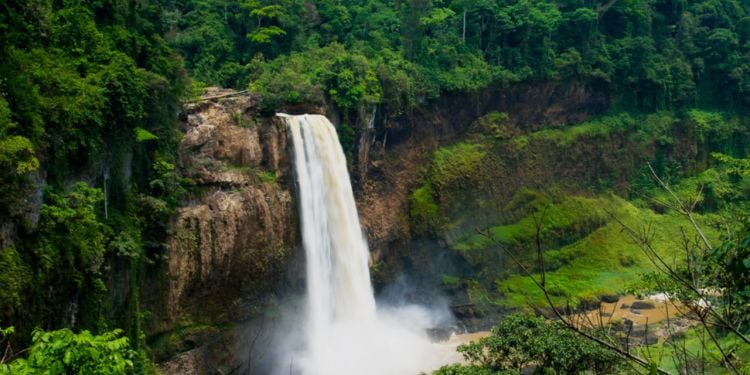
Accommodation in Cameroon
How to find accommodation in Cameroon? What are the options and rent prices? Here are some answers to your queries.
Planning your move to Cameroon
Moving to Cameroon takes more planning than just booking a flight—especially when it comes to shipping your belongings. Household goods can be imported, but the process is formal and paperwork-heavy, so preparation is key. Expats who organize documents well in advance are far less likely to face delays when their shipment arrives at one of the country’s main ports.
Once paperwork is complete, clearing a whole shipping container typically takes around one to two weeks, though missing documents or inspections can slow things down. While shipping systems are becoming more modern, the process still involves multiple checks and administrative steps, so patience and careful planning go a long way.
Tips:
- Complete all required documents early: You’ll need a passport copy, original bill of lading, detailed inventory in French, and an Electronic Cargo Tracking Note (ECTN/BESC) before shipment.
- Check duty‑free eligibility: Household goods you’ve owned and used for at least six months may qualify for reduced duties; new items and goods under six months old are typically taxable at high rates.
- Work with a licensed customs broker or mover: Local agents understand Cameroon’s procedures (including guaranteed customs revenue inspections) and can help you get your shipment through smoothly.
- Know restricted/prohibited items: Weapons, illegal drugs, counterfeit goods, and some food items are banned; restricted items often require special permits.
- Plan for port handling and insurance: Importing freight usually requires local insurance, and goods must be cleared promptly to avoid storage and demurrage charges at the port.
Useful links:
🔍To learn more


Leisure in Cameroon
Cameroon offers a wealth of vibrant leisure experiences that reflect its nickname 'Africa in miniature.' You can explore lush rainforests and wildlife parks, relax on tropical beaches, dive into rich cultural traditions, or immerse yourself in urban life and festivals. Outdoor lovers may hike Africa’s highest active volcano, trek through UNESCO‑listed reserves, or safari in systems teeming with elephants, lions, and giraffes.
History and culture come alive in bustling markets, museums, and centuries‑old palaces, while coastal towns offer calm waters, fresh seafood, and sunsets over the Atlantic. From energetic city nightlife to serene nature trails and community celebrations, there’s always something to do in your free time in Cameroon.
Popular activities in Cameroon
- Safari at Waza National Park – Spot elephants, lions, giraffes, and diverse birdlife in one of the country’s premier wildlife parks.
- Relax at Kribi and Limbe beaches – Swim, sunbathe, or take boat rides where Lobé Waterfalls meets the ocean.
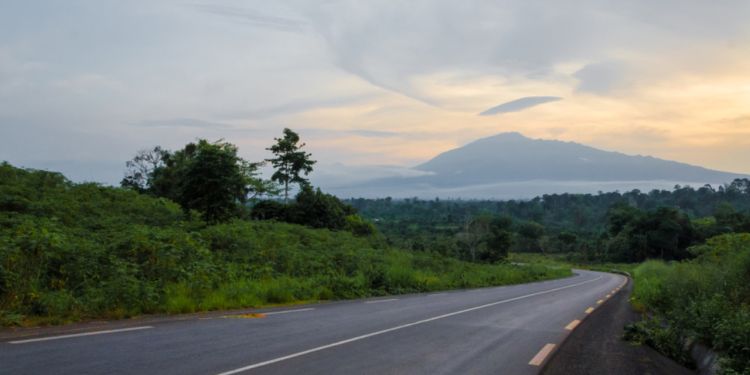
- Climb Mount Cameroon – Hike Africa’s tallest peak and enjoy panoramic views and lush scenery.
- Visit Limbe Botanical Garden – Explore tropical plants and peaceful garden trails near the coast.
- Explore the Dja Faunal Reserve – Trek through dense rainforest, a UNESCO World Heritage Site.
- Experience traditional music and dance – Enjoy local rhythms in clubs and festivals.
- Discover cultural sites in Yaoundé and Douala – Visit museums, historical monuments, and lively markets.
- Attend local festivals – Join colorful celebrations like the Ngondo or regional cultural events.
🔍To learn more
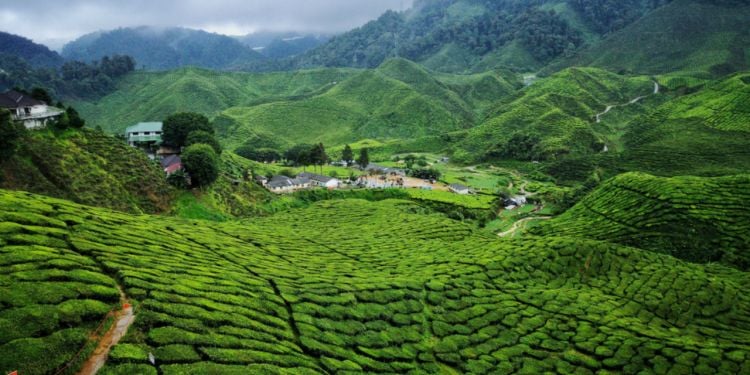
Leisure in Cameroon
Wondering how to keep yourself busy in Cameroon during your leisure time? Here is a list of activities in which you can indulge.
Everyday life in Cameroon
Life in Cameroon is a blend of urban energy, rich culture, and relaxed community living. In major cities like Douala and Yaoundé, you’ll find bustling markets, modern shopping centers, and a growing café and restaurant scene. Daily life often revolves around family, friends, and community gatherings, with a strong emphasis on hospitality.
Streets can be busy, traffic unpredictable, and infrastructure varies widely, so flexibility and patience are essential. Outside the cities, life slows down considerably, with smaller towns offering a quieter pace surrounded by nature and local traditions. Cameroon’s bilingual heritage means you’ll hear French and English, along with many local languages, influencing everything from school to shopping.
Local habits and customs
• Greetings are important: Handshakes are standard, often followed by a friendly chat; in some regions, adding a slight bow or nod shows respect.
• Punctuality is flexible: Social events often start later than advertised; work meetings are usually on schedule, but patience helps in social contexts.
• Dress modestly: Especially in rural areas and religious sites; light, breathable clothing is practical for the climate.
• Public behavior: Showing respect to elders and authority figures is essential; avoid open criticism in public.
• Tipping: Not mandatory, but leaving a small tip in restaurants or for service providers is appreciated.
• Local transportation habits: Minibuses and shared taxis are common; always confirm fare before boarding.
• Shopping etiquette: Bargaining is expected in markets; fixed prices are typical in supermarkets and larger shops.
🔍To learn more
Transports in Cameroon
To travel across Cameroon, you can choose among a few means of transport. But which ones? Find out in this article.

Phones and Internet in Cameroon
How to make phone calls in Cameroon? What about Internet? Here are some answers to your queries.

Lifestyle in Cameroon
Before moving to Cameroon, is it best to have an idea of the local environment and on its inhabitants lifestyle. Find out more in this article.
Cost of living in Cameroon
Cameroon is generally affordable compared with Western countries, but costs vary widely depending on city and lifestyle. Major cities are more expensive, particularly for rent, imported goods, and dining at international restaurants. Compared with neighboring countries in Central and West Africa, Cameroon sits somewhere in the middle—cheaper than Gabon or Nigeria’s major cities, but more costly than parts of Chad or the Central African Republic.
Local produce, public transport, and everyday essentials remain very budget-friendly, making it easy for expats to live comfortably if they adapt to local options. Imported foods, luxury items, and private schooling are the areas where prices can surprise newcomers.
Here is a general breakdown of average monthly expenses for different household types in Cameroon.
Monthly expenses
Single expat (per month) | Family of four (per month) | |
Rent (city center) | 1-bedroom: XAF 300,000 (USD 500) | 3-bedroom: XAF 600,000–800,000 (USD 1,000–1,333) |
Rent (suburbs) | 1-bedroom: XAF 200,000–250,000 (USD 333–417) | 3-bedroom: XAF 400,000–600,000 (USD 667–1,000) |
Utilities (electricity, water, gas, Internet) | XAF 80,000–100,000 (USD 133–167) | XAF 150,000–200,000 (USD 250–333) |
Groceries | XAF 250,000 (USD 417) | XAF 500,000–700,000 (USD 833–1,167) |
Public transport | XAF 10,000 (USD 17) | XAF 30,000–50,000 (USD50-83) |
Dining out and entertainment | XAF 60,000 (USD 100) | XAF 150,000–200,000 (USD 250–333) |
Data correct as of December.
Source:
Outro
Moving to Cameroon is an exciting decision, but one that benefits from careful preparation. The country offers expats a rare mix of affordability, cultural depth, professional opportunities, and access to nature, whether you are relocating for work, study, or lifestyle.
From choosing where to live and understanding the job market to navigating healthcare, schools, and daily life, having the correct information makes all the difference. Expat.com brings together practical guides and real-world insights to help you plan every stage of your move, along with our active Cameroon expat forum, where you can connect with people already living there. With the groundwork in place, all that remains is to settle in and start making the most of life in Cameroon.
We do our best to provide accurate and up to date information. However, if you have noticed any inaccuracies in this content, please contact us.


Essential services for your expat journey



