

Living in Ireland: the ultimate expat guide
Everything you need to know for a successful life in Ireland.
Ireland attracts thousands of expats every year, drawn by its vibrant economy, stunning landscapes, and warm culture. As a true European tech hub, the country hosts the headquarters of giants like Google, Apple, Facebook, and Microsoft, providing excellent career opportunities. With around 5.3 million residents, nearly one-fifth of whom are foreign-born, Ireland fosters a multicultural and welcoming atmosphere. The French community, estimated to number between 15,000 and 20,000 individuals, is primarily based in Dublin, Cork, and Galway.
⚠️ This guide focuses on the Republic of Ireland, which should not be confused with Northern Ireland, part of the United Kingdom and subject to its own visa regulations and administrative procedures.
5 great reasons to choose Ireland
- A thriving tech sector: with over 2,500 startups and a strong multinational presence, the job market is booming.
- Business-friendly tax regime: corporate tax rates are as low as 12.5%, making it an ideal location to start a business.
- An English-speaking country: English-speaking populations help seamless integration both professionally and socially.
- Unspoiled nature: cliffs, mountains, and rugged coastlines offer breathtaking scenery.
- A vibrant social life: the pub culture, traditional music, and typical Irish friendliness make for an enjoyable community experience.
The Expat.com guide supports your transition to Ireland, providing all the essential information regarding: visas, employment, housing, healthcare, everyday life, and local integration.
Official languages: Irish (Gaelic) and English | Local currency: Euro (€) | Time difference with France: -1 hour | Flight duration Paris - Dublin: Approximately 1h45 |
Formalities and visas in Ireland
To enter the Republic of Ireland, the requirements vary depending on your nationality and the length of your stay. EU and EEA nationals enjoy free movement and do not need a visa for either tourist visits or long-term stays. However, if you plan to work or live in Ireland, you will need to apply for a PPS Number (Personal Public Service Number), which is essential for accessing public services, opening a bank account, or managing your tax affairs. You can apply online at MyWelfare.ie using your MyGovID account once you arrive.
Non-EU/EEA nationals should check the entry conditions on the official website of the Irish Immigration Service (IIS). Some nationalities are exempt from needing a visa for short stays. For any stay longer than 90 days, an Irish Residence Permit (IRP) is mandatory. Registration is done with the immigration services and costs €300.
💡 Useful tips
- If you are a EU citizen visiting as a tourist, no formalities are required upon entry.
- Apply for your PPS Number as soon as you arrive to streamline your processes.
- Prepare your documents (passport, proof of address, driving license, marriage certificate, etc.).
- Regularly check the Irish Immigration Service website for updates on the rules if you are not an EU/EEA national.
⚠️ Note: this information applies only to the Republic of Ireland. If you wish to travel to Northern Ireland, the requirements fall under British legislation and are managed by the UK Home Office.
📍 To learn more

Work visas in Ireland
Ireland is an increasingly popular destination for highly skilled talent from all over the world, with its thriving job market and numerous ...
Visas for Ireland
If you're travelling to Ireland and you're not a citizen of the UK, Switzerland, or a ...
Travelling to Ireland
If you are planning to travel to the beautiful island of Ireland, it is important that you are ...
Working in Ireland
Ireland boasts a dynamic job market that is welcoming to international talent. The country attracts a large number of expats thanks to its thriving tech ecosystem, booming pharmaceutical sector, and its status as a European financial hub. With English being the official language, professional integration is made easier. The market is competitive but presents excellent opportunities, especially in high-growth sectors.
Starting a business in Ireland is relatively straightforward: the processes are quick, accessible online, and not overly burdensome. Additionally, the country offers an attractive tax regime, with a corporate tax rate of 12.5%.
In-demand profiles:
- Developers, IT engineers, cybersecurity specialists, and data analysts
- Healthcare professionals
- Civil, mechanical, and electrical engineers for infrastructure projects
- Finance, accounting, and compliance experts
- Pharmaceutical and life sciences specialists
💡 Key takeaways
- The market favors qualified profiles with a good command of English.
- Multinationals offer competitive salaries, but the cost of living remains high.
- Entrepreneurship is encouraged by favorable tax conditions.
Unemployment rate: Approximately 4.3% in 2025 | Legal working hours: Maximum of 48 hours per week | Minimum wage: €13.50/h (2025). An increase is expected in 2026. | Income tax: 20% up to €42,000 for a single person, then 40% (+ USC + PRSI) | Corporate tax: 12.5%, VAT: 23% |
📍 Further resources

Work in Ireland
Ireland is going through a sustained period of economic growth. As a result, unemployment levels in ...

Setting up a business in Ireland
Ireland is renowned for its entrepreneurial spirit, business-friendly environment, and vibrant ...

Internships in Ireland
Internships are an excellent way to get experience in a given field and to see if it is a good fit ...
Studying in Ireland
Ireland attracts nearly 40,000 international students each year, thanks to its esteemed universities and English-speaking environment. The country boasts several world-renowned higher education institutions, including Trinity College Dublin, University College Dublin, University College Cork, University of Galway, and University of Limerick. These universities offer a wide range of programs across various fields, from technology to the humanities.
Why study in Ireland?
Irish universities rank among the best in the world and offer courses entirely in English, making it easier for international students to integrate. Ireland also provides a pleasant living environment, a rich culture, and numerousinternship opportunities with established multinationals. EU/EEA students do not pay full tuition fees, but are required to contribute approximately €3,000 per year. In contrast, non-EU/EEA students face tuition fees that can vary significantly depending on the program and university, ranging from €5,000 to €45,000 per year, alongside a high cost of living.
💡 Our tips
- Plan your applications ahead of time: competition is fierce at top universities.
- Research available scholarships (Government of Ireland Scholarships, internal university awards, etc.).
- Prepare a substantial budget for accommodation, as student housing is limited.
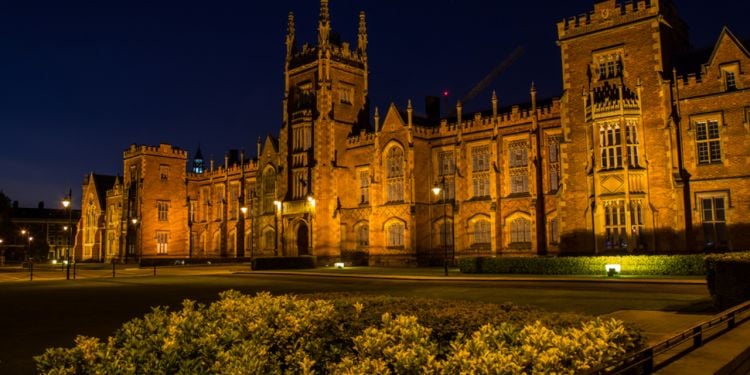
Study in Ireland
There are currently over 35,000 international students from over 120 countries studying in Ireland, according to the Irish Universities Association. ...
Retiring in Ireland
Ireland may not be the first choice for many retirees, especially those from France, who often prefer warmer Mediterranean climates. The majority of foreign retirees living on the Emerald Isle are typically former expatriates who have worked in Ireland for several years, particularly in sectors such as tech, finance, or healthcare. With its frequent rain and high cost of living, Ireland might initially seem less appealing. However, for those with comfortable incomes, the country provides a peaceful way of life, a high-quality healthcare system, an attractive tax system, and reassuring proximity to France.
3 major advantages
- Natural surroundings and quality of life: With spectacular landscapes, abundant nature, and a tranquil atmosphere, Ireland is ideal for a serene retirement.
- High-quality healthcare system: modern facilities and access to specialized care recognized across Europe.
- Proximity to France: less than 2 hours by plane from Paris, an English-speaking environment that eases integration, stunning landscapes, and a rich culture.
💡 Important points
- The legal age to receive the Irish State Pension is set at 66 years. French nationals, like other EU citizens, do not need a visa to settle in the Republic of Ireland, but they will require a PPS number to complete any administrative tasks.
- French pensions can be collected from Ireland without residing in France. You simply need to notify your pension providers of your new address and provide an annual life certificate if requested.
- The cost of living in Ireland is high: over 20% higher than in France. For a comfortable lifestyle, it is advisable to budget for a net monthly income of at least €3,500 to €4,100, depending on your housing choice and location (with Dublin being particularly expensive).
Finance and banks in Ireland
Managing your finances in Ireland requires careful preparation, especially considering that the cost of living is over 20% higher than in France. However, the country does provide an attractive tax framework for expatriates, along with a modern and accessible banking system, and a France-Ireland tax treaty that helps avoid double taxation on income. By understanding the local tax system, including progressive tax, social insurance contributions, and local charges, you can better anticipate your expenses and manage your budget.
💡 Our tips
- Open a local bank account as soon as you arrive, once you have your PPS number and proof of address. The main banks are Bank of Ireland and Allied Irish Bank (AIB). This account will make daily transactions easier and lower your international banking fees.
- Get familiar with the Irish tax system: income tax is deducted at source (PAYE system for employees), with two rates of 20% and 40%, plus the USC (Universal Social Charge) and PRSI (social insurance contributions).
- Check the tax treaty between Ireland and your home country to avoid double taxation. If you have income sourced from France (like rental income), consult the Service for Non-Resident Taxpayers.
- Plan for a significant housing budget, as housing remains the largest expense in Ireland, especially in Dublin. Public transport and local dining options are relatively affordable.
🧭 To learn more

Health care in Ireland
The Irish health system, managed by the Health Service Executive (HSE), is funded through social contributions (PRSI). Unlike in France, access to healthcare is not universal and depends on income levels. About 30% of the population holds a Medical Card, which grants free care for low-income households and certain categories (children under 6, seniors over 70, pregnant women, etc.). Other patients must pay for their care or purchase private health insurance.
The public sector faces significant waiting times, sometimes several months for a specialist or a non-urgent procedure. The private sector is faster but costly, preferred by about 40% of the Irish population. A visit to a general practitioner costs between €30 and €65, up to €150 for a specialist, and around €100 for an initial hospital consultation without a referral. For public hospital stays, the daily charge is €80. Maternity care is free for all residents, covering prenatal consultations, delivery, and postnatal follow-up.
Obtaining private health insurance is strongly recommended to minimize waiting times and costs. Many employers include it in the salary package for expatriates. Without coverage, expect to pay several hundred euros a month for family insurance.
💡 Important to know
- No specific vaccinations are required to reside in Ireland, but universal vaccines (DT-polio, hepatitis B) are recommended.
- In case of emergency, dial 999 or 112. Public emergency services are efficient but often overwhelmed.
- Dental and ophthalmological care is rarely covered, except for children under 6 and holders of a Medical Card.
📍 To learn more


Education and schools in Ireland
The Irish education system is compulsory from 6 to 16 years of age and primarily conducted in English. However, most children begin their schooling as early as 4 or 5 years old in the public classes of Junior Infants and Senior Infants, which are equivalent to nursery school. The system is then divided into primary education (ages 6 to 12) and secondary education (ages 12 to 18), with a Junior Cycle (certificate) followed by the Senior Cycle leading to the Leaving Certificate (baccalaureate). Wearing uniforms is the norm in the majority of schools.
School options:
- Local public schools: free for residents, but often under Catholic governance and may require a baptism certificate. Families are responsible for covering costs for uniforms (approx. €180) and textbooks (approx. €350).
- Local private schools: instruction in English with annual fees ranging from €4,000 to €7,000 for day students, potentially exceeding €15,000 for boarding students.
- French school: the Lycée Français International Samuel Beckett in Dublin, accredited by AEFE, follows the French curriculum from preschool to high school with bilingual French-English instruction. Fees vary from €6,000 to €10,000 per year, depending on the level.
- International schools: offering British, American, or IB programmes, with fees ranging from €5,000 to €20,000 per year for primary and even higher for secondary levels. Notable ones include St Andrew’s College, Sutton Park School, and Nord Anglia International School Dublin.
💡 Practical tips
- Plan for enrolments, especially for international schools and the Lycée Français, where waiting lists are common.
- Check the admission requirements: some public schools require a baptism certificate, while others may ask for an entrance test.
- Allocate a budget for additional costs such as uniforms, textbooks, school transport, and extracurricular activities.
📍 Further resources

Schooling in Ireland
The Irish school system can feel overwhelming for expat parents who are trying to understand the academic year, the curriculum, and the different ...
Accommodation in Ireland
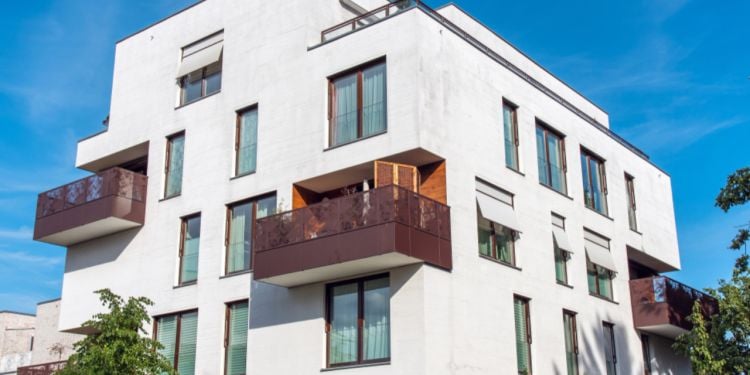
Housing is one of the main challenges for expatriates in Ireland. Rent prices are among the highest in Europe, especially in Dublin, where a studio in the city centre can cost between €1,500 and €2,000 monthly. For a three-bedroom apartment in central Dublin, you can generally expect to pay between €2,500 and €5,000 per month. Renting is the most common option, with leases typically lasting one year and a security deposit equivalent to one month's rent. Flat sharing is also very widespread, particularly in the capital, with rooms renting for between €700 and €900 per month.
Buying property is accessible to foreigners without any special restrictions, but you should be prepared for a significant budget: the average cost of a home in Dublin exceeds €450,000. The process includes a reservation deposit of 3% to 5%, followed by 10% at the signing. Additional costs include stamp duty (1% up to €1 million, 2% thereafter) and notary fees.
🔍 For further reading
Accommodation in Ireland
When it comes to moving to a new country, one of the first and most important factors to decide on is your accommodation. There are many different ...
Moving to Ireland
An international move to Ireland requires careful planning and organization. Between transporting your belongings, navigating administrative tasks, and looking for housing, it’s best to prepare everything before you leave:
- Compare international moving companies, request multiple quotes, and check their insurance coverage.
- Citizens from the EU face no customs formalities for their personal belongings. For non-EU citizens, some customs procedures may apply: check with the Irish customs authorities before departing and prepare a detailed inventory in two copies.
- Gather your essential documents (passport, diplomas, marriage certificates, birth certificates, employment contracts, etc.). Some may need to be officially translated into English.
- Apply for your PPS number upon arrival: it’s essential for working, opening a bank account, or accessing public services.
- Check the compatibility of your devices: Ireland uses 230 V / 50 Hz electricity with type G (British) plugs. Be sure to bring adapters.
- If you’re importing a vehicle, remember that driving is on the left and you must register your car with the Revenue Vehicle Registration Office within 7 days of your arrival.
- Due to the pressure on the rental market, it is advisable to arrange temporary accommodation upon your arrival (shared housing or short-term rental) before signing a long-term lease.
- If you’re traveling with a pet, check the entry requirements for Ireland (identification, rabies vaccinations, veterinary documents, etc.) before departure.
📍 Learn more


Leisure in Ireland
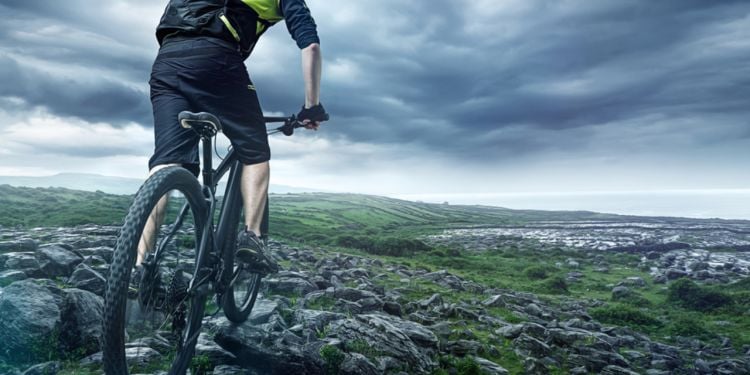
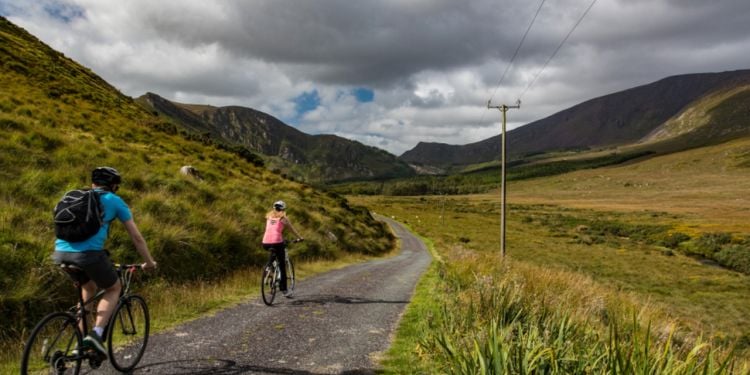
Ireland offers a wide variety of leisure activities encompassing sports traditions, a vibrant culture, and an abundant natural environment. The Irish are well-known for their warmth and community spirit, which can be experienced both on sports fields and in local pubs. The country boasts modern sports facilities readily available across the nation, with gym memberships typically ranging from €20 to €70 per month, depending on the amenities offered. Social life often revolves around the pubs, which serve as lively meeting spots where music, laughter, and conversation fill the evenings. Thanks to its mild climate and stunning landscapes, Ireland is also ideal for outdoor activities year-round, such as hiking and cycling.
Must-see activities:
- Gaelic sports: Catch a match of Gaelic football or hurling at Croke Park—a national institution that hosts over 82,000 spectators.
- Coastal hikes: Traverse the Wild Atlantic Way on foot or by bike, take in the views at the Cliffs of Moher, and explore the trails of Connemara.
- The pub music scene: Immerse yourself in the atmosphere of traditional Irish music sessions, a cornerstone of local social life.
🔍 To explore further
Everyday life in Ireland
Living in Ireland means embracing a relaxed lifestyle, characterized by the warmth and friendliness of the locals. The pace of life here is more peaceful compared to other European capitals, and the culture promotes a genuine balance between work and personal life. Pubs remain the heart of social life, serving as gathering spots where traditional music, laughter, and conversations flow seamlessly. The variable climate adds to the country’s charm: rain, wind, and sunny spells often cycle through in the same day. A good waterproof jacket is a must!
Note:
- In Dublin, public transportation options include Dublin Bus, the DART (coastal train), and the Luas (tram). The Leap Card makes it easy to travel across the whole network. Outside the capital, driving is the most convenient way to get around; a French driving license is accepted, but remember that driving is on the left!
- Internet and telephony are reliable and affordable: expect to pay around €20 to €25 per month for a mobile plan (Vodafone, Three, Eir Mobile). Wi-Fi is widely available in cafés and public spaces.
- Moving with children is relatively easy: the Irish are welcoming, and there are plenty of family activities. Pubs are child-friendly until 9 PM and often have suitable menu options. Public school finishes around 2:40 PM, but after-school care options are somewhat limited.
📍 To explore further

Getting around Ireland
If you are in Ireland, you will naturally want to travel around to different parts and see what the country has to offer. There are a number of ...

Phones and Internet in Ireland
Mobile phones and broadband access are absolute necessities, especially when you have just arrived in a new and unfamiliar country. Thankfully, there ...

Diversity and inclusion in Ireland
With over 200 nationalities now choosing to call it home, Ireland has emerged as a hugely ...
Cost of living in Ireland
The cost of living in Ireland is among the highest in Europe, being more than 20% higher than that of France. The housing costs are the primary expense, especially in Dublin. You can expect to pay between €2,500 and €3,000 per month for a single person, and €6,000 to €7,200 for a family of four.
Here are some estimated monthly expenses:
For a single person | For a family of 4 | |
Groceries | €200 to €300 | €600 to €900 |
Utilities (water, electricity, internet, phone...) | €200 to €250 | €350 to €450 |
Healthcare (not including insurance) Insurance: between €50 and €300/month | €20 to €50 | €80 to €150 |
Leisure & outings | €100 to €150 | €300 to €500 |
Education (if you have children) | / | €750 to €2,000 per month per child |
Rent | €1,500 to €2,000 for a studio or a one-bedroom apartment in Dublin | €2,500 to €5,000 for a three-bedroom apartment in Dublin |
Transport | €80 to €100 | €150 to €250 |
Subscriptions (gym, clubs, streaming services...) | €50 to €70 | €100 to €150 |
Imported goods (organic products, cheese, wine) | €50 to €100 | €100 to €200 |
After-school childcare | / | €200 to €400 |
Income tax | Progressive rate: 20% up to €44,000, then 40% above this | Progressive rate: 20% up to €49,000 for a couple with one income, and up to €88,000 for a couple with two incomes, then 40% above this |
The essentials to remember
Carefully prepare your expatriation plans for Ireland: check entry requirements, apply for your PPS Number as soon as you arrive, and learn about the tax system and the job market.
Choose your place to live based on your priorities: Dublin for its vibrancy, Cork for balance, or Galway for quality of life. Be proactive in your search for housing, especially in Dublin and Cork, where the market is very competitive and rents are high.
Take the time to read our themed articles, especially those on employment, housing, and healthcare in Ireland.
Remember that this information pertains to the Republic of Ireland, and not Northern Ireland, which is part of the United Kingdom.
Feel free to ask your questions on the Ireland forum, where the expatriate community shares valuable advice and experiences!
Moving to Ireland means choosing a welcoming, modern country that is open to the world. Proper preparation is key to a successful settlement. We hope this Expat.com guide provides you with the essential tools to help you organize your move and fully enjoy your new life in Ireland.
We do our best to provide accurate and up to date information. However, if you have noticed any inaccuracies in this content, please contact us.


News & testimonies

Do anti-immigration riots deter moving abroad plans?
The anti-immigrant riots in Dublin in November 2023 sent a worrying message about xenophobia in countries where many expats live. The rise of far-right groups has been in the news for a while. Still, its escalation into riots on the streets and curfews sounds the alarm bell about just how dangerous this kind of political atmosphere can be for expats and international students, especially those from ethnic and religious minorities. Can these incidents even deter their plans to move abroad?
Ireland: A growing haven for international job seekers
As one of the world's most open economies, Ireland is becoming increasingly attractive to foreign workers. The island nation's assets include double-digit growth and hiring sectors. Let's look at what makes it one of the most attractive countries in Europe for building a career.

Ireland: Expat partners can now work
In Ireland, spouses of non-EEA work permit holders did not, de facto, obtain a work permit. They were allowed to look for jobs with employers which would in turn sponsor their work permits. But this has changed now.

Sports and pubs: The Irish way
There is so much to enjoy in the Emerald Island – from the cliffs and the castles, to the monuments and the museums. However, what will probably fascinate you the most is Irish's special bond with sports and their enthusiam about sports events. The Irish are particularly passionate about rugby, Gaelic football and the MMA – so much that they never miss an opportunity to hang out in the pub while watching matches and competitions.
Essential services for your expat journey



