Eligibility of your pet to travel to Ireland
There are different rules in place, depending on what type of pet you are bringing into Ireland and where you are coming from. Pets coming to Ireland from another EU country should be microchipped, vaccinated against rabies, hold an EU pet passport stamped by a vet, and if you're bringing your dog into Ireland, treated for tapeworm. If you're coming to Ireland from a non-EU country, there are additional requirements that must be met. Your pet must hold an EU Health Certificate signed and stamped by an official government vet in the country you're travelling from, as well as undergo a blood test. You also have to give advance notice to the Irish port or airport authorities, and your pet must undergo a compliance check on arrival into Ireland.
Dogs, cats and ferrets
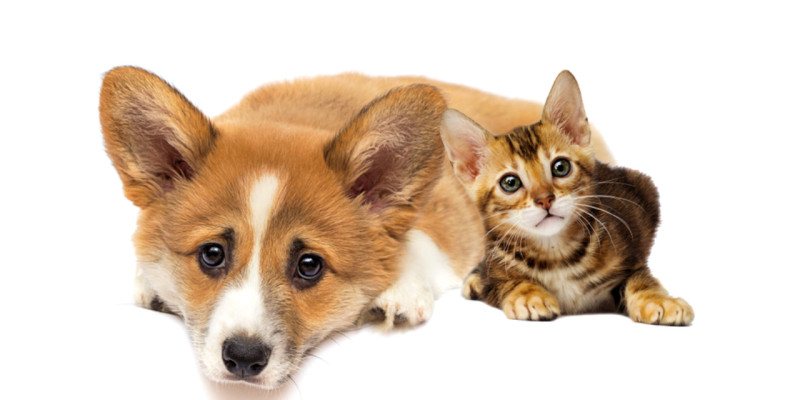
The EU system of Passports for Pets allows cats, dogs and ferrets to travel between EU member states and some other countries that are part of the scheme. Your pet must arrive in Ireland with you, or within five days before or after you travel, if it is accompanied by a person authorised by you. Your pet must have an EU pet passport stamped by a vet to show that the rabies vaccination has been given. You are only able to travel with up to five pets at any given time.
If you are coming from an EU country or from the Vatican, Switzerland, San Marino, Norway, Monaco, Liechtenstein, Iceland, the Faroe Islands, Greenland, Gibraltar or Andorra, then these pets need to be microchipped, have valid rabies vaccinations, have a pet passport or vet certificate, and for dogs, a tapeworm treatment (unless coming from the UK, Norway, Malta or Finland). Tapeworm treatment for dogs must be given by a vet between 1 and 5 days before you arrive in Ireland, and recorded in the pet passport.
If these conditions are not met upon arrival, your pet may have to be quarantined. There will be an additional compliance process for those bringing pets into Ireland for other countries not on the above list.
Countries not on the list from the Department of Agriculture, Food and Marine will also need to comply with a rabies blood test. Unless you have an assistance dog, you will need to bring your pets through Dublin Airport.
Birds
If you are from an EU country or one of the other qualifying countries as stated above, you can bring in a bird if you have an owner declaration document and have completed and emailed the Advance Notice of Import form to livetrade@agriculture.gov.ie at least 24 hours before arriving in Ireland.
For those not coming from an EU nation, you can only bring in five birds, and you need to have a veterinary health certificate.
If you are trying to bring in a bird from a country not on the list from the Department of Agriculture, Food and Marine, it is going to be a complicated process. There will be certain checks that need to be carried out upon your arrival, which you can read about on the Irish Government's Pet Travel Portal.
Rodents and rabbits
For EU and associated states, you simply need to accompany the pet yourself or by using an agent and have already submitted an advance notice at least 24 hours before the pet arrives. There are only certain nations outside of the EU from which you can bring rodents and rabbits into Ireland.
A license is needed at least two months before arriving. This license details all of the various checks and requirements you need to meet in order to transport your pet into the country.