

Living in Peru: the ultimate expat guide
Everything you need to know for a successful life in Peru.
Nestled between the Pacific Ocean and the Andes mountains, Peru captivates with its unique geographical diversity and millennia-old cultural heritage. The country draws numerous expatriates each year thanks to its affordable cost of living, spectacular landscapes (from Pacific beaches to the Amazon), and a growing economy. The thriving capital city, Lima, serves as the main hub for professional opportunities, while cities like Arequipa and Cuzco offer a quieter lifestyle steeped in history and Andean traditions.
With a population of about 34 million, Peru boasts a multicultural society where Incan heritage, Andean traditions, and Spanish influences coexist. The French community is estimated to consist of around 4,000 people, making the French one of the largest groups of European expatriates in the country.
5 great reasons to choose Peru
- An affordable cost of living: approximately 40 to 50% less than in France, allowing for a comfortable standard of living.
- An unparalleled cultural richness: a legacy of the Inca civilization, Andean traditions, and Spanish influences.
- A developing job market: opportunities in tourism, technology, and mining industries.
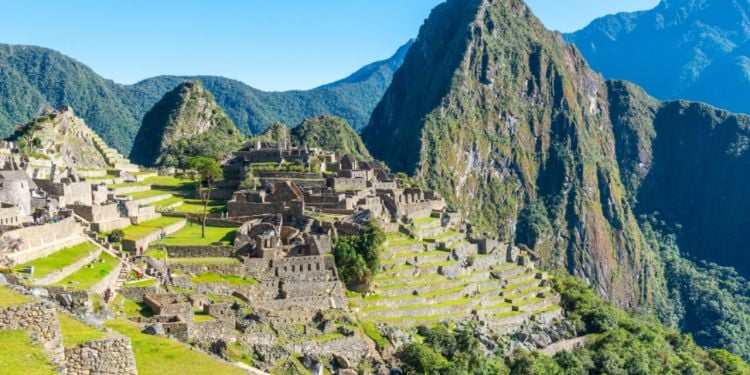
- Stunning landscapes: including Machu Picchu, the Andes mountains, the Amazon, and the Pacific coastline.
- A world-renowned cuisine: frequently ranked among the best in Latin America.
The Expat.com guide has been designed to support you in your expatriation project in Peru. Here you will find all the essential information regarding visas, work holiday permits, employment, housing, healthcare, and local lifestyle.
Official languages: Spanish (Castilian), Quechua, Aymara | Local currency: Peruvian Sol (PEN) | Time difference from France: -6 hours in winter, -7 hours in summer | Flight duration from Paris to Lima: approximately 12h30 |
Formalities and visas for Peru
To enter Peru, French and European nationals do not require a visa for a tourist stay of under 90 days. For nationals outside the EU, whether a tourist visa is required depends on your nationality: some nationalities are exempt, while others need to secure a visa beforehand.
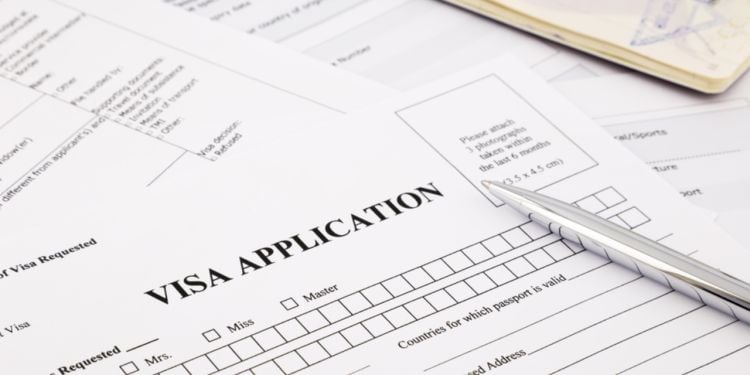
If you plan to reside long-term, there are several types of visas available depending on your situation: work visa (visa de trabajo), student visa, investment visa, or the working holiday permit available for young people aged 18 to 30. The application process is handled through the Peruvian consulate in your home country before your departure, or with Migraciones Perú once you are on the ground for any status changes. The required documents vary based on the type of visa, but generally include a valid passport with at least 6 months validity, a translated and apostilled criminal record check, proof of financial resources, and, for the work visa, a job contract validated by the Ministry of Labor of Peru. Once your visa is approved, you will need to apply for a foreign residence card (Carné de Extranjería), issued by Migraciones Perú. This document is essential for legally residing in Peru: it serves as your identification for administrative processes, allows you to open a bank account, sign certain contracts, work (depending on your visa), and carry out most official procedures. The Carné is issued after your registration and the payment of associated fees. You must renew it every year as long as you maintain your resident status.
💡 Helpful tips
- Start your application process several months before your departure, as processing times can be lengthy.
- Make sure to translate and apostille your official documents before leaving.
- The working holiday permit allows you to legally work for one year and is a great opportunity to explore the country.
- Always carry a copy of your passport and visa with you.
📍 Further resources
Visa requirements for Peru
Before travelling to Peru, it is best to research travel formalities and conditions. For citizens ...

The Working Holiday Visa in Peru
Unquestionably a jewel in the crown of South America's must-see destinations, Peru offers an ...

Formalities for entering and staying in Peru
Before travelling to Peru, whether for a short visit as a tourist or a long-term relocation, it's best to find out about entry conditions and ...
Working in Peru
The Peruvian economy is continuing to grow. However, the job market remains competitive, especially in Lima, which is home to the majority of businesses, international headquarters, and skilled opportunities. The sectors most in demand include tourism, mining (copper, gold, silver), agro-industry, fishing, information technology, and business services. Proficiency in Spanish is generally essential, although English is appreciated in multinational companies and internationally-focused organizations.
Starting a business in Peru is relatively straightforward and encouraged by administrative modernization measures and some tax incentives. The procedures can typically be completed online and usually take a few weeks. The country also attracts freelancers and digital nomads, particularly in Lima, where the infrastructure is good, and the cost of living is affordable. Other cities like Arequipa or Trujillo offer a more tranquil lifestyle while still providing genuine professional opportunities.
In-demand profiles:
- Tourism and hospitality professionals
- Engineers in mining, energy, and agro-industry
- IT specialists (web development, cybersecurity, data)
- Executives in international business and logistics
- Foreign language teachers (French, English)
💡 Key points
- The informal market remains quite prevalent: ensure you have a proper employment contract.
- Salaries are significantly lower than in Europe, but this is offset by a more affordable cost of living.
- Entrepreneurship benefits from a stable taxsystem, although corporate taxes remain high.
- Internships (prácticas) are common and a great entry point into the local job market.
Unemployment rate: between 6% and 7% in 2025 | Legal working hours: 48 hours per week | Minimum wage: 1 130 PEN per month (≈ 290 €) in 2025 | Income tax: progressive, from 8% to 30% | Corporate tax: 29.5%; VAT at 18% |
🧭 To explore further
Finding work in Peru
Working and living in Peru is a goal for many foreigners, with a low cost of living (by North ...

Setting up a business in Peru
Peru is a real haven for foreign investment, which greatly contributes to the economy. Many ...

Internships in Peru
Peru's diversified and growing economy means there are many opportunities for foreign students and ...
Studying in Peru
The Peruvian university system warmly welcomes international students and is among the most dynamic in Latin America. The country boasts around 140 public and private universities, primarily located in Lima. Some of the most renowned institutions include the Pontificia Universidad Católica del Perú (PUCP), famous for its social sciences and humanities, the Universidad Nacional Mayor de San Marcos, founded in 1551 and considered the oldest university in South America, the Universidad del Pacífico, specializing in economics and management, and the Universidad de Lima, known for its strong programs in communication and engineering.
Why study in Peru?
The country provides a rich academic experience in a unique cultural environment. Tuition fees are relatively affordable compared to Europe or North America, ranging from 3,900 to 11,700 PEN (approximately 1,000 to 3,000 EUR) per year at public universities for international students, and from 7,800 to 23,400 PEN (about 2,000 to 6,000 EUR) per year at the more prestigious private universities. Courses are primarily taught in Spanish, providing an excellent opportunity for language immersion. Access to public universities is subject to a selective entry exam, while private institutions typically have more flexible admission processes. The Peruvian university system consists of three cycles: bachelor's (5 years), master's (2 years), and doctorate (3 years).
💡 Our tips
- Plan for your student visa, which is mandatory for any stay exceeding 90 days.
- Check the equivalence of your degrees with Sunedu to continue your studies.
- Budget for housing that is more substantial in Lima, as shared accommodation is the most accessible option for students.
- Research available scholarships and university exchange programs.
📝 Further reading

Study in Peru
Studying in Peru is a great option for university students particularly for the language and cultural exposure that comes with it. Peru's higher ...
Retiring in Peru
Peru may not be among the most popular retirement destinations for expatriates, but it certainly attracts some who choose to spend their golden years here. Most are former residents who have worked in the country for several years, particularly in sectors like energy, finance, education, or tourism. The country charms with its affordable cost of living, renowned cuisine, rich cultural heritage, and stunning landscapes.
If you’re looking to settle in Peru as a retiree, there is a specific visa (the "rentista visa") that requires a minimum monthly income of 4,000 PEN (approximately €990), plus 2,000 PEN (around €495) for each dependent. This visa can be obtained from the General Directorate of Migrations in Lima, once you arrive and are in legal status. French nationals can enter Peru without a visa for stays of up to 183 days, which makes the initial arrangements more straightforward.
3 major advantages
- Affordable cost of living: Although rising in larger cities like Lima, the cost of living remains lower than in France, especially for local food and domestic services.
- Rich cultural and natural heritage: With its Pacific coast, Andes mountains, and Amazon rainforest, Peru offers an exceptional diversity of landscapes and a remarkable historical legacy.
- Favorable tax environment: Peru does not tax foreign-sourced income, including foreign retirement pensions.
💡 Important to know
- There is no social security agreement between France and Peru. Having private or international health insurance is essential. Depending on your options, expect to budget 200 to 800 PEN/month (around €50 to €200).
- A certificate of life must be sent every year to your French pension fund. This can be obtained from the French Consulate in Peru.
- For a comfortable living standard in Lima, budget around 6,000 to 8,500 PEN/month (approximately €1,480 to €2,100), which includes housing, utilities, food, and leisure activities.
- Safety can vary significantly depending on the neighborhoods (especially in Lima). A prior reconnaissance of the area is essential before making a permanent move.
Finance and banks in Peru
Effectively managing your budget is crucial for a successful expatriation in Peru. The Peruvian banking system is modern and includes a variety of local and international institutions, such as Banco de Crédito del Perú (BCP), Interbank, Scotiabank, and BBVA.
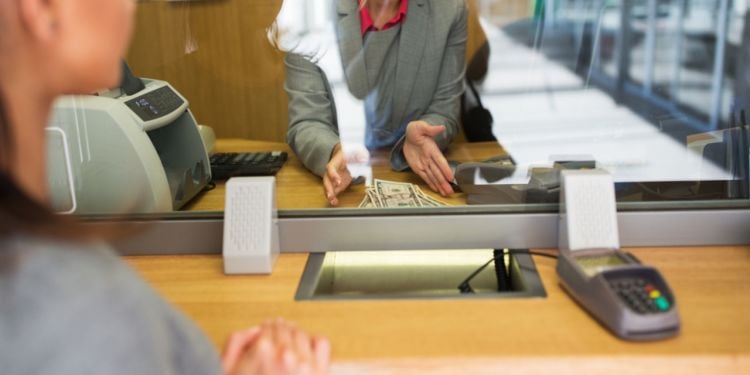
Opening a local bank account can greatly simplify daily life, especially for paying rent, receiving a salary, or avoiding international banking fees. To open an account in Peru, most banks require a foreign resident card (Carné de Extranjería). However, some banks may allow a temporary account to be opened with just a passport and sponsorship from an employer or a Peruvian resident, though the services offered in such cases are limited. The usual documents required include your passport, proof of address, and, in certain situations, a recommendation letter.
💡 Our tips
- Open a local bank account as soon as possible to avoid high international withdrawal and payment fees.
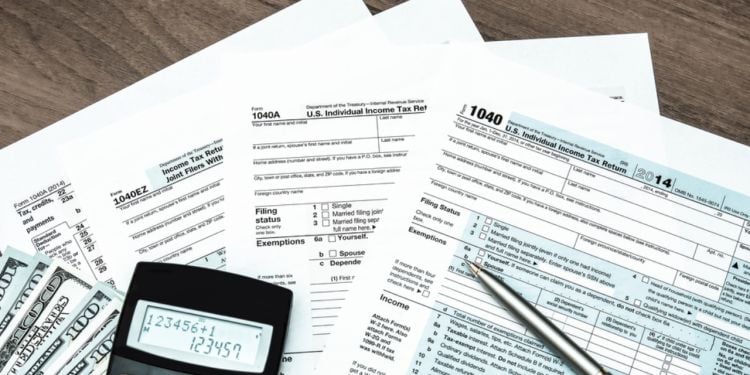
- Get informed about the Peruvian tax system: income tax is progressive, ranging from 8% to 30%.
- There is no tax treaty between France and Peru: certain incomes may be taxed twice. To understand your exact obligations, check your tax residency with SUNAT and the French tax office.
- Always carry some cash with you, as many businesses, particularly outside of Lima and major cities, do not accept cards.
- Compare bank fees: they can vary dramatically from one bank to another, especially regarding withdrawals at third-party ATMs.
📍 Further resources
Health care in Peru
The Peruvian health system is divided into two sectors:
- Public Sector: This is centered around the Ministry of Health (MINSA), which manages hospitals and health centers available to everyone, and EsSalud, the Peruvian social security system. EsSalud is a mandatory insurance scheme for employees, funded by employers at a rate of 9%. It covers consultations, hospitalizations, dental care, maternity, diagnostics, and medications with reduced costs: a general consultation costs between 15 and 30 PEN (approximately 3.5 to 7 €), and a specialist consultation costs between 20 and 40 PEN (approximately 5 to 10 €). However, wait times can be very long: several weeks or even months for specialist consultations, and often longer for non-urgent procedures.
- Private Sector: Comprising clinics and hospitals operated by Empresas Prestadoras de Salud (EPS), this sector offers modern facilities and quick access to care. A general consultation costs around 80 PEN (approximately 21 €) while a specialist consultation ranges from 170 to 290 PEN (approximately 45 to 75 €). A normal delivery costs between 5,000 and 12,000 PEN (approximately 1,200 to 2,900 €), and a caesarean delivery ranges from 8,000 to 20,000 PEN (approximately 1,900 to 4,900 €). Most expats opt for international health insurance or local private coverage. International insurance typically costs between 520 and 1,500 PEN per month (approximately 130 to 380 €), depending on age and coverage options.
💡 Important to know
- There is no social security agreement between France and Peru: medical expenses must be paid upfront and then reimbursed by your private insurance.
- No vaccinations are required to enter Peru, but it is recommended to be up-to-date on universal vaccinations (DT-Polio, hepatitis B) and to protect against hepatitis A, typhoid, and yellow fever if staying in the Amazon region.
- There are numerous pharmacies that are well stocked. Many medications are available without a prescription.
- In case of emergency, dial 116 for the emergency medical service (SAMU). Major private clinics in Lima, such as Clínica Anglo Americana and Clínica San Felipe, provide 24-hour emergency services.
📍 Further resources

The healthcare system in Peru
Whether you are visiting Peru for a short time or planning to relocate for an extended period, it's important to understand the healthcare ...
Education and schools in Peru
The Peruvian education system has undergone significant reforms in recent years. Schooling is mandatory and free for all children aged 6 to 16. Spanish is the primary language of instruction in most schools, but in some rural areas, Quechua or Aymara may also be used. The academic year starts in early March and ends in November or December.
Choosing schools:
- Local Public Schools: These are free for residents, but the quality can vary greatly depending on the region and institution. Families will still need to pay for membership in the parent-teacher association (APAFA), uniforms, and school supplies. Language barriers and different educational approaches mean that these schools are less commonly chosen by expats.
- Local Private Schools: There are many of these, especially in Lima, offering instruction in Spanish or bilingual education (Spanish–English). Fees can vary significantly based on reputation, ranging from 750 to 3,950 PEN per month (approximately 185 to 920 euros). Some provide excellent quality of education, particularly in the residential areas of Lima, Arequipa, or Trujillo.
- French Schools: Peru has two accredited institutions by AEFE. The Lycée Franco-Péruvien in Lima and the Colegio Peruano-Francés Antoine-de-Saint-Exupéry in Arequipa follow the French education system, from preschool to secondary school. The tuition fees are high: expect to pay between 20,000 and 28,500 PEN per year (around 4,900 to 7,000 euros), depending on the school and level. These schools are highly sought after, and waiting lists are common for certain grades.
- International Schools: Mainly located in Lima, these follow British (IGCSE, A-Levels), American (High School Diploma), or the International Baccalaureate (IB) programs. Among the most reputable are Colegio Franklin D. Roosevelt (American), Colegio Markham (British), and Newton College (IB). Tuition costs range from 40,000 to 72,000 PEN per year (approximately 10,000 to 17,300 euros), depending on the institution and grade. In cities like Arequipa, Cusco, or Trujillo, international options do exist but are more limited.
💡 Practical tips
- Register your children as early as possible, as waiting lists are common in international schools and the Lycée Franco-Péruvien.
- Check the language requirements: some schools may have a minimum level of proficiency in English or Spanish.
- Look into the accreditations, which are usually available on the official website of each school, to ensure the international recognition of diplomas.
- Consider additional fees: uniforms, transportation, extracurricular activities, and school supplies can add up to a significant budget.
Accommodation in Peru
Finding accommodation in Peru is generally quite easy, especially in major cities like Lima, Arequipa, and Trujillo. Renting is typically the preferred option at the start. The legal maximum duration for leases is 10 years, and they usually require a security deposit equivalent to one or two months of rent. Utility costs (water, electricity, building fees) are often billed separately and are not included in the rent. In Lima, the most sought-after neighbourhoods for expatriates are Miraflores, San Isidro, Surco, La Molina, and Barranco. Rental prices here are higher than in other places in the country: expect to pay between 1,200 and 2,500 PEN (approximately 290 to 600 €) per month for a studio or one-bedroom apartment, and between 4,000 and 8,000 PEN (approximately 960 to 1,920 €) for a three-bedroom apartment. In Arequipa and Trujillo, prices are more affordable, with rents ranging from 800 to 2,500 PEN per month (approximately 190 to 600 €) depending on the size and location.
Property purchases are open to foreigners without particular restrictions, except near borders and military installations. Purchase prices vary significantly depending on the cities and neighbourhoods, but they generally remain lower than European prices.
📍 To learn more
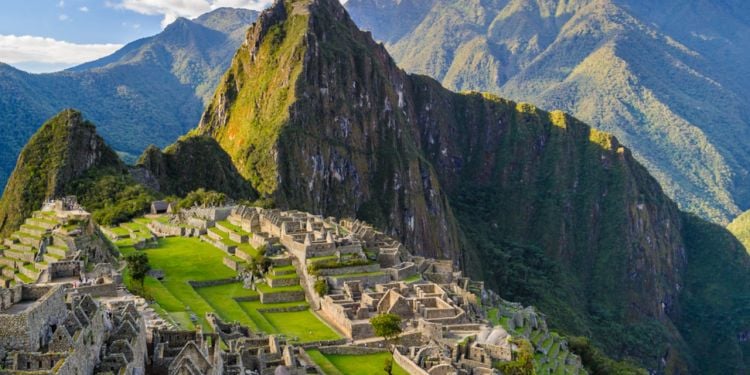
Accommodation in Peru
Relocating to Peru is a big move for many expats, and undoubtedly requires advance planning. One of ...
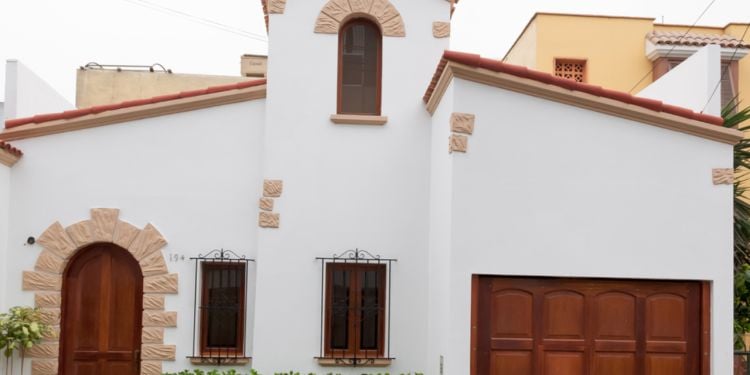
Buying property in Peru
Once you have settled in Peru, particularly if you want to stay in the country long-term, you may ...

Accommodation in Trujillo
Located in the north of Peru, Trujillo is the capital city of the Peruvian district of La Libertad ...
Moving to Peru
An international move to Peru requires careful preparation and foresight regarding customs procedures. Several factors must be considered to ensure a smooth relocation:
- Compare quotes from multiple international moving companies and ensure that a comprehensive insurance plan is included in the contract.
- Prepare for customs procedures with the SUNAT, the Peruvian customs administration. Generally, used personal belongings can enter without customs fees, but a detailed inventory and documentation proving your change of residence are essential.
- Gather your essential documents (passport, diplomas, civil status certificates, work contract, proof of income, driver's license) and keep both paper and digital copies.
- Check the electrical compatibility of your appliances. Peru operates on 220V / 60Hz with type A and C plugs: make sure to bring a universal adapter for your French devices.
- If you are traveling with a pet, prepare the necessary international health certificate, required vaccinations (including rabies), and the import permit issued by SENASA. Depending on your country of departure, a quarantine period may be required.
- Don't forget to cancel your subscriptions in your home country and arrange for the transfer or forwarding of your mail.
📍 Further reading


Leisure in Peru
Peru boasts an exceptional cultural and natural richness that captivates expatriates in search of authentic experiences. The capital, Lima, is renowned for its world-class gastronomic scene, museums showcasing pre-Incan and colonial history, and its lively nightlife. Nature lovers will appreciate the diversity of landscapes, from the Pacific beaches to the Andean peaks and the Amazon rainforest. Active expatriates will find numerous opportunities for hiking, surfing, mountain biking, or water sports, depending on their location.
A must-explore:
- The Peruvian cuisine is among the most renowned in the world. Dive into local markets, enjoy traditional cevicherías, and explore a culinary landscape that blends Incan, Spanish, African, and Asian influences.
- Archaeological sites are abundant. Beyond the famed Machu Picchu, discover the lesser-known ruins of Kuélap, the Nazca lines, and the remains of the Mochicas in the north of the country.
- Outdoor activities are accessible to everyone. Hike in the Andes, surf at Márcora, observe wildlife in the Amazon, or try your hand at sandboarding in the dunes of Ica: the country offers an exceptional variety of experiences for all skill levels.
📍 Take it further
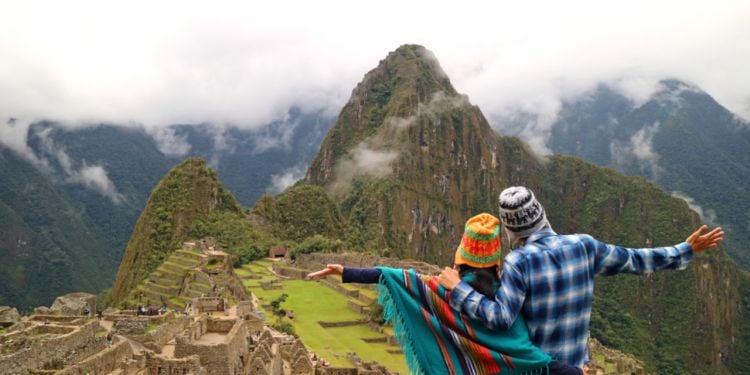
Leisure activities in Peru
If you're considering a move to Peru, why not make the most of this time by discovering the country and learning more about its history, culture, and ...
Everyday life in Peru
Daily life in Peru features a more relaxed pace compared to many European countries. Peruvians place great value on family and social connections. The country beautifully blends Andean tradition with urban modernity, especially in Lima, where historic neighborhoods coexist with contemporary business districts.
Things to note:
- Safety levels vary significantly between neighborhoods. In Lima, residential areas like Miraflores, San Isidro, and Barranco are generally considered safe, while some outlying sectors require more caution.
- Working hours typically run from 9 AM to 6 PM Monday through Friday, with some businesses closing early on Saturday mornings. In smaller towns, shops often close for a break between 1 PM and 3 PM.
- Transportation in Peru primarily relies on buses, minibuses (known locally as combis), and taxis, which are available in all cities. In Lima, the options are more extensive: the Metropolitano (rapid bus), Line 1 of the metro, and classic buses make getting around easy, although traffic can often be heavy.
- Mobile phone and Internet services work well in urban areas: a typical mobile plan costs between 15 and 50 PEN per month (approximately 3.50 to 12 EUR), and fiber optic internet is available in most major cities for 25 to 60 PEN monthly (around 6 to 14 EUR).
- WhatsApp is the preferred tool for daily communication, both personal and professional.
📍 For further exploration
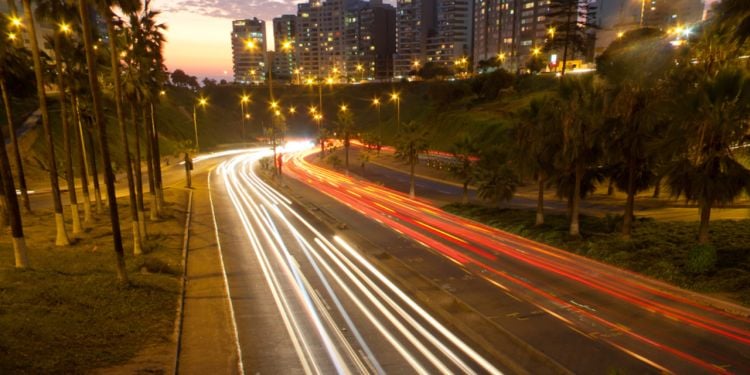
Travelling around Peru
Once you have settled in Peru, you will probably want to find ways to explore and move around the country, whether for work or for pleasure, ...

Phones and internet in Peru
In Peru, there are more than 30 million mobile phone in use and 10 million users connected to the internet. The telecommunication network is ...
The Peruvian lifestyle
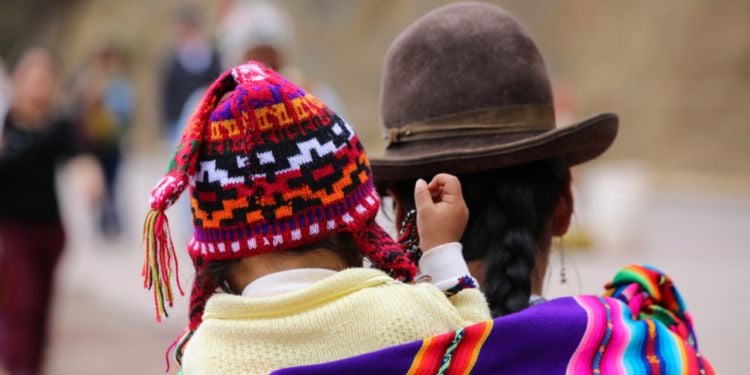
If you are planning to relocate to Peru, it's important to learn a bit about the local lifestyle so that you know what to expect on arrival, and ...
Cost of living in Peru
Peru is among the most affordable countries in South America. The cost of living here is about 40 to 50% lower than in France, although cities like Lima, Cusco, and certain tourist areas tend to be more expensive compared to the rest of the country. Depending on your lifestyle, a single person can live on a budget ranging from 3,100 to 6,300 PEN per month (approximately 780 to 1,580 €), while a family of four generally budgets between 9,000 and 18,500 PEN per month (about 2,250 to 4,625 €).
Here are some estimated monthly figures to give you a clearer idea of the cost of living in Peru:
For a single person | For a family of 4 | |
Food | 800 to 1,200 PEN (approximately 200 to 300 €) | 2,000 to 3,500 PEN (approximately 500 to 875 €) |
Public services (water, electricity, internet, phone...) | 150 to 250 PEN (approximately 40 to 65 €) | 300 to 500 PEN (approximately 75 to 125 €) |
Health (with private insurance) | 520 to 1,500 PEN (approximately 130 to 380 €) | 1,550 to 4,500 PEN (approximately 390 to 1,130 €) |
Leisure & outings | 300 to 500 PEN (approximately 75 to 125 €) | 800 to 1,500 PEN (approximately 200 to 375 €) |
Education (if you have children) | / | 1,000 to 3,500 PEN (approximately 250 to 875 €) per month per child |
Rent | 3,000 to 6,000 PEN (approximately 750 to 1,500 €) | 8,000 to 15,000 PEN (approximately 2,000 to 3,750 €) |
Transport | 100 to 200 PEN (approximately 25 to 50 €) | 300 to 600 PEN (approximately 75 to 150 €) |
Subscriptions (gym, clubs, streaming platforms...) | 100 to 200 PEN (approximately 25 to 50 €) | 250 to 400 PEN (approximately 60 to 100 €) |
Imported goods (organic, cheeses, wines...) | 200 to 400 PEN (approximately 50 to 100 €) | 500 to 800 PEN (approximately 125 to 200 €) |
Domestic help (common in Peru, especially for families) | / | 1,000 to 1,800 PEN (approximately 250 to 450 €) for full-time |
Income tax | progressive, from 8% to 30% depending on brackets | progressive, from 8% to 30% depending on brackets. |
Key takeaways
Plan your administrative tasks: check the entry and residency requirements, select the appropriate visa if necessary, and familiarize yourself with the job market as well as the Peruvian tax system.
Take the time to read our practical articles, especially those focused on employment, housing, healthcare, and lifestyle in Peru.
Feel free to ask questions on the Peru forum, where the expat community shares wisdom, advice, and experiences!
To integrate smoothly, learn the basics of Spanish, explore local customs, and embrace the Peruvian lifestyle, which is characterized by hospitality, cultural diversity, and a more relaxed pace of life, depending on the region.
Relocating to Peru means choosing a country rich in history, with geographical contrasts and opportunities. To ensure your transition is successful, good preparation is essential. We hope this Expat.com guide has provided you with the keys you need to organize your move and fully enjoy your new life in Peru.
We do our best to provide accurate and up to date information. However, if you have noticed any inaccuracies in this content, please contact us.


News & testimonies
Danielle: "Lima is a fantastic cultural and culinary hub"
Danielle comes from Grenada and spent 12 years in the UK. She moved to Lima last year with her fiance Steven. She particularly enjoys traveling and blogging during her free time.

Ellie in Zorritos: « People really live in the moment here »
Ellie comes from Australia. She moved to Zorritos four years ago with her son. Besides teaching English, she likes spending time with her son, going to the pool and beach and taking a drink with her friends.
Lyle in Huaracondo: "Life here runs at a slower more relaxed pace"
American expat, Lyle moved to Peru in July 2012. He decided to open a bed and breakfast with his Peruvian wife in Huaracondo, in the Cusco region. He adapted well to his new environment and tries to improve his Spanish and Quechua skills.
Essential services for your expat journey



