Living in San Francisco: the ultimate expat guide
Everything you need to know for a successful life in San Francisco.
San Francisco is one of America's most distinctive urban centers, where rolling hills meet Victorian architecture and innovative tech companies sit alongside historic cable cars. Its mild Mediterranean climate, with temperatures rarely exceeding 70°F or dropping below 45°F, means residents can enjoy outdoor activities year-round without harsh winters or sweltering summers.
The tech boom of the past two decades has transformed San Francisco into a global innovation hub, attracting professionals from around the world. This growth has brought substantial economic opportunities and world-class amenities. Many international professionals find that the combination of career prospects, access to natural beauty from beaches to redwood forests, and the city's unique character creates an appealing lifestyle. The city's progressive values, diverse population representing cultures from every corner of the globe, and thriving arts scene create an environment where newcomers can quickly find their community. San Francisco's walkable neighborhoods, excellent public transportation, and mild weather contribute to a distinctive quality of life.
5 good reasons to move to San Francisco
- Career opportunities in tech and innovation: Silicon Valley's northern anchor hosts countless tech companies, startups, and venture capital firms.
- Stunning natural setting: Immediate access to ocean beaches, hiking trails, Golden Gate Bridge, and redwood forests provides endless outdoor recreation.
- World-class cultural scene: Dozens of museums, galleries, and theaters offer exceptional cultural experiences.
- Culinary excellence: Over 50 Michelin-starred restaurants plus authentic dim sum and farm-to-table California cooking represent every global cuisine imaginable.
- Progressive, welcoming community: Long history of embracing diversity, LGBTQ+ rights, and welcoming immigrants creates an open-minded, inclusive atmosphere.
Working in San Francisco
Technology, financial services, healthcare, and professional services are the main pillars of San Francisco’s economy, with technology playing a leading role. The city is home to major employers such as Salesforce, along with a wide range of startups and established firms across software, fintech, and digital services. Large healthcare providers, financial institutions, and transportation companies also employ substantial numbers of local workers, contributing to a diverse economic base.
Key employment sectors
Technology dominates San Francisco's economic landscape, encompassing software development, artificial intelligence, cybersecurity, and data science. Financial services also have a significant presence with both traditional banking and growing fintech operations. Healthcare is one of the city’s largest sources of employment, while biotechnology and life sciences play a supporting role, particularly in research and development. Professional services, including legal, consulting, and business services, also remain an important part of the local job market.
Work permits and procedures
Most international professionals need employer sponsorship to work legally in San Francisco. The H-1B visa is the most common option for skilled workers in specialty occupations. The L-1 visa allows intra-company transfers within multinational organizations, while the O-1 visa is available to individuals with extraordinary ability in their field. Processing times vary, and employers typically begin visa applications several months before a planned start date to allow sufficient time for approval.
Unemployment Rate (August 2025) | 4.2% |
Average monthly salary (net) | $7,208 |
Top sectors | Technology, financial services, healthcare |
Data correct as of December 2025.
Sources: U.S. Bureau of Labor Statistics, SF.gov, Numbeo
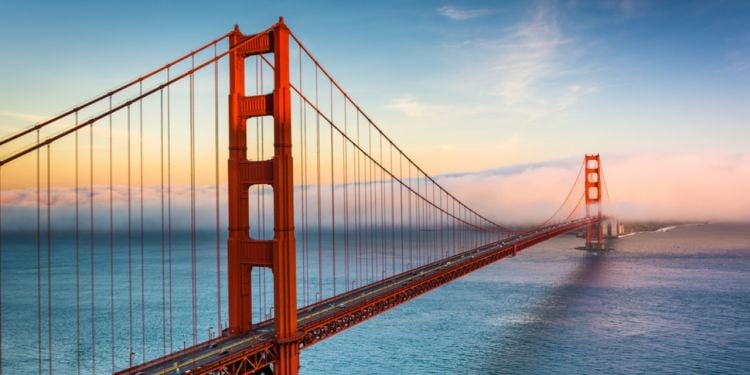
Work in San Francisco
Since its beginnings as a gold rush town, San Francisco has been a dynamic, busy city where people go to try and make their mark. Famous for its tech ...
Higher education & universities
San Francisco hosts several respected universities offering diverse programs for international students, from large public institutions to smaller private colleges with specialized programs.
Major universities
San Francisco State University (SFSU), part of the California State University system, serves a large student population with programs spanning undergraduate and graduate fields across arts, sciences, business, education, and health. The University of San Francisco (USF), a private Jesuit institution, offers well-regarded programs in business, nursing, and liberal arts, integrating social justice principles within its Jesuit tradition alongside respected offerings in data science, entrepreneurship, and nursing. The nearby University of California, Berkeley, just across the bay, ranks among the world's premier public research universities.
Admission requirements
International applicants must demonstrate English proficiency through tests such as TOEFL, IELTS, or the Duolingo English Test. Minimum score requirements vary by university, degree level, and program. Academic transcripts from non-U.S. institutions are required, with some universities conducting their own credential review and others requesting an official evaluation to determine U.S. equivalency. F-1 visa applicants must show proof of sufficient funds to cover tuition and living expenses, typically through a Certification of Finances. Application deadlines vary by institution, term, and program, with some offering rolling admissions and others setting fixed deadlines for fall entry.
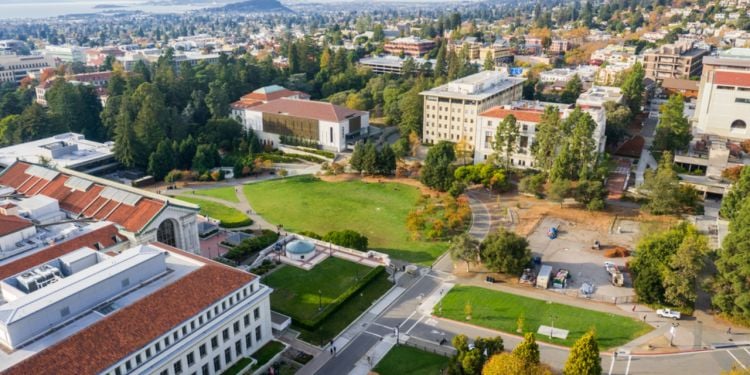
Study in San Francisco
San Francisco, with its vibrant culture, world-renowned universities, and natural beauty, is an enticing destination for expats looking to further ...
Schooling for children
San Francisco offers a wide range of educational options for children, from public schools to well-established international and private institutions. The San Francisco Unified School District (SFUSD) operates more than 100 public schools serving kindergarten through grade 12. Student placement is handled through a centralized application system that allows families to rank school choices, with assignments based on a combination of preferences, availability, and geographic factors rather than strict neighborhood zoning.
International and private schools
The International School of San Francisco offers bilingual French-English education from preschool through grade 12, with students able to pursue International Baccalaureate and French Baccalaureate pathways in high school. Lycée Français de San Francisco provides French immersion education with options leading to both the French Baccalaureate and a U.S. high school diploma. Both schools offer financial aid programs for qualifying families. Other options include the Chinese American International School, which provides Mandarin-English education through middle school.
Application process
International and private schools in San Francisco typically have competitive admissions and limited spaces. Application timelines and requirements vary by school and grade level but often include parent questionnaires, school records, teacher recommendations, and student assessments for older children. Waiting lists are common, particularly for popular entry years and mid-year enrollment, making early research and planning important.
Sources: International School SF, Lycée Français

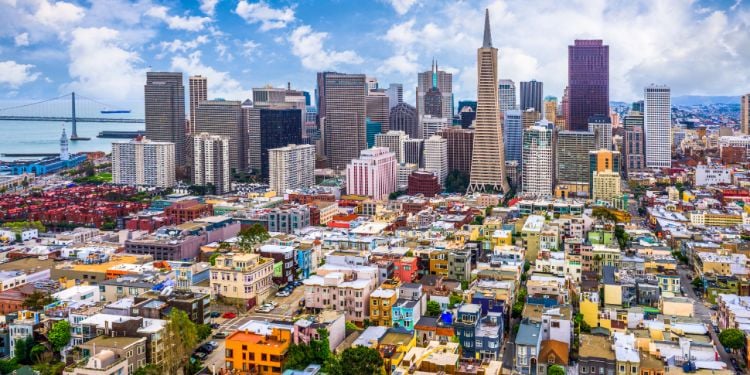
International schools in San Francisco
San Francisco is famous for its cosmopolitan mixture of tech, finance and creative industries, which attract families from all over the world. This ...
Housing & neighbourhoods
San Francisco's housing market is one of America's most competitive. Each neighborhood has its own character, from the bustling downtown energy of SoMa (South of Market) to the quiet residential streets of the Sunset District.
Popular neighborhoods for expatriates
Marina District attracts young professionals with its proximity to waterfront parks, boutique shopping, and good dining options. Noe Valley appeals to families with its quieter residential streets, excellent schools, and village-like commercial corridor. Mission District is known for its diverse dining, street art, and easier BART (Bay Area Rapid Transit) access. Pacific Heights and Presidio Heights feature upscale living with stunning views of the bay and Golden Gate Bridge. Outer Sunset and Outer Richmond near the ocean have more space and easier street parking, though fog tends to be heavier.
Rental procedures and rental costs
Landlords typically require the first month's rent and a security deposit equal to one or two months' rent upfront. Most conduct credit and background checks and may require proof of income demonstrating earnings at least three times the monthly rent. International newcomers without U.S. credit history may need to provide additional documentation, employment letters, or larger deposits. Rental agreements usually span one year, with rent control protections applying to buildings constructed before 1979.
Rent of a 1-bedroom apartment in the city center | $2,592 - $4,000/month |
Rent of a 3-bedroom apartment in the city center | $4,500 - $7,500/month |
Data correct as of December 2025.
Sources: RentCafe, Apartment List, Numbeo
🔍To learn more
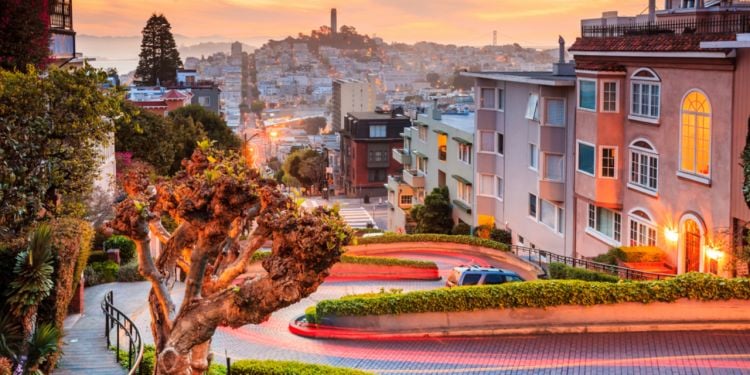
Leisure, culture & things to do
San Francisco's cultural landscape offers world-class museums, performing arts, outdoor recreation, and diverse dining. The city's compact size means many attractions sit within easy reach. Year-round mild weather encourages outdoor activities, though fog often blankets western neighborhoods in summer.
Museums and attractions
The California Academy of Sciences in Golden Gate Park combines an aquarium, planetarium, and natural history museum. Nearby, the de Young Museum showcases American art from the 17th-21st centuries. The San Francisco Museum of Modern Art (SFMOMA) holds one of the world's premier contemporary art collections. If you want to enjoy the great outdoor, Golden Gate Park spans over 1,000 acres with gardens, lakes, and trails, while the Presidio offers hiking trails with stunning Golden Gate Bridge views. Lands End features dramatic coastal trails. Residents can also cycle across the Golden Gate Bridge to Sausalito or hike in nearby Marin Headlands.
Dining and nightlife
San Francisco's dining scene encompasses everything from Michelin-starred restaurants to authentic taquerias and dim sum parlors. The Ferry Building Marketplace is a popular haunt that features dozens of artisan food vendors. Live music venues range from jazz clubs to larger halls like The Fillmore. Outside Lands music festival transforms Golden Gate Park into a major concert venue each August.
🔍To learn more
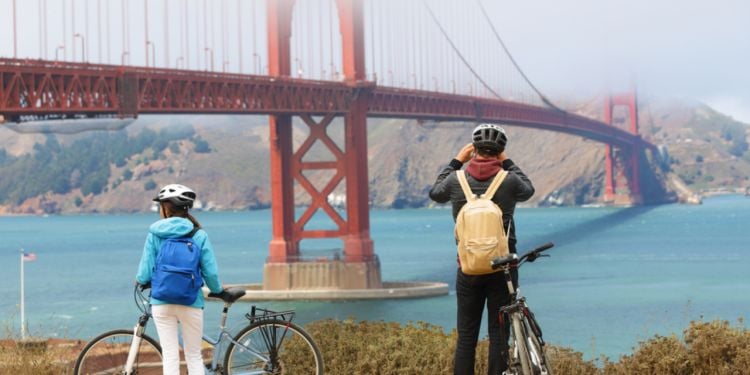
Leisure activities in San Francisco
San Francisco is known as one of the most beautiful cities in the world. With a mild climate, ...
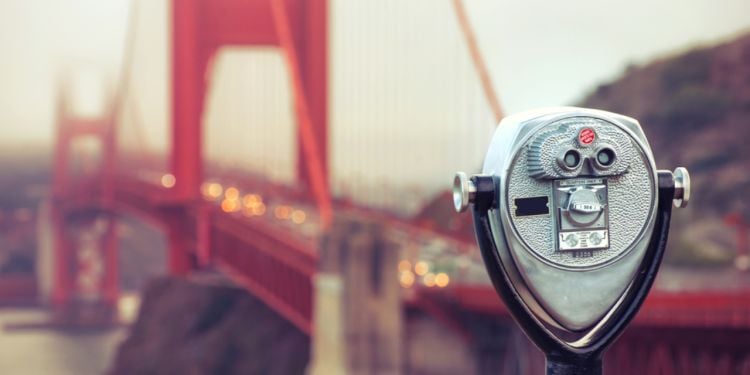
Sports and outdoor activities in San Francisco
Although it's a modern city, San Francisco has plenty of natural spots to discover. Set along a ...
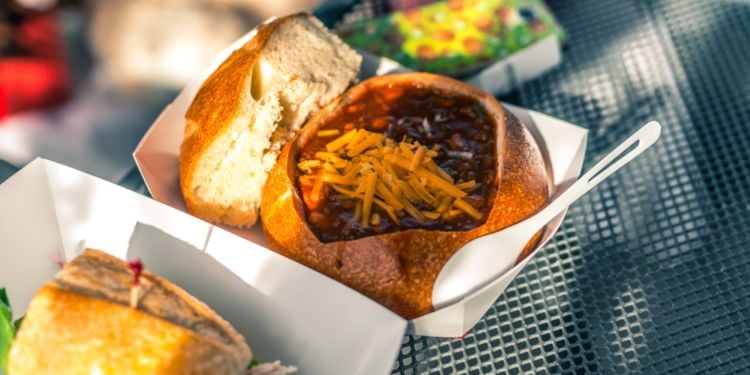
The food scene in San Francisco
San Francisco is one of the US's most restaurant-dense cities. From high-end dining to vibrant ...
Daily life
The city’s Mediterranean climate means residents rarely face extreme temperatures, but microclimates can vary sharply from neighborhood to neighborhood. Western areas like the Sunset and Richmond often experience fog and cooler temperatures, while eastern and inland neighborhoods such as the Mission District are frequently sunnier and warmer. Most residents dress in layers to accommodate these daily and local variations in weather.
Transportation options
San Francisco's Muni system operates buses, light rail, historic cable cars, and streetcars throughout the city. The BART (Bay Area Rapid Transit) connects San Francisco to East Bay cities including Oakland and Berkeley, essential for many commuters. Many residents rely on bicycles for short trips, taking advantage of expanding bike lanes, though the city's steep hills pose challenges in some areas. Ride-sharing services like Uber and Lyft operate extensively throughout the city. Car ownership comes with considerations including parking availability in many neighborhoods and the need to move vehicles for street cleaning schedules.
Shopping and lifestyle
Grocery shopping ranges from national chains like Safeway and Whole Foods to local options like Bi-Rite Market and Rainbow Grocery. Farmers' markets operate weekly in various neighborhoods, offering fresh California produce. The Ferry Building Marketplace downtown features artisan food vendors and specialty shops. Most neighborhoods have pharmacies, dry cleaners, and other essential services within walking distance.
🔍To learn more

Discovering San Francisco
Even though the United States is home to some of the worlds most fascinating places of interest, ...
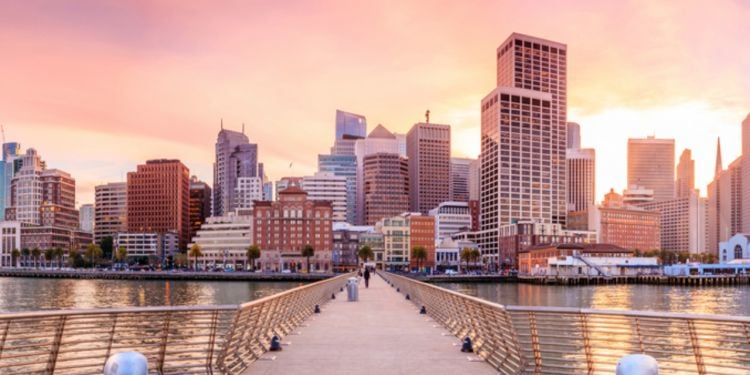
Adjusting to the local culture in San Francisco
America is a vast country and every state and city has its own unique culture and appeal. San ...

Developing your social circle in San Francisco
One of the best ways to adjust to your new environment in San Francisco is to have friends that you ...
Cost of living
The cost of living in San Francisco consistently ranks among one of the highest in the United States. However, substantially higher salaries compared to most other cities help offset this, particularly for professionals in technology, finance, and other high-paying sectors.
Monthly expenses for a single person
Rent of a 1-bedroom apartment in the city center | $2,592 - $4,000 |
Groceries | $300 - $500 |
Utilities | $147 - $400 |
Data correct as of December 2025.
Monthly expenses for a family of four
Rent of a 3-bedroom apartment in the city center | $4,500 - $7,500 |
Groceries | $1,00 - $1,500 |
Utilities | $350 - $550 |
Data correct as of December 2025.
Sources: Numbeo, Apartment List, Move.org
In short
San Francisco draws international professionals with its wealth of career opportunities, particularly in the technology and innovation sectors, where salaries reflect the competitive talent market. The combination of natural beauty—from ocean beaches to nearby redwood forests—with urban amenities creates an enviable quality of life. Most expatriates find the progressive values, cultural richness, excellent dining scene, and mild climate compelling. Whether you're launching a tech career, raising children in international schools, or seeking adventure in one of America's most iconic cities, San Francisco offers a unique environment where diverse communities thrive. For more information, browse our informative articles and join the Expat.com San Francisco forum, where you can ask questions and connect with other expats living in the Bay Area.
We do our best to provide accurate and up to date information. However, if you have noticed any inaccuracies in this content, please contact us.


News & testimonies
Zoe in San Francisco: "It's like living in a melting pot of totally different countries"
French expat, Zoe moved to San Francisco a few years ago following several trips to be with her husband. She recently obtained her green card. Zoe enjoys taking pictures of the city and updating her blog.

How does the United States define “extraordinary talent”?
In 2026, the United States began enforcing a new set of measures aimed at “restricting the entry of foreign nationals and protecting the United States.” President Trump has once again tightened immigration policy: visa procedures have been frozen in more than 70 countries, and negotiations are underway to require visa applicants to disclose their social media accounts. When it comes to visas, a fresh wave of anxiety is spreading among those classified as “extraordinary talents.” Recent cases suggest that certain categories of applicants may now be favored over others. Here's a closer look at what's happening.

US suspends immigrant visas for nationals of 75 countries and introduces visa bonds
Immigrant visa suspension, visa bonds, tighter H-1B rules and higher entry barriers: the United States is pressing ahead with policies aimed at curbing both legal and illegal immigration. What will the “American Dream” look like in 2026, and what should expats expect?

REAL ID: How to get the new US driver's license
Much more than just a driver's license, the American Driver's License serves as a genuine form of identification. The recent introduction of the REAL ID Driver's License—a true driver's license identity card—proves it once again.
Essential services for your expat journey