

Living in Luxembourg: the ultimate expat guide
Everything you need to know for a successful life in Luxembourg.
Luxembourg is a small country at the heart of Europe, offering rich professional, cultural, and social opportunities. Its multinational population creates an open, dynamic, and welcoming environment. The job market is stable, salaries are competitive, the country ranks among the safest globally, and quality of life is exceptional.
5 compelling reasons to live in Luxembourg
- Luxembourg has a solid economy and a dynamic job market, ideal for skilled professionals.
- The country delivers exceptional quality of life with a safe environment, modern infrastructure, and efficient public services.
- The country is trilingual and cosmopolitan, creating unique cultural diversity.
- The public transport network is excellent and free nationwide.
- The country is deeply European, with its central location, rapid access to three borders, and numerous European institutions.
Key facts and figures
Understanding Luxembourg's demographics helps contextualize the expatriate experience. The country's population composition reflects its international character and economic appeal.
Total population | ~681,900 residents (early 2025 estimate) |
Expatriate proportion | ~47% of the population |
Top 5 foreign nationalities | 1. Portuguese (~13%) 2. French (~7%) 3. Italians (~3.7%) 4. Belgians (~2.7%) 5. Germans (~1.8%) |
Source: Wikipedia
Visas and immigration requirements
Immigration requirements vary significantly based on nationality. Understanding the legal framework before arrival streamlines your relocation process.
EU/EEA and Swiss citizens
Citizens of the European Union, European Economic Area, and Switzerland do not require a visa. Upon arrival, you must register with your local commune by submitting a declaration of arrival. This straightforward process establishes your legal residence status.
Non-EU/EEA citizens
For citizens outside the EU/EEA area, immigration procedures are more involved. You must apply for both a visa and a residence permit through the Direction de l'immigration before arrival. Processing times vary, so initiate applications well in advance of your intended move date. The specific visa type depends on your purpose of stay, whether employment, business, family reunification, or studies.
📍 Further resources
For detailed immigration guidance, consult the official Luxembourg government immigration portal and your nearest Luxembourg embassy or consulate.
Visas for Luxembourg
To enter Luxembourg, obtaining a visa is sometimes necessary. This may vary depending on nationality and the length of the stay. This article ...
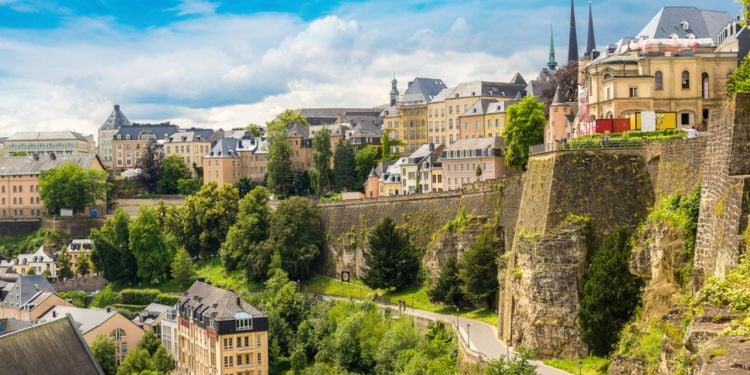
Traveling to Luxembourg
The entry requirements for Luxembourg vary depending on whether you are a citizen of the European ...

All the insurances you will need in Luxembourg
In life, it's important to be well-insured to protect against unforeseen events. This becomes ...
Working in Luxembourg: opportunities and sectors
Luxembourg is recognized for its economic dynamism and job market openness to international talent. Many expatriates choose this country for professional opportunities or to establish their own business ventures.
Key employment sectors
The Luxembourg economy thrives on several core industries. Finance, audit, insurance, legal services, information technology, logistics, healthcare, construction, and business services consistently recruit qualified professionals. The financial sector alone employs tens of thousands, while the tech industry continues rapid expansion.
Working languages
French, English, German, and Luxembourgish are commonly used depending on the sector and company. Many international firms operate primarily in English, while public administration and legal sectors often require French or German proficiency. Multilingual capabilities significantly enhance employment prospects.
Starting a business
The environment strongly supports entrepreneurship with competitive taxation, clear legal frameworks, and support systems for business creators. The government offers various incentives and simplified procedures for company formation, particularly in innovation-driven sectors.
Cross-border workforce
The country attracts approximately 200,000 cross-border workers who commute daily from France, Belgium, and Germany. This unique labor market dynamic reflects Luxembourg's economic strength and geographic position. Overall, over 70% of the total workforce is foreign, combining both expatriates and cross-border commuters.
The unemployment rate in 2024 stood at 5%, indicating a healthy labor market with reasonable job security.
📍 Further resources
Explore job opportunities through official employment services, professional networks, and industry-specific platforms.
Work in Luxembourg
Thinking about working in Luxembourg? This article will guide you through the legal ...
Setting up a business in Luxembourg
Starting a business involves many steps and can initially seem complex. In this article, discover ...
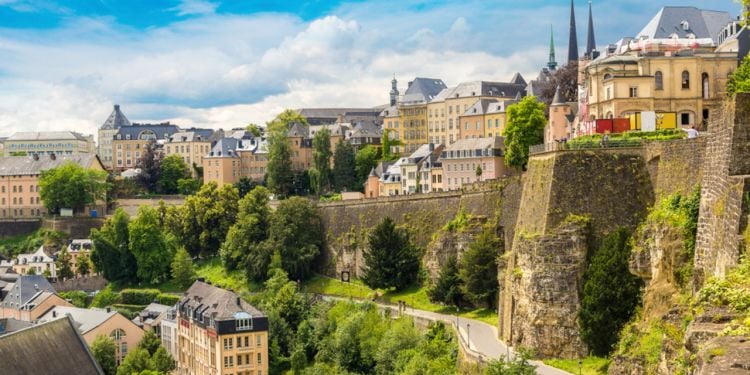
Work in Luxembourg City
Luxembourg City, being the capital of the Grand Duchy, holds a significant reputation as a major ...
Higher education opportunities
Luxembourg increasingly attracts students, both local and international. Over 7,000 students are enrolled at the University of Luxembourg, with 60% being international students.
💡 Key points:
University of Luxembourg
The University of Luxembourg is the sole public university, operating three main campuses at Esch-Belval, Kirchberg, and Limpertsberg. It offers programs in law, economics, sciences, engineering, computer science, education, and humanities. The institution regularly features in the top 25 young universities (under 50 years old) in the Times Higher Education rankings.
Language of instruction
Most programs combine French, English, and German, preparing graduates for Luxembourg's multilingual professional environment. Some programs are offered entirely in English, particularly at master's and doctoral levels.
Degree structure
Degrees align with the European system (Bachelor, Master, Doctorate), ensuring international recognition and mobility. This framework facilitates continued studies or professional opportunities across Europe.
Specialized institutions
Beyond the public university, specialized schools and institutes focus on arts, finance, and management, providing targeted professional training.
📍 Further resources
Visit the University of Luxembourg website for program details, admission requirements, and application procedures.

Banking and taxation essentials
Luxembourg is a renowned international financial center where banking procedures and tax obligations are well-regulated. Understanding these systems facilitates smooth financial management.
💡 Key points:
- Opening a bank account is possible at most banks with a passport, proof of residence, and sometimes an employment contract. Many banks offer multilingual services to accommodate the international community.
- Income tax is progressive, with 23 tax brackets. Your tax regime depends on resident status and family situation. Rates and deductions vary considerably based on these factors.
- Residents generally must file an annual tax return. Non-residents may face taxation if their income originates from Luxembourg sources. Tax administration is efficient and well-documented.
- Access to mortgages or consumer credit is available for expatriates, depending on employment stability and collateral provided. Interest rates remain competitive by European standards.
- Luxembourg has signed numerous tax treaties to prevent double taxation of income earned abroad, facilitating international financial planning.
📍 Further resources
Consult the Luxembourg tax administration website and consider professional tax advisory services for complex situations.


Healthcare system and coverage
Luxembourg offers a high-quality healthcare system accessible to all residents affiliated with the Caisse nationale de santé (CNS), the national health fund. This comprehensive system ensures excellent medical care with reasonable out-of-pocket costs.
Healthcare coverage
Medical care, medications, and hospitalizations are largely reimbursed through the CNS. The system operates on a reimbursement model where patients typically pay upfront and receive reimbursement afterward. Coverage rates are generous, though some procedures may require partial patient contribution.
Supplementary insurance
Many residents choose to purchase complementary health insurance to cover gaps in public coverage, particularly for dental care, optical services, and alternative treatments. Private insurers offer various packages tailored to individual needs.
Social protection
Beyond healthcare, Luxembourg's social protection system includes retirement pensions, family allowances, unemployment benefits, and disability coverage. Prevention programs promote public health through regular screenings and health education initiatives.
📍 Further resources
Visit the CNS website for detailed coverage information and enrollment procedures.

Healthcare in Luxembourg
How can I take advantage of the healthcare system in Luxembourg? This article contains all the ...

Accidents and emergencies in Luxembourg
Accidents or emergencies are part of life and can happen at any time. In the moment, it's not ...

Pregnancy in Luxembourg: Assistance, healthcare, and maternity leave for expectant mothers
Luxembourg strongly encourages childbirth through concrete actions: quality support for expectant ...
Education and schools: multilingual options
Luxembourg features a unique multilingual school system reflecting its diverse population. Families can choose between public and private education, with various international curricula available.
Public education system
Children begin preschool at age 3, then progress through primary and secondary education taught in Luxembourgish, German, and French. This trilingual approach prepares students for Luxembourg's multicultural professional environment. The public system is free and delivers strong academic outcomes.
International and European schools
The country hosts numerous international schools and European schools offering curricula in English, French, or other languages. These institutions cater specifically to expatriate families, providing continuity with home country education systems or internationally recognized qualifications like the International Baccalaureate.
Enrollment procedures
School registration depends on residence location. Expatriates can choose between free public schools and fee-paying private establishments based on family preferences, language needs, and educational philosophy. Early enrollment is recommended, particularly for sought-after international schools.
📍 Further resources
Consult the Ministry of Education website and individual school websites for admission requirements and application deadlines.
Finding accommodation in Luxembourg
Luxembourg's real estate market is dynamic but presents challenges due to high prices, particularly in the capital. Strategic planning and realistic budgeting are essential for securing suitable housing.
Rental market
Rentals are in high demand, especially in Luxembourg City. Expect to commit to decisions quickly and prepare a substantial budget. Landlords typically require a security deposit equivalent to 2 to 3 months' rent. Competition for quality properties is intense, so having complete documentation ready expedites the application process.
Purchasing property
Buying real estate is accessible but expensive. Property prices have risen steadily, making homeownership a significant financial commitment. However, Luxembourg's stable economy and quality of life make property investment attractive for long-term residents. Mortgage financing is available with competitive rates for qualified buyers.
Cost-saving strategies
Many residents adopt alternative solutions to manage housing costs. Shared accommodation reduces expenses, particularly for young professionals. Living in peripheral areas or across borders in neighboring countries offers more affordable options while maintaining access to Luxembourg's job market and amenities through excellent transport connections.
📍 Further resources
Explore listings on established real estate portals and consider engaging a local real estate agent familiar with expatriate needs.
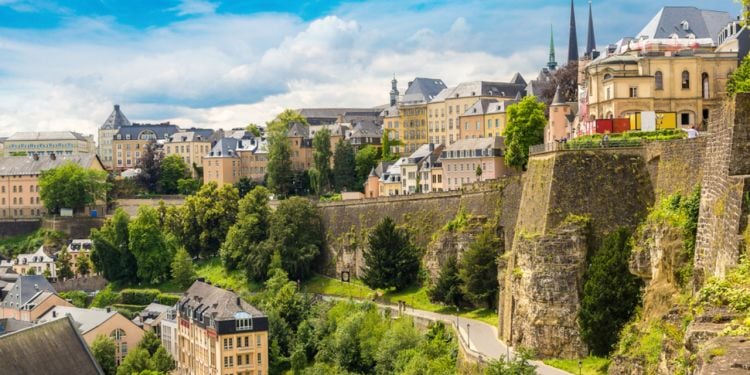
Accommodation in Luxembourg
Finding housing in Luxembourg can be quite challenging, as the rental market is both competitive ...
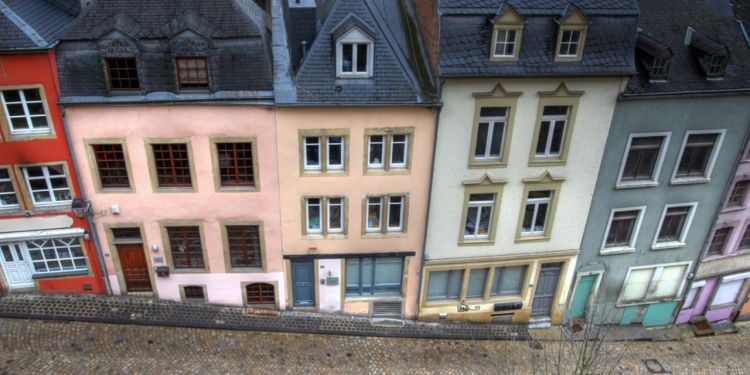
Buying a property in Luxembourg
Whether you're planning to buy an existing house or have one built, purchasing ...
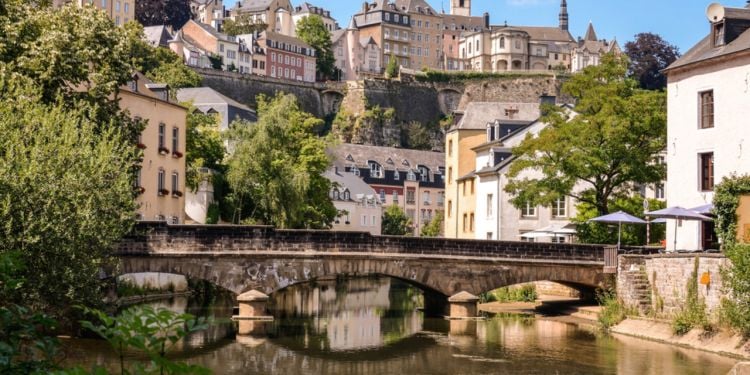
Accommodation in Luxembourg City
Luxembourg City stands out with a truly unique real estate market, characterized by significantly ...
Organizing your move to Luxembourg
Planning a successful relocation requires attention to logistics, documentation, and practical arrangements. Thorough preparation minimizes stress and ensures a smooth transition.
Essential moving considerations
Find comprehensive information and practical advice for organizing your move to Luxembourg, including selecting reliable moving services, preparing your relocation timeline, sorting and packing belongings efficiently, and managing customs procedures when shipping household goods from abroad. Professional moving companies familiar with international relocations can handle logistics while you focus on settling into your new environment.


Leisure and cultural life
Luxembourg offers diverse leisure activities reflecting its multicultural character and natural beauty. The compact country size means recreational options are always nearby.
Cultural attractions
The capital features numerous museums, theaters, and festivals showcasing Luxembourg's international character. The Mudam (Museum of Modern Art), National Museum of History and Art, and Philharmonie Luxembourg host world-class exhibitions and performances. Annual events like the Schueberfouer fair and various music festivals create vibrant cultural experiences throughout the year.
Outdoor recreation
Nature enthusiasts appreciate hiking in the Mullerthal region, often called "Little Switzerland" for its distinctive rock formations and scenic trails. The country's numerous castles and picturesque villages offer weekend exploration opportunities. Well-maintained cycling routes connect communities and showcase Luxembourg's varied landscapes.
Nightlife and dining
The country features an active nightlife with diverse bars, restaurants, and cultural events. International cuisine reflects the multinational population, while traditional Luxembourgish specialties remain popular. The restaurant scene ranges from casual bistros to Michelin-starred establishments.
Sports and fitness
Extensive sports facilities and clubs support various activities, from team sports to individual pursuits. Swimming pools, fitness centers, tennis clubs, and golf courses serve active residents.
Regional access
Luxembourg's central position enables easy weekend trips to neighboring countries, expanding leisure possibilities to include destinations across Belgium, France, and Germany.

Daily life and cultural integration
Luxembourg combines a safe living environment, international atmosphere, and culture marked by diversity. Understanding local customs facilitates integration.
💡 Key points:
- The country ranks among the world's safest, with low crime rates contributing to residents' peace of mind.
- Luxembourg offers a balanced lifestyle between professional commitments and personal time, with abundant outdoor activities and nature access within minutes.
- The country champions multilingualism: Luxembourgish, French, and German coexist in daily life. English is also widely used, particularly in business contexts.
- Punctuality is valued, and courtesy in professional and personal relationships is standard. Direct communication combined with politeness characterizes local business culture.
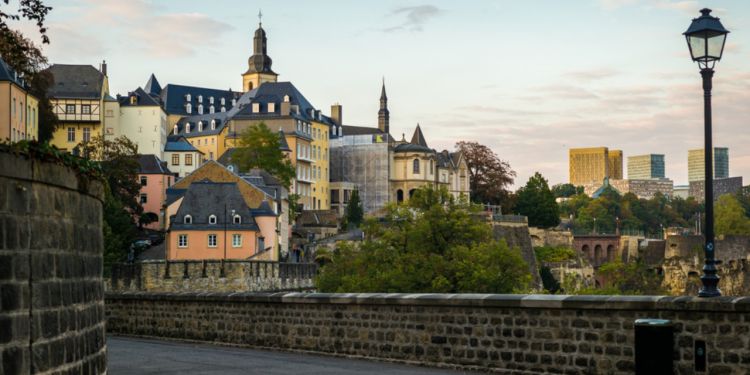
Discover Luxembourg
Luxembourg, a country situated in the heart of Europe, is known for its rich cultural diversity. ...

The cost of living in Luxembourg: Budget and tips for moving
Luxembourg is one of the richest countries in the world in terms of GDP (Gross Domestic Product) ...
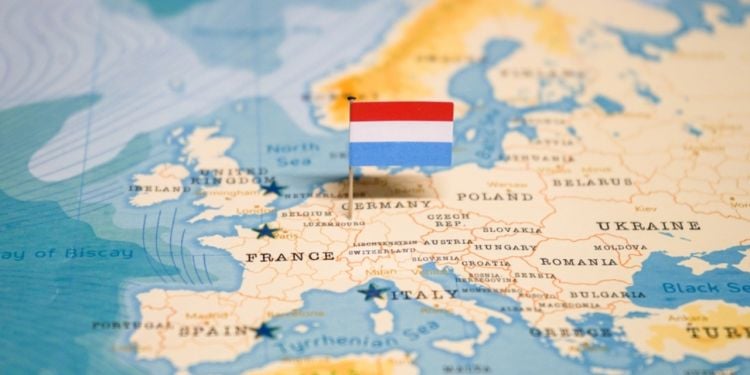
Languages in Luxembourg
Luxembourg, a tiny nation in Western Europe, is frequently showcased as an exemplar of how ...
Cost of living: what to expect
Luxembourg ranks among Europe's most expensive countries. Understanding typical costs helps in budget planning and salary negotiations. While prices are high, salaries generally reflect the elevated cost of living.
Monthly expenses for a single person
The following table outlines average monthly costs for a single person living in Luxembourg, providing a baseline for financial planning.
One-bedroom apartment in city center | ~EUR 1,900 |
One-bedroom apartment outside center | EUR 1,000 to 1,800 |
Utilities (water, electricity, internet, mobile) | EUR 250 to 300 |
Groceries | EUR 300 |
Leisure and entertainment | EUR 200 |
Monthly expenses for a family of four
Families face higher costs, particularly for housing. The table below excludes health insurance and school tuition, which vary significantly based on individual choices.
Three-bedroom apartment in city center | ~EUR 3,300 to 3,500 |
Three-bedroom apartment outside center | ~EUR 2,500 to 3,000 |
Utilities (water, electricity, internet, mobile) | EUR 250 to 300 |
Groceries, transport, leisure | ~EUR 3,750 |
Sources: luxtoday.lu, numbeo.com, globalpropertyguide.com, expatfocus.com
In a nutshell
Moving to Luxembourg means choosing a country that is modern, safe, and internationally oriented. This small state delivers excellent professional opportunities, a multicultural environment, and high quality of life. Administrative procedures are clear, educational offerings are increasingly international, and the real estate market, while expensive, provides alternatives in peripheral areas.
Want to connect with people already living in Luxembourg?
Join the expat community on Expat.com to ask questions, share experiences, and find support tailored to each stage of your expatriation journey!
We do our best to provide accurate and up to date information. However, if you have noticed any inaccuracies in this content, please contact us.


News & testimonies
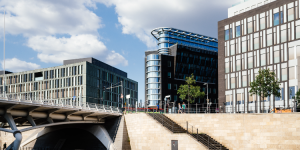
Which sectors are recruiting in Luxembourg?
On March 31, the Grand Duchy of Luxembourg updated its list of occupations facing severe shortages. The authorities have identified 22 sectors where Luxembourg employers are struggling to recruit.

Opening a bank account in Luxembourg
Opening a bank account in Luxembourg is one of the first things on your to-do list during your move, essential for managing your salary, expenses, and administrative tasks. Our business partner, BGL BNP Paribas, has written this practical guide to easily opening a bank account in Luxembourg, either in-branch or online, even before you arrive.

Easier entry and high quality of life: Why expats choose Luxembourg
Luxembourg is a highly cosmopolitan country, with nearly 47.3% of its population being foreign nationals, representing about 170 different nationalities (government data). Despite its small size of only 2,586 km², the country offers ample opportunities for those seeking professional growth and an excellent quality of life. The Luxembourg Parliament has recently passed a law making it easier for third-country nationals to enter and stay in Luxembourg for highly qualified jobs. So why should you consider moving to Luxembourg?
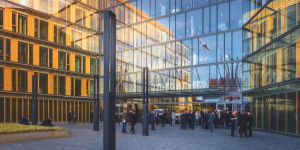
Luxembourg struggles to hire foreign talent
Attracting international talent is no easy thing. Faced with a severe labor shortage, Luxembourg is finding it hard to hire foreign talent. Aware of the current situation, the government recently introduced a new tax incentive for highly qualified foreigners. But will that be enough to attract foreign talent?
Essential services for your expat journey