Living in Berlin: the ultimate expat guide
Everything you need to know for a successful life in Berlin.
Berlin, the capital of Germany, is a city of history, culture, and innovation. It is known for its eclectic architecture and a creative scene that attracts people from around the world. The city has a population of about 3.6 million and is one of Europe's key centers for tech, research, and the arts. Its economy is driven by thriving sectors in IT, media, biotech, and clean energy, supported by top-tier institutions such as the Fraunhofer institutes and prominent life-science clusters. Green space covers more than a third of the city, with lakes, parks, and rivers offering plenty of room for outdoor time.
5 good reasons to move to Berlin
- A diverse job market across tech, media, research, and creative industries with many opportunities.
- A vibrant cultural scene with museums, theaters, music venues, and festivals happening throughout the year.
- More affordable living costs compared with other major European capitals, including housing, dining, and transport.
- A welcoming international community with residents from around the world, fostering a multicultural, inclusive environment.
- Extensive green spaces, rivers and parks.
Source: World Population Review
Working in Berlin
Berlin's economy is diverse, with thriving tech, healthcare, creative, and manufacturing sectors. Expats can find opportunities in startups, multinational corporations, and public institutions. Work permits for non-EU citizens generally require a job offer and approval from the Federal Employment Agency.
Key industries
Berlin’s key industries include information technology and software development, media and creative sectors, biotechnology and healthcare, renewable energy, and advanced manufacturing. The city also has a growing startup scene and hosts numerous research and innovation-focused organizations.
Work permits and procedures
If you’re a non‑EU citizen wanting to work in Berlin, you generally need a concrete job offer and approval from the Federal Employment Agency (Bundesagentur für Arbeit) to get a residence permit with work authorization. For highly qualified professionals, the EU Blue Card is an option; under certain conditions, you might not need separate approval from the Employment Agency. Once employed for a few years, you can apply for a permanent settlement permit.
Unemployment rate | 10.3% |
Average monthly salary (net) | €3,173 |
Key industries | IT, technology, professional and business services |
Data correct as of November 2025.
🔍To learn more

Working in Berlin
Berlin is Germany's biggest city and Europe's second-highest populated city, meaning that ...

Berlin's labour market
Berlin is the largest city in Germany, with over 3.7 million people. Eighty-nine thousand new ...

The work culture in Berlin
When starting out in a new city, it's really important to understand the work culture before ...
Higher education & universities
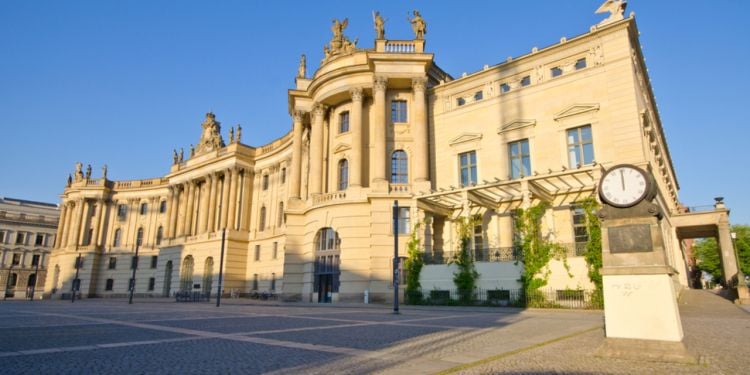
Berlin is a leading center for higher education and research in Europe. The city draws students with a mix of German- and English-taught programs and benefits from an international academic community.
Universities and programs
Berlin hosts over 40 higher education institutions, including Humboldt University of Berlin, Free University of Berlin, and the Technical University of Berlin. The city’s universities offer bachelor’s, master’s, and doctoral degrees across disciplines from engineering and natural sciences to arts and humanities. Public universities do not charge tuition for most programs, but students pay a semester contribution of roughly €300–€350, which covers administrative fees, student services, and a public transport ticket.
Research and innovation
The city is home to major research organizations such as the Max Planck and Fraunhofer institutes, as well as the Charité medical campus, supporting global collaborations in science, technology, and creative fields.
Sources: Humboldt University of Berlin, Freie Universität Berlin, Technical University of Berlin
🔍To learn more
Schooling for children
Berlin provides a wide range of schooling options for expat families, including public, private, and international schools. Compulsory education begins at age six. Public schools generally follow the German curriculum, though many international and bilingual schools offer different programs.
International schools
Notable international schools in Berlin include the Berlin International School, John F. Kennedy School, and Berlin British School. These schools follow American, British, or International Baccalaureate (IB) programs. Annual tuition for international schools generally starts around €12,000 and can reach €18,000–€19,500 per year for upper-grade students, depending on the school and program.
Enrollment process
To register a child in a Berlin school, parents typically submit proof of residence, the child’s birth certificate or passport, and a vaccination record. . Requirements can vary by school, so it’s best to check with the specific institution for any additional documentation.
Sources: Berlin International School, John F. Kennedy School, Berlin British School
Housing & neighborhoods
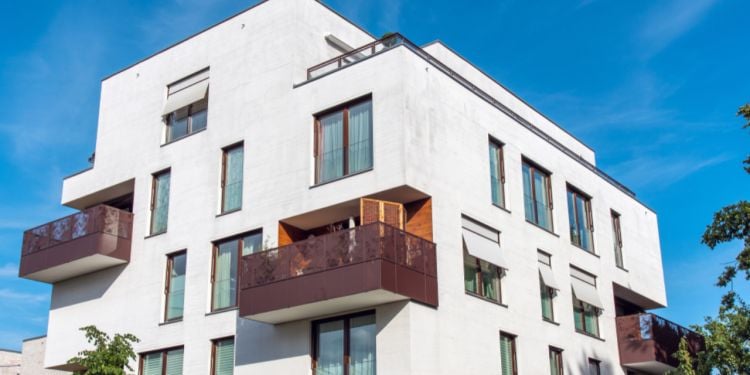
The city’s residential landscape spans from desirable, historic Altbau apartments—known for their high ceilings, large windows, and ornate façades—to sleek, newly constructed contemporary flats with modern amenities. Districts across the city feature a mix of these pre-war buildings, renovated industrial lofts, and new-build complexes. Most residential areas successfully balance urban living with green spaces and tree-lined streets, enhancing the city's overall quality of life.
Where expats live
Popular areas for expats seeking accommodation in Berlin include Mitte, Prenzlauer Berg, Charlottenburg, and Kreuzberg. Mitte attracts professionals who want to be close to cultural landmarks and workplaces. Prenzlauer Berg is favored by families for its parks and schools, while Charlottenburg combines traditional architecture with shops and cafés. Kreuzberg is known for its arts scene and multicultural atmosphere.
Rental costs and rental procedures
When renting an apartment, tenants typically submit a lease agreement, proof of income, a SCHUFA credit report, and a passport or ID. To register their address in Berlin (Anmeldung), tenants need a landlord’s confirmation of residence (Wohnungsgeberbestätigung). Requirements may vary slightly depending on the landlord or property.
1-bedroom apartment in the city center | €900 - €1,600/month |
3-bedroom apartment in the city center | €1,800 - €3,000/month |
Data correct as of November 2025.
Source: Numbeo
🔍To learn more
Accommodation in Berlin
Finding accommodation in Berlin (or any other city for that matter) will be your first step towards ...
Buying property in Berlin
Buying property in Berlin is easier than in most European cities when it comes to the bureaucracy ...
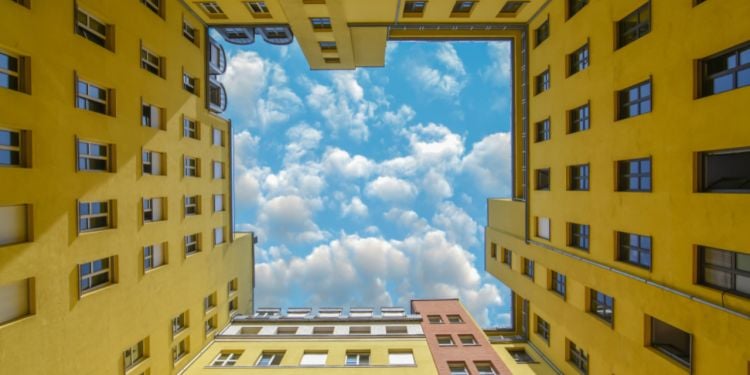
Berlin's neighbourhood guide
Berlin has 12 official boroughs and 96 localities, which, for the most part, are self-sustained, ...
Leisure, culture & things to do
There is plenty to see and do in Berlin, from historic landmarks and museums to parks and festivals that are held throughout the year.
Museums & cultural sites
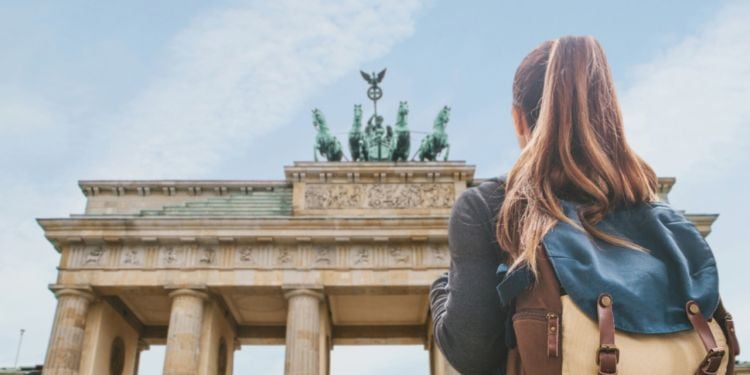
Key attractions include Museum Island, the East Side Gallery, and the Brandenburg Gate. Berlin hosts internationally recognized events such as the Berlinale film festival and the Karneval der Kulturen, featuring performances, exhibitions, and vibrant street celebrations. The city also has a wealth of theaters, galleries, and concert halls, including the Berlin Philharmonic and the Deutsches Theater.
Sports & recreation
Residents enjoy a wide range of outdoor activities, from jogging and cycling in Tiergarten to walking along sections of the Spree River. Berlin has an active sports scene, including football, basketball, swimming, and tennis, supported by over 2,000 public facilities across the city. Parks, lakes, and green spaces provide plenty of room for both casual exercise and organized sports, though most lakes are concentrated in the wider Berlin-Brandenburg region rather than strictly within city limits.
Sources: Museum Island, East Side Gallery, Deutsches Theater
🔍To learn more

Leisure activities in Berlin
Berlin, one of Europe's most vibrant and bustling cities, is celebrated every day by expats of ...

Things to do in Berlin alone, with friends or with your partner
Berlin never disappoints those who are ready to have fun. The city offers boundless opportunities ...
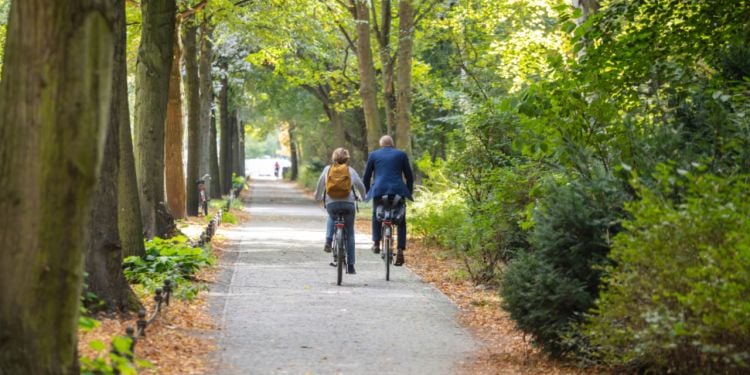
Sports and outdoor activities in Berlin
Berlin is an active city, and Berliners love the outdoors, especially during the spring and summer ...
Daily life
Compared to global metropolises like London, New York, or Paris, Berlin is often described as having a more relaxed, less frantic pace and a better work-life balance. While this applies to many sectors and reflects cultural norms such as shorter average working hours and respect for personal time, experiences can vary depending on the industry, role, and individual lifestyle.
Transport
Berlin’s transport network includes buses, trams, the U-Bahn (subway), and S-Bahn (urban rail). Cycling lanes connect major districts, and taxis and ride-hailing services are widely available. Regional and long-distance trains link the city with other parts of Germany and neighboring countries.
Lifestyle & culture
Berlin has a diverse dining scene, with restaurants, cafés, and markets offering both local and international cuisine. Parks, lakes, and recreational areas provide space for outdoor activities, sports, and community gatherings. Note that punctuality is highly valued in Berlin, and residents generally stick to schedules.
🔍To learn more
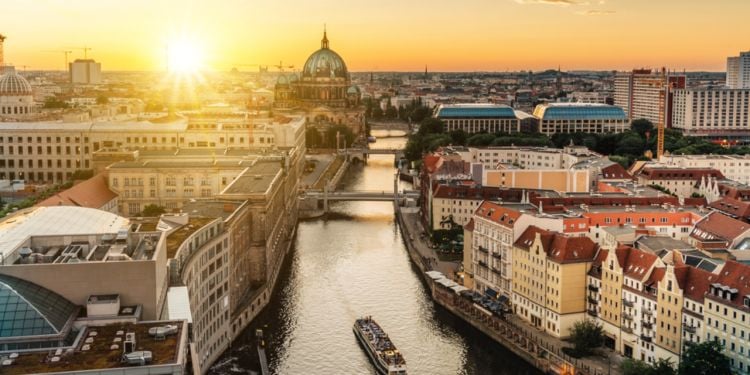
Discovering Berlin
Berlin, the capital of Germany, is an enchanting city full of culture, history, great food, ...
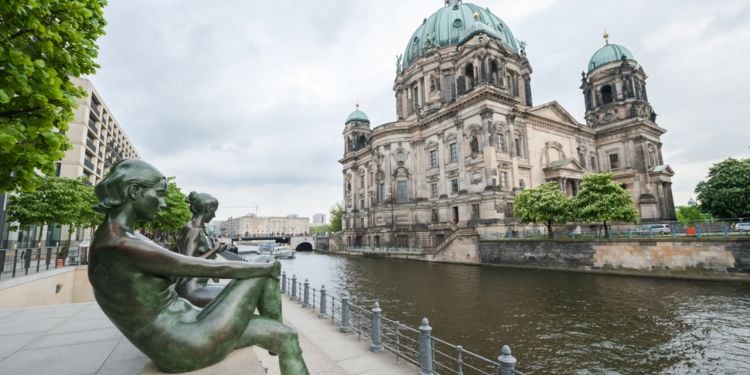
The Berlin culture
Berlin is a lively capital city with a range of cultural diversity and professional and networking ...

Building a social circle in Berlin
Many expats in Berlin have claimed it has been hard to meet new people and expand their social ...
Cost of viving
The cost of living in Berlin is generally moderate compared with other major European capitals. Shopping at discount supermarkets and using travelcards for unlimited public transit are practical ways to save money.
Monthly expenses for a single Person
Rent 1-bedroom apartment in the city center | €900 - €1,600 |
Groceries | €200 - €250 |
Utilities | €200 - €494 |
Data correct as of November 2025.
Monthly expenses for a family of four
Rent 3-bedroom apartment in the city center | €1,800 - €3,000 |
Groceries | €800 |
Utilities | €250 - €600 |
Data correct as of November 2025.
Sources: Numbeo, Investropa, Housing Anywhere
In short
Berlin is a fascinating city of history, culture, and opportunity. With accessible transport and diverse neighborhoods, expats can build a comfortable life while enjoying a wide range of cultural and professional opportunities. If you want more information about what life is like in the city, read our comprehensive and informative guides. You can also join our Expat.com Berlin forum to connect with and ask questions of other expats already living in the German capital.
We do our best to provide accurate and up to date information. However, if you have noticed any inaccuracies in this content, please contact us.


News & testimonies

Germany approves record minimum wage increase for 2026
The Merz government signed off on the decision on 29 October 2025—an unexpected step given the country's deep economic troubles. Yet the independent commission that issued the recommendation argues that the increase should boost household spending and, in turn, support overall economic growth.

Is Germany's spouse visa language test unfair?
According to official data, the German Federal Foreign Office issued fewer spousal visas in 2024 than in 2023. One likely reason is the language requirement: level A1, classified as “elementary.” This level reflects a basic command of German, enabling applicants to introduce themselves and engage in simple conversations—provided their interlocutor speaks slowly and clearly.

What to know about Germany's new immigration rules
The ascendancy of the conservatives signifies a shift towards a more stringent immigration policy, albeit with continued openness to non-European skilled professionals. On March 12, negotiations commenced between the conservative CDU and the Social Democrats (SPD) to form a coalition, expected to finalize by late April.

Germany's labor crisis: What should foreign workers expect?
Germany is grappling with a sluggish economy, declining employee morale, and the fears of foreign workers and prospective expats for political reasons. The outlook includes a GDP barely surpassing 0% and a plummeting birth rate. Nevertheless, the government relies on immigration reform to reverse this trend and attract foreign professionals.
Essential services for your expat journey