

Living in Manila: the ultimate expat guide
Everything you need to know for a successful life in Manila.
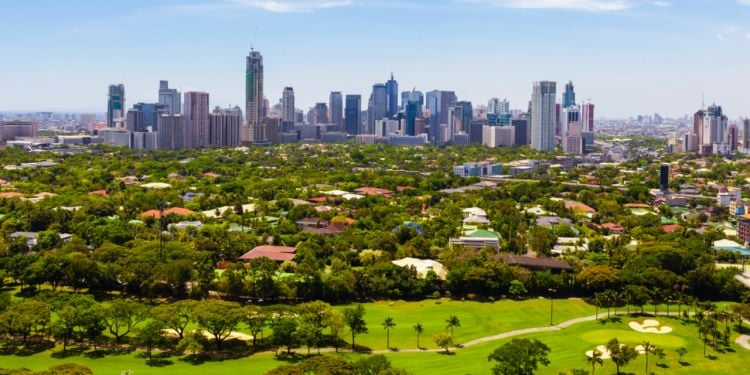
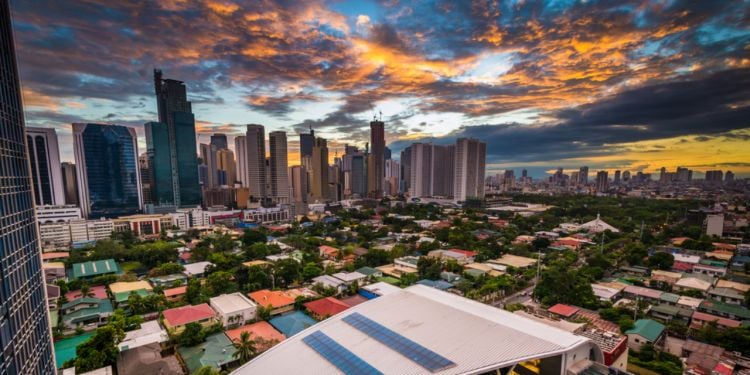
Manila, the capital of the Philippines, is a sprawling metropolis of over 15 million people in the greater metro area. Located on the eastern shores of Manila Bay, the city is a captivating blend of Spanish colonial history and dynamic modern Asian energy. The city's geography, from the historic ramparts of Intramuros to the gleaming contemporary towers of Makati's business district, provides expats with a distinct and appealing environment. English is widely spoken, the climate is warm and tropical, and the cost of living stretches international salaries further than many other regional capitals.
5 good reasons to move to Manila
- The Philippines is one of Asia's most English-friendly countries, making daily life and work significantly easier for English-speaking expats.
- Housing, food, and services cost considerably less than in other Asian capitals like Singapore or Hong Kong.
- Manila’s booming business process outsourcing (BPO) sector, alongside its expanding industries, offer a range of job opportunities.
- Located at the heart of Southeast Asia, Manila serves as an excellent base for exploring the region's beaches, islands, and cities.
- Filipino culture places high value on friendliness and family, creating a welcoming environment for newcomers.
Source: World Population Review
Working in Manila
Manila is the economic center of the Philippines, home to key business districts like Makati, Bonifacio Global City (BGC), and Ortigas. The city has become a global hub for business process outsourcing, with companies like Accenture, IBM, and Concentrix operating large facilities.
Key employment sectors
The business process outsourcing (BPO) industry employs over one million workers in Metro Manila, with roles in customer service, IT support, and back-office operations. Makati functions as the financial heart of the city, hosting the Philippine Stock Exchange and numerous multinational banks. Meanwhile, the technology startup scene is expanding rapidly in BGC and Makati, attracting investors and creating opportunities for software developers and digital professionals. Teaching English also remains popular among expats who want to work in Manila, though salaries vary widely depending on the institution.
Work permits and procedures
Working long-term requires an Alien Employment Permit (AEP) from the Department of Labor (DOLE), followed by an employer-sponsored 9(g) Pre-arranged Employment Visa from the Bureau of Immigration (BI). Shorter assignments may use a Special Work Permit (SWP).
Unemployment rate (the Philippines) | 3.8% |
Average monthly salary (net) | ₱28, 947 |
Top employment sectors | BPO, finance, IT, manufacturing |
Data correct as of December 2025.
Sources: Trading Economics, Numbeo
🔍To learn more
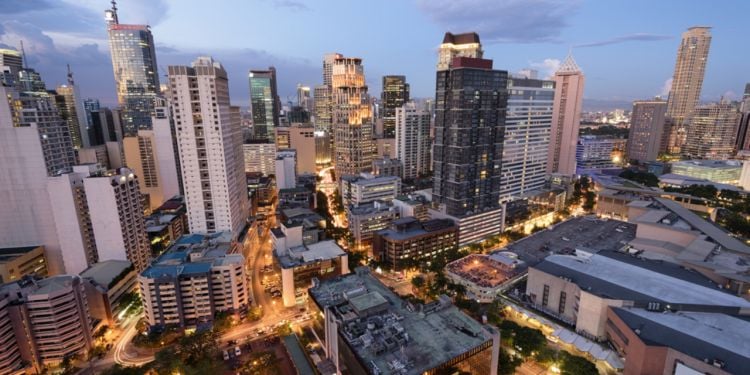
Work in Manila
Manila, also referred to as the National Capital Region, is the capital city of the Philippines and ...
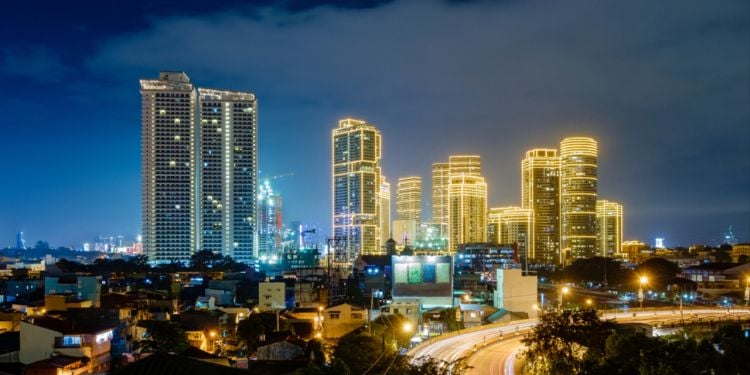
The labour market in Manila
The Philippines is among Asia's premier labor markets. Many aspiring expats are choosing Manila ...

The work culture in Manila
When deciding to work in Manila as an expat, it is crucial to know and understand the proper work ...
Higher education & universities
Manila hosts some of the Philippines' most prestigious universities, attracting both local and international students. Tuition fees are generally lower than in Western countries, though top private universities can be expensive by local standards. The academic year typically runs from June to March, with admissions opening several months in advance. Many institutions offer programs taught in English.
Top universities in Manila
There are many great colleges and universities in Manila, including the University of the Philippines Diliman (UP Diliman), located just outside central Manila in Quezon City. It offers undergraduate and graduate programs across sciences, humanities, and engineering. Ateneo de Manila University in Quezon City is a prestigious private Jesuit institution known for law, business, and liberal arts programs. De La Salle University in Malate specializes in business, engineering, and sciences, charging similar rates to Ateneo.
Admission requirements
Most universities require prospective students to sit an entrance examination and provide high school transcripts. Some international students will need to demonstrate English proficiency by submitting test scores (TOEFL or IELTS). Application deadlines typically fall between November and February for the June intake. Student visas are processed through the Bureau of Immigration once admission is confirmed. Processing can take several weeks, so early application is essential.
Sources: UP Diliman, Ateneo de Manila, De La Salle University
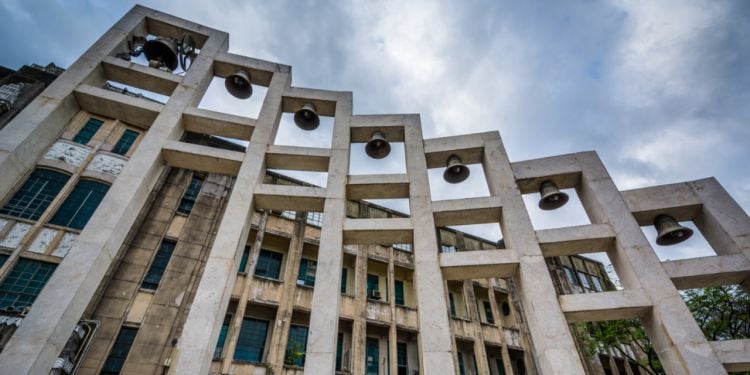

Schooling for children
Most international schools in Manilla follow the British, American, or International Baccalaureate systems, with instruction in English. The school year typically runs from August to June. Enrollment can be competitive at top institutions, so parents should apply several months ahead, particularly for mid-year transfers. School fees are a significant expense, though they remain lower than comparable schools in Singapore or Hong Kong.
International school options
Among the top international schools in Manila are British School Manila (BSM) in Bonifacio Global City (BGC), which follows the English National Curriculum and offers programs through to the International Baccalaureate (IB) Diploma. Also in BGC is International School Manila (ISM), one of the oldest international schools in Asia, which provides an American-based curriculum alongside IB options. Located just south of the city in Biñan, Laguna, Brent International School Manila follows an American curriculum culminating in the globally recognized IB program. International school fees in Manila for these top-tier institutions generally range from ₱600,000 to over ₱1,500,000 per year, depending on the student's age and grade level.
Enrollment process
Most schools require applicants to submit previous academic records, immunization certificates, and passport copies, in addition to sitting a mandatory assessment test. Application fees typically range from ₱5,000 to ₱15,000. Some schools also charge development fees or require bonds.
Sources: British School Manila, Brent International School, International School Manila
Housing & neighbourhoods
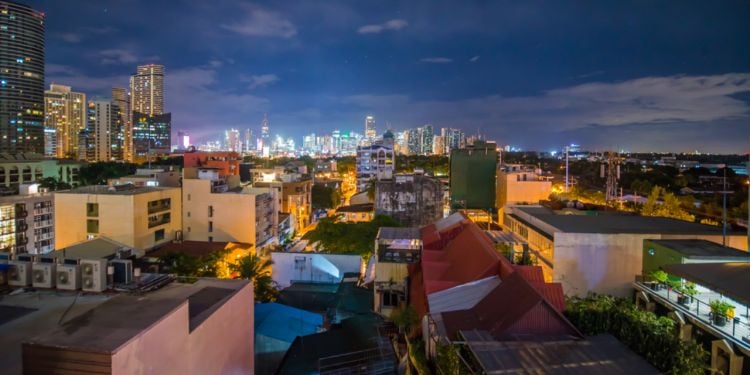
Manila's housing market offers everything from high-rise condominiums in business districts to spacious houses in gated communities. Most expats gravitate toward areas known for resort-style facilities, enhanced security, and proximity to international schools and workplaces.
Popular expat areas
Makati remains the traditional expat favorite, with its concentration of multinational companies, shopping malls, restaurants, and nightlife. The Greenbelt and Ayala Avenue areas offer luxury condos with pools, gyms, and 24-hour security. Bonifacio Global City (BGC) in Taguig has emerged as a newer alternative, with its wider streets, abundant green spaces, and modern high-rises. It feels less congested than Makati and houses many international schools.
Rental process and rental costs
Rental contracts typically require a security deposit of two months' rent plus one month in advance, and lease terms run for one year. Furnished units are common and often preferred by expats on shorter assignments.
1-bedroom apartment in the city center | ₱20,000–₱46,770/month |
3-bedroom apartment in the city center | ₱50,000–₱150,000/month |
Data correct as of December 2025.
Source: Numbeo
🔍To learn more
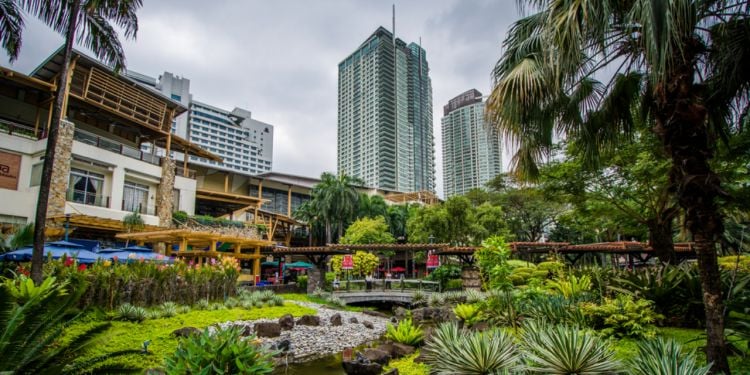
Accommodation in Manila
There are lots of renting options to choose from when relocating to Manila. Most expats in the ...
Buying property in Manila
Buying a property is a big and exciting step, but navigating the rules and regulations in a new ...
Choosing your neighbourhood in Manila
Choosing a neighborhood is one of the most critical decisions that expats need to make when moving ...
Leisure, culture & things to do
From historical Intramuros and the National Museum complex to modern shopping malls and vibrant nightlife, you’ll never be bored when looking for things to see and do in Manila.
Cultural and historical attractions
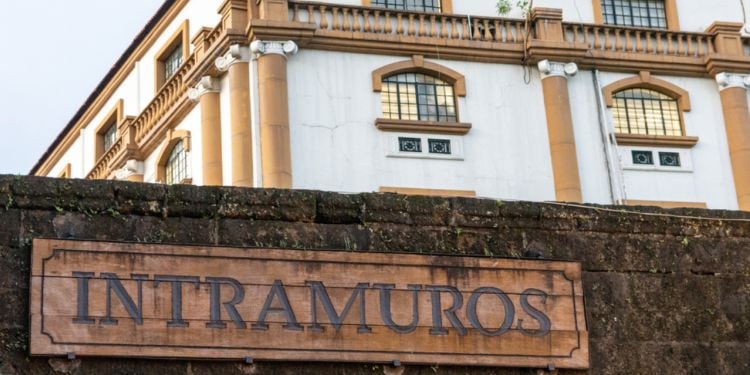
Intramuros, the walled city built by the Spanish in the 16th century, houses key historical sites like Fort Santiago, San Agustin Church (a UNESCO World Heritage Site), and Casa Manila museum. Visitors can easily explore the cobblestone streets via walking tours or bamboo bike rentals. Just nearby, Rizal Park (Luneta Park) is a 58-hectare green space honoring national hero José Rizal. For a dose of culture, visit the National Museum Complex where there is free admission to the National Museum of Fine Arts, Natural History, and Anthropology. Finally, for a culinary and historical detour, Binondo, which lays claim to being the world's oldest Chinatown, provides an authentic food experience with its many dimsum shops and traditional herbal stores.
Nightlife and recreation
Shopping opportunities abound in Manila; SM Mall of Asia ranks among the world's largest retail centers, while Greenbelt and Power Plant Mall feature high-end and luxury shops. For recreation, sports enthusiasts can join local expat rugby or football leagues, enjoy a round of golf at Manila Golf Club, or easily plan weekend trips for scuba diving in nearby coastal areas like Anilao. At night, BGC and Makati are lively spots with international restaurants, rooftop bars, and major clubs like Xylo at The Palace and Black Market. Meanwhile, the historic Poblacion neighborhood in Makati has become the city's hipster hub with craft cocktail bars and late-night eateries.
Sources: National Museum of the Philippines, The Philippines Department of Tourism
🔍To learn more
Things to do in Manila alone
Manila is a bustling and multicultural city. There is a plethora of activities in Manila to ...
Gastronomy in Manila
The food of Manila reflects an evolution over many centuries, starting from its Austronesian ...

Sports in Manila
With the hustle and bustle of city life, keeping an active lifestyle becomes more and more tricky. ...
Daily life
Life in Manila moves at a fast pace, although traffic congestion ranks among the city's biggest challenges. Most expats rely on a combination of private cars, ride-hailing apps, and occasional public transport. The tropical climate means temperatures hover around 27–32°C (80–90°F) year-round, with a rainy season from June to November.
Getting around
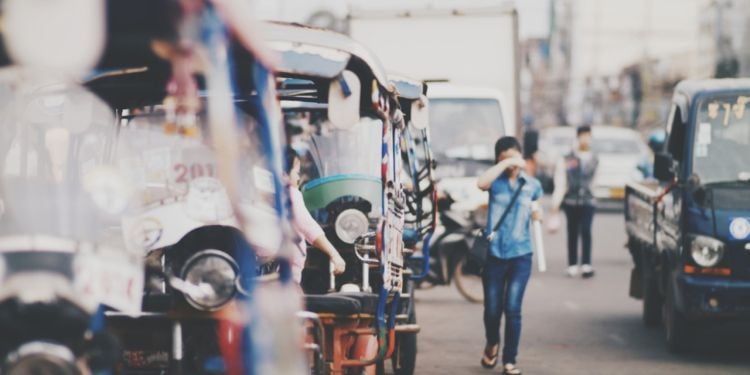
The Metro Rail Transit (MRT) and Light Rail Transit (LRT) systems connect major business districts, though trains can be crowded during rush hours. Jeepneys are iconic Filipino minibuses running fixed routes, though they can be confusing for newcomers. Most expats prefer Grab (Southeast Asia's Uber equivalent) or private cars with drivers, which involve a moderate monthly cost. Traffic is notoriously heavy during peak hours (7–10 AM and 5–9 PM), so many expats live close to their workplaces.
Cultural habits and lifestyle
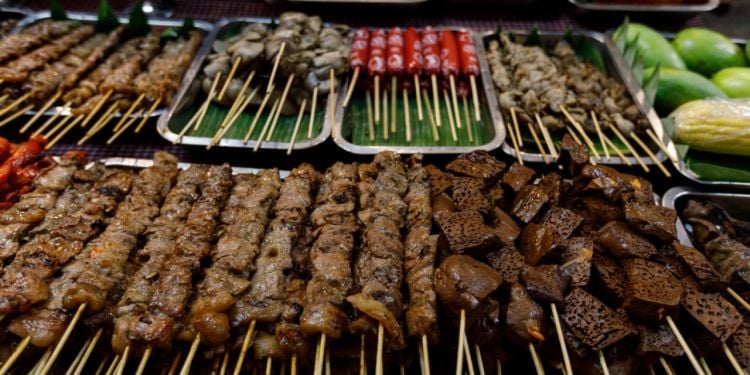
Filipinos are exceptionally hospitable and family-oriented, often inviting colleagues and neighbors to gatherings. Merienda (afternoon snack) is a daily ritual, with locals enjoying halo-halo (shaved ice dessert) or pandesal (bread rolls). Sunday is family day, with restaurants and malls busier than weekdays. Tipping is appreciated but not mandatory. Some restaurants may automatically include a 10% service charge. If they do, there is no need to tip.
Source: Light Rail Transit Authority
🔍To learn more
Discovering Manila
Are you relocating to Manila soon? Expect the city to be more than just the picture-perfect white ...
Tips for adjusting to Manila's culture
Manila, known as the “Pearl of the Orient”, is the nation's capital city. This ...

Developing a professional network in Manila
It might be challenging to establish a professional network, especially when relocating to Manila. ...
Cost of living
The cost of living in Manila is generally more affordable than other Asian capitals, though costs in expat areas like Makati and BGC run higher than the Philippine average.
Monthly expenses for a single person
Rent of a 1-bedroom apartment in the city center | ₱20,000 - ₱46,770 |
Utilities | ₱5,000 - ₱12,000 |
Groceries | ₱8,000 - ₱10,000 |
Data correct as of December 2025.
Monthly expenses for a family of four
Rent of a 3-bedroom apartment in the city center | ₱50,000 - ₱150,000 |
Utilities | ₱4,000 - ₱10,000 |
Groceries | ₱20,000 - ₱35,000 |
Data correct as of December 2025.
Sources: Numbeo, Foyer Global Health
In short
Manila is an appealing Southeast Asian destination for many reasons. Professionals and families find it ideal because of its English-speaking population, strong economy, and lower living costs compared to its regional neighbors. While traffic and urban density present challenges, the warmth of Filipino hospitality and the ease of settling in help newcomers adapt quickly. From historical Intramuros to modern BGC, Manila offers diverse neighborhoods to suit different lifestyles. For more information and to connect with others who have made the city their home, join the conversation on Expat.com's Manila forum.
We do our best to provide accurate and up to date information. However, if you have noticed any inaccuracies in this content, please contact us.


News & testimonies

Philippines launches digital nomad visa
Calling all digital nomads and remote workers: The Philippines is officially joining the global digital nomad movement. A government order signed on April 24 has launched a pilot program for a new digital nomad visa. The first visas are expected to be available by late June or early July. If you're considering your next remote work destination, here's what you need to know.
This month's expat blog: Travel Gourmande
After spending 12 rewarding years in Dubai, Arni and her family decided to move back to the Philippines and "set up their nest". Today, and after a decade of a hectic career-oriented lifestyle in the Middle East, Arni and her French husband run their business in the Philippino countryside. With every opportunity, Arni steals some time for blogging — what started as a journal filled with travel and culinary tips, expanded to be the record of an eventful life journey. Are you ready to join Arni in her adventures and get inspired?
From the US to the Philippines: A retired American expat in Tagaytay
Gary comes from Southern California. He retired in 2013 after serving in the US Army Signal Corps and occupying several corporate executive positions in the private sector for over 35 years. Nowadays, he is enjoying a relaxed lifestyle in Tagaytay, Philippines.

Van in Cebu: "Philippines has a laid back happy lifestyle"
Van comes from California. She moved to the Philippines four and a half years ago with her daughter to study Nursing. She particularly enjoys going to the beach, partying and blogging.
Essential services for your expat journey



