

Living in Kuala Lumpur: the ultimate expat guide
Everything you need to know for a successful life in Kuala Lumpur.
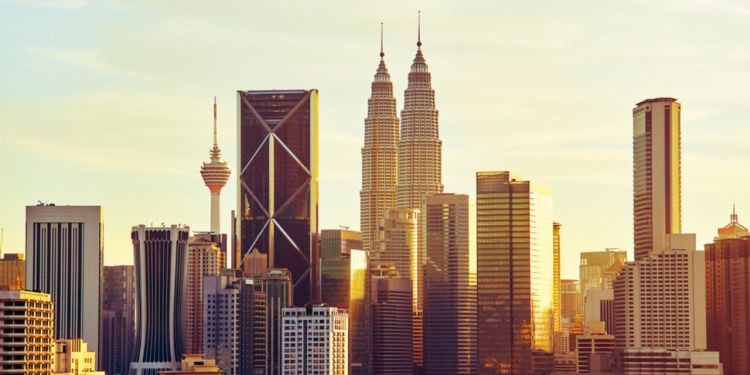
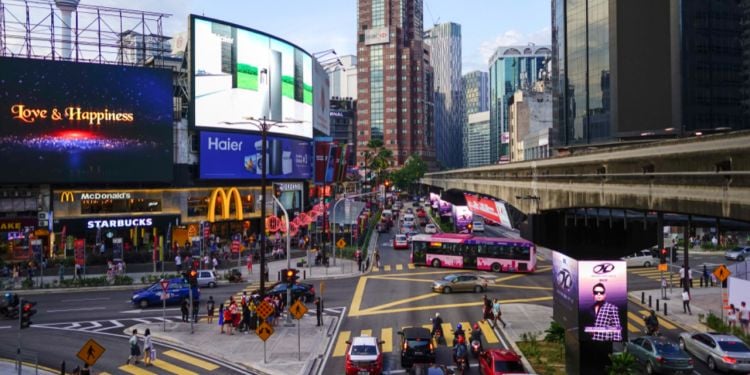
Kuala Lumpur, Malaysia's capital and largest city, is a dynamic, cosmopolitan hub that attracts expats from around the world. Here, sleek, modern high-rises stand alongside historic temples, creating a striking architectural contrast. Home to approximately 1.8 million people in the city proper and over 7 million in the greater metropolitan area, KL offers an exceptional quality of life with affordable living costs, excellent infrastructure, and a multicultural society where Malay, Chinese, and Indian communities coexist. The city's tropical climate, English-speaking population, and strategic location in Southeast Asia make it an increasingly popular choice for professionals, families, and retirees seeking opportunities in one of Asia's most liveable cities.
5 good reasons to move to Kuala Lumpur
- High living standards at reasonable costs, with quality housing, dining, and healthcare significantly cheaper than Singapore, Hong Kong, or Western cities.
- English is widely spoken across business and daily life, making integration smoother for English-speaking international residents.
- Efficient public transport including the LRT, MRT, and monorail systems, plus world-class shopping malls, hospitals, and international schools.
- A tolerant, multicultural environment allows residents to experience authentic Malay, Chinese, and Indian cultures through festivals, cuisine, and diverse neighborhoods.
- Excellent regional connectivity is provided by KLIA, which serves as a major hub offering direct flights to hundreds of Southeast Asian and international destinations for weekend getaways and business travel.
Source: World Population Review
Working in Kuala Lumpur
Kuala Lumpur is Malaysia's economic center, offering diverse opportunities for skilled foreign professionals across multiple sectors. The city's welcoming business environment and competitive salaries make it a major magnet for global professionals.
Key employment sectors
Key employment sectors in the city are financial services, including major banks and investment firms. The technology, oil and gas (Petronas), and manufacturing industries all generate significant, continuous demand for skilled foreign professionals.
Work permits and visa requirements
To work in Malaysia, foreign professionals must secure an Employment Pass (EP), which is categorized into three levels based on salary and job seniority. Category I is reserved for senior executives and highly-paid roles; Category II is for mid-level managers and specialized professionals; and Category III covers specific skilled workers in roles with lower salary thresholds. Your employer must sponsor your application through the Expatriate Services Division (ESD). Processing typically takes 4-8 weeks, and the pass is valid for up to 5 years depending on your contract.
Unemployment rate (Malaysia) | 3% |
Average monthly salary (net) | MYR 5,568 |
Primary sectors for expats | Finance, technology, oil & gas |
Data correct as of December 2025.
Sources: Trading Economics, Numbeo
🔍To learn more
Working in Kuala Lumpur
Kuala Lumpur is a fast-paced city, where work is often at the heart of people's lives. As ...
Kuala Lumpur's labour market
Due to recent changes in the global economy, the labour market in Malaysia has undergone some ...
Understanding the work environment in Kuala Lumpur
Thriving in Kuala Lumpur requires a set of skills that aren't hard to master, once you know what ...
Higher education & universities
Kuala Lumpur hosts numerous universities offering quality education at competitive international prices. Many institutions deliver programs in English and attract students from across Asia and beyond, making the city an emerging education hub in Southeast Asia.
Top universities and programs
University of Malaya (UM) is Malaysia's oldest and most prestigious institution, consistently appearing in global university rankings. It offers comprehensive programs across sciences, humanities, engineering, and business. Universiti Kebangsaan Malaysia (UKM) and Universiti Putra Malaysia (UPM) also maintain strong reputations, particularly in sciences and technology. Private institutions like Taylor's University and Monash University Malaysia (an Australian branch campus) provide internationally recognized degrees with many programs taught entirely in English.
Tuition fees and admission
Annual tuition for international students varies by institution and program. Public universities generally charge moderate fees, while private institutions and branch campuses like Monash Malaysia or Taylor’s University often have higher tuition. Admission typically requires submission of high school transcripts and proof of English proficiency, such as IELTS or TOEFL scores; some programs may also require entrance exams. Application deadlines usually fall in April for the August intake and October for the January intake. Many universities offer merit-based scholarships specifically for international students to help offset tuition costs.
Sources: University of Malaya, Monash University Malaysia, Taylor's University

Retirement in Kuala Lumpur
Kuala Lumpur attracts retirees seeking affordable, comfortable living in a modern Asian city with excellent healthcare and infrastructure.
Malaysia My Second Home (MM2H) program
The Malaysia My Second Home (MM2H) program is a government initiative that allows foreigners to live in Malaysia long term under certain conditions. It offers three visa tiers: Silver, Gold, and Platinum, which have different durations and financial requirements, including fixed deposits and minimum property purchases. Dependents may include spouses and children under specified age conditions. Certain tiers allow limited withdrawals from fixed deposits for approved purposes such as property, education, or medical costs.
Healthcare for retirees
Top hospitals like Gleneagles, Prince Court Medical Centre, and Pantai Hospital provide international-standard care with English-speaking doctors, many of whom were trained overseas. International health insurance is mandatory for everyone retiring in Kuala Lumpur who participates in the Malaysia My Second Home (MM2H) program.
Source: MM2H Official Website
Schooling for children
There are some excellent international schooling options in Kuala Lumpur following British, American, Australian, and International Baccalaureate curricula.
International schools
The International School of Kuala Lumpur (ISKL) is a top choice, offering the American curriculum from pre-kindergarten through Grade 12. For those seeking the British curriculum (IGCSE and A-Levels), Garden International School and Alice Smith School—Malaysia's oldest British international school—are known for their excellent academic results. There are also specialized institutions, including the Australian and French schools of Kuala Lumpur.
Fees and enrollment
Annual tuition at top international schools in Kuala Lumpur ranges from MYR 40,000 to MYR 90,000 per child, varying by grade level. Application fees typically run around MYR 2,000, with additional costs for uniforms, buses, technology, and activities. Schools require entrance assessments, previous school records, immunization certificates, and proof of residency. The academic year generally runs from August to June. Popular schools maintain waiting lists, so apply 6-12 months before your intended start date.
Families seeking more affordable alternatives can explore private Malaysian schools offering English-medium instruction at MYR 15,000 to MYR 35,000 annually. These schools follow the Malaysian national curriculum with English as the primary teaching language. While more affordable, these institutions may have fewer expatriate students and different teaching methodologies compared to international schools.
Sources: ISKL, Garden International School, Alice Smith School
Housing & neighbourhoods
Accommodation in Kuala Lumpur tends to be much more affordable than many other major Asian cities. The city provides diverse housing options from modern condominiums to spacious houses, with many expats choosing serviced apartments or condos in areas with good amenities and international communities.
Popular expat areas
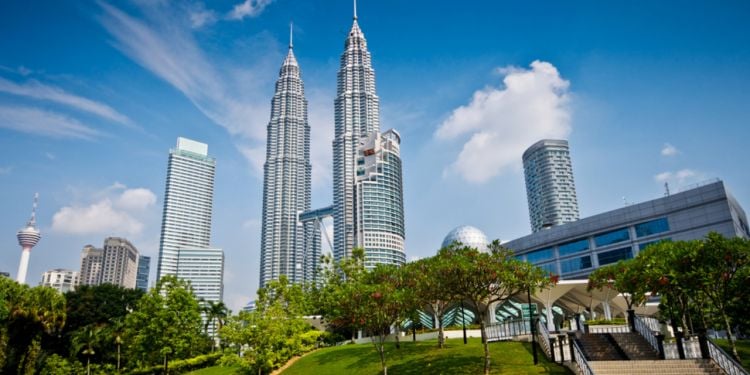
KLCC (Kuala Lumpur City Centre) surrounds the iconic Petronas Twin Towers and attracts professionals seeking modern apartments with easy access to offices, shopping, and entertainment. Mont Kiara remains the traditional expat haven with numerous international schools, restaurants, cafés, and a large expatriate community. Bangsar offers a more bohemian atmosphere with trendy cafés, bars, and a mix of locals and expats. Damansara Heights and Bukit Tunku feature upscale residences popular with families seeking quieter surroundings. Ampang provides more affordable options while maintaining good schools and amenities nearby.
Rental costs and rental procedures
Rental agreements typically require two months' deposit plus one month advance rent, with a standard one-year lease. Many condominiums include facilities like swimming pools, gyms, and security. Utilities, internet, and parking may be additional, so clarify what's included before signing.
Rent 1-bedroom apartment in the city center | RM 1,500 - 3,500/month |
Rent 3-bedroom apartment in the city center | RM 3,000 -7,500/month |
Data correct as of December 2025.
Source: Numbeo
🔍To learn more
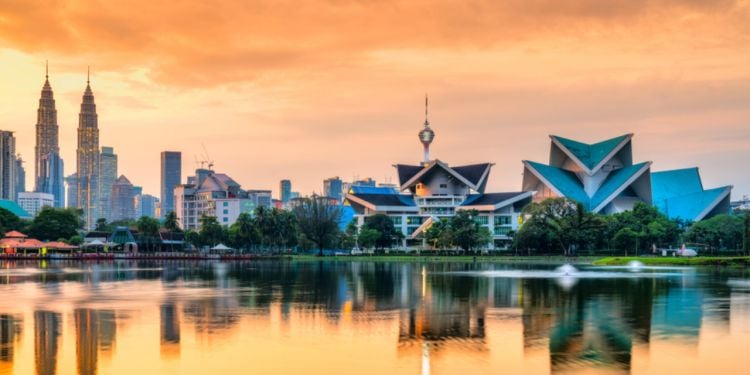
Accommodation in Kuala Lumpur
The city of Kuala Lumpur offers a wide range of accommodation options. Many expats opt for luxury ...
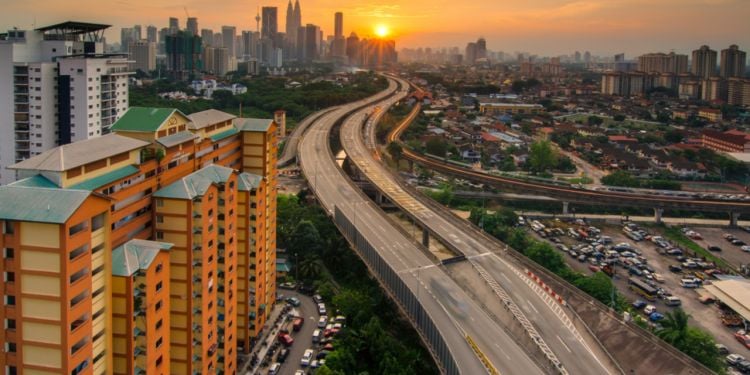
Buying property in Kuala Lumpur
When you plan to move to another country or another city, your first concern is undoubtedly where ...
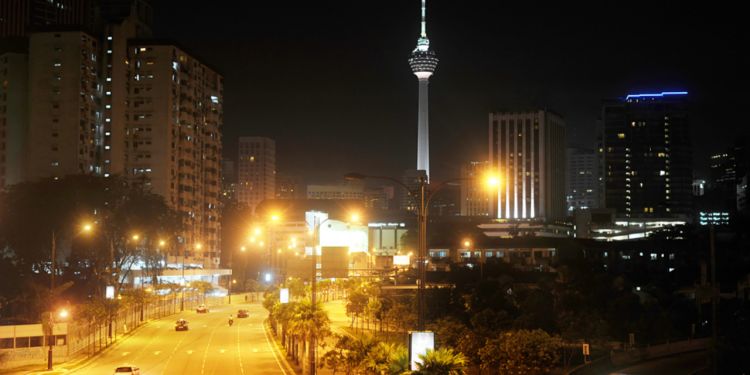
Kuala Lumpur's neighbourhoods
Kuala Lumpur is a real megalopolis, surrounded by suburbs and neighborhoods so different from each ...
Leisure, culture & things to do
From historic temples to modern entertainment districts, the city provides activities for all interests and budgets, so there is always something to see and do in Kuala Lumpur.
Cultural attractions and museums
Among the most popular sights are the Islamic Arts Museum Malaysia, which houses one of Southeast Asia's finest collections of Islamic decorative arts with thousands of artifacts. The National Museum chronicles Malaysian history from prehistoric times through independence, while the National Art Gallery showcases contemporary Malaysian and Southeast Asian art. Batu Caves, a limestone hill featuring Hindu temples and shrines, is one of Malaysia's most iconic landmarks with its massive golden statue and 272 colorful steps.
Parks and nightlife
The KLCC Park surrounding Petronas Twin Towers features jogging tracks, playgrounds, and a lake with fountain shows. KL Forest Eco Park, previously known as Bukit Nanas Forest Reserve, preserves virgin rainforest in the city center with a canopy walkway. When the sun goes down, Kuala Lumpur’s nightlife scene doesn't disappoint. The action includes a range of spectacular rooftop bars, which offer breathtaking city views. World-class dining options are abundant, from fine dining near the Petronas Towers to authentic street food stalls in Jalan Alor.Clubs in Changkat Bukit Bintang attract party crowds, and live music venues host both local and international acts regularly.
Sources: Islamic Arts Museum Malaysia, National Museum of Malaysia
🔍To learn more

Gastronomy in Kuala Lumpur
If there is one thing no one can complain about in Kuala Lumpur, it's food. One of the most ...

Sports activities in Kuala Lumpur
As with any city, Kuala Lumpur can feel like a concrete jungle. Yet, there are pockets of green ...
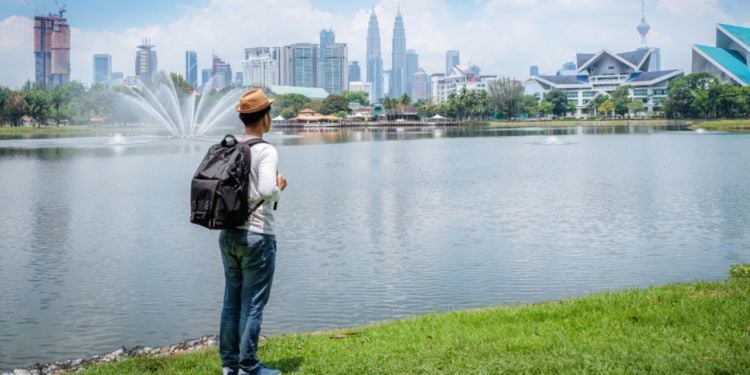
Things to do in Kuala Lumpur alone, with your partner, friends or family
You will never run out of things to do when you live in KL. A bustling art scene and recurring ...
Daily life
Daily life in Kuala Lumpur balances the hustle of a modern metropolis with its rich, multicultural heritage. The city offers expats comfortable living and high-quality public services, and its strong sense of community fosters engagement with local customs and traditions.
Transportation and getting around
Kuala Lumpur's public transport system includes the LRT (Light Rail Transit), MRT (Mass Rapid Transit), KTM Komuter trains, and monorail. The Touch 'n Go card works across all systems for seamless travel. Many expats own cars given affordable prices and relatively low fuel costs. Traffic can be heavy during peak hours but remains manageable compared to other regional capitals.
Lifestyle and cultural habits
Malaysia is a Muslim-majority country, so respect local customs regarding dress, particularly in religious areas. However, Kuala Lumpur's multicultural nature means diverse practices coexist comfortably. English is widely spoken in business districts, shopping malls, and international areas, though learning basic Malay phrases will prove helpful.
Sources: RapidKL, Touch 'n Go
🔍To learn more
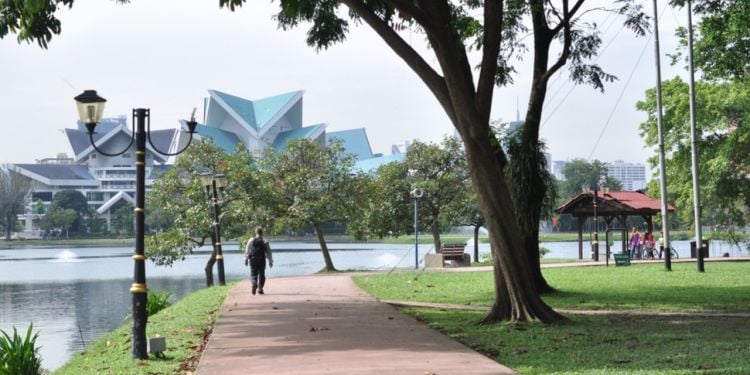
Adjusting to the local culture in Kuala Lumpur
Although cosmopolitan, Malaysia can come as a culture shock especially if you come from very far. ...
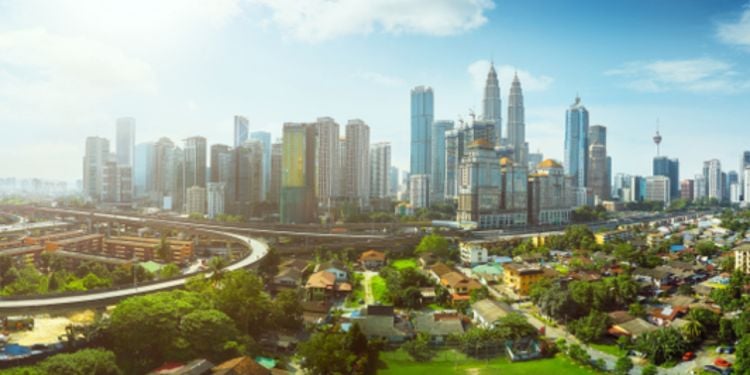
Discovering Kuala Lumpur
Managing expectations is an important step when it comes to planning and preparing for a big ...
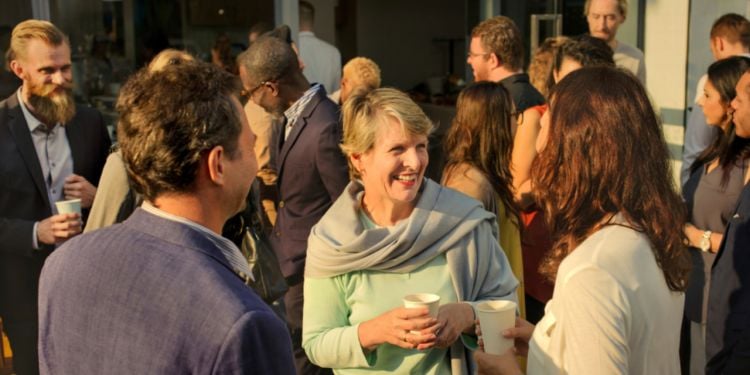
Developing your professional network in Kuala Lumpur
Establishing a professional network can be essential to the success of your move abroad. Kuala ...
Cost of living
Kuala Lumpur is one of Asia's most affordable major cities, offering expats exceptional value without compromising on quality of life. The cost of living in Kuala Lumpur is significantly lower than Singapore, Hong Kong and Bangkok.
Monthly expenses for a single person
Rent of a one-bedroom apartment (city center) | RM 1,500 - 3,500 |
Utilities | RM 150 - 300 |
Groceries | RM 600 - 800 |
Data correct as of December 2025.
Monthly expenses for a family of four
Rent of a three-bedroom apartment (city center) | RM 3,000 - 7,500 |
Utilities | RM 500 -800 |
Groceries | RM 1,500 - 3,000 |
Data correct as of December 2025.
Sources: Numbeo, LivinMalaysia
In short
Kuala Lumpur stands out as one of Asia's most liveable and affordable cities. It combines modern infrastructure with authentic cultural treasures at prices that let your money go further. Whether you are advancing your career, raising a family, or retiring, KL delivers an exceptional quality of life. Its English-speaking, multicultural character and central regional location make it an ideal base for international residents. Ready to discover what life in Kuala Lumpur offers? Join our community on the Expat.com Kuala Lumpur forum, where expats share advice, recommendations, and insights to help you make your move successful.
We do our best to provide accurate and up to date information. However, if you have noticed any inaccuracies in this content, please contact us.


News & testimonies

Finding happiness in the bustling Kuala Lumpur
What led Philippine to Malaysia is a job opportunity she could say no to. Coming from the Vosges region in France, she flew to Kuala Lumpur with her family. Both Philippine and her partner work for the same company under a local work contract. Happy about her new life in the heart of the bustling and multicultural metropolis, she talks to Expat.com about her everyday life as a mum and part-time employee far from where her home is.

A trailing spouse from Sydney to Kuala Lumpur
Being a trailing spouse doesn't necessarily mean sitting at home, feeling bored. That's precisely what Paula, an Aussie expat, talks to Expat.com about. She has lived in Hong Kong for more than a decade, and now lives in Kuala Lumpur where she's enjoying a great life between her daily routine and weekend getaways.
Dutch retired expat couple living the adventure in Kuala Lumpur
Frank and Francien come from the Netherlands. In 1986, Frank joined an American multinational in South Africa, and for 35 years he was enjoying the prosperities of an international career. Since his retirement in 2015, Frank and his wife Francien have been living an exciting adventure in the vibrant capital of Malaysia, Kuala Lumpur.

Andrew: "Malaysia is a salad bowl - there are hundreds of ethnicities and sub-ethnicities, religions, cultures and influences"
Andy describes himself as a third culture kid, born in the Philippines to Scottish and Filipino parents. He grew up in Saudi Arabia and studies in Scotland, and then went to teach in Vietnam following his studies. Nowadays, he lives in Kuala Lumpur, Malaysia.
Essential services for your expat journey