

 Guide updated by Trang Ho-Ang on 22 October 2025
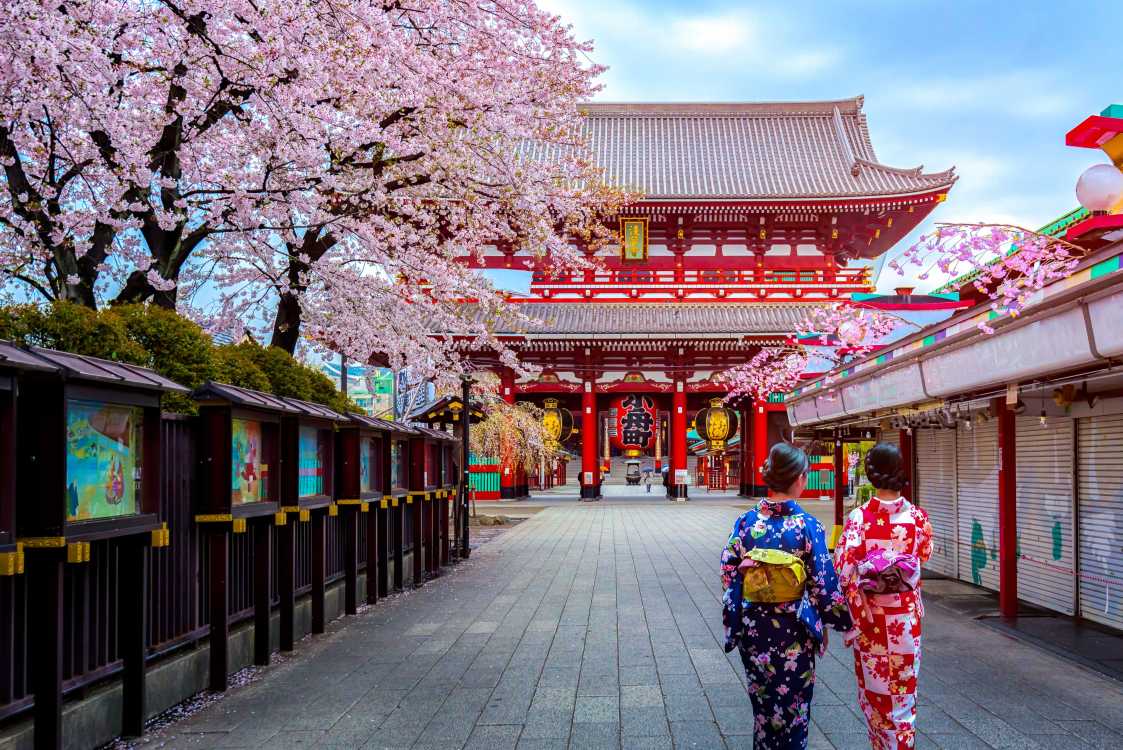
Japan, an island nation known as the "Land of the Rising Sun," is a fascinating blend of deep-rooted tradition and cutting-edge modernity. The country is famous for its incredible efficiency, high safety standards, and deep commitment to service—a philosophy known as omotenashi.
Five compelling reasons to live in Japan
Unrivaled safety and order: Japanese cities are globally renowned for extremely low crime rates, cleanliness, and public order, providing an exceptional level of personal security.
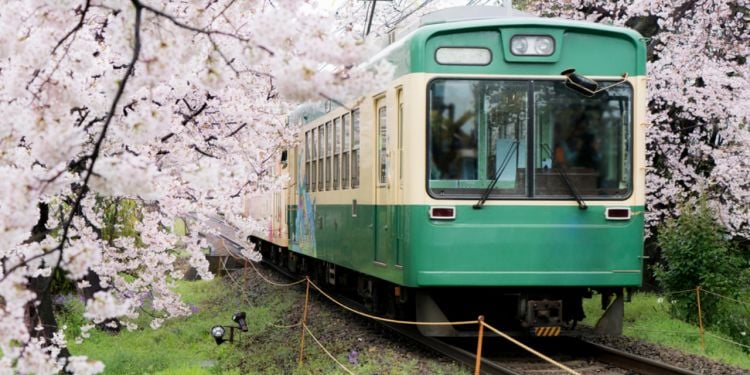
World-leading public transport: Japan’s integrated transport network, including the high-speed Shinkansen (bullet train), is known for its punctuality, reliability, and nationwide reach. While rural areas may have fewer connections, urban and intercity travel is among the best in the world.
Exceptional quality of life and health: With one of the world’s highest life expectancies, Japan’s universal healthcare system and strong cultural focus on diet and well-being contribute to a remarkably high quality of life.
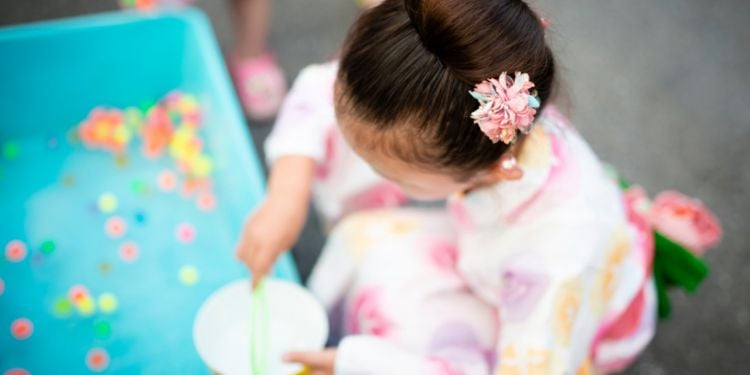
Rich cultural immersion: Living in Japan offers continuous exposure to ancient traditions, festivals (matsuri), art forms, and cuisine that are deeply integrated into modern daily life.
Career opportunities in high-tech: Japan remains a leader in robotics, automotive engineering, IT, gaming, and advanced manufacturing. Skilled professionals—especially those with technical expertise or Japanese language skills—will find strong career prospects in these sectors.
Your setup journey
Guide in 13 steps. Click any step below to jump directly to the section you need.
01Where to live in Japan
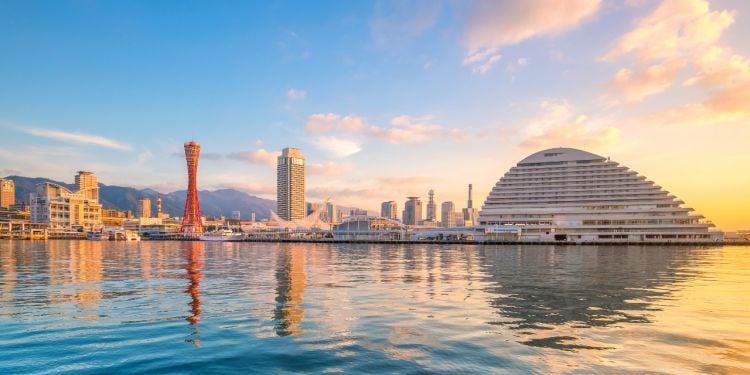
Choosing where to live in Japan will depend on many different factors, including your lifestyle, budget and the type of work you may be looking for. Major cities like Tokyo, Osaka, and Nagoya offer the most jobs and amenities but vary in cost. Regional centers such as Fukuoka, Yokohama, and Sapporo provide a slower pace, more affordable housing, and unique local cultures.
Major economic hubs
Tokyo: The political and economic capital, offering the highest salaries and most jobs in corporate, finance and technology. It is the most expensive city but has the largest expat community.
Osaka: Japan’s second-largest economic center, known for its strong roots in commerce, manufacturing and small business. It offers a lively urban culture and is noticeably more affordable than Tokyo.
Nagoya: Center of Japan's powerful automotive industry (Toyota). Strong prospects in engineering and manufacturing with a moderate cost of living.
Regional centers
Yokohama: Japan’s second-largest city, offering better housing value and fast access to the Tokyo job market.
Fukuoka: A major southwestern hub for tech startups, logistics and tourism.
Sapporo: The largest city on Japan’s northern island of Hokkaido, known for its cold winters, snow festivals and easy access to nature. It offers a relaxed lifestyle with lower housing costs and a strong tourism and food scene.
02Formalities and visas in Japan
Before planning your move, you will need to determine which visa type is appropriate for your stay in Japan. The type of visa depends on the purpose of your move—work, study, family reunion, or long-term residence.
All long-term stays in the country require a visa issued before arrival. Common visa types include work visas, student visas, spouse or dependent visas, and highly skilled professional visas in Japan. Most visas are tied to a sponsoring organization or employer, and the application process involves submitting documents such as a Certificate of Eligibility (CoE) issued by your sponsor.
Once you arrive in Japan, your visa is converted into a residence card (zairyu card), which serves as your official identification. This card must be carried with you at all times, and you are required to register your address at the local city or ward office within 14 days of moving into your new home.
Tips:
- Gather all necessary documents, including your passport, CoE, and sponsor information, before applying for your visa.
- Bring original and, if required, Japanese-translated versions of your documents to the immigration office.
- Residence card issuance includes biometric data (photo and fingerprints). Keep your card safe, as it is your official ID.
- Processing times for visas can vary, so apply as early as possible.
- Notify your local city or ward office promptly of any change in address, employment, or marital status.
Sources:

Join the discussion on the forum
03Working in Japan
The Japanese labor market continues to seek talented professionals in fields such as IT, teaching, engineering, and finance. While competition can be strong, foreign nationals with in-demand skills are increasingly welcomed, especially in multinational companies or roles requiring English proficiency.
To work in Japan, most non-Japanese nationals will need a work visa, typically tied to a job offer from a licensed Japanese employer. Applications often require proof of qualifications, a detailed CV, and sometimes interviews both in person and online.
Finding work
Job seekers can explore opportunities on platforms like GaijinPot Jobs, CareerCross, and Jobs in Japan. Japan’s labor laws provide solid employee protections, including regulated working hours, social insurance, and paid leave.
In-demand jobs
High-demand roles include IT specialists (software engineers, data analysts), English-language teachers, healthcare professionals (nurses, caregivers), engineers (mechanical, civil, electronics), and finance or consulting professionals in multinational firms.
Tips:
- Attend industry events and join professional associations to expand connections.
- Recruitment agencies can be particularly helpful for specialized or bilingual roles.
- Public transportation is efficient but can be crowded. Factor in travel time for the daily commute when choosing where to live.
Facts & figures
Unemployment rate | 2.6% |
Youth unemployment rate | 5.2% |
Average monthly salary (gross) | ¥318,300 |
Data correct as of October 2025
Sources: Trading Economics - unemployment rate, Trading Economics - youth unemployment, GaijinPot

Join the discussion on the forum
04Accommodation in Japan
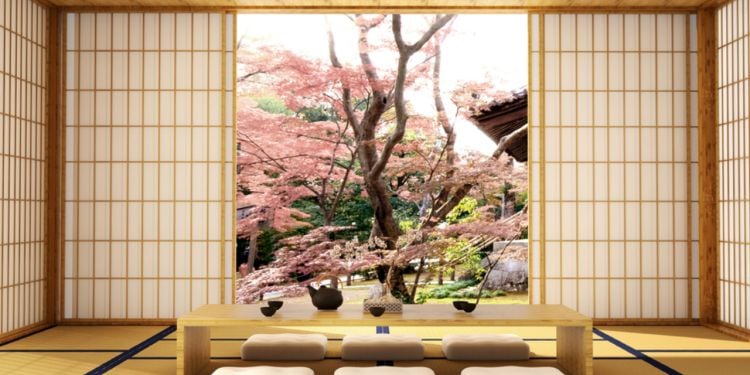
Whether you picture yourself in a high-rise overlooking Tokyo Bay or a cozy home in the countryside, Japan has plenty of housing options to explore. Renters will find everything from modern studio apartments to family-sized properties. City living usually means smaller but well-designed spaces, while areas farther from major centers offer more room for your money. Renting first is a smart way to get a feel for local life and to help you decide which area is best for you.
In Japan, rental agreements are usually managed by a real estate agency (fudōsan gaisha) acting as the go-between for tenants and property owners. Standard rental contracts usually last two years. Be prepared for high initial costs, which often include a refundable deposit (shikikin), non-refundable key money (reikin), agency fees, and the first month’s rent. Foreigners can rent without restriction, though a guarantor or guarantor company is almost always required.
Buying property in Japan is also an option. There are no restrictions on foreign ownership, and buyers enjoy the same rights as Japanese citizens. While property generally depreciates faster than land, real estate in central locations can still hold strong long-term value.
Tips:
- Work with an agency experienced in helping foreigners navigate contracts and paperwork.
- Budget for upfront rental costs, which can total 4–6 months’ rent.
- Consider using a guarantor company instead of finding a personal guarantor.
- Always inspect the property in person and confirm which utilities are included.
- For purchases, allow for taxes, legal fees, and agent commissions, which can add around 6–8% to the total cost.
Sources:
Discover more
05Cost of living in Japan
The cost of living in Japan is generally considered high, especially in major urban centers. However, outside of Tokyo, Osaka and Kyoto, living expenses can be much lower. The efficiency of the public transport system helps keep car-related costs down for many urban residents. Here is a general breakdown of average monthly expenses for different household types, including rent.
Monthly expenses
Category | Single expat (per month) | Family of four (per month) |
Average total expenses | ¥135,532 | ¥479,082 |
Rent (city center) | ¥87,317 | ¥192,497 |
Rent (outside of city center) | ¥59,426 | ¥120,540 |
Utilities (gas, electricity, water) | ¥16,245 | ¥31,768 |
Groceries | ¥56,900 | ¥151,000 |
Transport | ¥19,700 | ¥53,900 |
Data correct as of October 2025
Sources: Numbeo - Japan, e-Stat - Official Statistics of Japan portal
06Healthcare in Japan
Japan's universal healthcare system provides comprehensive, mandatory coverage to all legal residents, including expats. It is renowned for its high quality of care, advanced technology, and quick access to specialists.
Accessing the system as an expat
Healthcare coverage in Japan is a legal requirement for any expat staying in the country for more than three months. There are two main public schemes:
Employee health insurance (EHI or Kenko Hoken): For full-time employees of Japanese companies. Enrollment is automatic, with the employer covering half of the premium and the other half deducted from your salary.
National health insurance (NHI or Kokumin Kenko Hoken): For those not covered by EHI, including self-employed people, freelancers, students, and the unemployed. You must apply at your local municipal office. Premiums are based on income and household size.
Patients typically pay 30% of medical costs, with the government covering the remainder. Children, seniors, and low-income residents may have lower co-payments.
What you need to know
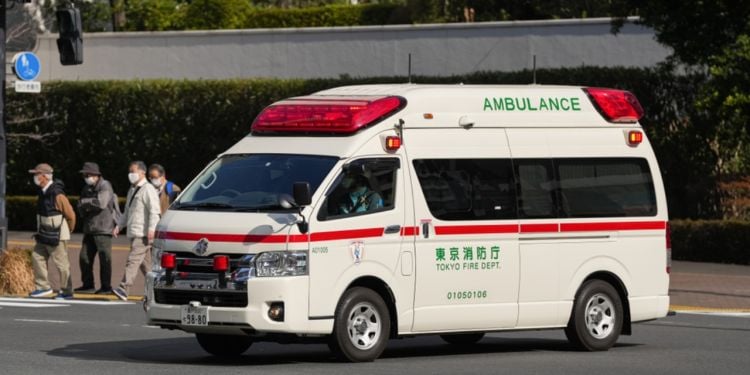
- For life-threatening medical emergencies in Japan, call 119. For non-emergency medical consultation or translation services, contact your local medical information service (check your city/ward office for the local number).
- Co-payment. The standard patient payment is 30% of the cost of doctor visits, hospital care, prescriptions, and dental treatment.
- Exclusions. The insurance schemes generally do not cover certain services, including elective cosmetic surgery, standard health check-ups, normal pregnancy and childbirth (though complications are covered), and some forms of orthodontics.
- Private Insurance. While the public system is excellent, some expats purchase supplementary private insurance to cover the 30% co-payment, as well as services outside of the mandatory system (like annual check-ups or international-standard mental health care).
Sources:
AMDA International Medical Information Center (for English-language medical assistance)


07Finance and banks in Japan
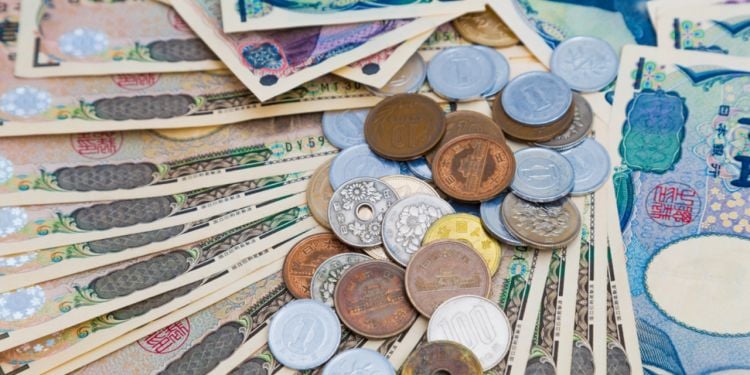
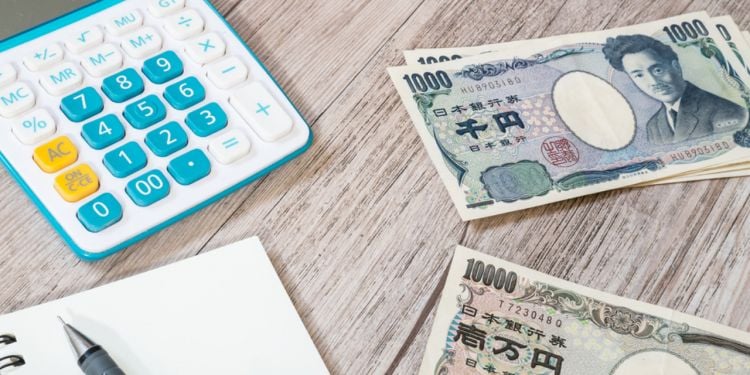
The banking system in Japan is secure and convenient, making it easy for expats to manage everyday finances. Most expats open a local account to handle rent, utilities and salary payments. Accounts are generally in Japanese yen. While credit cards are widely accepted in cities, cash is still important, especially in smaller towns.
Setting up an account
Most banks require an in-person visit to open an account, though online banking is often available once the account is active. Bring your passport, residence card (Zairyu card), and proof of address. Some banks require a personal seal (inkan), but many accept a signature for foreigners.
Tips:
- Ask about all fees, including ATM withdrawals, account maintenance and international transfers.
- Consider opening an account at a bank with English-speaking staff if your Japanese is limited.
- Familiarize yourself with Japan’s tax system. Residents are taxed on worldwide income, so understand your reporting obligations, especially if you maintain accounts abroad.
Discover more
Join the discussion on the forum
08Studying in Japan
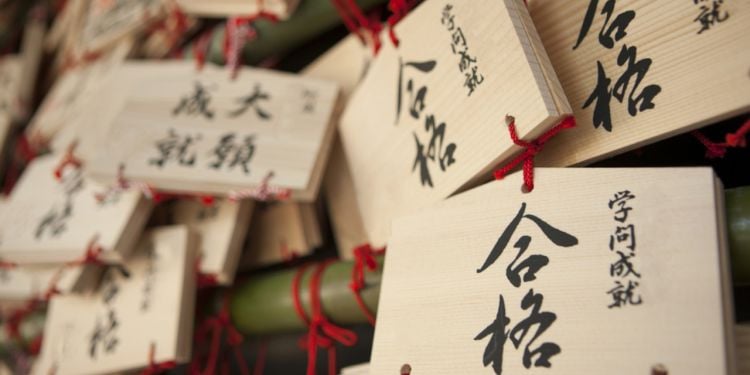
Japan is home to many prestigious universities and specialized institutions that attract students from around the world. From leading research universities to technical colleges, Japan offers a wide range of educational opportunities for international students.
Why study in Japan?
Japanese universities are known for their rigorous programs in technology, engineering and international studies. Institutions such as the University of Tokyo, Kyoto University and Waseda University are recognized globally for academic excellence.
Tuition varies by institution. Public universities typically charge around ¥535,000 per year for undergraduate programs, while private universities can range from about ¥800,000 to over ¥2,000,000 depending on the field. Many universities now offer degree programs in English, making Japan increasingly accessible to students from overseas.
Tips:
- If your course lasts longer than three months, you’ll need a student visa. You must first receive an official acceptance letter from a recognized Japanese institution before applying.
- Prepare the required documents, including your passport, acceptance letter, and proof of financial resources for your visa application.
- Arrange accommodation early. Dormitory and rental housing can be limited, especially in larger cities, so it’s best to start looking several months in advance.
- Explore scholarships and financial support. Many universities offer aid for international students, and the Japanese government’s MEXT scholarship can cover both tuition and living expenses.
Discover more
09Education and schools in Japan
Finding the right school is an important part of settling your family in Japan. The Japanese education system is known for its high academic standards and discipline, with options ranging from public schools to private and international institutions. Public schools are free to attend and follow the national curriculum in Japanese. Enrollment takes place at your local city or ward office and requires your residence card, proof of address and your child’s health records.
For expat families, international schools are often the preferred choice. These schools offer English or bilingual instruction and follow international programs such as the IB, British, or American curricula. While tuition fees can be high, they provide continuity for children adapting to a new culture and language.
Tips:
- Begin researching schools early; places at international schools fill up fast.
- Confirm whether the school provides language support for non-Japanese speakers.
- Ask about school lunch programs and uniforms, which are common in Japanese schools.
- Visit the school in person if possible to understand its teaching approach and environment.
Sources:
MEXT – Ministry of Education, Culture, Sports, Science and Technology
10Planning your move to Japan
Moving to Japan takes preparation, but a little planning goes a long way. From sorting out visas to organizing your finances and housing, getting the basics right makes the transition smoother. Here are a few tips to help you stay on track, avoid common pitfalls, and feel more confident as you get ready for your new life in Japan.
Tips:
- Secure your Certificate of Eligibility (CoE) first: The CoE is required for most long-term visas. Your employer or sponsor in Japan must obtain it before you apply for your visa at a Japanese embassy or consulate.
- Budget for high upfront rent: Expect to pay 4-6 months' rent upfront, covering non-refundable key money (reikin), deposits, and agency fees.
- Use a guarantor company: Skip the hunt for a personal guarantor. Most expat rentals require a fee-based guarantor company.
- Get your Zairyu card upon entry: Your long-term visa is converted to the residence card (official ID) at the airport. Keep it with you at all times.
- Check quarantine rules: Japan strictly bans raw meat and certain plants. Declare all items to customs to avoid confiscation and fines.
- Pack light: Japanese apartments are smaller. Large furniture (e.g., king-sized beds) may not fit through stairwells or narrow entrances.
- Get a SIM card or mobile plan. You'll need a Japanese phone number for most contracts and services. Many providers offer short-term SIMs for new arrivals.
Source:
Discover more


Join the discussion on the forum
11Everyday life in Japan
Japanese society is highly organized and values politeness, cleanliness and consideration for others. People tend to be discreet and mindful of their surroundings, and quiet conduct is appreciated in public spaces. While community and cooperation are important, personal expression is also valued, especially among younger generations.
Dining and social activities often have a communal spirit, but solo dining is also common and perfectly acceptable. Personal space is respected when possible, though crowds in cities like Tokyo can make that tricky at times.
Japan is known for being exceptionally safe, with very low rates of violent crime.
Local habits and customs
Shoes off: Always remove your shoes when entering a home, a temple, a traditional restaurant, or any room with tatami mats. Use the provided indoor slippers.
Silence: Avoid phone calls and loud chatter on public transport, particularly trains. Keeping quiet shows respect to all passengers.
Punctuality: Arriving on time is critical. For professional or formal appointments, arrive 5-10 minutes early. Tipping is not customary and can be seen as rude.
Small talk: Be indirect and subtle in conversation. Bowing is the standard greeting. Avoid eating or drinking while walking on the street.
Discover more




12Leisure in Japan
There is no shortage of things to do with your leisure time in Japan. Baseball, or yakyu, is arguably the most popular spectator sport, with professional games drawing huge crowds and offering an exciting, family-friendly atmosphere. Other major sports to watch or play include football (soccer) and the traditional, ritualistic sport of Sumo wrestling, whose grand tournaments are a must-see cultural event.
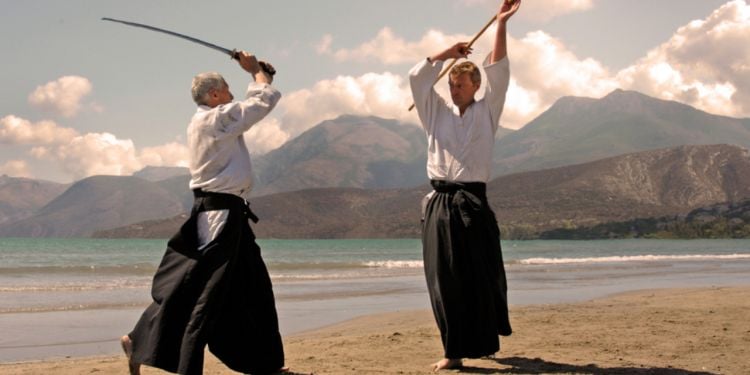
For expats, the social scene often revolves around shared interests. Karaoke, invented in Japan, is a hugely popular pastime, typically enjoyed privately in small groups. Joining a local dojo to learn martial arts like Judo or Kendo, or attending classes for traditional arts such as Ikebana (flower arranging) or calligraphy, are excellent ways to meet people and engage with the local culture. For relaxation, Japan is famous for its natural hot springs, or onsens, which provide a truly therapeutic, shared experience.
Outdoors and exploration
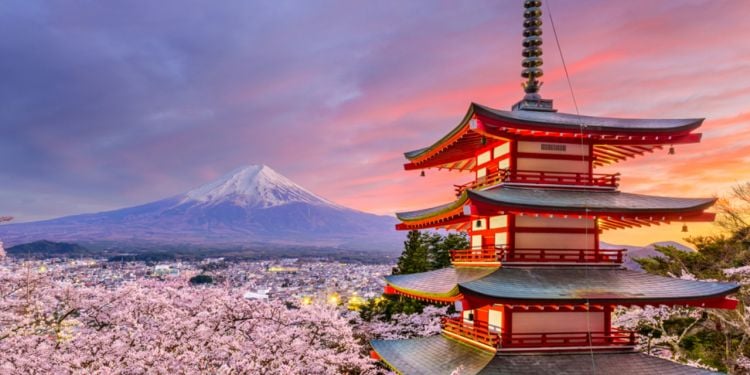
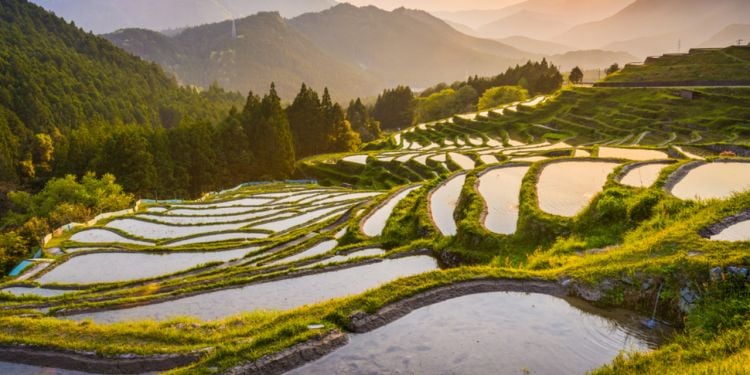
Outside the vibrant cities, Japan is a paradise for outdoor enthusiasts. The country is crisscrossed with scenic hiking trails, ranging from the spiritual pilgrimages of the Kumano Kodō to the ascent of the majestic Mount Fuji. Skiing and snowboarding are hugely popular in winter, particularly in the northern regions like Hokkaido, which is known for its legendary powder snow.
Discover more
13The essentials to remember
Starting a new life in Japan is both rewarding and challenging. Once you’ve arranged housing, schools and daily essentials, you’ll find that Japan’s safety, efficiency and welcoming culture make it easy to adapt. Remember, settling in takes time—learning the language, meeting neighbors and understanding local traditions will all help you to feel at home.
For more insights, check out our informative guides on topics such as working, housing and healthcare in Japan. Our Japan forum is also a great place to get tips and advice from people already living there. Once your move is underway, you can look forward to discovering all that Japan has to offer.
Join the Japan community
Get regular tips and advice to make the most of your expat life
Essential services for your expat journey






Forum topics on living in Japan
Discover forums topics on expat life in Japan: join the conversation, ask your questions, get advice and share your experience.
- Hoping to spend a year in Japan
- How to maintain a US address with mail service
- Pieces of advice when moving to Japan
- American moving to Japan for love!!
- Lung Scar work abroad Japan, taiwan
- Lung scar is allowed to Japan?
- New members of the Japan forum, introduce yourselves here - 2022
- Can I work in Japan if I have a lung scar
- Best Way to Move To Japan From Puerto Rico?
- First impressions after moving to Japan
- It is possible to teach English without degree in Japan?
- Maintaining a long distance relationship as an expat in Japan
- Just for fun: Food culture in Japan
- Gift ideas for someone moving to Japan
- Hello Everyone! New in Nagasaki
- Moving to Japan with kids