Living in India: the ultimate expat guide
Everything you need to know for a successful life in India.
India is a country of contrasts and opportunities. From bustling cities to serene villages, it offers a lifestyle that is as dynamic as it is diverse. With a population of over 1.4 billion in 2025, India is now the most populous nation on Earth. Still, each year, India welcomes a growing number of expatriates seeking work, adventure, or a new home.
Costs in India can vary widely—luxury apartments in Mumbai or Delhi may be expensive, but smaller cities and towns offer affordable housing and everyday living. Rich in history, culture, and natural beauty, India also has a fast-growing economy, modern infrastructure in major cities, and a vibrant expat community ready to help newcomers feel at home.
Five great reasons to move to India
1. Career growth: India’s booming technology, finance, manufacturing, and start-up sectors provide opportunities for skilled professionals.
2. Affordable living: Food, transport, and accommodation can be much cheaper than in many Western countries.
3. Cultural richness: Experience a country with thousands of years of history, multiple languages, festivals, and traditions.
4. Adventure and travel: From Himalayan peaks to tropical beaches, India offers endless places to explore.
5. Expat networks: International schools, coworking spaces, and social clubs make settling in easier.
Facts and figures
Population (2025) | 1.42 billion |
Foreign citizens in India (2020) | 4.9 million |
Most common expat nationalities | Bangladesh, Pakistan, Nepal, Sri Lanka, and China |
Popular cities for expats | Mumbai, Delhi, Bengaluru, Hyderabad, Chennai |
Currency | Indian Rupee (INR) |
Data correct as of December 2025.
Sources:
Worldometer — population, International Organization for Migration — foreign citizens and International Organization for Migration (IOM) — expat nationalities
Formalities and visas in India
India’s visa and registration system is now largely online, making it faster and simpler than before. Most short-term visas — tourist, business, or medical — can be applied for through India's e-Visa portal. Longer stays, visa extensions, or registration with local authorities can be completed digitally via the e-FRRO system, reducing the need for in-person visits.
What you need to know
• You must have a valid passport and the correct visa before entering India.
• Use the official Indian Visa Online portal for most visa types.
• Visitors must fill out an electronic arrival form before landing.
Useful links:
Incredible India — visas
🔍To learn more
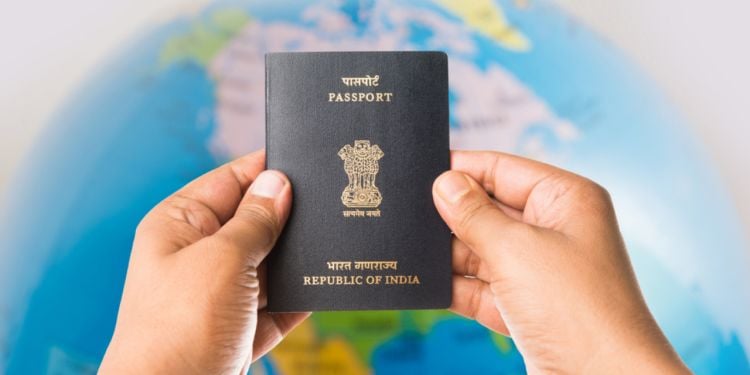
Visas for India
Just like any other country, India requires you to have a valid visa and a passport for staying in ...
Visa requirements for India
If you are travelling to India, find out more about the important documents and formalities ...
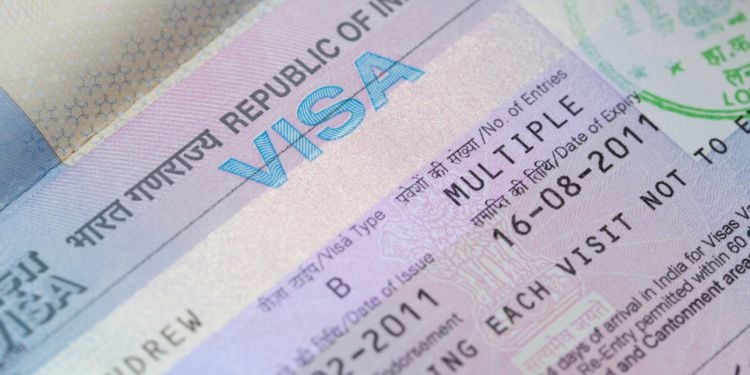
Work permits for India
If you wish to work in India you will need to obtain a valid work visa. Work visas are specially ...
Working in India
India’s economy is dynamic, with growing demand for skilled professionals, especially in sectors such as technology, consulting, and pharmaceuticals. While the country has a large labor force, competition is strongest in urban, formal-sector jobs, where most expats will find opportunities.
Unemployment among skilled professionals is relatively low, but expats still face a competitive market. Employers look for international experience, technical expertise, and leadership skills. Networking, understanding local recruitment practices, and adapting your resume to Indian expectations can make a big difference in landing a role.
In-demand jobs
• IT and Information Technology Enabled Services (ITES): Software, cloud, AI, and digital transformation.
• Engineering and manufacturing: Jobs in large industrial projects, infrastructure development, and major manufacturing companies.
• Life sciences and pharmaceuticals: Research, operations, and regulatory roles.
• Renewable energy and Green Tech: Energy transition and sustainability projects.
• Consulting, strategy, and project management: Short-term leadership and advisory assignments.
It is important to note that India's labor market is overwhelmingly informal: nearly 90% of Indian workers lack formal contracts or legal protections, according to the International Labour Organization. Most work in self-employment or casual jobs in agriculture, construction, and domestic work, without access to social security.
Facts and figures
Unemployment rate (October 2025) | 5.2% |
Informal workforce | 400 million |
Biggest employer by sector (2023-2024) | Agriculture 46% |
Data correct as of December 2025.
Sources:
Ministry of Statistics — unemployment rate, The Hindu — informal workforce and Government of India — employment by sector
🔍To learn more
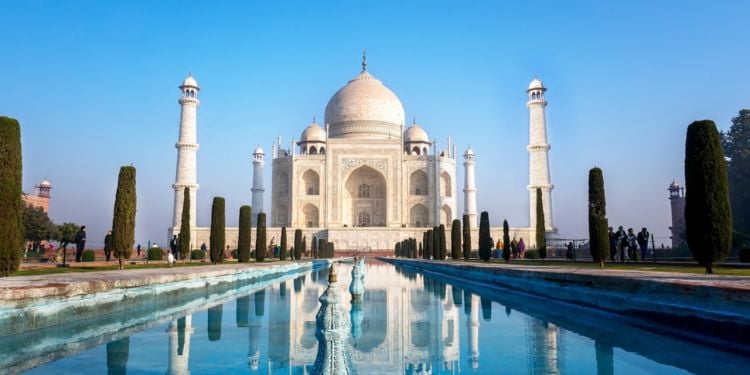
Working in India
India is one of the developed countries with a fast developing economy and has diverse job ...
The labour market in India
India has been a hub of diverse employment opportunities, attracting several expatriates from ...
Starting a business in India
India's vast and diversified economy has always been attracting foreign investments from all ...
Studying in India
India is fast becoming a top choice for international students. Affordable tuition, high-quality programs, and widespread English-language instruction make studying in India attractive and accessible. During 2024-2025, more than 72,000 new enrollments were recorded from overseas, with international students coming from countries such as Nepal, Afghanistan, the USA, Bangladesh, and the UAE.
With over 950 universities and 45,000 colleges, students can explore courses in engineering, business, medicine, technology, and the sciences. India's growing reputation in research and innovation, combined with streamlined admissions and visas via the Study in India (SII) portal, simplifies the process of starting university life in India. Add the country's vibrant culture, diverse learning environment, and hands-on opportunities, and it’s clear why so many students are choosing India for their education.
Top universities in India
- Indian Institute of Technology (IIT) Delhi: Renowned for its cutting-edge programs in engineering, science, and technology.
- Indian Institute of Technology (IIT) Bombay: Excels in engineering and technology education, attracting students from across the world.
- Indian Institute of Technology (IIT) Madras: Celebrated for its strong research focus, particularly in engineering and applied sciences.
- Indian Institute of Science (IISc), Bengaluru: World-leading research output and strong integration of science, engineering, and innovation.
- University of Delhi: Strong academic reputation and a leading center for teaching and research across the humanities, sciences, and social sciences.
Useful link:
🔍To learn more
Study in India
India has been a centre of learning for decades, with some of the prestigious universities offering quality education to millions of students. Indian ...
Finance and banks in India
India’s banking system comprises large public-sector banks, private banks, and a growing number of digital-only banks. Opening an Indian bank account is generally straightforward for expats, though it requires submitting the right documents and proof of local address.
Most banks in India, especially in cities, are modern and well-equipped. Customers can use mobile banking apps to check balances, pay bills, or transfer money. UPI (Unified Payments Interface) is an Indian digital payment system that lets people send and receive money instantly between bank accounts using a smartphone. It can also be used to pay in shops by scanning QR codes or for online purchases, making everyday transactions fast and convenient without relying on cash or cards.
Tips:
• Opening a bank account typically requires a valid passport, visa/residence permit, proof of local address, and sometimes a letter from your employer or university.
• Many banks now allow online account opening or partial online verification, but you will usually need to visit a bank branch at least once.
• Ask about multi-currency accounts or international transfers if you plan to move money in and out frequently.
• Popular banks in India include State Bank of India, HDFC Bank, ICICI Bank, and Axis Bank.
🔍To learn more
Health care in India
India has a mixed healthcare system, with public hospitals offering free or very low-cost care and private hospitals providing faster service and higher-quality facilities. Public hospitals can be overcrowded, especially in cities, leading to long waiting times, while India's private hospitals are modern, well-equipped, and often comparable to international standards.
Expats in India generally do not have automatic access to free public healthcare. Eligibility for government-provided services is mostly limited to citizens and permanent residents, so most expatriates rely on private hospitals and clinics. In rare cases, some emergency services in public hospitals may be available to foreigners. Access to free or subsidized care typically requires a long-term residency or local registration under government schemes, which most short-term expats do not have.
Tips:
- Health insurance is essential for expats in India.
- Many long-term and employment visas require proof of health insurance coverage.
- Even when not mandatory, insurance is strongly recommended.
- Private healthcare can be costly, so a comprehensive plan covering hospitalization, outpatient treatment, and medical evacuation provides peace of mind.
- International-standard insurance allows access to top private hospitals in major cities, ensuring fast, high-quality care without financial risk.
Useful links:
MedIndia - Directory of hospitals in India
National Health Authority (NHA)
Ministry of Health and Family Welfare
🔍To learn more
The healthcare system in India
If you are planning to relocate to India, its healthcare system will be one of your prime concerns. ...
Accidents and emergencies in India
India is generally a safe country to travel to, but that doesn't mean one shouldn't be ...

Having a baby in India
Having your baby in a foreign country can seem like an intimidating task, but with the right ...
Education and schools in India
India offers a wide range of schooling options, from government-run public schools to private and international institutions. Education is compulsory for children aged 6 to 14, and the system generally follows a 12-year structure: primary (grades 1–5), upper primary (grades 6–8), secondary (grades 9–10), and higher secondary (grades 11–12).
The quality of education in India varies widely, with urban private and international schools offering high standards and global curricula, while some rural public schools have limited resources. Public schools provide free education primarily for Indian citizens, so most expat children attend private or international schools to ensure consistent quality and internationally recognized programs.
Types of schools
• Public/government schools: Free or very low cost, mainly for local children.
• Private Indian schools: Medium to high fees.
• International schools: Offer IB, Cambridge IGCSE, or American curricula; fees are higher.
• Specialty schools: Language-focused, Montessori, or alternative education programs.
School year and holidays
The Indian academic year varies by state and school type, but typically runs from June/July to March/April. Across the country, schools break for holidays during summer, winter, and mid-term, with the length and start dates varying by academic calendar and region.
Accommodation in India
The housing market in India varies widely by city and neighborhood. Major cities like Mumbai, Bengaluru, and Delhi can be competitive and expensive, while smaller cities and towns offer more affordable options. Many expats start by renting, which provides flexibility as they settle in and get to know the area. Rentals are usually arranged through real estate agents or brokers, who act as intermediaries between landlords and tenants.
Typical rental agreements in India require a security deposit, often ranging from 3 to 12 months’ rent, depending on the city and property type. The first month’s rent is usually paid in advance. Apartments may be furnished or semi-furnished, with furnished units including essential furniture and appliances, while semi-furnished units often include only basic kitchen fittings.
Buying property in India is more restricted for foreigners. Non-resident Indians (NRIs) can purchase residential property, but foreign nationals generally need special permission from the Reserve Bank of India and are limited in the types of property they can buy.
Tips:
- Use a licensed real estate agent to ensure the process is fair and legal.
- Budget for additional costs such as maintenance charges, utilities, and property taxes, which are usually not included in rent.
- Inspect the property carefully, check all appliances and fittings, and review the rental or purchase agreement thoroughly before signing.
- Research neighborhoods for safety, amenities, and proximity to work or schools, as traffic and commuting times can vary significantly.
🔍To learn more
Accommodation in India
India is a vast and growing country that offers a myriad of opportunities and adventures. India can ...
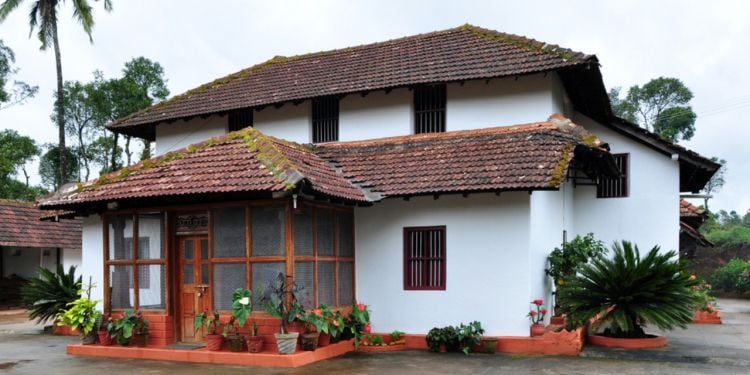
Buying a property in India
Buying a property in India could be a good idea if you plan to move there permanently. The process ...
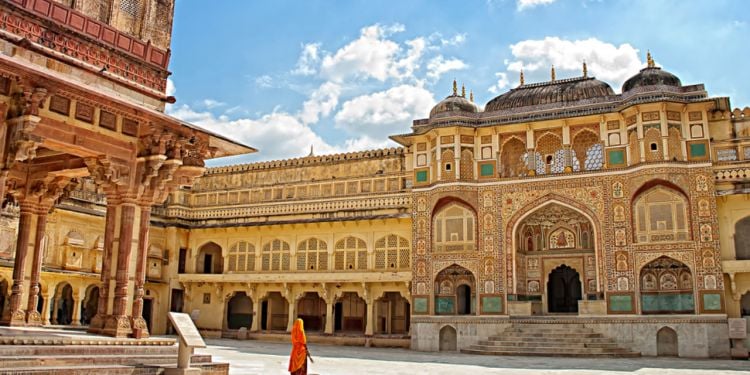
Accommodation in Jaipur
The capital city of Rajasthan, Jaipur is one of the top destinations in India in terms of quality ...
Planning your move to India
Relocating to India offers an exciting new chapter, but getting settled smoothly takes planning. Knowing what to expect with customs, shipping, and local regulations helps prevent delays or surprises. Customs regulations are strict: certain items, such as alcohol, tobacco, and electronics, may be subject to limits or require declaration. Shipping personal belongings by air or sea freight is possible, but delays, damage, or loss can occur if you don’t use a reputable mover. Planning ahead, understanding import rules, and securing your shipments will make your transition to India smoother.
Tips:
• Choose a reliable international mover: Look for companies with good reviews and experience shipping to India.
• Understand customs rules: Declare items accurately; check limits on electronics, alcohol, and valuables.
• Pack valuables separately: Keep important documents, electronics, and small valuables with you rather than in shipped containers.
• Consider transit insurance: Insure your shipments to cover loss or damage during transit.
• Timing: Sea freight is cheaper but slower; air freight is faster but more expensive. Plan your move accordingly.
• Temporary housing: Arrange short-term accommodation in advance to avoid rushing while waiting for your belongings.
• Label everything clearly: Helps customs officers and movers process shipments faster and reduces the risk of loss.
Useful link:
Indian Customs National Trade Portal
🔍To learn more
Relocating to India
Relocation to a new country is a challenging and cumbersome process. If you have plans to move to ...

Moving with your pet to India
If you are looking forward to moving to India with your pet, make sure you seek all the relevant ...

Customs in India
If you are looking forward to moving to India, make sure you abreast yourself with all the rules ...
Leisure in India
India offers a vibrant mix of cultural, outdoor, and urban activities. From exploring ancient temples and bustling markets to trekking in the Himalayas or relaxing on tropical beaches, there is no shortage of ways to spend your free time. Cities like Mumbai, Bengaluru, and Delhi provide thriving nightlife, cinemas, live music, and art galleries, while smaller towns and rural areas offer immersive experiences in traditional crafts and local cuisine.
India is also famous for its festivals and cultural events, which provide unique opportunities to connect with local traditions. Adventure enthusiasts can enjoy trekking, river rafting, wildlife safaris, and yoga retreats, while food lovers can take cooking classes or sample street food from every region. With such diversity, expats in India can constantly explore, learn, and enjoy new experiences.
Popular activities in India
• Visiting historical sites and UNESCO World Heritage Sites (Taj Mahal, Jaipur City Palace)
• Exploring vibrant local markets and bazaars
• Trekking and hiking in the Himalayas or Western Ghats
• Beach holidays in Goa, Kerala, and the Andaman Islands
• Attending festivals like Diwali, Holi, and Durga Puja
• Yoga and wellness retreats across the country
• Wildlife safaris in national parks like Ranthambore or Jim Corbett
• Sampling regional cuisine and street food tours
🔍To learn more
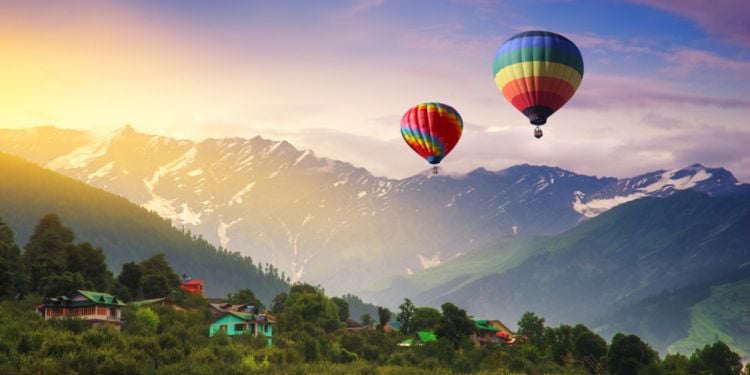

Everyday life in India
Life in India is vibrant and fast-paced, full of color, energy, and constant movement. Expats often experience a striking culture shock as traditional customs mix with modern conveniences, making everyday life exciting and unforgettable. At the same time, being aware of local customs, lifestyle norms, and safety —especially for female expats — is essential: travel in groups when possible, use trusted transport apps, and avoid isolated areas at night.
Lifestyle and local habits
• Daily life often revolves around food, family, and community interactions.
• Traffic can be chaotic in cities.
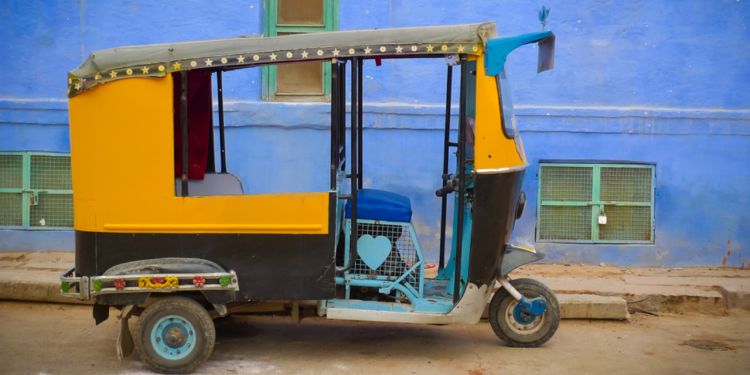
• Transport: Auto-rickshaws, ride-hailing apps, buses, and metro systems are commonly used.
• Shopping and markets: Bargaining is common in local markets; supermarkets are available in major cities.
• Social customs: Greetings often involve a handshake or 'namaste.'
• Respect local traditions, dress modestly in conservative areas, and remove shoes when entering homes or temples.
• Food and diet: Vegetarianism is common, especially in certain regions; street food is popular, but choose vendors carefully.
• Work-life balance: Urban life is busy; cultural and religious festivals often affect business hours.
🔍To learn more
Travelling around India
Irrespective of the purpose and duration of your stay in India, travelling and moving around will definitely be a part of your everyday life. The ...
Connecting to the internet in India
Telecommunication forms an integral part of any developing state. India is currently the ...
Using phones in India
Telecommunication plays a vital role in everyone's life as it keeps you connected. When moving ...
Cost of living in India
India offers a cost of living that is generally much lower than in Western countries, making it an attractive destination for budget-conscious expats. Daily essentials like groceries, public transport, and dining at local restaurants are often very affordable, while accommodation costs vary widely by city and neighborhood. Imported goods, international schools, and luxury housing can be expensive, but even these are usually cheaper than in Europe or North America. Overall, expats can enjoy a comfortable lifestyle at a fraction of the cost, though prices in major metros like Mumbai or Delhi can be higher than in India's smaller cities.
Here is a general breakdown of average monthly expenses for different household types in India.
Monthly expenses
Single expat (per month) | Family of four (per month) | |
Rent (city center) | 1 Bedroom: ₹20,000–25,000 (USD 245–305) | 3 Bedroom: ₹50,000–80,000 (USD 610–980) |
Rent (suburbs) | 1 Bedroom: ₹12,000–18,000 (USD 145–220) | 3 Bedroom: ₹30,000–50,000 (USD 365–610) |
Utilities (electricity, water, gas, Internet) | ₹3,500–5,000 (USD 43–61) | ₹8,000–12,000 (USD 98–145) |
Groceries | ₹6,000–8,000 (USD 73–98) | ₹18,000–28,000 (USD 220–340) |
Public transport | ₹1,000–2,000 (USD 12–24) | ₹3,000–5,000 (USD 37–61) |
Dining out and entertainment | ₹4,000–6,000 (USD 49–73) | ₹12,000–20,000 (USD 146–245) |
Data correct as of December 2025.
Source:
Outro
Living in India as an expat offers a unique blend of opportunities, vibrant culture, and diverse lifestyles, but making the move requires careful planning. From understanding visas and residency rules to navigating the job market, schooling, healthcare, and housing, thorough research is essential to settle in smoothly. Expat.com’s dedicated guides provide all the practical information you need to prepare for life in India, while our India expat forum lets you connect with people who have already made the move, share experiences, and gather insider tips on how to resettle in India stress-free.
We do our best to provide accurate and up to date information. However, if you have noticed any inaccuracies in this content, please contact us.


News & testimonies

India: A land of challenges for expats despite opportunities
The G20 summit in September 2023 might not have resulted in significant announcements, but it provided India, as the host country and G20 president at the time, with an opportunity to showcase its prestige to the world. Foreign heads of state were welcomed with the red carpet treatment, even if it required hastily constructing new infrastructure to conceal slums. The goal was to lavish guests with hospitality to attract more business leaders and foster additional partnerships. Will this be enough to attract and retain foreign talent?
Six cities to consider if you're moving to India
India is one of a kind with its great heritage, blending history, culture, and traditions along with an exceptional cuisine. Over the years, it has become an attractive destination for expats for various reasons including its prosperous economy, opportunities available, quality education, a booming technology sector, and vibrant social life. The Indian government established the Ease of Living Index 2018 to rank cities according to their performance in these fields. If you're planning your next move to India, here are six cities to consider for quality of life.

Karen in Pune: "People are so warm, welcoming and caring"
Karen was born in Ireland but has lived for long in Stratford upon Avon, England. She moved to India, 18 months ago, with her husband following his job posting. Nowadays, she teaches voluntarily in Pune.

Everyday Adventures in Asia
My name is Carissa and I'm originally from the Canadian prairies - Winnipeg to be precise. I first came to India on a study-abroad program in 1990, returned as a student from 1995-96 and then moved back in 2003.