

Living in Tanzania: the ultimate expat guide
Everything you need to know for a successful life in Tanzania.
Tanzania is rapidly emerging as one of East Africa's most promising destinations for international professionals and entrepreneurs. Home to 70.5 million people, this 21st most populous nation combines robust economic growth (6% projected for 2025), streamlined immigration reforms (71 countries now visa-exempt), and a remarkably affordable cost of living. With a young, dynamic population (median age just 17.7 years), expanding private sector opportunities, and world-class natural attractions from Mount Kilimanjaro to the Serengeti and Zanzibar beaches, Tanzania offers an exceptional quality of life for those seeking both professional advancement and adventure in Africa.
5 compelling reasons to relocate to Tanzania
- Exceptional affordability: Living costs are 71% lower than New York, with rent up to 93% cheaper, allowing comfortable lifestyle on moderate income
- Strong economic momentum: 6% GDP growth projected for 2025, creating expanding opportunities in telecommunications, finance, tourism, and infrastructure sectors
- World-renowned natural wonders: Direct access to Serengeti wildlife, Kilimanjaro climbing, Ngorongoro Crater, and pristine Zanzibar beaches
- Simplified entry requirements: June 2025 reforms granted visa-free access to 71 countries for stays up to 90 days, making relocation significantly easier
- Growing expat infrastructure: Quality international schools, private healthcare facilities, and established expat communities in Dar es Salaam and Arusha
Tanzania at a glance
Understanding Tanzania's demographic and economic profile helps contextualize the opportunities available in this rapidly developing nation.
Total population | 70,545,865 (mid-2025) |
Global ranking | 21st most populous country |
Median age | 17.7 years |
Population density | 80 people/km² |
Official languages | Swahili, English |
Currency | Tanzanian Shilling (TZS) |
Exchange rate | USD 1 = TZS 2,450-2,490 (Oct 2025) |
Official capital | Dodoma |
Commercial hub | Dar es Salaam (4.72M residents) |
GDP growth | 6% projected (2025) |
Sources: Worldometers, World Population Review
Entry requirements: navigating Tanzania's 2025 visa reforms
Tanzania's immigration system underwent significant changes in 2025 that directly impact all international arrivals. Two major policy shifts deserve attention: the elimination of visa-on-arrival effective January 30, 2025, now requiring advance e-Visa applications, and the visa exemption granted to 71 countries in June 2025 for stays up to 90 days. These reforms aim to modernize border control while facilitating legitimate travel and investment.
Understanding visa categories
The Single Entry Visa (Ordinary Visa) remains the standard option for most visitors, valid for up to 90 days at USD 50. This covers tourism, business meetings, and family visits, with the added benefit of allowing re-entry from Kenya, Uganda, or Rwanda while the visa remains valid. Important exception: US citizens must apply for the Multiple Entry Visa regardless of travel plans.
The Multiple Entry Visa provides one-year validity with maximum consecutive stays of 90 days, priced at USD 100. Mandatory for Americans but optional for others, this option suits frequent travelers making repeated trips within East Africa. The East Africa Tourist Visa (USD 100, 90 days) uniquely permits multiple entries across Tanzania, Kenya, and Uganda, ideal for regional exploration. A Transit Visa (USD 30, 7 days) exists for brief stopovers.
Applying for your e-Visa
All visa applications now process through the official e-Visa portal. Begin by creating an account with a valid email address, then complete the online form and upload required documents: passport valid at least 6 months beyond entry date, recent passport-format photograph, return or onward ticket, proof of accommodation in Tanzania, and evidence of sufficient funds for your stay.
Payment processes via credit card (USD 50 for ordinary, USD 100 for multiple entry). Processing typically takes 2-10 business days, averaging around 10 days. You'll receive email notification once approved. Upon arrival at Dar es Salaam, Kilimanjaro, or Zanzibar airports, present your printed Visa Grant Notice to immigration officers. Always apply at least two weeks before your intended travel date to account for processing time.
Visa exemptions and special cases
The June 2025 reform extended visa-free access to 71 countries for tourism and business stays up to 3 months. This includes numerous African nations, with South Africa added to the list in June 2025. The complete roster of exempt countries updates regularly on the official immigration website. If your nationality appears on this list, you can enter without advance visa arrangements for qualifying short-term stays.
Certain nationalities require referral approval from the Commissioner General of Immigration before visa issuance. This referral system list is also maintained on the immigration website. Regardless of your situation, verify your specific requirements through official channels or your nearest Tanzanian embassy before making travel arrangements, as regulations can change.
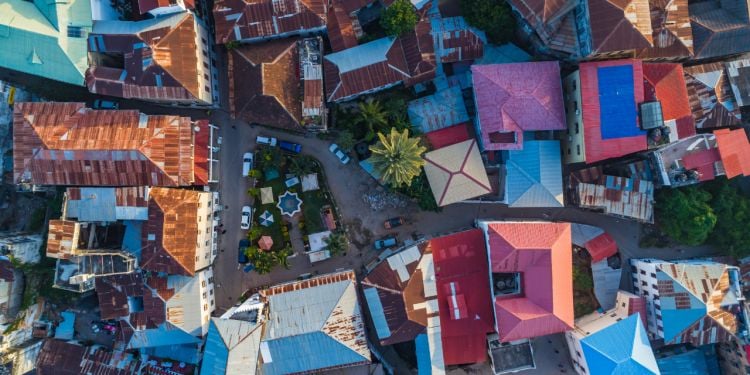
General visa requirements for Tanzania
If you are planning a trip to either mainland Tanzania or Zanzibar, it is important to familiarize ...
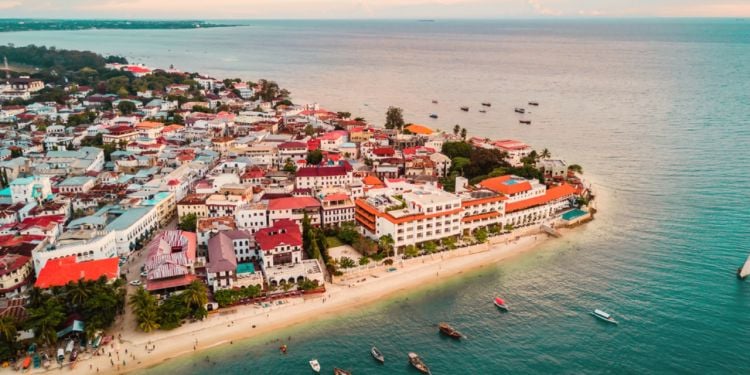
Business visa for Tanzania
If you are intending on doing any sort of business within Tanzania, during which you will ...
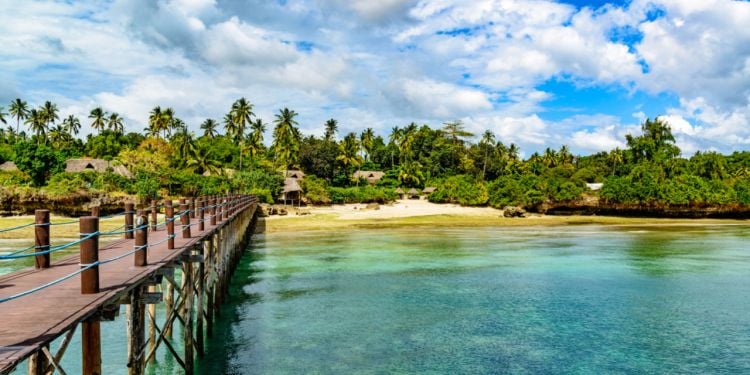
Permanent residency in Tanzania
If you are planning on moving to Tanzania long-term, regardless of what the reason is for, if you ...
Residence and work permits: the OWAIS system explained
Legally living and working in Tanzania requires obtaining appropriate residence and work permits. The government has streamlined these processes through OWAIS (Online Work Permit Application and Issuance System), accessible via the Ministry of Labour portal. This integrated platform processes both work and residence permits simultaneously, significantly reducing bureaucratic delays for foreign professionals and their employers.
Class A permits for investors and entrepreneurs
The Class A Residence Permit targets investors establishing businesses in priority sectors: manufacturing, mining, forestry, social services, or commerce. Minimum capital requirements vary by sector. Your application package must include: certificate of incorporation for your Tanzanian entity, proof of actual investment, detailed business plan, police clearance certificate from your home country, medical certificate, passport photos, and security bond (TZS 500 stamp duty from TRA).
Initial validity runs up to 2 years with renewal options, potentially extending beyond 10 years for investors making substantial economic contributions. Fees vary by investment category. Class A permits allow both residence and active business management within Tanzania, making them ideal for entrepreneurs committed to long-term operations.
Class B permits for employed professionals
The Class B Residence Permit applies to foreign professionals employed by Tanzanian companies. Approval hinges on demonstrating that the position requires rare qualifications or skills unavailable in the local labor market. Applications must be submitted before entering Tanzania, with the employer initiating the process through OWAIS.
Required documentation includes: signed employment contract with repatriation clause, diplomas and professional qualifications (translated if necessary), detailed CV, police clearance certificate, medical certificate, employer's motivation letter justifying foreign recruitment, professional registration certificates for regulated professions (accountants, engineers, doctors, lawyers), and proof of facilitation payment for companies registered with TIC or EPZA.
The process follows established steps: employer submits via OWAIS, Ministry of Labour reviews (10-14 days), forwards to Immigration Department, generates control number for payment upon approval, processes residence permit payment, conducts biometric enrollment in Tanzania, then issues e-Permit Smart Card. Work permits validate for maximum 2 years with renewal options, while associated residence permits grant up to 2 years, renewable with 8-year total maximum. Initial comprehensive costs typically run USD 2,000-3,000. A Special Temporary Permit (USD 550, 6 months non-renewable) exists for short-term assignments.
Class C permits for retirees
Retirees can establish residence through Class C Residence Permits. Eligibility typically requires minimum age (generally 60+ years) and proof of stable, sufficient income or pension. Applications go to the Director of Immigration Services, requiring: pension/income proof, medical certificate, police clearance certificate, Tanzanian accommodation proof, and international health insurance.
Class C permits generally validate for 2 years with renewal options, with fees varying by category. Popular retirement destinations include Arusha (temperate climate, expat community, safari access) and Zanzibar (island lifestyle, beaches). Consider that international health insurance is essential, as the public system won't meet most retirees' healthcare expectations.
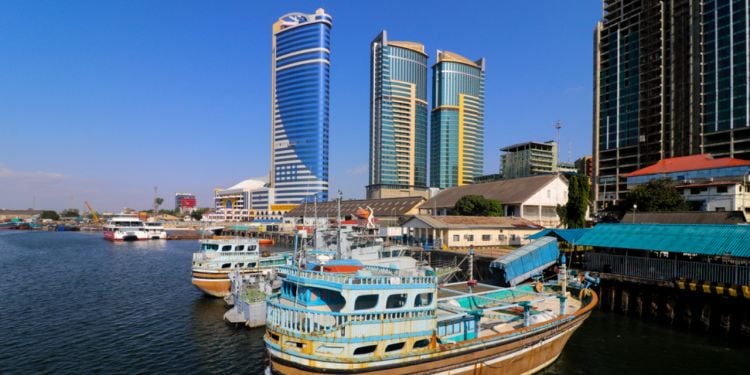
Finding work in Tanzania
If you are relocating to Tanzania, you are likely going to be looking for a job sooner or later! ...
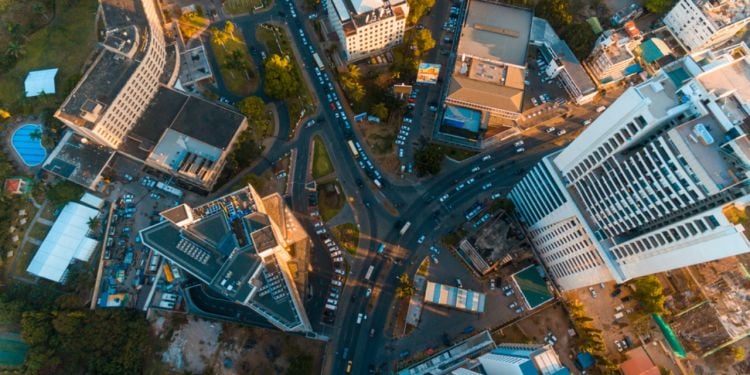
The Tanzanian labour market
If you are planning on relocating to Tanzania, it is a good idea to read up on relevant information ...
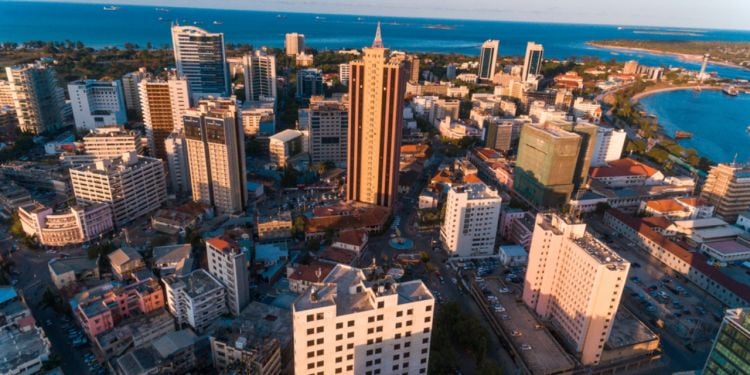
Setting up a business in Tanzania
If you are traveling or moving to Tanzania, you might be interested in setting up a business in the ...
Employment landscape and job hunting strategies
Tanzania's labor market exhibits sharp division between formal and informal sectors. Approximately 85% of employment remains in the informal economy, primarily agriculture, small-scale commerce, and local services. The formal sector, though smaller, shows steady growth driven by telecommunications, financial services, tourism, and infrastructure development. Official unemployment sits around 2.6%, though this figure masks significant underemployment and precarious working conditions in informal sectors.
Key sectors hiring international talent
Telecommunications and technology sectors are expanding rapidly with digitalization and mobile services proliferation. Banking and finance continues modernizing, creating demand for experts in finance, accounting, and management. Tourism, fundamental to Tanzania's economy through national parks and Zanzibar, constantly recruits hospitality professionals, lodge managers, and safari operation specialists.
Agriculture and agro-processing, employing the majority of Tanzanians, increasingly seeks expertise in modern agronomy, supply chain management, and food processing. Infrastructure and construction benefits from major government development projects in transport and energy. The mining sector, particularly gold extraction, attracts qualified engineers and geologists. International education, through numerous international schools in Dar es Salaam and Arusha, regularly recruits qualified teachers.
Salary expectations across sectors
Compensation in Tanzania varies significantly by sector, qualification level, and company size. The following table provides monthly gross salary estimates across different fields, offering realistic benchmarks for the local market.
Sector / Position | Monthly gross salary |
International school teacher | TZS 2,500,000 - 4,000,000 (USD 1,000 - 1,600) |
Engineer (construction, mining) | TZS 3,500,000 - 6,000,000 (USD 1,400 - 2,400) |
Banking sector manager | TZS 4,000,000 - 8,000,000 (USD 1,600 - 3,200) |
IT professional / Developer | TZS 3,000,000 - 5,500,000 (USD 1,200 - 2,200) |
International consultant (NGO, intl org) | TZS 5,000,000 - 12,000,000 (USD 2,000 - 4,800) |
Hospitality / Tourism manager | TZS 2,000,000 - 4,500,000 (USD 800 - 1,800) |
Formal sector working conditions typically follow international standards with 40-45 hour work weeks. Expatriates employed by multinationals or international organizations often receive packages including housing, children's education, international health insurance, and annual home flights. Local market conditions vary but remain competitive for attracting qualified talent.
Job search tactics and networking
Finding employment requires multiple approaches. Online platforms like BrighterMonday Tanzania, Mabumbe, and Ajira Portal regularly post formal sector opportunities. International organizations (UN, World Bank, NGOs) recruit through dedicated portals, frequently seeking experienced profiles. Networking remains crucial: join expat groups on social media, attend professional events in Dar es Salaam or Arusha, and maintain an active LinkedIn presence.
Chambers of commerce and professional associations provide excellent entry points, particularly for understanding the local market before relocating. Don't hesitate to directly contact companies of interest, even without published vacancies—proactive approaches often succeed in African contexts. Remember that your employer must justify your recruitment to authorities by demonstrating your skills aren't locally available.
Tax system essentials for residents and businesses
The Tanzania Revenue Authority (TRA) administers the tax system, which underwent significant updates with the Finance Act 2025 effective July 1, 2025. Whether you're employed, running a business, or investing, understanding local tax obligations ensures compliance and helps optimize your financial position. Tanzania applies progressive income taxation alongside various indirect taxes.
Personal income tax and PAYE
The PAYE (Pay As You Earn) system applies to all employees in Tanzania, both residents and non-residents. You're considered a tax resident if you spend 183 days or more in the country during a tax year (which follows the calendar year). Tax rates progress through income brackets on monthly earnings.
For annual income up to TZS 6,000,000 (approximately USD 2,400), the rate is 0%. Income between TZS 6,000,000 and TZS 9,600,000 is taxed at 8%. The bracket from TZS 9,600,000 to TZS 12,000,000 attracts 20%. Income between TZS 12,000,000 and TZS 19,200,000 faces 25% taxation. All income exceeding TZS 19,200,000 incurs the top marginal rate of 30%. Employers handle withholding and monthly remittance to TRA. An online calculator on the TRA website helps estimate your deductions.
Mandatory social contributions
Employees face several compulsory social security contributions. The National Social Security Fund (NSSF) requires 20% of gross salary, split equally between employer (10%) and employee (10%). Public sector employees instead contribute to the Public Service Social Security Fund (PSSSF) at identical rates.
The Skills and Development Levy (SDL) amounts to 5% of gross payroll, entirely employer-borne, funding national vocational training programs. The Workers' Compensation Fund (WCF), also employer-paid, costs 1% of payroll and covers workplace injuries. These social charges substantially increase employment costs, important during salary negotiations.
Corporate taxation and VAT
Companies established in Tanzania face standard corporate income tax rates of 30% for most activities. However, certain sectors receive different treatment: mining companies pay 28.5%, telecommunications operators pay 33%, and publicly listed companies benefit from 27%. Small enterprises with annual turnover below TZS 100 million qualify for preferential 3% turnover tax under specific conditions.
VAT (Value Added Tax) applies at the standard 18% rate on most goods and services. Essential items including medicines, medical supplies, educational books, and certain basic foodstuffs are exempt. Companies exceeding TZS 100 million annual turnover must register for VAT. The Finance Act 2025 introduced modifications regarding VAT on digital services, now taxable even for foreign providers.
Additional taxes and treaty considerations
Other taxes may apply depending on circumstances. Dividend tax stands at 10% for both residents and non-residents. Bank interest attracts 10% taxation, while capital gains on real estate or unlisted securities face 10% rates. Withholding tax applies to various payments to non-residents, ranging from 5% to 15% based on payment type.
For expatriates, verify whether your home country maintains a tax treaty with Tanzania to avoid double taxation. Several countries including the UK and US have such agreements allowing credits for taxes paid in Tanzania. Given the complexity and regular regulatory changes, consulting a local accountant or tax advisor is highly recommended to ensure compliance and optimize your situation.

Banking in Tanzania
If you are moving to Tanzania, it is likely that you are going to want to set up a bank account, especially if you are locally employed. The African ...
Healthcare: public vs private systems
Tanzania's healthcare system operates on two distinct tracks: a public network that's accessible but often under-resourced, and private facilities offering modern care at significantly higher costs. For expatriates, securing comprehensive international health insurance isn't merely recommended—it's practically essential for accessing quality medical care without facing catastrophic expenses. Understanding both systems helps you make informed decisions about your health coverage needs.
Public healthcare infrastructure
The public health network encompasses over 7,000 facilities ranging from rural dispensaries to regional hospitals. However, the system struggles with chronic challenges: severe shortage of qualified medical personnel, outdated or insufficient equipment, frequent medicine stockouts, and extensive waiting times. Public facilities primarily serve the local population with limited income.
The Community Health Fund (CHF) offers basic health coverage for informal sector workers at modest annual premiums (approximately TZS 10,000 per person), but this local insurance typically falls short of expatriate expectations regarding care quality and facility choice. Major public referral hospitals like Muhimbili National Hospital in Dar es Salaam or Kilimanjaro Christian Medical Centre in Moshi provide more developed services, yet remain limited compared to international standards.
Private healthcare facilities
The private sector has expanded considerably in recent years, responding to growing middle-class and expatriate demand. Leading private facilities include Aga Khan Hospital in Dar es Salaam, part of a renowned international network offering quality services across most medical specialties. Premier Care Medical Center, also in Dar es Salaam, features modern equipment and English-speaking staff.
In Arusha, Arusha Lutheran Medical Centre (ALMC) serves as the northern region's reference point, while Mount Meru Regional Referral Hospital provides decent services. In Zanzibar, Zanzibar Medical and Diagnostic Centre represents the island's most reliable private option. These private clinics generally accept international insurance through direct payment or reimbursement arrangements, though confirming coverage details before treatment is prudent.
Selecting appropriate health insurance
Comprehensive international health insurance is indispensable for expatriates. Major insurers operating in Tanzania include AAR Insurance, Resolution Health East Africa, Strategis Insurance, and Britam. These local providers offer expatriate-tailored plans with monthly premiums typically ranging TZS 200,000 to 800,000 (USD 80 to 320) depending on coverage scope and insured age.
International insurers like Allianz Care, Cigna Global, Aetna International, or Bupa Global provide more extensive coverage including medical evacuations to South Africa, Kenya, or even Europe for serious emergencies. These premium plans generally cost USD 300 to 1,200 monthly depending on selected guarantees. Ensuring your policy covers medical evacuation is critical, as local infrastructure cannot treat all complex emergencies.
Before departing, consult your physician regarding recommended vaccinations: yellow fever (mandatory), hepatitis A and B, typhoid, rabies, and meningitis. Malaria prophylaxis is strongly advised, especially for coastal or rural residence. Prepare a comprehensive medical kit including your regular medications, as specific products may prove difficult to source locally.
International schools: education options for expat children
Education ranks among the primary concerns for expatriate families relocating to Tanzania. While the local education system has progressed in recent years, most international families opt for international schools offering globally recognized curricula, quality instruction, and smoother transitions for children. Several top-tier institutions operate in Dar es Salaam and Arusha, the two cities hosting the largest expatriate communities.
The Tanzanian education system
The local system divides into three cycles: primary (Prathom, 7 years), ordinary secondary (4 years), and advanced secondary (2 years). Instruction occurs in Swahili at primary level, then switches to English for secondary education. Though public education is free, private local schools generally deliver superior teaching quality. Local private school fees range TZS 500,000 to 3,000,000 (USD 200 to 1,200) annually, remaining affordable but typically not meeting expatriate family expectations.
Dar es Salaam international schools
The International School of Tanganyika (IST) stands as the country's most prestigious and longest-established institution, founded in 1963. Located in Dar es Salaam, it enrolls approximately 1,000 students from kindergarten through grade 12, following the International Baccalaureate (IB) curriculum. IST boasts exceptional facilities including an Olympic-sized swimming pool, multiple sports fields, modern science laboratories, and a well-stocked library. Tuition for 2024-2025 reaches approximately USD 29,000 annually for secondary level, with USD 4,500 enrollment fees. Additional charges apply for extracurriculars, field trips, and uniforms.
Dar es Salaam International Academy (DIA), affiliated with the Aga Khan network, also delivers quality IB programming. Annual fees range USD 15,000 to 22,000 by level, making it more accessible than IST while maintaining high standards. Braeburn School Dar es Salaam, part of the Braeburn Schools group, follows the British curriculum preparing for IGCSE and A-Level examinations. Annual fees vary USD 12,000 to 18,000.
Other options include School of St Jude, a non-profit offering quality education, and Al-Muntazir Schools providing a multicultural environment. For Dutch families, Dar es Salaam Dutch School offers instruction in Dutch.
Arusha international schools
Arusha, the second expatriate hub, features excellent international schools as well. Arusha International School (AIS) follows IB and British curricula, with annual fees between USD 10,000 and 15,000. United World College East Africa (UWC EA), located in Moshi near Arusha, is a prestigious residential school within the UWC network hosting students from 50+ nationalities. Fees reach approximately USD 48,000 annually for boarding, including accommodation and meals. UWC EA offers need-based scholarships, making this elite education accessible to families from diverse backgrounds.
Braeburn Arusha also provides British curriculum in a privileged setting with Mount Meru views. Fees range USD 11,000 to 16,000 annually. These institutions attract families working in tourism, NGOs, and international organizations based in the region.
Enrollment guidance
Spaces at top international schools are limited and highly competitive. Beginning enrollment procedures 6 to 12 months before your desired start date is strongly recommended. Applications typically require the last two years' school reports, a recommendation letter from the previous school, a placement assessment (especially in English and mathematics), and sometimes interviews with both child and parents.
Verify whether your employer includes an education package in your contract, as fees represent a major budget item for expatriate families. Some schools offer installment payment plans to ease the financial burden. Visit schools before deciding, as environment, parent community, and educational philosophy vary considerably between institutions.
Finding accommodation: from Dar es Salaam to Zanzibar
Securing suitable accommodation is crucial to your Tanzania relocation. The real estate market varies dramatically by city, with Dar es Salaam offering the widest selection but also the highest prices. Options range from modern apartments in secure compounds to standalone villas with gardens and townhouses. Most expatriates rent rather than buy, with typical lease terms of one year requiring several months' advance payment.
Accommodation types
Apartments represent the most common option, particularly in Dar es Salaam and Arusha. Modern residential complexes (serviced apartments) provide additional amenities like 24/7 security, swimming pools, fitness centers, sometimes restaurants or laundry services. These fully furnished apartments particularly appeal to expatriates on short or medium-term assignments. Monthly rents for a 2-bedroom apartment in a secure compound range TZS 1,500,000 to 4,000,000 (USD 600 to 1,600) depending on location and amenities.
Standalone villas and houses with gardens attract families seeking more space and privacy. These properties, typically in quiet residential neighborhoods, usually feature 3 to 5 bedrooms, enclosed gardens, and sometimes swimming pools. Rents vary TZS 3,000,000 to 8,000,000 (USD 1,200 to 3,200) monthly. Townhouses offer a middle ground between apartments and villas, with rents between TZS 2,000,000 and 5,000,000 (USD 800 to 2,000).
Dar es Salaam neighborhoods
In Dar es Salaam, several neighborhoods particularly attract expatriates. Masaki and Oyster Bay (Msasani Peninsula) rank as the most upscale areas, hosting embassies, luxury residences, international restaurants, and modern shopping centers like Sea Cliff Village. These neighborhoods deliver high quality of life with beach access, but command some of the country's highest rents: expect TZS 2,500,000 to 6,000,000 (USD 1,000 to 2,400) for a 2-3 bedroom apartment.
Mikocheni attracts numerous expatriate families thanks to proximity to the International School of Tanganyika and modern residential infrastructure. The neighborhood runs slightly more affordable than Masaki, with rents between TZS 2,000,000 and 4,500,000 (USD 800 to 1,800). Ada Estate and Kawe are quiet residential options, somewhat removed from downtown but well-connected, where rents range TZS 1,500,000 to 3,500,000 (USD 600 to 1,400).
The Kigamboni area, located across the ferry from the peninsula, is gaining popularity with new infrastructure development. It offers a more peaceful setting and attractive prices, generally 30-40% cheaper than Masaki, though accessing downtown requires ferry crossing or the new bridge, potentially extending commutes.
Arusha, Zanzibar, and beyond
In Arusha, residential neighborhoods like Njiro, Kaloleni, and Themi Hill host expatriates working in tourism or NGOs. Rents run significantly lower than Dar es Salaam: a 2-bedroom apartment costs TZS 800,000 to 2,000,000 (USD 320 to 800), while a 3-bedroom villa rents for TZS 1,500,000 to 3,500,000 (USD 600 to 1,400).
In Zanzibar, the market centers around Stone Town and coastal tourist zones. Stone Town offers unique historic charm with renovated traditional houses, while Nungwi and Paje attract those seeking relaxed beachside living. Zanzibar rents vary enormously by beach proximity: TZS 1,000,000 to 4,000,000 (USD 400 to 1,600) for beachfront apartments.
Rental process and considerations
Renting in Tanzania typically requires paying 2 to 6 months' rent in advance plus one month's deposit. Some landlords demand annual payment upfront, though this practice is declining. Ensure everything is documented in a detailed lease agreement specifying each party's repair, maintenance, and utility payment responsibilities.
Systematically inspect the property before signing and document any defects with photos. Given frequent power outages, verify the property has backup generator provision or plan for installation. Tap water quality varies: a filtration system or bottled water purchase will likely be necessary. Finally, work through a reputable real estate agency or seek recommendations from other expatriates to avoid scams, unfortunately common in the rental market.
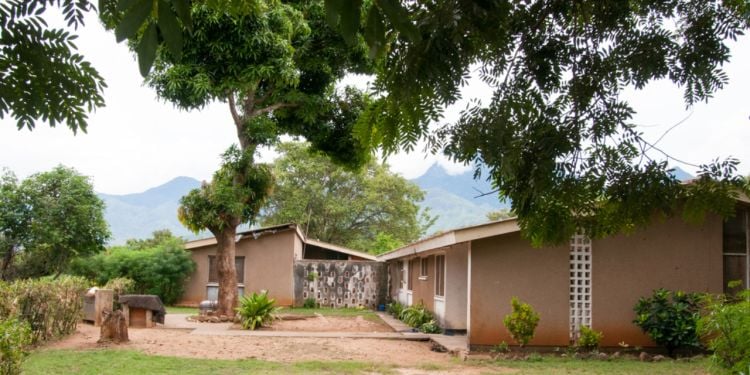
Accommodation in Tanzania
Where you stay in Tanzania will likely depend on the combination of your budget, length of stay, and personal preferences. One thing is for certain, ...
Relocation checklist: preparing your move
An international move to Tanzania demands meticulous preparation to avoid unwelcome surprises. Between customs formalities, deciding what to ship, and logistical organization, starting several months in advance is essential. This comprehensive checklist guides you through each step toward a successful transition to your new life in East Africa.
Your complete moving timeline
- Secure your visa and residence permit (3-6 months ahead): Launch administrative procedures as early as possible through the official Tanzanian immigration portal. With confirmed employment, your employer should initiate Class B work permit procedures via the OWAIS system.
- Select an international moving company (3-4 months ahead): Request multiple detailed quotes comparing sea freight (6-8 weeks) and air freight (1-2 weeks). Rates vary considerably: budget USD 3,000 to 8,000 for a 20-foot container by sea from Europe or North America.
- Arrange international health insurance (2-3 months ahead): Don't skip this critical step. Compare offerings from insurers like Allianz Care, Cigna, or AAR Insurance, verifying medical evacuation coverage and access to quality private facilities.
- Enroll children in international schools (6-12 months ahead): Spaces are limited at top schools like IST or Braeburn. Prepare school records, recommendation letters, and plan for admission testing.
- Organize accommodation (2-3 months ahead): Consider booking temporary lodging (hotel or Airbnb) for initial weeks, then search on-site with real estate agency assistance. Budget for several months' rent advance payment.
- Gather administrative documents: Have diplomas, marriage/birth certificates, and driver's licenses translated and legalized. Request certified copies of police clearance certificates and recent medical certificates for the entire family.
- Handle finances (2 months ahead): Inform your bank of relocation, open a multi-currency account if possible, and research international transfers. Plan USD cash for initial days (ATMs accept international cards but charge fees).
- Cancel subscriptions and contracts: Electricity, gas, internet, phone, local insurance, various subscriptions. Maintain a postal address in your home country (family, forwarding service) for residual administrative mail.
- Complete vaccinations (2-3 months ahead): Yellow fever mandatory, hepatitis A and B, typhoid, rabies recommended. Consult your doctor for malaria prophylaxis and assemble a comprehensive medical kit with regular medications.
- Pack strategically: Bring tropical climate-appropriate clothing (lightweight, cotton), electrical adapters (type D and G plugs), several months' medication supply, and items difficult to find locally (specific beauty products, books, etc.).
- Prepare customs formalities: Establish detailed inventory of personal effects for Tanzanian customs. Used personal belongings are generally duty-exempt, but new or valuable items may be taxed. A local customs clearing agent can greatly facilitate this step.
- Arrange arrival (1 month ahead): Book flights (Dar es Salaam, Kilimanjaro, or Zanzibar airports), arrange airport transport, and schedule essential appointments for initial weeks (bank, school, permanent housing).
- Connect with the expat community: Join Tanzania expat Facebook groups, online forums, and contact families already established. Their practical advice and support prove invaluable during the adjustment period.
Once arrived, allow yourself time to gradually acclimate. The first weeks can be disorienting with cultural adjustment, heat, and different pace of life. Stay patient, keep an open mind, and don't hesitate to ask for help. Tanzania's expat community is typically very welcoming and supportive.

Relocating to Tanzania
If you are considering or planning on relocating to Tanzania, this article will be a good and informative read. A general guideline, as well as ...
Leisure and exploration: Tanzania's natural treasures
Living in Tanzania grants privileged access to some of Africa's most spectacular natural sites. Between legendary national parks, paradise beaches, and rich cultural heritage, the country offers exceptional quality of life for nature and adventure enthusiasts. Whether you're athletic, artistically inclined, or simply curious, opportunities for amazement won't be lacking during your expatriation.
World-class wildlife destinations
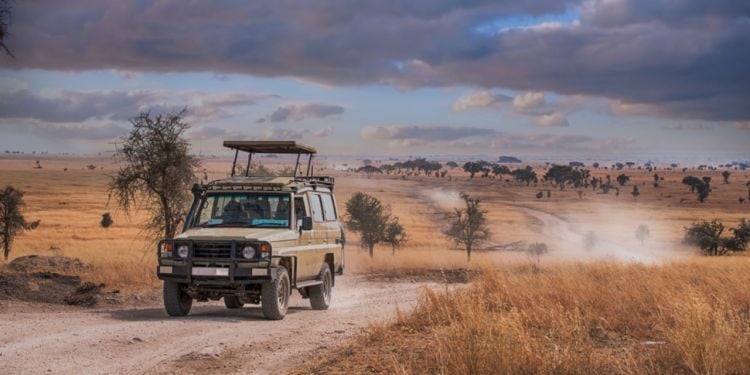
Serengeti National Park, UNESCO World Heritage listed, spans nearly 15,000 km² and hosts the world's largest concentration of wild animals. The annual great migration of over 2 million wildebeest and zebras constitutes a breathtaking natural spectacle, observable between June and September. Serengeti safaris remain unforgettable experiences, accessible within hours from Arusha.
Ngorongoro Crater, also UNESCO-listed, forms a natural 20-km diameter caldera harboring exceptional wildlife density: lions, elephants, black rhinos, buffalo, and hippos coexist in this unique ecosystem. Mount Kilimanjaro, Africa's highest peak at 5,895 meters, attracts thousands of trekkers annually. Multiple routes allow summit attempts over 5 to 9 days, even without technical climbing experience.
Tarangire National Park distinguishes itself with massive baobabs and one of Africa's largest elephant populations. Lake Manyara offers varied landscapes between lush forests, plains, and alkaline waters populated by pink flamingos. Further south, Ruaha National Park and Selous (Nyerere) Reserve provide safaris in wild, less-frequented environments.
Zanzibar and Indian Ocean islands
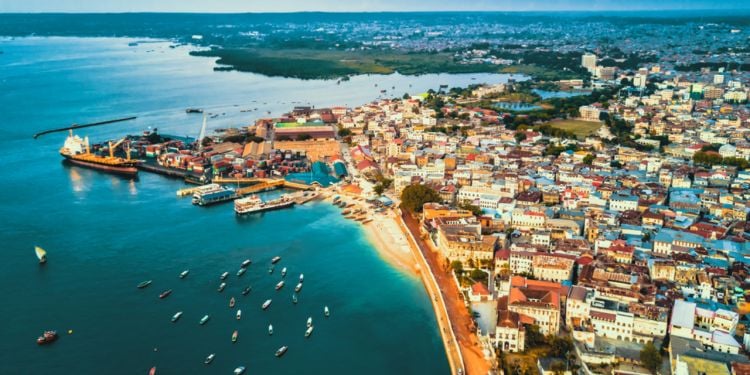
The Zanzibar archipelago makes the perfect weekend or holiday escape. Stone Town, the UNESCO-listed historic capital, charms with its labyrinth of narrow alleys, carved doors, colorful bazaars, and blend of Arab, Persian, Indian, and African influences. The House of Wonders and former Sultan's Palace testify to the island's fascinating history as a spice trade center.
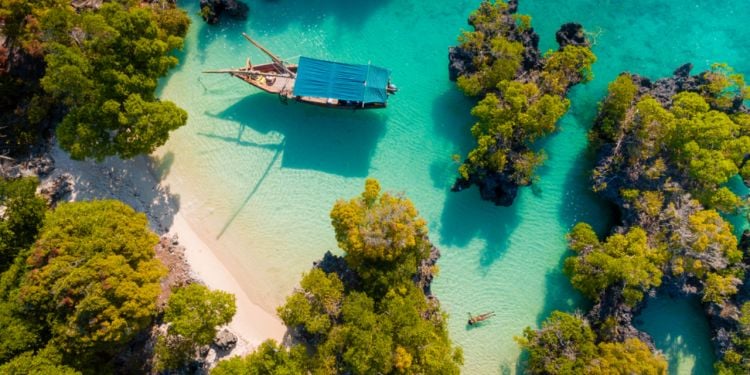
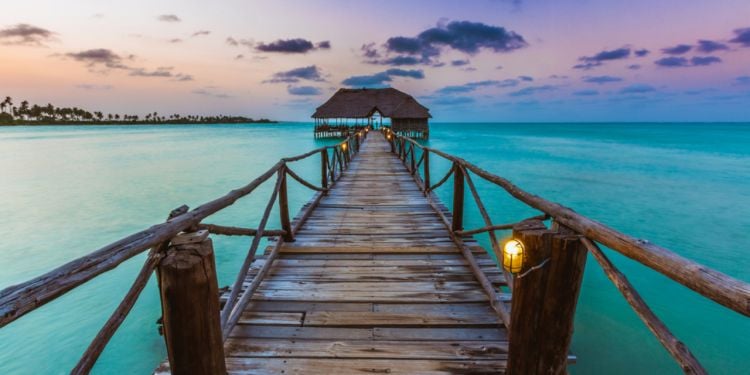
Zanzibar's beaches rank among the world's finest. Nungwi and Kendwa in the north offer turquoise waters and spectacular sunsets with lively nightlife. Paje and Jambiani on the east coast attract kitesurfers thanks to consistent winds. Matemwe appeals to those seeking greater tranquility. Excursions to Prison Island for observing giant tortoises or Mnemba atoll for coral reef snorkeling rank among essential activities.
Urban culture and activities
In Dar es Salaam, cultural life centers around venues like the Village Museum showcasing traditional crafts from Tanzania's various ethnic groups, or the National Museum tracing the country's history from prehistoric times. The Kariakoo market offers total immersion in local daily life, while the Coco Beach waterfront transforms into a popular weekend gathering spot.
Music lovers will appreciate the bongo flava scene, a local fusion of hip-hop, reggae, and traditional music. Numerous bars and clubs in Masaki and Oyster Bay neighborhoods host live concerts. Slipway and Mlimani City are modern shopping centers offering international restaurants, cinemas, and shops.
For sports enthusiasts, diving clubs along the coast offer coral reef explorations, particularly around Mafia Island and Pemba. Golf clubs, tennis facilities, and equipped gyms are multiplying in residential neighborhoods. Expatriates regularly organize friendly football, rugby, or cricket tournaments, creating socializing opportunities while staying fit.
Daily life practicalities: transport, banking, and communication
Settling in Tanzania means adapting to new daily routines and infrastructure sometimes less developed than in Western countries. However, Tanzania also offers a different pace of life and unique opportunities. This section covers essential practical aspects for facilitating your daily life: transportation, communications, banking services, and language learning.
Getting around Tanzania
In Dar es Salaam, personal vehicles remain the most practical transportation for expatriates, despite often dense, chaotic traffic. International driving permits are valid for the first 90 days, after which you must obtain a Tanzanian license by passing a theory test. Purchasing a used vehicle is common: budget TZS 15 to 40 million (USD 6,000 to 16,000) for a reliable 4x4. Car insurance is mandatory, with annual premiums around TZS 500,000 to 1,500,000 (USD 200 to 600).
Daladalas (collective minibuses) constitute the most widespread public transport but aren't recommended for expatriates due to frequent overcrowding and pickpocket risks. Traditional taxis are available but require negotiating fares before departure. Uber and Bolt apps work well in Dar es Salaam and Arusha, offering greater transparency and security. Average city rides cost TZS 5,000 to 15,000 (USD 2 to 6).
For intercity travel, long-distance buses are reliable and comfortable. Companies like Kilimanjaro Express, Dar Express, or Tahmeed operate daily routes between Dar es Salaam, Arusha, Moshi, and Mwanza in air-conditioned buses with reclining seats. Domestic flights remain the fastest option: Precision Air, Air Tanzania, and several charter companies connect major cities and tourist areas. A Dar-Arusha flight costs approximately TZS 80,000 to 150,000 (USD 30 to 60).
Telecommunications and internet access
Tanzania's telecommunications sector is relatively developed. Main mobile operators are Vodacom, Airtel, Tigo, and Halotel. SIM cards are easily obtained: visit a shop with your passport and residence permit. Prepaid plans offer excellent value: TZS 10,000 (USD 4) provides several gigabytes of monthly data. 4G coverage is good in major cities but limited in rural areas.
For home internet, several providers offer fiber optic or ADSL connections: Vodacom Fibre, Smile, Raha, or Liquid Telecom. Unlimited packages cost TZS 50,000 to 150,000 (USD 20 to 60) monthly depending on selected speed. Quality remains variable and outages aren't rare, though conditions are gradually improving. For critical professional connections, some opt for dual connections with two different providers.
Banking and financial services
Opening a local bank account greatly facilitates daily life. Major banks operating in Tanzania include CRDB Bank (largest local bank), NMB Bank (extensive network), Stanbic Bank, Standard Chartered, and Barclays (now Absa). Account opening requires your passport, residence permit, address proof, and sometimes an employer recommendation letter.
International Visa and Mastercard credit cards work in ATMs and modern establishments in major cities. ATMs allow maximum withdrawals between TZS 400,000 and 800,000 (USD 160 to 320) per transaction, with fixed fees around TZS 5,000 to 10,000 (USD 2 to 4) for foreign cards. US dollars are widely accepted in hotels, safari lodges, and tourist agencies, but Tanzanian shillings remain essential for daily life: markets, local restaurants, transport, etc.
Mobile payment apps like M-Pesa, Tigo Pesa, and Airtel Money are ubiquitous and very practical for small transactions, bill payments, or money transfers. Many Tanzanians prefer these electronic means over cash. Currency exchange bureaus (forex bureaux) are numerous and typically offer better rates than banks, especially for USD or EUR exchange.
Learning Swahili and using English
While English is widely used in business, tourism, and secondary education, mastering Swahili will transform your daily experience and significantly facilitate integration. Swahili is the national language spoken by the vast majority of the population. Learning even just basics (greetings, numbers, common expressions) will be greatly appreciated and open many doors.
Swahili courses for expatriates are available in Dar es Salaam and Arusha, offered by private language schools or individual tutors. Budget TZS 15,000 to 30,000 (USD 6 to 12) per hour for individual lessons. Apps like Duolingo or Memrise also offer free Swahili modules for beginners. Regular practice with your security guard, housekeeper, or in local shops will accelerate your progress and help you build authentic connections with the local population.
Tanzania's history - A trip through the ages
Wherever you go in the world, it is important to learn the history of the places, as this provides ...
Getting around Tanzania
There are many ways in which you can get around the country. Deciding on what mode of transport you will use to travel will depend on the distance ...

Phones and Internet in Tanzania
Whether you are traveling to Tanzania for a day, month, or decade, in this day and age you are going to want to be able to communicate with those in ...
Cost of living: budgeting your Tanzania life
Tanzania offers significantly lower living costs compared to most Western countries, making it one of the primary attractions for expatriates. According to October 2025 Numbeo data, Tanzania's cost of living is approximately 71% lower than New York City, with rents up to 93% cheaper. However, your required budget varies considerably based on lifestyle, residential location, and consumption choices: prioritizing local products dramatically reduces expenses, while maintaining a Western lifestyle with imported goods substantially increases costs.
Single person monthly budget
The following table details typical monthly expenses for a single expatriate living in Dar es Salaam with a comfortable but reasonable lifestyle. These amounts are based on October 2025 Numbeo data and reflect averages observed in expatriate-frequented residential neighborhoods.
Expense category | Monthly amount (TZS) | USD equivalent |
Rent 1-bedroom apartment (city center) | 1,500,000 | 600 |
Utilities (electricity, water, gas) | 200,000 | 80 |
Internet & mobile | 100,000 | 40 |
Groceries (supermarket + market) | 600,000 | 240 |
Dining out (4-5 meals/week) | 400,000 | 160 |
Transportation (fuel or Uber) | 250,000 | 100 |
Entertainment & outings | 300,000 | 120 |
Health insurance | 500,000 | 200 |
Miscellaneous (clothing, personal care, contingency) | 250,000 | 100 |
TOTAL | 4,100,000 | 1,640 |
Source: Numbeo - Cost of Living Dar es Salaam (October 2025)
Family of four monthly budget
For a family with two children enrolled in an international school, the budget increases substantially, particularly due to school fees representing the largest expense item. The table below presents a realistic estimate of average monthly expenditures.
Expense category | Monthly amount (TZS) | USD equivalent |
Rent 3-4 bedroom villa (residential area) | 4,000,000 | 1,600 |
Utilities (electricity, water, gas, generator) | 400,000 | 160 |
Internet & mobiles (family) | 150,000 | 60 |
Groceries (family of 4) | 1,500,000 | 600 |
Restaurants & family outings | 600,000 | 240 |
Transportation (personal vehicle, fuel) | 600,000 | 240 |
School fees 2 children (average international school) | 8,000,000 | 3,200 |
Health insurance (family) | 1,500,000 | 600 |
Household staff (guard, housekeeper) | 600,000 | 240 |
Recreation (children's activities, sports, culture) | 500,000 | 200 |
Miscellaneous & contingency | 400,000 | 160 |
TOTAL | 18,250,000 | 7,300 |
Source: Numbeo - Cost of Living Dar es Salaam (October 2025)
Everyday price benchmarks
To help visualize actual living costs, here are some common price points: a meal at a simple local restaurant costs TZS 10,000 to 20,000 (USD 4 to 8), while dinner at a mid-range international restaurant for two runs TZS 80,000 to 150,000 (USD 32 to 60). A local beer at a bar goes for TZS 3,000 to 5,000 (USD 1.20 to 2), a cappuccino TZS 5,000 to 8,000 (USD 2 to 3).
At the supermarket, a liter of milk costs approximately TZS 3,000 (USD 1.20), a dozen eggs TZS 6,000 (USD 2.40), a kilogram of chicken TZS 15,000 (USD 6). Local fruits and vegetables are very affordable at markets: tomatoes, onions, bananas, mangoes rarely exceed TZS 2,000 to 4,000 per kilo. However, imported products (cheeses, wines, cold cuts) display prices equivalent to or higher than Europe.
Gasoline sells around TZS 3,000 per liter (USD 1.20). Monthly membership at a modern gym costs TZS 100,000 to 200,000 (USD 40 to 80). A cinema ticket runs TZS 15,000 (USD 6). These prices provide insight into local purchasing power and help adjust consumption habits accordingly.
In brief
Tanzania is establishing itself as a premier East African expatriation destination, combining economic dynamism, advantageous living costs, and exceptional natural wealth. Recent immigration reforms (visa exemption for 71 countries, modernized OWAIS system) ease settlement, while the developing job market offers growing opportunities in telecommunications, tourism, finance, and infrastructure. Whether you choose Dar es Salaam's vibrancy, Arusha's proximity to nature, or Zanzibar's island lifestyle, the country will meet your professional and personal expectations.
Tanzania's expatriate community is welcoming and supportive, facilitating newcomers' integration. Don't hesitate to join the Expat.com forum dedicated to Tanzania to connect with other expatriates, ask questions, and share your experience. You'll find practical advice, insider tips, and valuable support for successfully launching your expatriation project.
We do our best to provide accurate and up to date information. However, if you have noticed any inaccuracies in this content, please contact us.


News & testimonies

The "hakuna matata" life of an expat entrepreneur in Tanzania
Virginie, a French expat, has an uncommon story. In 2020, she decided to follow her heart to Tanzania, which opened the doors for her to a world of opportunities. Having a rich career in many fields, Virginie is now happy to run her own business and enjoys the "hakuna matata" lifestyle.
An artistic adventure: Expat life in Tanzania
After leaving England to travel the world, Ali Dunnell settled on Tanzania as her latest adventure. When she isn't teaching English and Art, she is producing artwork for her blog and spending time with her three children. She gives https://www.expat.com some insight into life in the country famed for its awe-inspiring natural beauty and indigenous animals.
Essential services for your expat journey



