

Living in Oran: the ultimate expat guide
Everything you need to know for a successful life in Oran.
Oran is Algeria's second-largest city and a major Mediterranean port, known for its vibrant culture, stunning coastal views, and dynamic economy. With a population of approximately 967,000 residents in 2025, this coastal hub blends French colonial architecture with modern infrastructure, creating a unique urban landscape. Located 432 kilometers west of Algiers, Oran has earned the nickname Paris of Algeria for its relatively liberal atmosphere, thriving music scene—especially Raï music—and active nightlife. The city's mild Mediterranean climate, with warm, dry summers and wet winters, makes it an attractive destination for those seeking sunshine and coastal living. Oran serves as a commercial and industrial center, with significant activity in petrochemicals, manufacturing, and port operations.
5 Good Reasons to Move to Oran
- Mediterranean Lifestyle: Enjoy stunning coastal views, beautiful beaches like Aïn el-Turck and Madagh, and a pleasant year-round climate with over 300 sunny days annually.
- Economic Opportunities: Benefit from Algeria's growing economy, particularly in oil and gas, port logistics, manufacturing, and construction sectors, with opportunities for skilled professionals.
- Lower Cost of Living: Experience significantly lower living expenses compared to major global cities, with affordable housing, food, and transportation making your money go further.
- Rich Cultural Heritage: Immerse yourself in a city with diverse historical influences from Spanish, Ottoman, and French periods, visible in stunning architecture like Fort Santa Cruz and the Cathedral of the Sacred Heart.
- Strategic Location: Take advantage of Oran's position as a gateway between Europe and North Africa, with ferry connections to Spain and France, plus an international airport linking to major cities.
Working in Oran
Oran's economy is driven by its strategic port location and industrial base, making it an important employment hub in Algeria. The city's economy centers on petrochemicals, manufacturing, logistics, and services, with major activity in the port and surrounding industrial zones. Foreign professionals with specialized skills, particularly in engineering, technical services, finance, and project management, find opportunities in Algeria's oil and gas sector and related industries. However, it's essential to understand that Algeria prioritizes hiring local talent, and work permits require employer sponsorship demonstrating the necessity of foreign expertise.
Employment Landscape and Key Sectors
The primary employment sectors in Oran include energy and petrochemicals, where international companies operate refineries and production facilities, port and logistics operations, handling Mediterranean trade, construction and infrastructure, driven by urban development projects, and education and healthcare, with growing demand for qualified professionals. The city also benefits from manufacturing plants producing chemicals, textiles, and consumer goods. Public sector employment remains significant, though less accessible to foreign nationals without specific agreements.
Work Permits and Employment Regulations
All foreign nationals require a work permit and work visa to be legally employed in Algeria. Employers must obtain a Temporary Work Authorization (APT) from the Ministry of Labor, proving the need to hire foreign talent over local candidates. For short-term contracts under 90 days, a Temporary Work Visa is available. For longer assignments, a Work Visa is required, followed by applying for a residence permit within the country. The process involves submitting employment contracts, medical certificates, police clearances, and proof of accommodation. Processing times vary from several weeks to months, requiring advance planning. Salaries are typically paid in Algerian Dinars (DZD), though some international contracts may include foreign currency components.
Indicator | Value (2024-2025) |
Unemployment Rate | 11.4% |
Youth Unemployment (15-24) | 29.8% |
Average Monthly Net Salary | $260 (approx. 38,000 DZD) |
Primary Sectors | Petrochemicals, Port Operations, Manufacturing |
Sources: World Bank, International Labour Organization, Numbeo
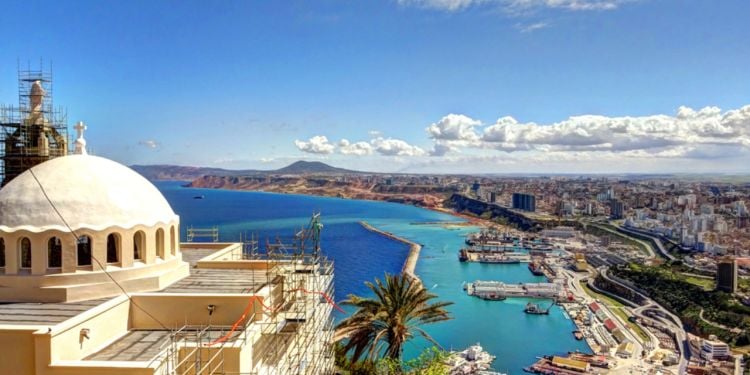
Work in Oran
Before moving to Oran, which is Algeria's second biggest city, here is what you need to know about its economy and labor market.
Higher Education & Universities
Oran hosts several major universities and higher education institutions, making it an important academic center in western Algeria. The city's universities offer programs across diverse fields including science, engineering, medicine, humanities, and business, with instruction primarily in Arabic and French. While tuition at public universities is free or minimal for Algerian students, international students may face different fee structures and admission requirements. The academic year typically runs from October to July, divided into two semesters.
Major Universities in Oran
The flagship institution is Oran 1 University Ahmed Ben Bella, established in 1961 and Algeria's first university after independence. It operates 5 faculties and 2 institutes across 8 campuses, offering programs in exact sciences, natural sciences, technology, and medicine. The university enrolls thousands of students and maintains research laboratories. Oran 2 University Mohamed Ben Ahmed, created in 2014 from the restructuring of the original university, focuses on social sciences, law, languages, and economics, with approximately 28,000 students and over 1,000 professors. The University of Science and Technology of Oran (USTO) specializes in engineering and applied sciences. Additionally, the École Normale Supérieure d'Oran, founded in 2014, trains future teachers and educators.
Admission and Programs for International Students
International students must obtain a study visa before arrival, requiring an acceptance letter from the university, proof of financial means or scholarship, and valid travel documents. The application process involves contacting the university's international office, submitting academic transcripts and language proficiency certificates, and meeting specific program requirements. Bachelor's degrees typically last 3 years, master's programs 2 years, and doctoral studies 3-4 years under the LMD system (Licence-Master-Doctorate) aligned with European standards. While public university tuition is minimal, international students should budget for living expenses, accommodation, books, and administrative fees. Some programs offer instruction in English, particularly at postgraduate levels, though French and Arabic proficiency greatly enhances academic and social integration.
For more information, visit: Oran 1 University, Oran 2 University
Schooling for Children
Education in Algeria is compulsory and free for children aged 6 to 16, with the public system following the French model. However, expatriate families typically opt for international or private schools offering curricula in familiar languages and following educational systems from their home countries. Oran has a limited but growing selection of international schools catering to foreign residents, with most offering French, English, or bilingual programs. Planning ahead is essential, as places can be limited and enrollment procedures may take time.
International and Private School Options
The Lycée International Alexandre Dumas, part of the French education system abroad (AEFE), opened a campus in Oran in 2017. It follows the French curriculum and serves students from preschool through high school. The Ecole Privée Internationale d'Oran (EPIO) offers bilingual French-English education with modern facilities including science labs and sports areas. Elite Kingdom School provides a Cambridge International curriculum in English, preparing students for Cambridge qualifications recognized globally. The British School of Oran and Oran International School are newer additions focusing on English-language education. Some private Algerian schools also offer bilingual programs, particularly in French and Arabic. Parents should contact schools directly to inquire about availability, curriculum details, admission requirements, and waiting lists.
Costs and Enrollment Procedures
International school fees in Oran vary significantly based on the institution and grade level. Annual tuition typically ranges from $2,000 to $4,000 for primary education at international schools, with some premium institutions charging higher rates. Fees generally cover tuition, registration, and basic materials, but families should budget for uniforms, extracurricular activities, meals, and transportation. Enrollment requires academic records from previous schools, immunization certificates, copies of passports and residence permits, language assessments, and application fees. Most schools accept applications year-round but recommend applying several months before the intended start date. School buses and transportation services are available at additional costs. For families seeking Arabic language education alongside international standards, some bilingual private schools bridge both systems.
School Contacts: AEFE Network, Elite Kingdom School
Housing & Neighbourhoods
Finding accommodation in Oran involves navigating a mix of traditional rental markets and newer developments. The city offers diverse housing options from city center apartments to suburban villas, with neighborhoods varying in character, amenities, and proximity to work or schools. Rental prices in Oran are significantly lower than in major European or North American cities, making it affordable for most expatriates. However, housing quality can vary, and properties that meet international standards may require more thorough searches.
Expat-Friendly Neighborhoods
Bir el-Djir, located 8 kilometers from the city center, is a popular choice with over 115,000 inhabitants. It hosts corporate offices, universities, and the Court of Justice, making it convenient for professionals and families. Es-Sénia is another major suburb known for its academic institutions, research centers, and the international airport, attracting students and professionals. Akid Lotfi along the seafront is an upscale residential area with modern apartments, sea views, shopping centers, and proximity to amenities. The Front de Mer (seafront boulevard) area offers palm-lined streets with restaurants, shops, and Mediterranean views. El Hamri in the city center provides convenient access to markets, cafes, and transport links, though it can be busier and more traditional. Aïn el-Turck, 15 kilometers from Oran, is a seaside resort town popular with those seeking coastal living and beach access.
Rental Prices and Housing Process
Monthly rent for a 1-bedroom apartment in the city center averages around $190 (27,000 DZD), while outside the center it drops to approximately $115 (17,000 DZD). A 3-bedroom apartment in the city center costs about $280 (40,000 DZD) per month, and around $170 (24,500 DZD) in suburban areas. Villas and larger homes range from $350 to $700 (50,000 to 100,000 DZD) monthly depending on location and condition. Utilities including electricity, water, and garbage for a standard apartment add approximately $32 (4,600 DZD) monthly. Internet and mobile plans cost around $15-20 (2,200-3,000 DZD). To find housing, check local newspapers, online classified sites like Ouedkniss and DarJadida, real estate agencies, and expatriate networks. Word-of-mouth recommendations from colleagues can be invaluable. Most landlords require rental agreements, security deposits (usually one to two months' rent), and proof of employment or residence permits.
1-Bedroom City Center | $190 (27,000 DZD) |
1-Bedroom Outside Center | $115 (17,000 DZD) |
3-Bedroom City Center | $280 (40,000 DZD) |
3-Bedroom Outside Center | $170 (24,500 DZD) |
Sources: Numbeo, Expat.com Housing Listings
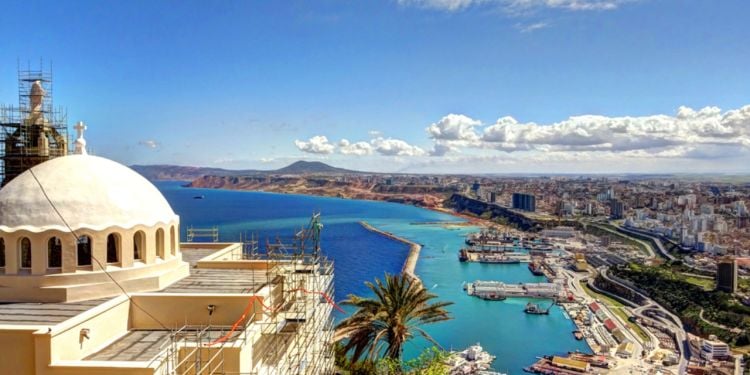
Accommodation in Oran
Looking for accommodation in Oran? What about your budget? Find an overview of this city's rental market in this article.
Leisure, Culture & Things To Do
Oran offers a rich blend of cultural attractions, historical sites, and leisure activities that reflect its diverse heritage and coastal location. From stunning Mediterranean beaches to centuries-old fortresses, the city provides entertainment and exploration opportunities for residents and visitors alike. The cultural scene thrives with museums, theaters, music venues, and festivals that celebrate both traditional and contemporary arts.
Cultural Attractions and Museums
The Ahmed Zabana National Museum, located in the city center, is Oran's premier cultural institution, showcasing Algeria's history through archaeological artifacts, art collections, and ethnographic exhibits. Named after an independence hero, the museum features works by Algerian and French Orientalist painters, ancient sculptures, and mosaics. Admission is free, and it operates daily except Saturdays. Fort Santa Cruz, perched high above the city, offers panoramic views of Oran Bay and the Mediterranean. Built by the Spanish in the 17th century, this fortress features thick walls, historical cannons, and ramparts that can be explored. The adjacent Chapel of Santa Cruz adds to the site's historical significance. The Museum of Modern Art of Oran (MAMO) displays contemporary works by national and international artists in a modern facility hosting temporary exhibitions and cultural events. The Théâtre Régional d'Oran presents theatrical performances, concerts, and cultural shows throughout the year, with programs in Arabic and Berber.
Beaches, Parks, and Outdoor Activities
Aïn el-Turck, 15 kilometers from Oran, is the most popular beach destination, featuring sandy shores, beachfront cafes, and resort accommodations. The area includes smaller beaches like Saint Roch, Bouisseville, and Trouville. Madagh Beach attracts weekend crowds seeking sun and sea, with facilities for swimming and water sports. The Front de Mer seafront promenade is a nearly 2-kilometer palm-lined boulevard perfect for evening walks, offering sea views, ice cream parlors, and cafes. Place du 1er Novembre in the city center is a lively square surrounded by the neoclassical Town Hall, the Baroque-style Theater, and various shops and cafes, serving as a social gathering point. The historic Sidi el Houari district, the city's oldest quarter, features narrow streets, traditional architecture, and the old port area, providing glimpses into Oran's past. For nature enthusiasts, the Sebkha of Oran, a saltwater lake northwest of the city, is designated as an Important Bird and Biodiversity Area. Nightlife centers along La Corniche, the seafront strip with bars, lounges, and nightclubs, particularly in upscale hotels like the Sheraton.
For event schedules and cultural information, visit local tourism offices.
Daily Life
Daily life in Oran combines Mediterranean coastal charm with North African traditions and modern conveniences. The city operates at a relaxed pace compared to major global capitals, with shops and businesses typically open from mid-morning to early evening, often with afternoon breaks. Social life centers around family, cafes, and seaside promenades, particularly in the evenings when temperatures cool and locals gather along the Front de Mer. Understanding local customs, particularly regarding dress codes and social interactions, helps expatriates integrate smoothly into Oranian society.
Transportation Options
Oran's public transportation network includes a modern tramway system opened in 2013, operating along an 18.7-kilometer route with 32 stations. The tram connects major areas including Sidi Maarouf, the University of Science and Technology, the courthouse, and key residential districts. Single tickets cost approximately $0.14 (20 DZD), while monthly passes are around $4 (600 DZD). The tram features air conditioning, low floors for accessibility, and bilingual Arabic-French information systems. Buses serve additional routes throughout the city and suburbs, operated by local transport companies at similar pricing. Taxis are abundant and affordable, with typical fares starting at $0.80 (115 DZD) and costing about $0.46 per mile (0.70 DZD per kilometer). Shared taxis also operate on fixed routes. For longer distances, Ahmed Ben Bella International Airport is 15 kilometers from the city center, with taxi rides costing $10-15 (1,500-2,200 DZD). Car ownership is common among those who can afford it, with gasoline priced at approximately $0.30 per liter (45 DZD).
Lifestyle and Cultural Particularities
Oran is known as the most liberal city in Algeria, with a relatively open-minded atmosphere compared to other regions. The city has a vibrant nightlife scene along La Corniche seafront strip, with bars, lounges, and nightclubs, though alcohol availability is more limited than in Western countries. The local music scene thrives, particularly Raï music, which originated in Oran and blends traditional Bedouin melodies with modern influences. The Oran Raï Music Festival held annually in August attracts performers and fans. Daily shopping happens at traditional markets (souks) like Marché de Medina Jedida, where locals buy fresh produce, meat, and household goods. Supermarkets and modern shopping centers like Palais d'Or also serve residents. French and Arabic are the primary languages, with French widely spoken in business and educated circles, while English is less common. The workweek typically runs Sunday through Thursday, with Friday and Saturday as the weekend in accordance with Islamic tradition. Ramadan, the month of fasting, significantly impacts daily schedules, with reduced business hours and evening social activities.
Cost of Living
Oran offers one of the most affordable costs of living among Mediterranean cities, ranking in the top 5% of least expensive cities globally. Expatriates find their salaries stretch significantly further than in European or North American cities, particularly for housing, food, and transportation. However, imported goods, international schools, and certain lifestyle choices can increase expenses. The following tables provide realistic monthly budgets based on typical spending patterns in Oran, using data from 2024-2025.
Monthly Budget for a Single Person
A single professional living modestly in Oran can expect monthly expenses of approximately $600-800 (88,000-117,000 DZD) including rent outside the city center, basic groceries, local transportation, and occasional dining out. Those choosing city center apartments, frequent restaurant meals, or gym memberships will see costs rise to $900-1,200 (132,000-176,000 DZD) monthly.
Expense Category | Monthly Cost (USD) | Monthly Cost (DZD) |
Rent (1-bed outside center) | $115 | 17,000 DZD |
Utilities | $32 | 4,700 DZD |
Groceries | $200 | 29,000 DZD |
Public Transport | $15 | 2,200 DZD |
Internet & Mobile | $22 | 3,200 DZD |
Dining Out (occasional) | $50 | 7,300 DZD |
Entertainment & Leisure | $40 | 6,000 DZD |
Total | $474 | 69,400 DZD |
Monthly Budget for a Family of Four
A family with two children attending international schools faces higher costs, primarily due to tuition fees. A realistic monthly budget ranges from $1,800-2,500 (264,000-367,000 DZD) depending on accommodation choices, school fees, and lifestyle preferences.
Expense Category | Monthly Cost (USD) | Monthly Cost (DZD) |
Rent (3-bed outside center) | $170 | 25,000 DZD |
Utilities | $45 | 6,600 DZD |
Groceries | $450 | 66,000 DZD |
Transportation (car/taxis) | $120 | 17,600 DZD |
School Fees (2 children) | $500 | 73,000 DZD |
Internet & Mobile | $30 | 4,400 DZD |
Health Insurance (private) | $150 | 22,000 DZD |
Entertainment & Activities | $100 | 14,600 DZD |
Total | $1,565 | 229,200 DZD |
Note: Exchange rate approximately 1 USD = 146 DZD (2025 estimates). School fees are averaged monthly from annual costs.
Sources: Numbeo, LivingCost
In Short
Oran stands out as Algeria's second city with a compelling mix of Mediterranean charm, economic opportunity, and cultural vitality. Its affordable cost of living, combined with beautiful coastal settings and improving infrastructure like the modern tramway system, makes it an attractive option for those seeking North African experiences without the expense of European cities. While challenges exist—including language barriers for non-French speakers and bureaucratic processes—the city's relatively open atmosphere, strong educational institutions, and growing international presence create a welcoming environment for expatriates. Whether drawn by professional opportunities in the energy sector, academic pursuits at its universities, or simply the appeal of seaside living, Oran offers a unique expatriate experience. Connect with fellow expatriates and get local insights by joining the Oran community on the Expat.com forum, where you can ask questions, share experiences, and find support as you navigate life in this dynamic Algerian city.
We do our best to provide accurate and up to date information. However, if you have noticed any inaccuracies in this content, please contact us.


Essential services for your expat journey



