

Living in Algiers: the ultimate expat guide
Everything you need to know for a successful life in Algiers.
Algiers, the capital and largest city of Algeria, sits majestically along the Mediterranean coast in North Africa. With a population exceeding 3 million people, this dynamic metropolis blends rich history with modern development. The city cascades from the hills down to the sea, offering stunning views of the Mediterranean Bay. Known as "Algiers the White" for its whitewashed buildings gleaming in the North African sun, the city serves as the political, economic, and cultural heart of Algeria. The UNESCO-listed Kasbah, French colonial architecture, and modern infrastructure create a unique urban landscape that attracts expatriates working in the energy, construction, and services sectors.
5 Good Reasons to Move to Algiers
- Strategic location and growing economy: As Africa's largest country by area and the third-largest Arab economy, Algeria offers access to both African and Mediterranean markets. The hydrocarbon sector drives growth, alongside expanding construction, services, and manufacturing industries.
- Affordable cost of living: Compared to Western capitals, Algiers offers significantly lower living costs. Housing, food, and daily expenses are budget-friendly, allowing expatriates to maintain a comfortable lifestyle while saving.
- Rich cultural heritage: From the ancient Casbah to world-class museums, Roman ruins, and vibrant markets, Algiers provides endless opportunities to explore North African history, art, and traditions.
- Mediterranean lifestyle: With over 1,000 kilometers of coastline, residents enjoy beach access, fresh seafood, outdoor cafés, and a relaxed coastal atmosphere complemented by year-round mild climate.
- Modern infrastructure development: Algiers benefits from ongoing investments in metro, tramway, and road networks, alongside new cultural facilities including Africa's largest mosque and expanding international schools.
Working in Algiers
Algiers serves as Algeria's economic hub, with employment concentrated in government services, oil and gas, construction, telecommunications, and banking. The economy has maintained steady growth, with non-hydrocarbon GDP expanding by 4.8% in 2024 according to World Bank data. However, foreign workers face strict regulations designed to prioritize local employment, requiring comprehensive work permits and employer sponsorship.
Employment Landscape and Key Sectors
The hydrocarbon sector accounts for approximately 40% of government revenue and 90% of exports, making it the primary employer of foreign specialists, particularly in engineering, project management, and technical roles. The construction industry has experienced robust growth driven by public investment in infrastructure projects. Services, including finance, telecommunications, and retail, now represent over 45% of GDP and employ 60% of the workforce. The government has been diversifying the economy to reduce dependence on oil and gas, creating opportunities in renewable energy, agriculture, and technology sectors.
Unemployment stood at 9.7% in October 2024 according to Algeria's National Statistics Office (ONS), though youth unemployment remains higher at approximately 29%. The formal job market favors public sector positions, which offer higher salaries and greater job security. International companies typically recruit expatriates for specialized positions where local expertise is limited.
Indicator | Value (2024-2025) |
Unemployment rate | 9.7% |
Average monthly salary (public sector) | $420 |
Key sectors | Oil & gas, construction, services |
Sources: U.S. Department of State Investment Climate Statements, World Bank Algeria Overview
Work Permits and Visa Requirements
Foreign nationals require both a work permit and work visa to work legally in Algeria. The process involves employer sponsorship and Ministry of Labor approval. Employers must first obtain a Temporary Work Authorization (Autorisation Provisoire de Travail - APT) by demonstrating that no qualified Algerian national is available for the position. Once the APT is secured, employees can apply for a work visa at an Algerian embassy or consulate in their home country.
Required documents typically include a valid passport (minimum 6 months validity), work contract, APT, employer's letter of repatriation commitment, educational certificates authenticated by the Algerian consulate, medical certificate, and police clearance certificate. Processing typically takes 4-8 weeks. Work permits are valid for up to two years and can be renewed. The temporary work visa is available for assignments under 90 days. Citizens from Libya, Mali, Morocco, Tunisia, Seychelles, and Malaysia are exempt from visa requirements for stays up to 90 days for business or tourism purposes.
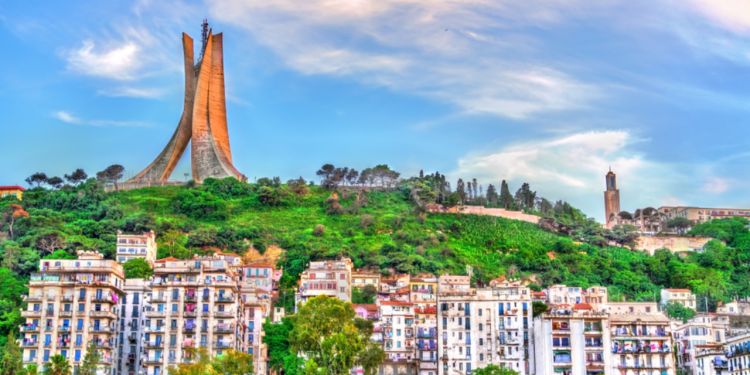
Work in Algiers
Are you looking for a job in Algiers? Find in this article an overview of its labor market.
Higher Education & Universities
Algeria has invested significantly in higher education, with the Ministry of Higher Education and Scientific Research overseeing 114 universities and colleges nationwide. Algiers hosts several of the country's top institutions, offering programs in science, technology, engineering, medicine, business, and humanities. While most instruction occurs in Arabic and French, some international programs are available in English.
Top Universities in Algiers
The University of Sciences and Technology Houari Boumediene (USTHB) ranks as Algiers' premier institution, particularly strong in computer science, engineering, and mathematical sciences. Founded in 1974, USTHB offers undergraduate, master's, and doctoral programs and maintains research partnerships with international institutions. The University of Algiers 1 Benyoucef Benkhedda specializes in humanities, law, and social sciences, while University of Algiers 2 - Abou El Kacem Saâdallah focuses on foreign languages and Arabic literature.
The École Supérieure Algérienne des Affaires (ESAA) is a prestigious business school accredited by the Ministry of Higher Education, offering programs in business administration, finance, and management with strong industry connections. The National Cybersecurity School, launched in 2024 following presidential directives, represents Algeria's commitment to digital education and addresses growing cybersecurity demands.
Admission Process and Tuition Fees
Public universities in Algeria offer free or heavily subsidized education for Algerian nationals. International students face moderate tuition fees ranging from $500 to $2,000 annually depending on the program and institution. Private institutions and specialized schools charge higher fees, typically between $3,000 and $8,000 per year.
Admission requirements include a recognized secondary school diploma equivalent to the Algerian baccalaureate, language proficiency (French or Arabic), and entrance examinations for competitive programs. International students must provide notarized and translated academic transcripts, a valid passport, proof of financial means, and a student visa. The Algerian government has digitized much of the enrollment process, with over 60 digital platforms covering teaching, research, and administrative services. Applications typically open between June and September for the academic year beginning in September.
Sources: University Guru - Universities in Algiers, Dzair Tube - New University Programs 2024-2025
Schooling for Children
Education in Algeria is compulsory and free for children ages 6 to 15, based on the French educational model. The public system provides instruction primarily in Arabic, with French as the first foreign language introduced in third grade. While public schools are widely available, most expatriate families opt for international schools that offer curriculum in English, French, or other languages.
International School Options
The American International School of Algiers (AISA) serves as the primary option for English-speaking families. Located in the Ben Aknoun diplomatic area, AISA offers an American curriculum from pre-kindergarten through grade 8, following Project AERO's U.S. Common Core Standards Plus. The school enrolled 36 students in 2023-2024, with 21 U.S. citizens. AISA features a student-teacher ratio of approximately 1:2, though it does not provide ESL support or special needs services. Annual tuition is $30,000, with a $200 non-refundable application fee. The school also offers online high school options with in-person teacher support.
The British School of Algiers provides British education accredited by British Schools Overseas (BSO) and the Council of International Schools (CIS), serving students aged 4 to 18. The Lycée International Alexandre Dumas, established under a bilateral France-Algeria agreement, offers French curriculum through middle school. École Les Aurès is a Pearson-accredited trilingual school (English, Arabic, French) serving various grade levels. The Roma Italian School provides bilingual Italian-French education from preschool through high school.
Enrollment and Costs
International schools in Algiers are limited and spaces fill quickly, particularly at the elementary level. Parents should apply 6-12 months before the desired start date. Tuition varies significantly: American and British schools charge $20,000-$30,000 annually, French schools range from $4,000-$9,000, and local bilingual schools cost between $2,000-$5,000 per year. Additional fees may include registration, uniforms, transportation, meals, and extracurricular activities.
Most international schools require entrance assessments, previous academic records, immunization certificates, passport copies, and residence permits. English-language schools typically require demonstrated English proficiency. Transportation services are often available but cost extra. Given limited options, expatriates negotiating employment contracts should ensure school fees are covered as part of their compensation package.
Sources: U.S. Department of State - AISA Fact Sheet 2025, AFRIKTA - Top International Schools in Algeria
Housing & Neighbourhoods
The Algiers housing market offers diverse options from modern apartments in upscale districts to traditional homes in historic neighborhoods. Expatriates typically gravitate toward well-established areas with good security, infrastructure, and proximity to international schools and embassies. Rental agreements usually require deposits and advance payments, with landlords often preferring annual or semi-annual contracts.
Popular Expatriate Neighborhoods
Hydra ranks as the most sought-after district for expatriates and diplomats. This upscale residential area in the heights of Algiers features villas, modern apartment buildings, embassies, and international schools. Properties here command premium prices but offer excellent security, green spaces, and proximity to shopping centers. Ben Aknoun, adjacent to Hydra, houses the American International School and many diplomatic residences. The neighborhood provides a quieter, family-friendly environment with good access to central Algiers.
El Biar and Dély Ibrahim offer mid-range options popular with working professionals. These areas feature a mix of modern apartments and older buildings, with good transportation links, markets, and restaurants. Kouba has seen recent development with new residential complexes offering modern amenities. Ain Benian, along the coast, provides beach access and is approximately 6 miles from the city center.
The historic Casbah, while culturally rich, is less suitable for expatriate families due to aging infrastructure, though some restored properties attract adventurous residents. Sidi Yahia and Telemly offer central locations near shopping districts and government offices.
Rental Costs and Housing Types
Rental prices vary significantly by location, size, and property condition. Expatriate-standard housing typically features modern fixtures, security systems, and building maintenance.
Property Type | City Center | Outside Center |
1-bedroom apartment | $250-400/month | $150-250/month |
3-bedroom apartment | $600-1,000/month | $400-700/month |
Villa/House (4+ bedrooms) | $1,500-3,000/month | $1,000-2,000/month |
Sources: Numbeo Cost of Living in Algiers, Remote People Algeria Average Salary
Premium properties in Hydra or Ben Aknoun can exceed these ranges, especially for fully furnished villas with pools and gardens. Utilities (electricity, water, gas) typically add $40-60 monthly. Internet service costs approximately $20-40 per month. Most rentals require a security deposit equal to 1-2 months' rent plus the first month in advance. Landlords may request proof of employment, passport copies, and work permits. Real estate agents charge fees equivalent to one month's rent. Furnished apartments command premiums of 20-30% over unfurnished units.
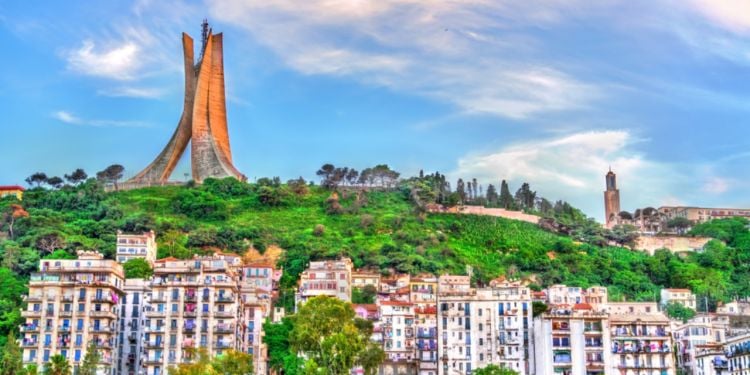
Accommodation in Algiers
Are you moving to Algiers? Find out, in this article, how to proceed to find affordable accommodation there.
Leisure, Culture & Things To Do
Algiers offers rich cultural experiences blending North African, Mediterranean, and French colonial heritage. From UNESCO World Heritage sites to modern museums, pristine beaches to bustling markets, the city provides diverse entertainment options for residents and visitors.
Museums and Cultural Attractions
The Kasbah of Algiers, a UNESCO World Heritage Site since 1992, stands as the city's historic heart. This ancient medina features narrow winding streets, Ottoman palaces, mosques, and traditional houses cascading down hillsides toward the Mediterranean. Notable sites within include Dar Hassan Pacha, an 18th-century palace showcasing Ottoman architecture, Ketchaoua Mosque, and Palais des Raïs (Bastion 23), now a cultural center hosting art exhibitions and workshops.
The National Museum of Fine Arts, one of Africa's largest art museums, displays extensive collections of Algerian, European, and international art spanning multiple centuries. The Bardo National Museum of Prehistory and Ethnography features prehistoric artifacts, rock art from Tassili n'Ajjer, and ethnographic displays. The Museum of Antiquities and Islamic Arts houses impressive Roman mosaics, sculptures, and Islamic art collections. The Museum of Popular Arts and Traditions showcases traditional Algerian crafts, textiles, jewelry, and everyday objects.
La Grande Poste, the central post office built in 1910, exemplifies neo-Moorish architecture with intricate geometric patterns and ornate arches. Now functioning as both a working post office and museum, it celebrates Algeria's postal history. The Djamaa el Djazaïr (Great Mosque of Algiers), completed in 2019, ranks as Africa's largest mosque with a 265-meter minaret – the world's tallest. The complex includes prayer halls accommodating 120,000 worshippers, a million-volume library, and cultural center.
Beaches and Outdoor Activities
Algiers' Mediterranean location provides beach access within the city and spectacular coastal destinations nearby. The Corniche waterfront promenade offers seaside cafés, restaurants, and walking paths. The Emerald Coast east of Algiers features luxury resorts and water sports including diving and sailing. The Turquoise Coast to the west provides crystal-clear waters and family-friendly beaches. Tipaza, located 70 kilometers west, combines beaches with remarkable Roman ruins in a UNESCO World Heritage Site.
The Jardin d'Essai du Hamma, botanical gardens established during French colonial times, sprawls across extensive grounds featuring tropical plants, lakes, and walking paths. The gardens serve as popular picnic spots and family destinations. A cable car connects the gardens to higher elevations offering panoramic city and sea views.
Monuments and Modern Attractions
The Martyrs' Memorial (Maqam E'chahid), erected in 1982, stands 92 meters tall on a hill overlooking the city. Its three stylized palm leaves shelter an eternal flame honoring those who died during the War of Independence. The site includes an underground museum depicting the struggle for independence and offers sweeping views of Algiers Bay.
Basilique Notre Dame d'Afrique, a Catholic basilica built in 1872, perches on a cliff 124 meters above the Mediterranean. Its neo-Byzantine architecture and interior Spanish-Moorish décor make it an architectural landmark. The basilica continues celebrating daily mass despite Algeria's predominantly Muslim population.
Shopping and dining experiences range from traditional souks in the Kasbah to modern malls. The Rue Didouche Mourad features boutiques, cafés, bookshops, and souvenir vendors. Markets throughout the city sell spices, crafts, textiles, and local produce. Algerian cuisine blends Berber, Arab, Turkish, and French influences – specialties include couscous, tajine, chorba soup, merguez sausages, and pastries like baklava and makrout.
Sources: TripAdvisor - Things to Do in Algiers, Lonely Planet - Algiers Attractions
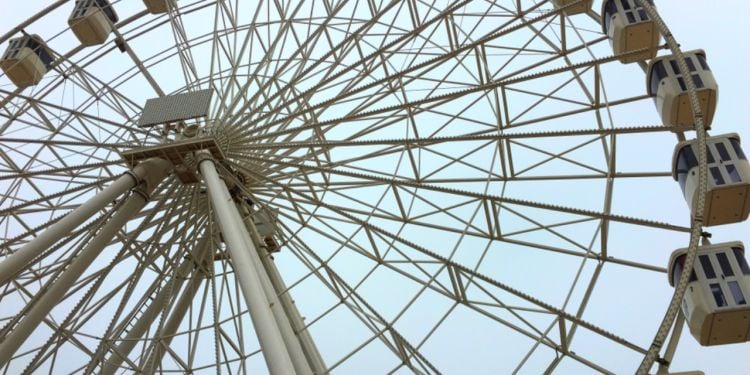
Leisure in Algiers
Wondering what to do during your leisure time in Algiers? Find out in this article.
Daily Life
Daily life in Algiers combines Mediterranean coastal culture with North African traditions. The city's rhythm follows work schedules that typically run from Sunday through Thursday, with Friday and Saturday forming the weekend. The climate is mild Mediterranean, with hot dry summers and moderate winters, allowing for year-round outdoor activities. French and Arabic serve as primary languages, though English is increasingly spoken in business settings.
Transportation Options
Algiers has invested heavily in public transportation infrastructure. The Algiers Metro, operational since 2011, currently operates one 19-kilometer line serving approximately 46 million passengers annually. Metro extensions are 99% complete, adding new lines connecting El Harrach Centre to Houari Boumediene Airport (9.5 km, 9 stations) and Ain Naadja to Baraki (4.4 km, 4 stations). These additions will significantly improve connectivity when operational.
The Algiers Tramway, launched in 2011, runs 23.2 kilometers from the city center to eastern suburbs, offering modern air-conditioned trams with service information in Arabic and French. The network transported approximately 185,000 passengers daily in 2024. Trams operate at high frequency with wheelchair accessibility. A monthly public transport pass costs approximately $12.
Buses operated by ETUSA (Entreprise de transport urbain et suburbain d'Alger) and private companies provide extensive coverage throughout greater Algiers. Taxis are readily available and affordable, though meters aren't always used – negotiate fares in advance. Ride-hailing apps have limited penetration. Traffic congestion can be significant during rush hours. Many expatriates choose to drive, though navigating can be challenging due to aggressive driving styles and limited parking in central areas.
Lifestyle and Cultural Considerations
Shopping options range from modern malls like Bab Ezzouar Centre Commercial and Ardis Mall to traditional souks and markets. The Rue Didouche Mourad serves as the main shopping street with boutiques, cafés, and bookshops. Fresh produce markets operate daily throughout neighborhoods. Imported goods can be expensive due to exchange rate variations between official rates and parallel market rates.
Banking services include major local and international banks with ATM networks. The official currency is the Algerian Dinar (DZD), though US dollars and euros are widely recognized for large transactions. Credit cards are accepted at major establishments, but cash remains king for daily purchases. Healthcare facilities include public hospitals and private clinics, with the Mustapha Pacha University Hospital and private clinics in Hydra offering good quality care. Many expatriates maintain international health insurance for comprehensive coverage and medical evacuation if needed.
Social life centers around home entertaining, restaurant dining, and café culture. Coastal areas feature beach clubs and water sports facilities. The city's nightlife is relatively modest compared to other Mediterranean capitals, with most social activities concluding by midnight. Alcohol is available at licensed venues and specialized stores, though consumption is less prominent than in Western countries. The Jardin d'Essai du Hamma botanical gardens provide green space for families and picnics.
Sources: RATP Dev Algiers, Ecofin Agency - Algeria Transport Expansion
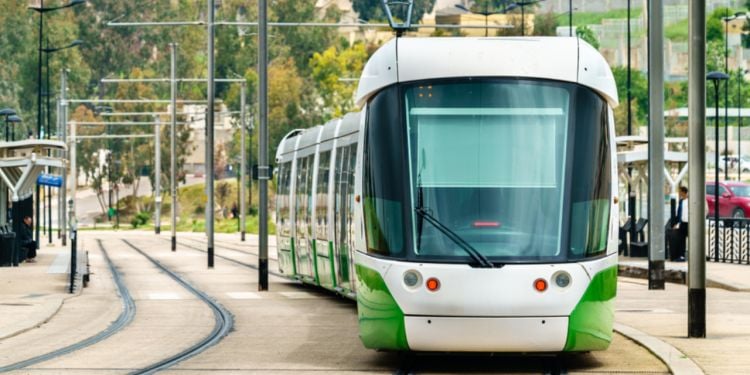
Transport in Algiers
To get around Algiers, you can choose from different means of transport. Find out more about these in this article.
Cost of Living
Algiers offers a significantly lower cost of living compared to Western capitals, making it attractive for expatriates seeking to maximize savings. However, prices for imported goods and international school tuition can be substantial. The official exchange rate differs from parallel market rates, affecting purchasing power for imported products.
Monthly Budget Estimates
Budget requirements vary based on lifestyle choices, housing location, and family size. The following tables provide realistic estimates based on Numbeo data and expatriate reports for 2024-2025.
Expense Category | Single Person (Monthly) |
Rent (1-bedroom, city center) | $300 |
Utilities (electricity, water, gas) | $50 |
Groceries and food | $200 |
Transportation (pass + occasional taxi) | $50 |
Internet and mobile phone | $40 |
Leisure and dining out | $150 |
Total (excluding rent) | $490 |
Total (including rent) | $790 |
Expense Category | Family of Four (Monthly) |
Rent (3-bedroom, good area) | $800 |
Utilities | $80 |
Groceries and food | $600 |
Transportation (car + fuel) | $200 |
School fees (2 children, international) | $4,000 |
Internet, mobile, TV | $70 |
Health insurance (private) | $300 |
Leisure and activities | $300 |
Total (excluding rent) | $5,550 |
Total (including rent) | $6,350 |
Sources: Numbeo Cost of Living in Algiers, Remote People - Algeria Cost of Living
Price Examples for Common Items
Basic groceries remain affordable: a liter of milk costs approximately $0.80, a dozen eggs $1.50, local cheese $6 per kg, chicken breast $4-5 per kg, and fresh bread $0.30-0.50. Local produce at markets is inexpensive, while imported products carry significant premiums. A meal at an inexpensive restaurant costs $4-7, mid-range dining for two runs $25-40, and coffee at a café is $1-2. A liter of gasoline costs approximately $0.30, making private transportation economical. Cinema tickets are $3-5, and gym memberships range from $20-50 monthly.
In Short
Algiers presents a unique expatriate destination where Mediterranean coastal living meets North African culture and growing economic opportunities. The capital offers affordable housing, modern infrastructure including metro and tramway systems, rich historical heritage from the UNESCO-listed Kasbah to world-class museums, and proximity to stunning beaches. While navigating bureaucracy and limited international school options present challenges, the city rewards residents with low living costs, diverse cultural experiences, and access to Algeria's expanding hydrocarbon and construction sectors. Whether you're drawn by professional opportunities or cultural exploration, Algiers provides an authentic North African experience with modern amenities. Connect with fellow expatriates and share your experiences on the Expat.com Algiers forum to make the most of your time in this captivating Mediterranean capital.
We do our best to provide accurate and up to date information. However, if you have noticed any inaccuracies in this content, please contact us.


Essential services for your expat journey



