

The emirate recently introduced sweeping changes to school life: junk food is now banned. The change affects both public and private schools, including international schools. And it brings up an interesting question: what are our kids actually eating? Especially when no one is watching.
How to help your kids adapt to new food abroad
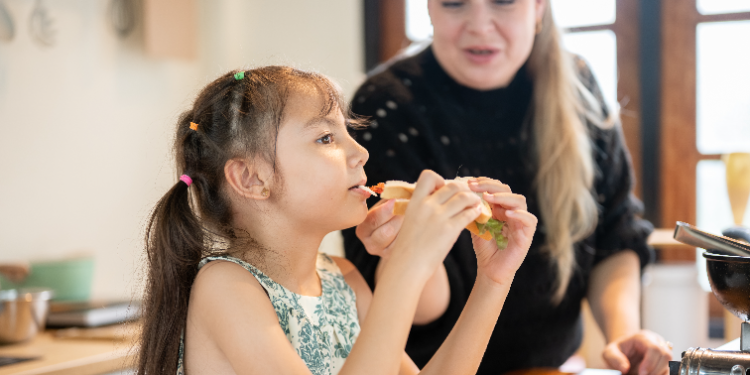 © bongkarnThanyakij / Envato Elements
Imagine your kid's school bans junk food in the cafeteria. That's good, right? But what if they also start monitoring what you have packed for your child's lunch? No more sugary drinks, processed snacks, fried foods, and sweets. So, those little treats you were adding to your kid's lunch to cheer them up, or a familiar snack from home, are no longer allowed. This is not an imaginary situation but the reality for parents in Abu Dhabi.
In this article
From lunch box to culture shock
Food is often one of the first culture shocks for expats moving abroad. But as adults, we tend to complain a bit and adapt a lot. But when it comes to our children, we tend to be much less flexible. Many parents today have very strong opinions about what their children should eat. Some of these are cultural, others are guided by our understanding of what's healthy. But let's be honest: the concept of what is healthy has changed a lot – and is still changing. Just in January of 2026, the food pyramid was flipped upside down to prioritize protein and fat over carbohydrates.
And if you think that the idea of what children should eat is pretty homogeneous across the world, this is not something to rely on either.
For example, in Japan, school lunches (known as kyūshoku) are balanced and organized. A typical meal includes rice or noodles, grilled fish or meat, vegetables, soup, and milk. Students usually eat together in the classroom and are encouraged to finish everything on their plate.
In Sweden, school lunches are free for all and follow strict nutrition guidelines: grains are whole, there is minimal sugar and a lot of protein. The default drink is …water.
The US is known for taking a very different approach. School cafeterias offer the ultimate freedom: pizza, burgers, pasta…right alongside healthier options like coleslaw and steak. Packed lunches are also very popular — there is a whole TikTok niche of parents assembling overly elaborate or overly simple lunches for their children, and comment sections to match. And while there are approved nutritional guidelines to follow, a lot of schools and parents choose to stay flexible.
In France, school lunches are a sit-down meal with several courses. These usually include a starter, main dish, cheese, and dessert.
Then again, I am currently in Algeria, and here kids are allowed to eat pretty much whatever they want, and school snacks often include a pack of cookies, chocolate milk, juice boxes, and sugary yogurts.
Join the community
Get regular tips and advice to make the most of your expat life
Expat kids and a new diet
For expat children, the issue of food and school lunches is often complicated. Whether you are three or thirty, food is often about comfort. In times of stress, specifically, we turn to what we call "comfort food", something easy and familiar.
For children already going through a lot of adjustment after relocation, food can be that much-needed anchor to what they know and understand. But then they go to school and are faced with yet another change: new food items, somewhat strange flavor combinations, their peers buying entirely different snacks… All of this can get a bit too much.
What children do to cope with these major changes typically follows two very distinct scenarios: they either dive right into the local "fun" foods under the guidance of their classmates, or they lock themselves into what they know and prefer, home-cooked food and packed lunches. Both of these extremes can be pretty difficult for parents to keep up with.
So, what do you do?
How to manage a child's diet abroad
For a lot of expats, this process is one of trial and error. There is no one answer or solution. Kids are different, and countries too. And while some may take to the new foods right away, others never really accept a new lifestyle fully. This will also depend a lot on how old your kids are.
"When we moved from Brazil to China, our daughter was three. In Brazil, we like sweets and pastries for breakfast. Pão de queijo (*cheese bread) is a must. Lots of fruit, yogurts too. Our daughter started in a kindergarten in China, and here the breakfast is, no offense, very bland, at least for small children. Some rice porridge with water and steamed buns. I thought it would be a problem, but for our daughter, the steamed pastries looked like pão de queijo back home, so she loved them. Apparently, it was about how things looked for her", shares Paula, a Brazilian expat in China.
For others, the adjustment is not so easy. As Winston, a former US expat in China, puts it: "We moved back to Phoenix during the pandemic. Our kids were 10 and 13, and they had lived in China all their lives, with only short trips to the US. Food-wise, it was a big change for my wife too (*Winston's wife is Chinese). In China, there is an emphasis on everything being fresh. Before we moved back, my kids had never seen a TV dinner. Of course, when they went to school, they started eating differently. The food did not really work for them at first; they even had some minor stomach issues. My wife insisted on cooking Chinese food at home every day, and it took a few months for us to get this into some kind of routine: they are allowed a few fast food snacks at school but at home they eat the way they used to".
In a lot of our articles on food adjustments, the United States comes up a lot. It seems that, while fast and processed foods look interesting in movies and commercials, many expats from other parts of the world struggle with food quality and prices. And when it comes to children's diets, parents tend to be particularly sensitive.
So, what can parents do?
The first thing a lot of parents note is that, eventually, things do work out. The problem with this is that it probably won't happen on your timeline. Your child may go through all the stages of expat life when it comes to food: from honeymoon through culture shock and adjustment, all the way to acceptance. But they will do this on their own time.
What works here is patience. Allow for at least a few months of inconsistency and don't overreact if things don't go as planned. You can use this time to track patterns in your child's eating habits and explore your new gastronomic environment.
Do your research and negotiate. For example, you may ask the school for the lunch menu ahead of time and go through it with your child. You can explain the dishes that are new, and if there is something that your child doesn't like, you can consider packing something in their lunch as a replacement.
Consider creating a bridge menu. Instead of focusing on just trying the new food or sticking to what's familiar, you can build a bridge. It can be a fun activity for the whole family: coming up with fusion recipes made with what is new and what you know.
A bit of junk food is not that bad. It's ironic, but the more restrictive a diet is, the more temptation there may be to get into the bad food. Trying to eliminate junk food completely can backfire, and your child may simply learn a smart way to sneak around to get what they want anyway.
Consider a lighter approach: allow for a few "fun" food items throughout the week and define what they are and where your child will have them.
But now let's get back to Abu Dhabi. While understandable, the new lunch guidelines can strike a nerve with some parents. It makes things more complicated, and parents may need to get a bit more creative. You can try accepting the guidelines, but in your own way, with the foods that are familiar. Or, you can keep to the guidelines 90% of the time, but add a comfort anchor, a food your child loves, to keep them happy.
But what do you think? Do you find the initiatives taken by schools in Abu Dhabi helpful, or do they complicate things?

Comments
Essential services for your expat journey

Choose the best health insurance
Protect your health and get easy access to treatment for expats.

Plan your international move
Facilitate your move by getting a quote from our top rated movers.

Open a bank account that suits you
Discover the best international banks to manage your money securely.

Send money overseas at the best rate
For fast, safe and secure money transfers.
Further reading
Returning home with children born abroad
How to thrive as a family with kids in Mauritius
How to travel legally with your minor child following a separation
How to help your child thrive in an overseas school
How to help your expat child deal with bullying
How companies abroad are revolutionizing childcare for expats
How to plan your move abroad with teenagers
How to plan your move abroad as a single parent with kids
Expat parenting tips: How to succeed when relocating abroad with children
Join the community
Get regular tips and advice to make the most of your expat life