

 Guide updated by Charlotte Hoareau on 17 December 2025
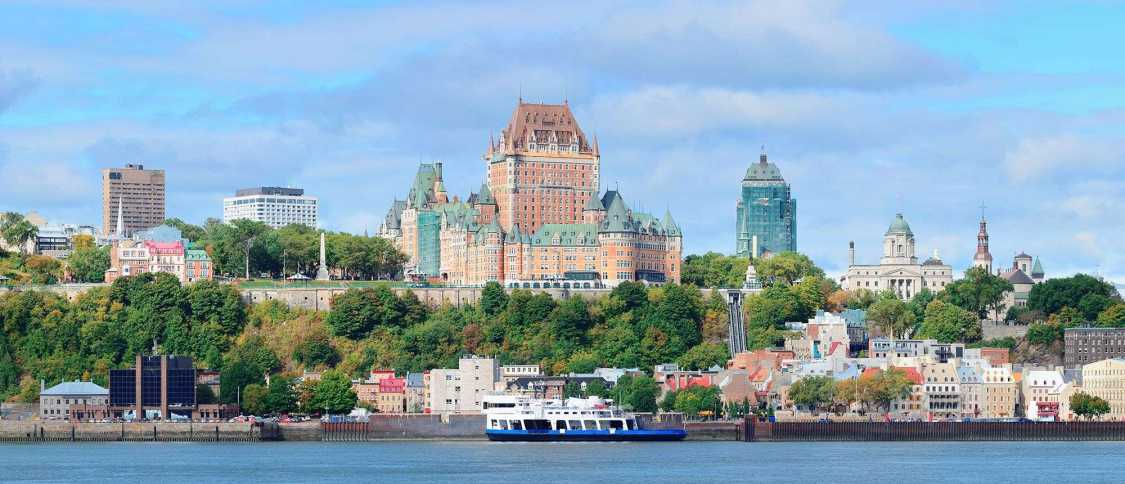
Quebec, Canada's largest province, spans from the vibrant metropolis of Montreal to the historic charm of Quebec City, extending across vast wilderness and French-speaking communities. Home to approximately 9.1 million people, Quebec combines European heritage with North American opportunity. As Canada's French cultural heartland, the province maintains a cosmopolitan outlook, hosting major cities, pristine national parks, and thriving economic sectors from aerospace to technology.
Quebec's economy ranks among Canada's strongest, with Montreal as the economic center accounting for over half the province's GDP. The province has significantly lower living costs compared to Toronto or Vancouver, alongside comprehensive public services, universal healthcare, and subsidized childcare. Quebec's distinct French-language culture, world-class universities, and abundant natural resources create exceptional quality of life across urban and rural communities.
5 good reasons to move to Quebec Province
- Natural beauty and outdoor access: Quebec’s stunning landscapes, from the St. Lawrence River to vast wilderness areas, offer year‑round recreation including skiing, hiking, whale watching, and kayaking, with numerous protected parks and reserves throughout the province.
- Affordable living costs: Housing, education, and daily expenses are substantially lower than other major Canadian provinces, with Montreal and Quebec City both ranking as affordable metropolitan areas.
- Exceptional cultural richness: UNESCO World Heritage Sites, world-renowned festivals like Montreal's Jazz Festival and Quebec City's Winter Carnival, and vibrant arts scenes throughout the province.
- Robust job market: Diverse sectors including aerospace, technology, artificial intelligence, video games, pharmaceuticals, and renewable energy, plus public administration opportunities concentrated in the capital.
- Outstanding education: World-class universities including McGill, Université de Montréal, Concordia, and Université Laval, with competitive tuition rates and strong research programs.
Source: World Population Review
Your setup journey
Guide in 12 steps. Click any step below to jump directly to the section you need.
01Formalities and visas in Quebec
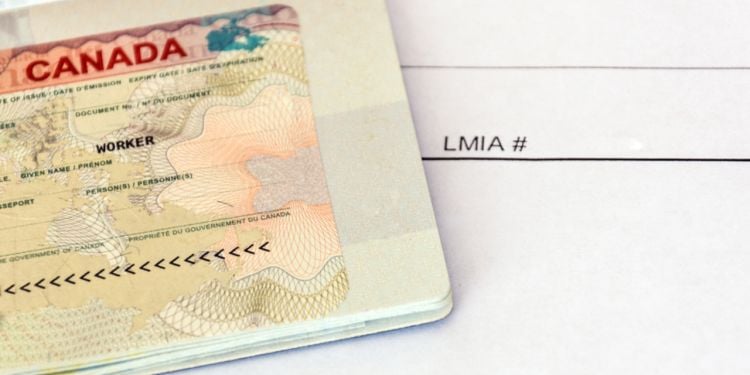
All you need to know to enter Quebec and settle in. Learn entry requirements, the documents you need, how to apply for a visa or residency, and tips to navigate the bureaucracy smoothly.




02Working in Quebec
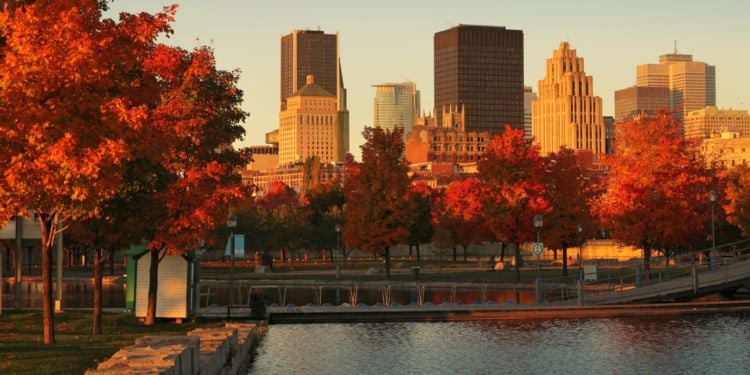
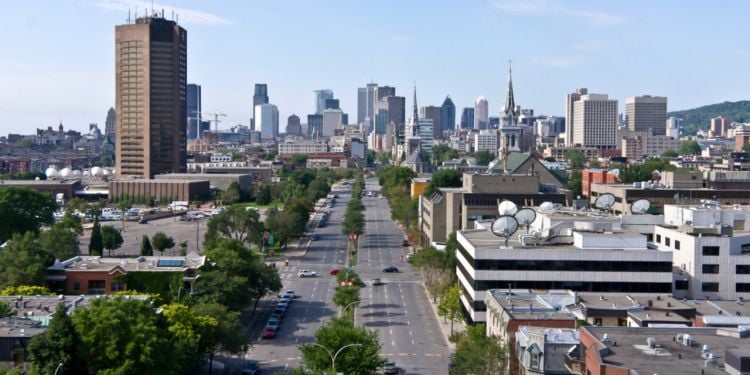
Quebec boasts a diversified economy deeply integrated with both Canadian and U.S. markets. While the manufacturing and service sectors form its backbone—centered primarily in Montreal—the province is also known for high-growth industries like aerospace, technology, life sciences, and finance. This economic strength is distributed across regional hubs such as Quebec City, Gatineau, and Sherbrooke, each contributing unique specializations that help Quebec maintain one of the lowest unemployment rates in the country.
Key employment sectors
Montreal is one of the world’s leading aerospace hubs, with major contractors and manufacturers concentrated in the Greater Montreal area. Technology is a major part of Quebec’s economy, with strengths in artificial intelligence, video game development, and information technology. Montreal’s AI sector is recognized internationally.
Healthcare is a major employer throughout Quebec, creating demand for doctors, nurses, and allied health professionals. Public administration, centered in Quebec City, supports numerous ministries and crown corporations. The manufacturing sector encompasses transportation equipment, pharmaceuticals, biotechnology, food processing, and aluminum, while life sciences includes hundreds of companies. Montreal also hosts a well-established financial services industry, including insurance and fintec
Work permits and requirements
Foreign workers must obtain a Quebec Acceptance Certificate (CAQ) before applying for a federal work permit. The CAQ application is processed through the ARRIMA platform managed by the Ministry of Immigration, Francisation and Integration (MIFI). Employers typically assist with the CAQ application, which requires a valid employment contract, educational credentials, and proof of professional experience. Temporary foreign workers who have worked in Quebec for three years must demonstrate level 4 oral French proficiency to renew their permits, with exemptions for agricultural workers and certain international employees.
Unemployment rate | 5.1% |
Average monthly salary (net) | CA$ 3,779 |
Key sectors | Aerospace, healthcare, technology |
Data correct as of December 2025.
Sources: Institut de la statistique du Québec, Numbeo
Discover more

Join the discussion on the forum
03Housing & neighborhoods
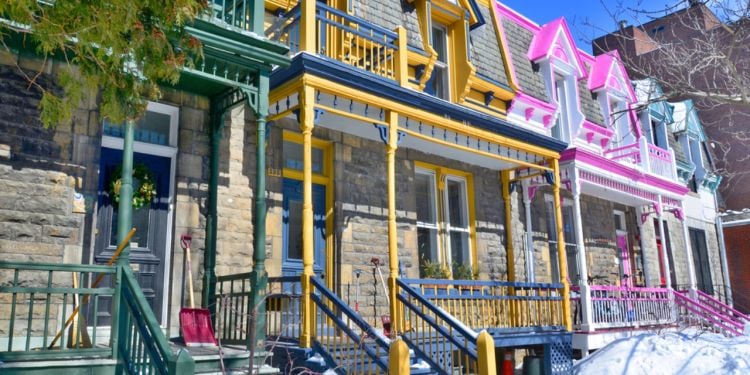
Housing in Quebec is generally much more affordable than in Toronto or Vancouver. Costs vary across the province: Montreal and Quebec City offer reasonably priced options compared with other major Canadian cities, while smaller towns and rural areas are even more budget-friendly. Rental properties include everything from historic apartments in city centers to modern homes in suburban neighborhoods.
Where expats live
Montreal attracts expatriates to neighborhoods like the Plateau Mont-Royal, known for its artistic community and cafés. Outremont appeals to families seeking excellent schools and parks. Westmount and Notre-Dame-de-Grâce provide English-speaking communities. Downtown and Griffintown attract professionals with modern condominiums.
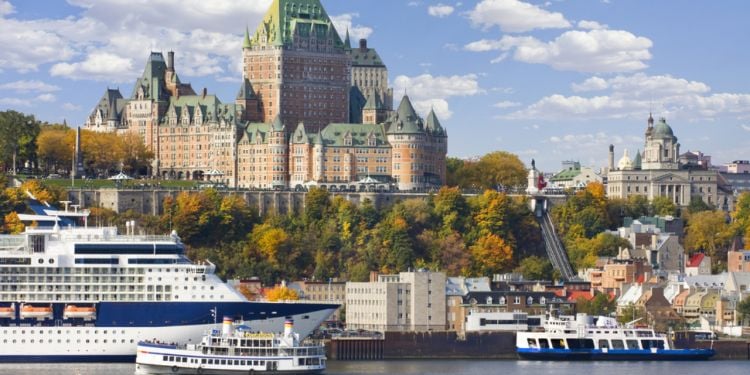
Quebec City expatriates favor Sainte-Foy–Sillery–Cap-Rouge for proximity to Université Laval, shopping centers, and parks. This district provides schools and family-oriented living. Limoilou has emerged as a trendy neighborhood with local cafés and artistic spirit. Charlesbourg provides quiet, residential living with traditional architecture.
Gatineau, across the river from Ottawa, attracts federal government employees and bilingual professionals. Sherbrooke and the Eastern Townships draw expatriates seeking smaller-city living with access to mountains and lakes.
Rental Process
Most leases run for 12 months starting July 1st, aligning with the traditional moving day. Landlords typically require the first month's rent and may ask for references and proof of income. Rent increases are regulated and must follow official guidelines. Utilities are usually not included in rent. Rental listings can be found through websites like DuProprio, Centris, and Kijiji.
One-bedroom apartment in the city center - Quebec City | CA$1,049 – $1,640/month |
Three-bedroom apartment in the city center - Quebec City | CA$1,600 – $2,660/month |
Data correct as of December 2025.
Source: Numbeo
Discover more
04Cost of living
The cost of living in Quebec is one of the most affordable in Canada, offering excellent value for expatriates. While the province has higher income taxes than some other Canadian provinces, residents benefit from subsidized services including childcare, education, and healthcare.
Monthly expenses for a single person
Rent of a one-bedroom apartment (city center) | CA$ 950 - $2,000 |
Utilities | CA$ 80 – $238 |
Groceries | CA$ 300 – $500 |
Data correct as of December 2025.
Monthly expenses for a family of four
Rent of a three-bedroom apartment (city center) | CA$ 1,500 - $3,100 |
Utilities | CA$ 250 – $500 |
Groceries | CA$ 1,000 – $1,400 |
Data correct as of December 2025.
05Health care in Quebec
Understand the healthcare system in Quebec: public and private health system, health insurance options, how to access medical care...
Discover more

06Finance and banks in Quebec
Tips to manage your money in Quebec: from opening a bank account, transferring funds to filling your tax and understanding the fiscal system.


07Higher education & universities
Quebec's higher education system features both English and French‑language universities, competitive tuition rates for residents, and strong research programs. Several institutions rank among Canada’s top universities.
Universities
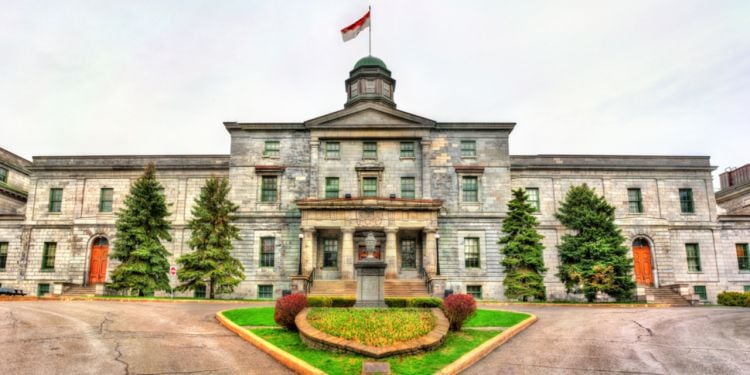
McGill University in Montreal is one of Canada’s leading research universities, with programs taught in English. Founded in 1821, it attracts students from around the world and has a strong record in medicine, law, and the sciences.
Université de Montréal is a major French‑language research university, with affiliated schools including HEC Montréal for business and Polytechnique Montréal for engineering. Instruction is primarily in French, and the university receives substantial research funding annually.
Concordia University, also in Montreal, offers hundreds of English‑taught programs across multiple faculties, including the John Molson School of Business, engineering, and fine arts. It serves tens of thousands of students and hosts numerous research centers.
Université Laval in Quebec City, founded in 1663, is Canada’s oldest French-language university. It provides a broad range of programs across multiple faculties and is recognized for research in areas such as sustainable development, health sciences, and engineering. Select programs are available in English.
Admission process
International students must first obtain admission from their chosen institution, then apply for a Quebec Acceptance Certificate (CAQ) through the Ministry of Immigration website. Processing typically takes several weeks to a few months. After receiving the CAQ, students apply for a Canadian study permit from Immigration, Refugees and Citizenship Canada (IRCC). Study permits automatically include permission to work part-time during semesters and full-time during breaks. Many programs qualify for the Post-Graduation Work Permit (PGWP), allowing graduates to work in Canada for up to three years after completing their studies.
Sources: Université Laval, Government of Quebec
Discover more
08Schooling for children
Quebec's education system is unique in Canada, with mandatory French-language instruction in public schools for most residents under Bill 101. However, expatriates and temporary residents can access English-language education through specific school boards or private institutions. The province offers subsidized childcare through the public system, though spaces are limited and waiting lists exist.
English-language public and private schools
English-language school boards operate throughout Quebec, managing schools from kindergarten through Secondary 5.
Eligibility for English public schools typically requires that at least one parent received English-language education in Canada, or the child or sibling received substantial English education in Canada. Temporary residents with work or study permits may qualify for temporary authorization, though recent legislation limits renewals to a maximum of three years. Children with serious learning disabilities or those in humanitarian situations may receive special authorization.
Private English-language schools that do not receive government subsidies can accept students without certificates of eligibility. These schools rely solely on tuition and typically charge higher rates. Notable institutions include The Study, Lower Canada College, Selwyn House, and St. George's School in Montreal.
Enrollment process
Parents must contact their chosen school board or institution directly. For public English schools, families need proof of eligibility including birth certificates and proof of parent's education. International students require a CAQ and Canadian study permit. The school year runs from late August to late June. Registration typically begins in January for the following September.
Sources: Central Quebec School Board, Government of Quebec Education
09Planning your move to Quebec
Moving to Quebec? Get advice and tips to planning your relocation, choosing the best company, packing your belongings and managing customs procedures.
Discover more


Join the discussion on the forum
10Daily life
Living in Quebec Province means adapting to a French-speaking environment. Life takes different rhythms depending on whether you’re in vibrant urban centers like Montreal and Quebec City, quieter mid-sized towns, or remote rural communities.
Getting around
Montreal has an extensive public transit system managed by the STM (Société de transport de Montréal, the city’s metro and bus agency), including four metro lines and a comprehensive bus network. The new REM light rail links downtown with the airport and surrounding suburbs. The BIXI bike-share system runs mainly from April to November, with limited year-round service in some areas, and the city’s extensive bike lanes make cycling a practical option.
Quebec City is served by the RTC bus network, including Métrobus rapid transit lines. The city has no metro system, but its historic center is highly walkable, with pedestrian-only streets in Old Quebec. The àVélo bike-share system operates seasonally, providing electric bikes for short trips around the city.
Smaller cities such as Gatineau, Sherbrooke, and Saguenay have local bus networks, while VIA Rail provides train connections between Montreal, Quebec City, and Toronto. Long-distance buses also link communities across the province. Outside urban areas, most residents and expatriates rely on personal vehicles.
Lifestyle and cultural habits
Speaking French opens doors to both daily life and career opportunities throughout Quebec. The province proudly celebrates its culture, with Saint-Jean-Baptiste Day on June 24th as a highlight. Food is central to Quebecois life, where bistros, cafés, and markets showcase local ingredients and French culinary traditions—think tourtière, poutine, maple treats, and Montreal-style bagels.
Sources: RTC Quebec City Transit, Quebec City Tourism




11Leisure, culture & things to do
Quebec Province provides exceptional cultural programming, outdoor recreation, and year-round festivals celebrating its French heritage. From Montreal's Jazz Festival to Quebec City's Winter Carnival, from the Gaspé Peninsula's coastal beauty to the northern wilderness, the province transforms with each season.
Museums and cultural attractions
Montreal hosts several world-class museums. The Montreal Museum of Fine Arts houses an extensive collection spanning antiquity to contemporary art. The McCord Stewart Museum explores social history and Indigenous cultures. The Biodôme recreates four Americas ecosystems, while the Planetarium immerses visitors in the wonders of the Universe.
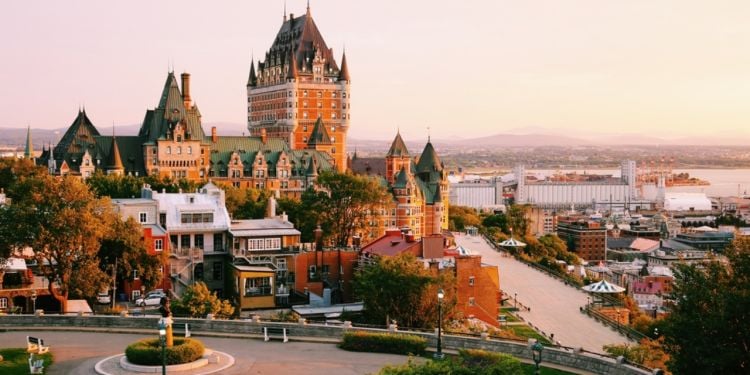
Quebec City's Musée national des beaux-arts du Québec is the province's premier art museum, housing a vast collection across several pavilions. The Musée de la civilisation explores Indigenous heritage and evolution. Old Quebec functions as a living museum, with fortified walls designated a UNESCO World Heritage Site.
Regional museums throughout the province preserve local history, from the Canadian Museum of History in Gatineau to maritime museums along the St. Lawrence.
Parks and outdoor activities
Quebec operates dozens of provincial parks. Mont-Tremblant National Park, north of Montreal, provides extensive terrain for hiking, mountain biking, and water sports. Jacques-Cartier National Park features the spectacular Jacques-Cartier River valley.
The Saguenay Fjord National Park protects one of the world's longest fjords. Whale watching from Tadoussac attracts visitors worldwide. The Gaspé Peninsula provides dramatic coastal scenery, with Forillon National Park featuring sea cliffs and marine wildlife.
Sources: Quebec City Tourism, MNBAQ
Discover more

12In short
Quebec offers expatriates a uniquely Canadian experience, where European heritage meets North American opportunity, French culture flourishes alongside bilingual communities, and vast wilderness surrounds vibrant cities. With affordable living, diverse jobs across sectors from aerospace to technology, and comprehensive public services, the province provides an exceptional quality of life. Rich cultural programming, from UNESCO World Heritage Sites to world-class festivals, a four-season climate with abundant outdoor recreation, and a welcoming attitude toward newcomers make it easy to build meaningful connections while exploring everything from Old Quebec’s cobblestone streets to the northern wilderness. Join fellow expatriates on the Expat.com Quebec forum to connect with the community, ask questions, and share experiences about living in this remarkable region.
Join the Quebec community
Get regular tips and advice to make the most of your expat life
Essential services for your expat journey







Forum topics on living in Quebec
Discover forums topics on expat life in Quebec: join the conversation, ask your questions, get advice and share your experience.
- Saudi Airlines middle name missing on ticket
- Immigrating to Canada
- The afterwork culture in Canada
- Weight loss tips?
- New members of the Canada forum, introduce yourselves here - 2023
- Companies hiring foreigners in canada
- Prince Edward Island (Anyone here?!)
- Sense of humour in Canada
- Can you have a Canadian Bank Account if Non-Resident?
- Looking for a permanent Makeup Cosmetic job
- Where can I get Transvaal College of Education Academic Transcripts?
- Finding reliable immigration consultants in Muscat,Oman
- U.K. Plumber in Canada
- Beware of Fraudulent Immigrations Consultants
- Cooking like a local in Canada
- hello Canada, greetings from Jeddah!