

 Guide updated by Lama Al-Haqhaq on 24 April 2026
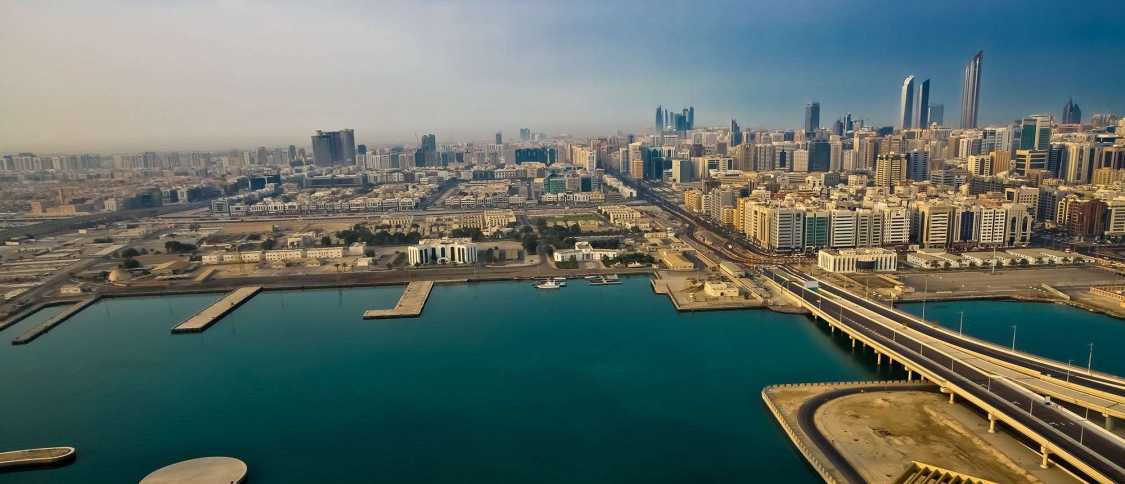
Abu Dhabi – the capital of the United Arab Emirates – is not just a political hub but a major cultural and administrative center. Residents enjoy a remarkably safe environment, underpinned by a modern infrastructure, and world-class public services. The city’s warm, sunny climate encourages an outdoor lifestyle: from its beaches and parks to its museums and family-oriented neighborhoods.
5 good reasons to move to Abu Dhabi
- Abu Dhabi is often ranked as one of the safest cities in the world.
- Most workers enjoy tax-free salaries, leaving more to save or spend.
- Good public healthcare with plenty of private options to choose from.
- Top-tier schools and universities offering a range of international programs.
- Modern homes and convenient transport in well-planned, connected neighborhoods.
Your setup journey
Guide in 9 steps. Click any step below to jump directly to the section you need.
01Working in Abu Dhabi
If you're planning to work in Abu Dhabi, you'll find opportunities in energy (oil, gas, and renewables), healthcare, education, finance, and a growing tech and research sector. Employment is regulated by both federal and emirate-level laws, with most expats on employer-sponsored residence visas.
Key industries and employers
Major employers include oil & gas, finance, healthcare, education, and real estate, while the city is investing heavily in clean energy and research through institutions like Khalifa University, MBZUAI, and the Technology Innovation Institute.
Work permits and visas
Most expats hold an employment visa arranged by their employer, which covers the work permit and residency. Freelancers or entrepreneurs require a free zone permit, mainland commercial license, or Green Visa to work independently.
Unemployment rate (UAE) | 2.13% |
Average monthly salary (net) | AED 11,659 |
Top sectors for employment | Technology, healthcare and engineering |
Date correct as of November 2025.
Sources: Trading Economics, Numbeo


Join the discussion on the forum
02Housing & neighbourhoods in Abu Dhabi
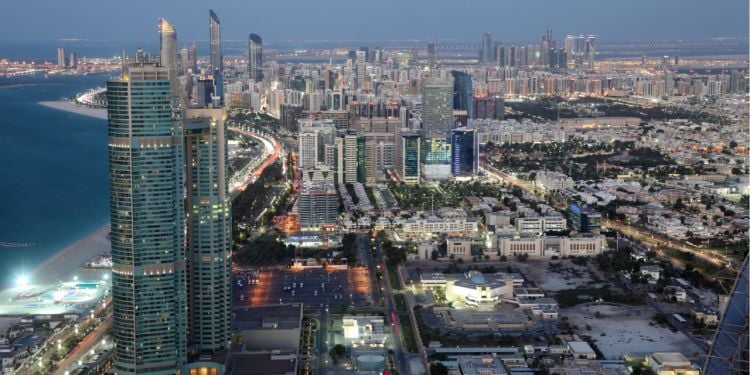
Housing in Abu Dhabi ranges from high-rise apartments to villa communities and gated compounds. Most expats choose neighborhoods that make daily life easy, with quick access to work, schools and shopping.
Where expats live
Al Reem Island, Al Raha, Khalifa City and Yas Island are among the most popular areas for expats. These areas offer a mix of apartments, villas and family-focused compounds. High-rise towers on Al Reem attract professionals who want shorter commutes, while villa communities in places like Khalifa City appeal to families who want more space and shared facilities.
Rent prices and rental process
Rental prices in Abu Dhabi vary depending on location, size, and property finish. Most landlords request a security deposit and rent paid in several installments, traditionally by post-dated cheques, though digital payments are becoming more common. Lease terms typically run for one year, and real estate agents usually handle viewings and paperwork.
1-bedroom apartment (city center) | AED 4,000–8,300 / month |
3-bedroom apartment (city center) | AED 8,000–18,300 / month |
Data correct as of November 2025.
Source: Numbeo
Discover more


03Daily life & cost of living in Abu Dhabi
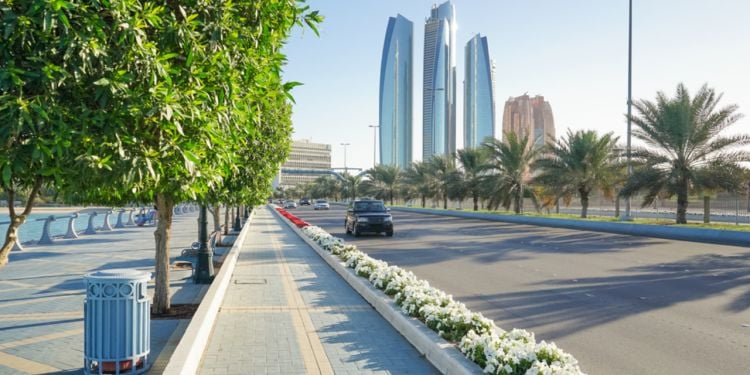
The cost of living in Abu Dhabi is generally considered high compared with many other cities, especially for housing, schooling, and dining out. Day-to-day expenses like groceries and transport are more moderate, but overall it ranks as an expensive city for expats.
Monthly expenses for a single person
Rent (1-bedroom apartment outside the city center) | AED 3,000–6,000 |
Utilities | AED 390–1,000 |
Groceries | AED 800–1,200 |
Data correct as of November 2025.
Monthly expenses for a family of four
Rent (3-bedroom apartment outside the city center) | AED 6,000 to 15,000 |
Utilities | AED 1,500 to 2,500 |
Groceries | AED 2,500 to 3,500 |
Data correct as of November 2025.
Sources: Numbeo, UtilitybillUAE
Join the discussion on the forum
04Healthcare in Abu Dhabi
Abu Dhabi offers a high standard of healthcare, combining modern facilities with internationally trained medical professionals. Expats can access both public and private services, with options tailored to different needs.
Public and private services
Public hospitals and clinics provide comprehensive care for residents, though expats often use private hospitals for shorter wait times and English-speaking staff. Major private providers include Cleveland Clinic Abu Dhabi, NMC Healthcare, and Mediclinic.
Health insurance and costs
Health insurance is mandatory for all residents. Employers usually provide coverage for employees, while family members may need separate plans. Private healthcare costs are higher, but the quality of care and specialized services is among the best in the region.
Sources: Cleveland Clinic Abu Dhabi, NMC Healthcare, Mediclinic
05Higher education & universities in Abu Dhabi
Abu Dhabi hosts several internationally recognized universities and branch campuses. Programs range from engineering and sciences to arts and business; many courses are taught in English and accept international applicants.
Main universities
NYUAD is known for its highly selective liberal arts curriculum, Khalifa University is a leading research hub with a focus on engineering and medicine, and Abu Dhabi University offers a broad mix of accredited professional degrees across business, law, and health sciences.
Tuition, programs and admissions
Tuition rates vary significantly by program and residency status. For example, international undergraduate tuition at Abu Dhabi University typically ranges from AED 46,500 to AED 61,000 per year. Khalifa University charges approximately AED 2,500 per credit hour for undergraduates, while NYU Abu Dhabi's annual tuition is around AED 241,000. Applicants generally need to provide secondary-school qualifications and proof of English proficiency (such as TOEFL or IELTS) and must apply directly through the universities' online portals.
Sources: NYU Abu Dhabi, Khalifa University, Abu Dhabi University
Discover more

Join the discussion on the forum
06Schooling for children in Abu Dhabi
Families moving to Abu Dhabi can choose between public Emirati schools and a wide range of international schools offering British, American, IB, or other curricula. Admission procedures and tuition fees vary depending on the school and curriculum.
Types of schools
Public schools in Abu Dhabi follow the UAE national curriculum and teach mainly in Arabic, with English as a second language. Non-Emirati children may be accepted if space allows and are usually required to pay tuition fees. Most expat families choose private international schools offering British, American, or IB programs taught in English.
Admissions and fees
Schools typically ask for academic records, the student’s passport and visa, and vaccination certificates; many also require students to sit an entrance test. Annual tuition at top international schools generally ranges from AED 50,000 to AED 90,000, though some may go higher or lower depending on curriculum and grade level.
Sources: Repton School Abu Dhabi (fees), International Schools Database
Join the discussion on the forum
07Everyday life in Abu Dhabi
Life in Abu Dhabi offers a mix of modern convenience and a laid-back, cosmopolitan vibe. Getting around the city, exploring its neighborhoods, and settling in is relatively straightforward and hassle-free.
Getting around
Public buses form the backbone of Abu Dhabi’s transport system, with fares starting around AED 2. You can pay using a smart card, while taxis are widely available and regulated, making them a convenient option for most journeys.
Staying connected
Etisalat and du are the two main telecom providers, offering fibre-optic broadband, mobile plans, and visitor SIMs. Setting up an account requires a valid Emirates ID or passport with a visa, along with proof of residence. With these services in place, it’s easy to stay connected at home, at work, or on the move throughout the city.
Discover more

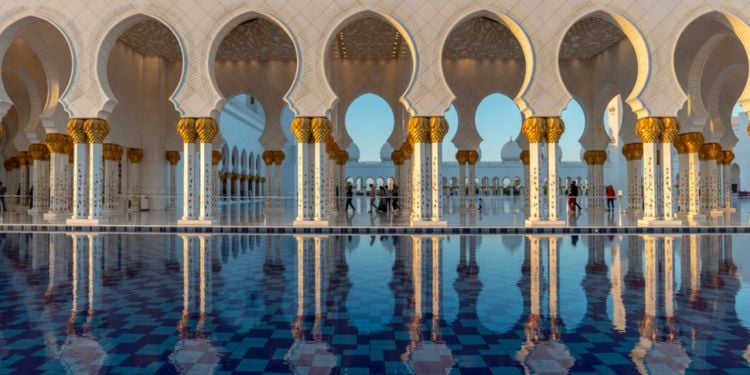




08Leisure, culture & things to do in Abu Dhabi
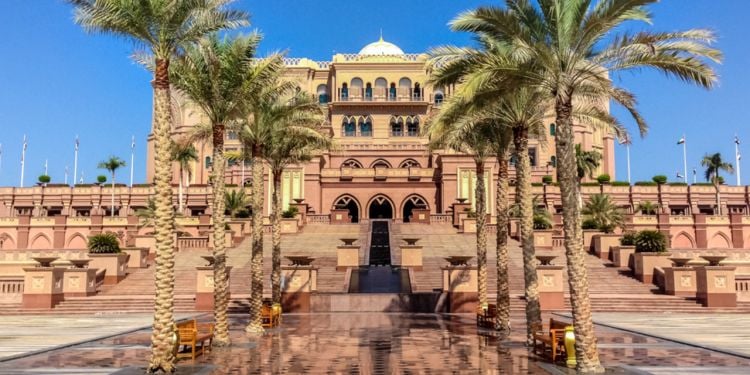
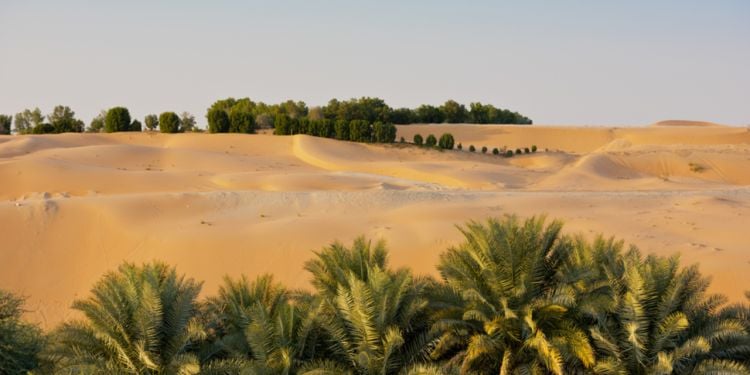
Abu Dhabi offers a vibrant mix of world-class museums, sandy shores, sports arenas and a packed calendar of cultural events. The biggest celebrations typically scheduled during the cooler months. With so many things to see and do in Abu Dhabi, there is no chance of being bored.
Cultural institutions and museums
The Louvre Abu Dhabi and Qasr Al Hosn are two of the city’s most iconic cultural landmarks. The Louvre showcases international art spanning numerous civilizations, while Qasr Al Hosn — Abu Dhabi’s oldest stone building — traces the city’s history from its early years through artefacts and interactive archives. The complex also includes the House of Artisans, where traditional Emirati craftsmanship is brought to life through workshops and performances.
Parks, sports and entertainment
Enjoy relaxing walks or beach time along the Corniche waterfront. On Yas Island, thrill-seekers and families alike can explore Ferrari World, Warner Bros. World and Yas Waterworld, while race fans flock to Yas Marina Circuit for major motorsport events. After dark, the city comes alive: restaurants, lounge bars and hotel venues buzz with energy, and licensed establishments serve alcohol.
Sources: Louvre Abu Dhabi, Qasr Al Hosn
Discover more


Join the discussion on the forum
09In short
Abu Dhabi’s strong economy, excellent infrastructure, and family-friendly environment make it one of the Gulf’s most appealing destinations for expats. Whether moving for work, study, or retirement, Abu Dhabi offers a comfortable and enjoyable lifestyle. If you want first-hand advice from residents, join the Expat.com Abu Dhab forum to ask questions and connect with people who have already made the move to the capital of the United Arab Emirates.
Join the Abu Dhabi community
Get regular tips and advice to make the most of your expat life
Essential services for your expat journey







Forum topics on living in Abu Dhabi
Discover forums topics on expat life in Abu Dhabi: join the conversation, ask your questions, get advice and share your experience.
- What does follow up in process mean in medical fitness search?
- Work Permit on Dependant visa with Old Tb Scar
- UAE Medical fitness certificate status
- ADEK PASS QUERY FOR A TEACHING JOB
- UAE: ADEK PASS rejection - re-apply?
- Holding residence permits of 2 GCC countries problem?
- NEW RULES LUNG SCAR IN UAE DUBAI
- What is third party rejection in DOH license activation?