

Living in Finland: the ultimate expat guide
Everything you need to know for a successful life in Finland.
Finland offers expats a unique blend of modern urban living and pristine natural landscapes, from vibrant cities to endless forests and lakes. Known for high living standards, reliable public services, and a strong social safety net, Finland also boasts excellent healthcare, safe streets, and efficient public transport — practical factors that make daily life smooth and predictable.
Finland is also a top choice for international students, drawing talent from across Europe and beyond. Its high-quality education system, innovative teaching methods, English-taught programs, and low tuition fees for EU students are complemented by a strong emphasis on research, technology, and inclusivity. Students and expats alike enjoy a safe environment that balances modern city life with easy access to nature, making Finland a practical and inspiring place to live and study.
Five compelling reasons to live in Finland
1. Strong public services
Finland provides accessible healthcare and education, with public schooling free through to university level for residents.
2. Work-life balance
Finnish work culture emphasizes reasonable hours, generous leave entitlements, and respect for personal time.
3. High safety and low crime
Finland is one of the safer countries in Europe, with low violent crime rates and reliable emergency services.
4. Natural environment and space
Forests and lakes cover large parts of the country, offering outdoor recreation and clean air.
5. Growing international community
The expatriate population and international networks are expanding, especially in cities like Helsinki, Turku, and Tampere.
Facts and figures
Population (October 2025) | 5.6 million |
Expat population (2024) | 411,101 |
Most common expat nationalities (2024) | Estonia, Ukraine, Russia, China, and the Philippines |
Typical temperatures | Summer: 15°C – 22°C (59°F – 72°F), winter: -10°C – 0°C (14°F – 32°F) |
Data correct as of December 2025
Sources:
Statistics Finland — population, and Statistics Finland — expat population and nationalities.
Formalities and visas in Finland
If you plan to move to Finland, you need to know which visa or residence permit applies to your stay. Short trips of up to 90 days fall under the Schengen visa, which allows travel across 26 European countries on a single permit. For longer stays — to work, study, or join family — most non‑EU/EEA citizens must apply for a residence permit through the Finnish Immigration Service. Applications are mostly online, but first‑time applicants must verify their identity in person. Processing times vary from a few weeks to several months, so early planning is key.
What you need to know
Short‑stay visas (Schengen visa)
A short‑stay visa lets most non‑visa‑exempt nationals stay in Finland and the Schengen area for up to 90 days. Applications are made at a Finnish embassy, consulate, or visa centre.
Online applications via Enter Finland
Most long‑stay residence permit applications are submitted through the Enter Finland portal. This service covers initial permits, extensions, and many categories of stay.
EU/EEA citizens
Citizens of the EU, Iceland, Liechtenstein, Norway, or Switzerland don’t need a visa but must register their right of residence for stays of more than 3 months.
Fast‑track options
Certain skilled workers and entrepreneurs can benefit from fast‑track processing, sometimes within two weeks if all documents are complete.
Useful links:
🔍To learn more
Visas for Finland
Regardless of your nationality, you may be able to work in Finland without a residence permit in some cases. For instance, if you've received an ...
Travelling to Finland
A member of the EU since 1995 but also one of the Schengen group of countries, Finland makes travelling a breeze for most nationals, though some may ...

How to drive in Finland
Driving in Finland is not without its challenges. Not so much because of the driving culture, which is mostly laid-back and friendly, or because of ...
Working in Finland
Finland’s job market is stable but currently challenging compared with some other EU countries. The unemployment rate is relatively high, and job vacancies are modest in number, reflecting slower economic growth and structural shifts in the labor market. At the same time, Finland offers high employment standards, strong worker protections, and good salaries in many sectors. Many expats are drawn to Finland because of its lifestyle, work–life balance, innovation economy, and opportunities in specialized fields.
Finnish employers place strong emphasis on relevant qualifications, proven work experience, and language skills. In sectors such as healthcare and public services, Finnish or Swedish is often essential, while in technology and international companies, English is usually sufficient at the start. That said, learning Finnish significantly improves long-term career prospects and integration.
A clear European-style CV, tailored to each role, is expected, and recruitment processes often involve several interview stages. Actively networking, attending recruitment fairs, and using public platforms such as Job Market Finland can make a real difference when searching for work.
In‑demand jobs
Information technology (IT): Developers, cybersecurity, and cloud specialists remain in demand.
Healthcare and social care: Nurses, doctors, practical nurses, and care workers.
Engineering and clean technology: Mechanical, electrical, and sustainability roles.
Education and research: Teachers, specialists, and academic professionals.
Logistics and supply chain: Transport coordinators, warehouse operations.
Hospitality and service sectors: Tourism and seasonal work.
Tips:
Understand Finnish work culture: Punctuality, direct communication, and respect for work–life balance are highly valued. Meetings are efficient, and hierarchical structures are flat. Adapting to this culture helps you stand out positively.
Facts and figures
Unemployment rate (October 2025) | 9.6% |
Employment rate (20-64) | 76% |
Largest employer by sector (2024) | Health and social work |
Data correct as of December 2025.
Sources:
Statistics Finland — unemployment, Statistics Finland — employment rate, and Statista — employed by industry.
🔍To learn more


Studying in Finland
Finland is a standout destination for international students because of its high‑quality education system, strong global rankings, and innovative teaching approach. Finnish universities combine rigorous academic standards with problem‑solving and interdisciplinary learning, preparing graduates for careers in Europe and beyond.
The University of Helsinki often ranks among the top 1 % of universities worldwide, and other institutions also feature in respected global rankings, particularly in technology, business, and sciences — a performance level competitive with many Western European destinations. Many programs are taught in English, and study conditions emphasize autonomy, critical thinking, and engagement in research.
Finland has become a hot spot for international students due to its reputation, the breadth of English‑taught programs, and supportive policies. Around 22,792 international students are enrolled in Finnish higher education, coming from across Europe, Asia, Africa, and the Americas, with China among the largest source countries. Student visas are generally straightforward for degree studies when the official entry criteria are met, and students can work part-time and seek post‑study opportunities.
Top universities in Finland
University of Helsinki: Finland’s oldest and largest university, ranked in the global top 100 and strong in research‑intensive fields.
Aalto University: Highly ranked Finnish university known for innovation, technology, design, and business, with a strong international student community.
University of Turku: Comprehensive university with diverse bachelor’s, master’s, and doctoral programs and a growing international profile.
Tips:
- Apply early and secure funding: Non-EU students pay tuition, but scholarships are widely available.
- Plan for cost of living and housing: Finland offers excellent student life, but housing is limited, and living costs are high—apply for student accommodation immediately.
- English is enough to study; Finnish helps you stay. Degrees run in English, but basic Finnish greatly improves daily life, part-time work, and integration.
🔍To learn more
Study in Finland
If you're an international student in Finland, chances are you'll be pleased with the education available. Finland's higher education system (touted ...
Finance and banks in Finland
Finland’s banking system is modern, stable, and highly digital. Banks offer full online and mobile banking platforms, and most everyday payments — including bills and transfers — are managed online rather than with cash. ATMs and bank branches are available in most towns and cities, but many expats find that online banking becomes their daily norm soon after arrival.
Opening a Finnish bank account is generally straightforward once you arrive. Still, you usually must open it in person with a valid ID and proof of residency — opening an online account with a local bank from abroad is typically not possible. Most major banks provide services in English, but it can take weeks to a few months to complete setup and receive cards and online access.
Tips:
Opening an account from abroad
You generally cannot open a traditional Finnish bank account before you arrive; banks require in-person identity verification with a passport and residency documents.
Digital banking is standard
Most banks provide English‑language online and mobile banking, and these tools are essential for paying bills and transferring money.
Cash and ATMs
Cash use in Finland is uncommon, but you can withdraw euros from ATMs across the country via the Otto interbank network using international cards.
Alternative digital options
If you need banking before your Finnish account is fully set up, many expats use digital or mobile banking services (like Revolut) to manage money temporarily.
🔍To learn more
Health care in Finland
Finland has a high-quality, largely public healthcare system. Care standards are strong compared with the EU average, particularly in hospitals and specialist care, though non-urgent appointments can involve long waits. Public healthcare fees are affordable and capped annually, and EU/EEA students or workers can also use a European Health Insurance Card (EHIC) for temporary stays.
Finding a GP is straightforward once you have a municipality of residence and a Kela card. Still, many expats supplement public care with private health insurance or clinics for faster access. Employers often provide occupational healthcare as part of work contracts, and English-language services are widely available.
What you need to know
- Emergency number: Call 112 for life‑threatening emergencies (ambulance, fire, police).
- Call 116 117 for urgent but non‑emergency health issues or advice before visiting a clinic. This service operates nationwide and is free of charge.
- Pharmacies: Medicines are sold only at licensed pharmacies. Electronic prescriptions allow you to pick up medication anywhere.
Useful links:
Kela — medical care and health insurance
🔍To learn more

The healthcare system in Finland
Ask any Finn for the cure to whatever ails you, and they will all probably make the same suggestion; go to a sauna. Indeed, that Finnish invention ...
Education and schools in Finland
Finland’s education system is widely regarded as one of the best in the world, offering high-quality teaching, a focus on wellbeing, and practical learning. Compulsory education starts at age seven and continues through nine years of comprehensive school. Public schools in Finland are free, including tuition, textbooks, school meals, healthcare, and support services, and this applies to both Finnish citizens and legally resident foreign children.
Some expat children attend local municipal schools, often with preparatory classes for non-Finnish/Swedish speakers. In larger cities, international and bilingual programs are also available, though spots can be limited, and some private international schools charge fees.
The Finnish school year typically runs from mid-August to late May or early June, with breaks for autumn, Christmas/New Year, winter, and summer holidays, but exact dates vary by municipality.
Tips:
• Register early with your local municipality — ensures your child is assigned to the nearest public school.
• Ask about preparatory education — supports non-Finnish/Swedish speaking children before joining mainstream classes.
• Explore international or bilingual options — early application is recommended in cities with high demand.
Useful link:
Accommodation in Finland
Finland’s housing market combines high standards with high demand — especially in cities like Helsinki, Espoo, and Tampere, where international job seekers and students cluster. Rents and property prices in major urban centers are above the EU average, and competition can be intense for well‑located flats. Outside the largest cities, housing tends to be more affordable and spacious, but there may be fewer jobs and services. Overall, housing costs often make up one of the biggest parts of an expat’s budget.
Expats in Finland can rent or buy, though renting is the most common start for newcomers. Rental homes are usually apartments, and leases often require a 1–2 month deposit with utilities and Internet added on top. Expats can buy property in Finland: EU/EEA citizens can buy freely, while non-EU/EEA citizens need a permit only when purchasing a house or land, not when buying an apartment.
What you need to know
Helsinki and other big cities are competitive — good rentals and affordable options go fast.
Explore outside city centers — rents and buying prices can be 30–40 % lower in smaller cities or suburbs, often with more space.
Understand buying rules — EU/EEA citizens have the same property rights as locals; non‑EU/EEA buyers need a ministry permit to buy homes on land.
Useful link:
Info Finland — housing in Finland
🔍To learn more
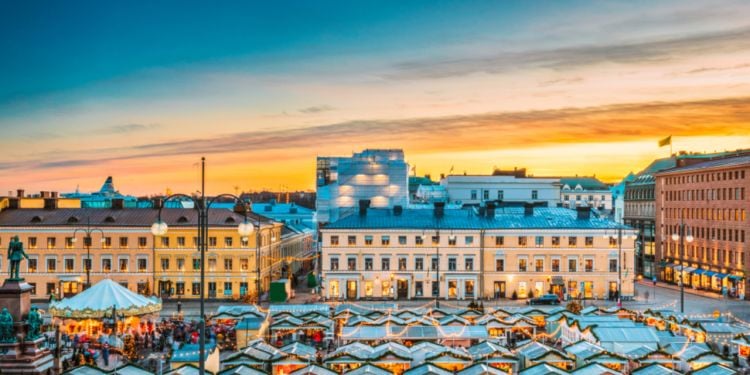
Accommodation in Finland
In Finland, it is actually more common to purchase a property instead of renting it. Finding good accommodation at a good price can be hard, ...
Planning your move to Finland
When you're preparing a move to Finland, shipping your belongings is one of the most important practical steps — and Finland's place in the European Union (EU) makes part of this easier. Finland's modern customs systems allow online declarations and structured import services, but proper documentation and timely submission are essential for a smooth arrival of your goods.
If you're moving from another EU country, household goods and personal effects generally enter Finland without customs declarations, duties, or VAT under EU internal market rules. From outside the EU, you can still import your used household items duty‑free and VAT‑free, provided you've lived outside the EU for at least 12 months, and the goods have been in your possession and use for at least six months before your move. You also need to declare them within 12 months of arrival.
Tips:
Be aware of restrictions and prohibitions: Items such as alcohol, tobacco, pets, plants, and certain electronics can have special rules or fees even when moving personal effects — always check the Finnish Customs guidance before shipping.
Understand EU vs non‑EU rules: If you move from another EU customs territory, you don't need to declare your household goods at Finnish Customs; they are generally admitted duty‑free without formal customs procedures. If you move from outside the EU, you must declare removal goods and meet conditions for duty/VAT relief.
Meet the 'used goods' conditions: Household items must be owned and used by you for at least six months and intended for personal use in Finland to qualify for duty‑free/VAT‑free status when moving from outside the EU.
Prepare the inventory and documents: A detailed inventory list in English, Finnish, or Swedish, a passport copy, and a Customs Declaration form 45 (if applicable) are key for customs clearance — new items or items not meeting the criteria may incur charges.
Declare within the time window: You can bring and clear your personal goods up to 12 months after arrival, but must declare them to Finnish Customs within that period. Failure to do so may lead to taxes and duties.
Useful links:
Customs — duty and exemption details
🔍To learn more
Relocating to Finland
International relocation is not easy. It requires plenty of research and thorough planning on your behalf -- and still, you need to be prepared for ...
Leisure in Finland
Finland is a playground for those who love nature, culture, activity, and unique experiences year-round. With vast forests, thousands of lakes, dramatic Arctic landscapes, and vibrant cities, leisure here ranges from peaceful to thrilling.
Sauna culture is legendary — there are more saunas than people, and enjoying one is considered both wellness and a social ritual. Finland’s seasons define much of its leisure life: endless summer days under the midnight sun invite boating, hiking, and island hopping, while winter turns the north into a snow adventure zone with skiing, snowmobiling, and a chance to see the Northern Lights. It’s a place where you can picnic on a UNESCO World Heritage fortress island, explore lively urban festivals and markets, or savor a quiet lakeside sunset.
Popular activities in Finland
Traditional saunas and cold dips: Finnish sauna culture is integral to wellbeing and social life.
Chasing the Northern Lights: Lapland offers some of the best aurora views in Europe, especially September–March.
Hiking and national parks: Over 40 parks with free trails and camping in pristine nature.
Cross‑country skiing and winter sports: A national pastime with world‑class tracks.
Island hopping and archipelago cruises: Explore Finland’s seaside and remote lighthouses.
🔍To learn more
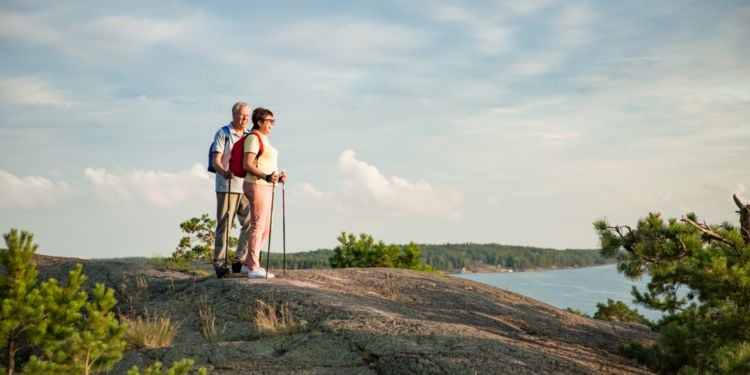
Leisure activities in Finland
Finland is a country of contrasts. Its vast wilderness and majestic landscapes will make you want to hop on a pair of skis or a kayak and start ...
Everyday life in Finland
Life in Finland blends modern convenience, high living standards, and close contact with nature. Public transport is reliable, and cities are clean and safe. Grocery shopping, healthcare, and banking are largely digital, making everyday tasks smooth and efficient.
Finns value privacy, punctuality, and honesty, and social interactions are often polite but reserved. Seasonal changes shape routines, with long summer days encouraging outdoor activity, and dark winters fostering cozy indoor life. Cafés, libraries, and sports facilities are popular social hubs, while the lakes, forests, and national parks provide constant opportunities for relaxation and exercise.
Local customs and habits
- Punctuality matters — arriving on time is expected in both professional and social settings.
- Sauna etiquette — traditional and widely used; usually nude, gender-specific, or private sessions.
- Quiet in public spaces — Finns value calm in public transport, restaurants, and libraries.
- Recycling and environmental awareness — strict recycling rules and eco-conscious practices are standard.
🔍To learn more
Travelling around Finland
Winters in Finland can be harsh and can make even the notion of travelling from point A to point B seem daunting. But you don't have to worry ...

Phones and internet in Finland
Finland takes technology and connectivity issues very seriously. This is a country where broadband access is guaranteed, by law, to everyone, even in ...

Childcare and early education in Finland
Finland is a good place to raise kids. With so much of its GPD going towards daycare and education, you know you'll have all the tools and resources ...
Cost of living in Finland
Finland is often seen as one of the pricier countries in Northern Europe, with a cost of living above the EU average. Daily essentials like groceries, dining out, and transport are more expensive than in neighboring countries such as Estonia or Poland, while housing in major cities like Helsinki or Espoo can take a large portion of an expat’s budget.
On the other hand, public services like healthcare, education, and high-quality public transport help balance living costs. Luxury goods and alcohol are also relatively costly, but the high standard of living, safety, and reliable infrastructure often make the price worth it for newcomers. Compared to other Nordic countries, Finland sits in the mid-to-high range, more affordable than Norway or Iceland, but pricier than Sweden or the Baltics.
Here is a general breakdown of average monthly expenses for different household types in Finland.
Monthly expenses
Single expat (per month) | Family of four (per month) | |
Rent (city center) | 1 bedroom: €1,100 (USD 1,180) | 3 bedroom: €2,500–3,500 (USD 2,680–3,750) |
Rent (suburbs) | 1 bedroom: €800–1,000 (USD 860–1,070) | 3 bedroom: €1,800–2,800 (USD 1,930–3,000) |
Utilities (electricity, water, gas, Internet) | €120–180 (USD 130–195) | €300–450 (USD 320–490) |
Groceries | €250–300 (USD 270–320) | €800–1,100 (USD 860–1,180) |
Public transport | €60–100 (USD 65–108) | €200–300 (USD 215–320) |
Dining out and entertainment | €200–300 (USD 215–320) | €600–1,000 (USD 645–1,080) |
Data correct as of December 2025
Source:
Outro
Moving to Finland is an exciting adventure, offering expats a high quality of life, excellent education, modern healthcare, safe cities, and unparalleled access to nature and leisure activities. But planning is essential — from finding the proper location and home, to navigating visas, banking, work, schooling, and healthcare.
Our guides are packed with practical tips to help you settle in smoothly, and for specific questions, our expat Finland forum is a great place to get advice from experienced members. Once your move is organized, all that remains is to embrace and enjoy your new life in this unique and welcoming country.
We do our best to provide accurate and up to date information. However, if you have noticed any inaccuracies in this content, please contact us.


News & testimonies
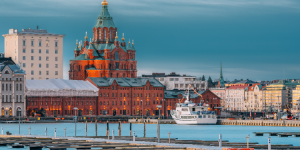
Finland tightens permanent residence rules
Since January 8, 2026, stricter requirements have been in place for obtaining permanent residence in Finland. Among the key changes are tougher language requirements and a longer mandatory residence period.
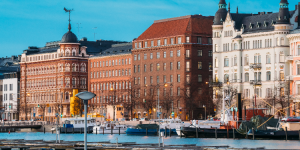
Why Finland wants skilled expats and their families
Will countries ever escape the cycle of labor shortages? It's a question that continues to haunt nations struggling with workforce gaps. Waves of retirement and falling birth rates are draining the labor pool, leaving governments once again turning to foreign talent. But attracting expatriate families is no easy task. Finland, however, is experimenting with a new approach to win them over.

Finland tightens work permit rules for expats
Finland is introducing stricter rules for foreign workers. If you're an expat with a residence permit tied to your job, and you lose that job, you'll now have just three months to find new employment. Otherwise, you could lose your right to stay in the country.
Immigration in Finland rose even during the pandemic
A recent study by the International Institute for Applied Systems Analysis (IIASA) found that, among 15 high-income countries, Finland was the only one that didn't have a lower immigration rate in 2020 when measured against predicted immigration in the absence of Covid. Data from the OECD suggests that freedom of movement within the European Economic Area (EEA) contributed to that.
Essential services for your expat journey