



Veedushi Bissessur
@Veedushi
Mauritian citizen
Forum posts
1643
Contacts
68
About me
Mauritian
Lives in Quatre Bornes
Speaks Français, anglais, créole, hindi
Registration: 02 April 2013
Articles written or translated by Veedushi Bissessur
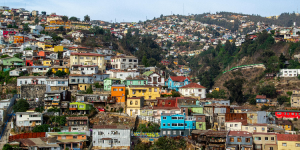
Valparaíso is one of Chile's most visually distinctive cities, where UNESCO-listed hillside neighborhoods sit alongside modern suburban developments and a working port. For foreign buyers, the city offers a relatively open property market with no nationality-based restrictions on residential ownership, but the process has specific legal steps that differ from many other countries. Whether you are drawn to a restored colonial home on Cerro Alegre or a new-build apartment in a planned community inland, understanding how the Valparaíso property market works before you commit will help you avoid costly surprises and make a confident decision.
08 April 2026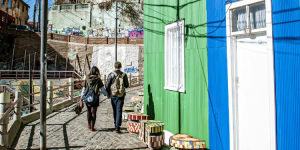
Forty-two hills tumbling down to the Pacific, walls covered in murals, and a port city that has absorbed waves of immigrants for two centuries: Valparaíso is unlike anywhere else in Chile. For expats weighing up a move here, that distinctiveness cuts both ways. The city offers an affordable, culturally rich lifestyle that Santiago simply cannot match, but it also comes with steep terrain, rising urban crime, and a bureaucratic reality that rewards those who invest time in learning Spanish. This article covers everything that shapes daily life in Valparaíso, from choosing the right neighborhood to understanding the climate, the food scene, the expat community, and the honest trade-offs that come with living in one of South America's most visually striking port cities.
08 April 2026
Setting up a bank account in Chile takes more effort than many expats expect. The Chilean banking system is stable, well-regulated, and increasingly digital, but it is also conservative toward foreign nationals: without a local tax ID and Chilean identity document, most traditional banks will turn you away. The good news is that the fintech sector has expanded significantly, giving newcomers faster, more accessible alternatives while they work through the bureaucratic steps. This article covers the main account types available, what documents you need, how to navigate the process as a new arrival, and what to know about payments, cash, and sending money abroad.
08 April 2026
Chile has one of the highest C-section rates in the world, with the figure exceeding 70% in private clinics: a fact that catches many expat parents off guard when they start planning their birth. The country's maternity infrastructure is well-developed, with a clear split between a subsidized public system and a well-equipped private sector that most expats use. This article covers every stage of the journey, from confirming a pregnancy and choosing where to give birth, to registering your newborn, understanding your leave entitlements, and finding childcare.
08 April 2026
Chile taxes foreign pensions at zero percent, offers public healthcare free of charge to residents aged 60 and over, and sits roughly 40% cheaper than the United States or Western Europe in terms of everyday costs. For retirees weighing South America as a destination, those three facts tend to change the conversation quickly. This article covers everything that matters before you commit: the retirement visa process, how your pension is treated under Chilean law, what healthcare actually looks like in practice, realistic monthly budgets, and where in the country retirees tend to settle, from the sun-drenched coast of La Serena to the vineyards and mountains of the south.
08 April 2026
Valparaíso's geography shapes everything about how people move through it. The city splits into two distinct zones: El Plan, the flat coastal strip where commerce and port activity concentrate, and Los Cerros, the steep residential hills that climb dramatically behind it. Getting around efficiently means learning to read this topography and combining the right mix of transport options. The regional commuter train links Valparaíso to neighboring cities along the coast, while shared taxis known as colectivos and historic funiculars handle the vertical challenge of the hills. Trolleybuses designated as national monuments still run daily routes along the flat waterfront. This article covers all the main ways to travel around Valparaíso, including tickets, apps, cycling, driving, and getting in from Santiago's airport.
08 April 2026
Few cities in the world let geography define their sports culture as completely as Valparaíso. The port city's 40-plus steep hills, narrow staircases, and coastal bay create a natural arena that shapes everything from how residents commute on foot to how elite athletes race downhill through residential streets at full speed. For expats arriving here, that topography is both an invitation and a challenge: the city rewards those who engage with it physically, and there is a genuinely wide range of ways to do so. This article covers the main spectator sports, participation options, gyms, pools, running routes, racquet sports, outdoor activities, and sports programs for children available in Valparaíso today.
08 April 2026
Building a professional and social network in Valparaíso works differently from almost any other city in Chile. The port city's identity, shaped by maritime heritage, street art, and a deep bohemian culture, filters into how people connect: slowly, personally, and with genuine intent. Understanding that dynamic before you arrive will save you weeks of misread signals and missed opportunities. This article covers the professional associations, networking events, expat communities, coworking hubs, and digital tools that matter most in Valparaíso, along with the cultural norms that determine whether those connections actually go anywhere.
08 April 2026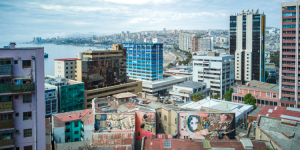
Valparaíso's rental market moves fast. With an apartment vacancy rate hovering around 2%, well-priced units near the city center typically rent within 10 to 20 days. For expats drawn to the city's layered hillside architecture, vibrant street art, and comparatively affordable rents, that pace means preparation matters. This article covers the full picture: which neighborhoods suit different budgets and lifestyles, what types of accommodation are available, current rental prices, how the rental process works, and the specific hurdles expats face when signing a lease in Valparaíso.
08 April 2026
Chile permits dual citizenship unconditionally, charges some of the lowest naturalization fees in the world, and issues a passport that opens doors to 176 countries, including the United States, under the Visa Waiver Program. For expats who have built a life in Santiago, Valparaíso, Concepción, or anywhere else across the country, citizenship represents the most secure form of belonging Chile can offer: permanent, irrevocable, and independent of how long you spend abroad. This article covers every recognized pathway to Chilean citizenship, the requirements and documents involved, what the application process actually looks like, and what rights you gain once the process is complete.
08 April 2026
Santiago generates the vast majority of Chile's corporate activity, making it the country's dominant destination for expat professionals. The city's economy spans finance, technology, professional services, and public administration, and its growing tech sector has attracted some of the world's biggest multinational names. This article covers the key business districts, top employers, job-hunting strategies, salary expectations, and the real culture you will encounter once you start working there.
08 April 2026
Chile has the fastest fixed broadband internet in Latin America, a time zone that aligns closely with the US East Coast, and a growing infrastructure of coworking spaces stretching from Santiago to Valparaíso. For remote workers weighing up their next base, those are strong practical foundations. This article covers what you actually need to know before choosing Chile: how to stay legally, what connectivity looks like outside the capital, what a realistic monthly budget looks like, and where the real friction points are.
08 April 2026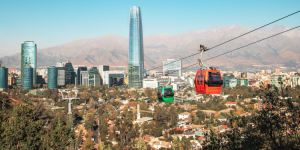
Santiago sits at the foot of the Andes, and that geography shapes almost everything about how people spend their free time here. Within the same weekend, you can browse contemporary art galleries in Barrio Lastarria, hike through a forest park with panoramic mountain views, and dance until sunrise in Bellavista. This article covers the full range of leisure options available in the city, from free cultural attractions and family-friendly science museums to ski resorts an hour from downtown and a nightlife scene that runs on its own distinct schedule. Whether you have just arrived or are looking to get more out of city life, Santiago rewards those who know where to look.
08 April 2026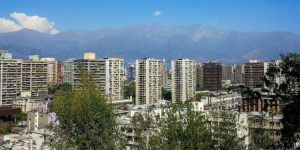
Santiago's residential property market has seen steady price growth, with values rising around 4% in real terms over the past year alone, driven by improving credit conditions and a gradual easing of central bank rates. For expats considering a purchase, the city offers a clear legal framework: foreigners can buy and own property outright, with no requirement for a local partner or special visa. This article covers everything from choosing a neighborhood and understanding price benchmarks to navigating the buying process, financing options, and the tax obligations that apply specifically to non-resident owners.
08 April 2026
Chile sits on the Pacific Ring of Fire, making earthquakes a routine part of daily life across the country, from Santiago to Valparaíso to the far south. That geographic reality, combined with seasonal wildfires, occasional civil unrest, and an emergency system that works differently from what most expats are used to, means that understanding how to respond in a crisis here is genuinely practical knowledge. This article covers every major emergency scenario you may face in Chile: who to call, what to expect, how the medical and legal systems work under pressure, and what steps to take before anything goes wrong.
08 April 2026
Santiago is home to more than 17 international schools, a sizable private school sector, and two of South America's most respected universities: all within a single city. For expat families, the school calendar runs from March to December, which means children arriving from the Northern Hemisphere will likely need to adjust their academic timeline. This article covers the full picture: how the Chilean school system is structured, which international schools operate in Santiago, what they cost, where families tend to settle, and how the admission process works.
08 April 2026
Chile ranks 22nd globally on the World Economic Forum's Global Gender Gap Index and has legalized same-sex marriage, yet the country's diversity landscape is more complex than any single headline suggests. Urban centers like Santiago and Valparaíso are cosmopolitan and broadly accepting of diverse lifestyles, while rural regions retain markedly more conservative social norms. Recent large-scale migration from Venezuela and Haiti has transformed the country's demographic makeup, and ongoing debates around the effectiveness of anti-discrimination law show that legal frameworks and lived experience do not always align. This article covers what expats from all backgrounds need to know about gender equality, disability inclusion, racial and ethnic diversity, religious freedom, and LGBTQ+ rights in Chile, with practical guidance on where to find support.
08 April 2026
Santiago ranks first in Latin America in the QS World University Rankings 2026, placing it firmly on the map for international students seeking a high-quality academic experience in the Southern Hemisphere. With over 31 universities across the metropolitan area, a vibrant city life, and strong government support for academic mobility through the Learn Chile initiative, the Chilean capital offers international students a genuinely competitive environment alongside an accessible urban lifestyle. This article covers everything from choosing a university and understanding tuition fees to finding accommodation, managing a student budget, and getting around the city with a discounted transport card.
08 April 2026
In Chile, who you know matters as much as what you know. The local concept of the "pituto," a personal connection or professional referral, shapes hiring decisions and business outcomes at every level of the economy. For expats arriving in Santiago, Valparaíso, or Concepción, understanding how relationships are built and maintained here is the foundation for both professional success and a fulfilling social life. This article covers the professional and social networking landscape across Chile, from business etiquette and key industry events to practical ways of meeting people outside the office.
08 April 2026
Football may dominate the national conversation, but Chile's sports landscape runs far deeper than any single game. From the ski slopes of the Andes to the surf breaks of Pichilemu, and from packed padel courts in Santiago to mountain trails in Patagonia, the country offers an unusually wide range of active pursuits for all fitness levels and budgets. For expats, sport is also one of the most effective ways to build a social life: Chile's historic community sports clubs have welcomed immigrant communities for generations, and that tradition is very much alive today. This article covers how to find facilities, join clubs, follow local teams, and get the most out of Chile's active culture wherever you settle.
08 April 2026
Family lunches that last until sunset, monthly anniversaries marked with genuine ceremony, and a social calendar where alone time is rarely the default: dating in Chile follows rhythms that catch many expats off guard. Whether you are newly arrived in Santiago or settling into Valparaíso, understanding how Chileans approach romance, courtship, and commitment will help you build connections that go beyond surface-level. This article covers everything from the most popular dating apps in Chile to first-date customs, relationship milestones, LGBTQ+ rights, and the practical steps binational couples need to know about.
08 April 2026
Chile draws international interns across a wider range of industries than most people expect: from copper mining in the Atacama north to wine production in the central valleys, and from tech startups in Santiago to community development work in Valparaíso. For foreign students and recent graduates, completing an internship here means navigating a specific legal framework, a distinct corporate culture, and a cost of living that ranks among the highest in South America. This article covers everything you need to plan and complete an internship in Chile, from visa requirements and pay rules to finding a placement and converting it into a full-time role.
08 April 2026
Chile's economy has maintained steady growth while implementing some of the most significant labor reforms in its recent history, making it a relevant destination for foreign professionals across a range of industries. Whether you are considering a move from abroad or are already settling in, understanding how the job market works, what employers expect, and what protections the law provides will help you make the most of your time in the country. From the mining regions of the north to the tech ecosystem in Santiago, this article covers what you need to know to find work, negotiate a contract, and understand your rights as an employee in Chile.
08 April 2026
Chile overhauled its short-stay entry rules in September 2025, introducing a mandatory prior authorization requirement for nationals of over 100 countries, changing what many travelers assumed was a straightforward visa-free process. Whether you are arriving at Santiago's Arturo Merino Benítez International Airport or crossing by land from Argentina or Peru, knowing exactly what you need at the border will save you from serious complications. This article covers who can enter Chile without a visa, what the new prior authorization system means in practice, how to extend your stay legally, and what happens if you overstay.
08 April 2026
Chile offers one of Latin America's more structured and transparent tax environments, which matters a great deal when you're planning a move. The national tax authority, the Servicio de Impuestos Internos (SII), administers the entire system digitally, and a three-year exemption from foreign income taxes gives newly arrived residents a genuine financial cushion as they settle in. This article covers how the Chilean tax system works, what your obligations are as a resident or self-employed worker, how social security contributions are structured, and what you need to do to file correctly each year.
08 April 2026
Relocating to Chile requires careful planning, especially when it comes to visas, documentation, and timelines. Recent immigration changes mean that most administrative steps must be completed before arrival, making early preparation essential for a smooth move. This guide explains how to relocate to Chile step by step, covering visa options, required documents, moving logistics, and the key actions to take before and after arrival.
08 April 2026
Chile has one of the most advanced telecommunications networks in Latin America, and for expats arriving from North America, Europe, or Australia, the quality of connectivity is unlikely to disappoint. Fiber-optic broadband reaches the vast majority of urban homes, mobile 5G is expanding rapidly, and the country maintains a fully open internet with no censorship or restrictions on social media. The challenge is not the quality of the infrastructure but navigating the administrative requirements: getting a local SIM card, signing up for home internet, and registering a foreign phone all come with specific rules that catch many newcomers off guard. This article breaks down what you need to know to stay connected from day one, whether you are settling in Santiago, Valparaíso, or somewhere far more remote.
08 April 2026
Nearly 10,000 pets arrived at Santiago's Arturo Merino Benítez Airport in 2025 alone, a record that reflects just how many families are relocating to Chile with their animals. Getting your pet into the country involves strict paperwork coordinated with the Servicio Agrícola y Ganadero (SAG), Chile's agricultural and livestock authority, and the process rewards those who start planning early. This article covers every step of the journey: from SAG import requirements and required documents to the 10-day home confinement rule, pet registration under Chile's Ley Cholito, and what daily life looks like for pet owners in cities like Santiago, Valparaíso, and Concepción.
08 April 2026
Chile stretches over 38 degrees of latitude, packing the Atacama Desert, Andean ski slopes, Pacific coastline, and Patagonian glaciers into a single country. That geographic range shapes daily life in ways that few destinations can match, and it is one of the first things that strikes newcomers. This article covers what expats genuinely need to know before and after moving: from visa rules and cost of living to safety, work culture, and where the expat community actually settles. Whether you are drawn to the buzz of Santiago, the bohemian lanes of Valparaíso, or the lake-dotted south, Chile's diversity means the experience of living here varies considerably depending on where you land.
08 April 2026
Santiago sits at the foot of the Andes and within a 90-minute drive of the Pacific coast, and that geography shapes everything about how the city moves. Football fills the stadiums on weekends, padel courts book up within hours of opening, and Parque Metropolitano draws thousands of runners and cyclists every Saturday morning. Whether you are looking to join a team, find a gym, get your kids into a sports program, or simply understand what spectator sport means here, this article covers the full landscape of sport and fitness in the Chilean capital.
08 April 2026
Santiago has quietly become one of Latin America's most interesting cities for food. The Chilean capital draws on indigenous Mapuche traditions, a long Pacific coastline, and a new generation of chefs who forage local ingredients and push the boundaries of what Chilean cuisine can be. Whether you're hunting for a cheap empanada on your lunch break, exploring the bohemian restaurants of Barrio Italia, or sitting down to a tasting menu at a globally recognized fine dining destination, Santiago offers a depth and variety that surprises many expats on arrival. This article covers everything you need to navigate the city's food scene with confidence: where to eat, what to order, how much to budget, and how to handle a few local customs that differ from what you might expect.
08 April 2026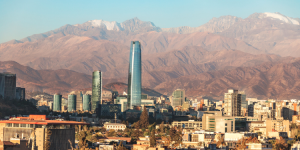
Nearly 6 million people live in Santiago, making it home to roughly one-third of Chile's entire population. That concentration of people, infrastructure, and economic activity shapes daily life in ways that catch many newcomers off guard: rents are quoted in inflation-linked units, Chilean Spanish takes time to decode even for fluent speakers, and the Andes sit close enough to the city that skiing on a weekend afternoon is a realistic plan. This article covers everything that matters for expats settling into Santiago, from choosing a neighborhood and managing costs to understanding the local pace of life and finding community.
08 April 2026
Getting behind the wheel is one of the most practical decisions you can make as an expat in Chile, whether you are navigating Santiago's urban sprawl or heading out to Patagonia's remote highways. The rules around foreign licenses, however, catch many newcomers off guard: what is valid for a tourist becomes illegal the moment you obtain residency. This article covers everything from license conversion and local exams to insurance obligations, road rules, car ownership, and the alternatives worth considering before you commit to driving.
08 April 2026
Chile stretches nearly 4,300 kilometers from the Atacama Desert to Patagonia, and getting around it requires different strategies depending on where you live. In Santiago, an integrated network of metro, buses, and commuter rail covers daily commuting needs efficiently. Farther south, ferries become essential where roads simply run out. This article covers every major transport option across the country, from the contactless Bip! card you will use every day in the capital to the long-haul ferries that connect the Lake District to Patagonia.
08 April 2026
After two years of building a life in Chile, many foreign nationals reach a turning point: the moment to apply for permanent residency and leave the cycle of temporary visa renewals behind. Known officially as the Residencia Definitiva, this status grants the right to live, work, and study in Chile indefinitely, with no restrictions on employment and full access to public services. What makes Chile stand out is the clarity of its digital application process and the absence of any language test at this stage, making the pathway more accessible than in many other countries. This article covers every step of the process, from eligibility and required documents to processing times, costs, and what comes after approval.
08 April 2026
Finding a rental in Chile is more demanding than many expats expect. The Chilean housing market is tight, landlords are cautious about foreign tenants, and a local tax identification number shapes nearly every step of the process. Whether you are relocating to Santiago, settling in Valparaíso, or considering a quieter pace of life further south, understanding how the Chilean rental market works before you arrive will save you time, money, and stress. This article covers the types of accommodation available, where expats tend to live, what things cost, what documents you need, and how to protect yourself once you sign a lease.
08 April 2026
Chile is one of the few countries in Latin America where same-sex marriage is fully legal, where residency is not a requirement to marry, and where the civil process is straightforward enough for tourists and expats alike to navigate without a lawyer. Whether you are planning to marry a Chilean citizen, a fellow foreigner, or your same-sex partner, this article covers the legal framework, the documents you will need, the costs involved, and the steps to take before and after the ceremony.
08 April 2026
Finding the right school is often the first major decision expat families make after choosing where to live in Chile. The country runs a structured national education system from pre-school through to secondary level, and a growing number of international schools, concentrated in Santiago but also present in cities like Viña del Mar and Concepción, gives families genuine curricular choice. What makes Chile particularly distinct for relocating parents is the combination of a Southern Hemisphere academic calendar, school fees pegged to an inflation-adjusted unit of account, and a one-time enrollment fee that can run into thousands of dollars at elite institutions. This article covers the full picture: how the system is structured, which international schools operate and what they charge, how public school enrollment works for foreign children, and what families need to know before applying.
08 April 2026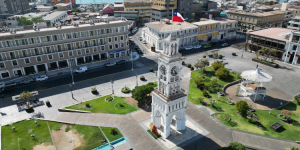
Chile draws expat families for reasons that go well beyond its striking geography. A strong culture of family values, access to reputable international schools, and a relatively stable urban infrastructure make it a practical destination for parents relocating with children of any age. Whether you are settling in Santiago's eastern neighborhoods, the coastal city of Viña del Mar, or the lake-dotted south, this article covers what you need to know: from childcare costs and school structures to pediatric healthcare, family-friendly areas, and how children typically adjust to life here.
08 April 2026
Dakar stands out as one of West Africa's strongest educational hubs, offering expat families a genuinely wide range of schooling options: from well-established French-curriculum institutions tied to the AEFE network, to American and IB-accredited international schools that prepare students for universities worldwide. The city's traffic, however, makes school location one of the most consequential decisions a relocating family will face, and waiting lists at the most sought-after schools mean that early planning is not optional. This article covers the main school types available in Dakar, a detailed look at the leading international schools and their fees, the link between school location and neighborhood choice, the admission process, and pathways to higher education.
07 April 2026
San José moves at its own pace, and understanding how to navigate it makes a real difference to daily life as an expat. The city runs primarily on a sprawling public bus network, supplemented by an urban commuter train, regulated red taxis, and a thriving ride-sharing culture built around Uber and DiDi. There is no metro or subway, and traffic congestion, known locally as presas, is a fact of life during rush hours. This article breaks down every realistic transport option in San José so you can move around the city with confidence from day one.
06 April 2026
San José sits at the heart of Costa Rica's Central Valley, and it has developed into one of Central America's most active cities for both professional and expat networking. Whether you are arriving to launch a business, work remotely, invest in property, or simply build a new life, the capital offers a surprisingly rich mix of formal associations, coworking spaces, community events, and digital communities. Understanding how the city actually works socially and professionally will save you time and help you form connections that last.
06 April 2026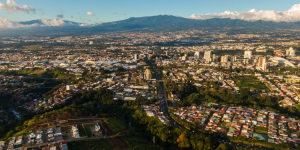
San Jose is not the kind of city that reveals itself immediately. Affectionately known as "Chepe" by locals, Costa Rica's capital can feel dense and congested on arrival, but it rewards those who stay. Surrounded by green mountains and sitting at a comfortable altitude that keeps temperatures mild year-round, it serves as both the country's economic engine and its cultural heart. For expats, it offers a rare combination of world-class healthcare, strong international school options, a lively food scene, and easy access to the rest of the country.
06 April 2026
San Jose sits at the heart of Costa Rica's education landscape, offering expat families a wider range of schooling options than anywhere else in the country. From free public schools run by the national Ministry of Public Education to premium international schools with state-of-the-art campuses in the western suburbs, the city genuinely caters to children of all backgrounds and academic needs. Costa Rica invests heavily in education, dedicating around 6.5% of its GDP to the sector and maintaining a literacy rate of 97.8%, which reflects a national culture that takes schooling seriously. For expat parents, the challenge is not finding a school but choosing the right one, and that decision will likely shape where you live, how you manage your daily schedule, and how your child transitions into the next stage of their education.
06 April 2026
San Jose is the academic heart of Costa Rica, home to a national literacy rate above 94% and a concentration of universities that draw students from across the Americas, Europe, and beyond. Whether you are drawn by public research institutions with global rankings, private creative colleges with strong English-language tracks, or a UN-mandated postgraduate program unlike anything else in the region, the city offers a genuinely varied higher education landscape. This article covers everything you need to make an informed decision: institutions, fees, visa requirements, housing, daily costs, and life on the ground in one of Central America's most livable capitals.
06 April 2026
Heredia has grown well beyond its reputation as a quiet university city on the edge of San José. Today it sits at the heart of Costa Rica's corporate geography, anchoring a dense cluster of Free Trade Zones that draw multinational companies from across the technology, shared services, and medical device sectors. For expats weighing their options in Central America, the job market in Heredia offers a realistic path into stable, well-paying employment, provided you understand how the system works and where the genuine opportunities lie.
06 April 2026
Heredia punches well above its weight as an academic destination. Known as the "City of Flowers," this compact Costa Rican city is home to one of the country's most respected public universities and a growing ecosystem of private institutions that welcome international students year-round. For expats weighing up where to study in Central America, Heredia offers something genuinely distinctive: the intellectual energy of a university town combined with direct access to rainforests, coffee country, and a capital city just a short train ride away. This article covers everything you need to make an informed decision about studying in Heredia, from choosing the right institution and understanding tuition costs to finding a place to live and navigating the city on a student budget.
06 April 2026
Heredia has built a strong reputation as one of Costa Rica's most family-friendly destinations for expatriates, and a key reason is its exceptional range of schools. From free public education under the national curriculum to elite international schools in Heredia offering the IB program and US High School Diploma, the city and its surrounding suburbs give expat families genuinely strong options at every budget level. This article covers the full picture: school types, school fees, the admission process, neighborhood choices, and what daily school life actually looks like for expat children in Heredia.
06 April 2026
Heredia sits at the heart of Costa Rica's Central Valley, and its food scene reflects that position perfectly. Known as the "City of Flowers," the city blends deep agricultural roots with a lively, modern dining culture shaped by university students, a growing expat community, and some of the country's finest coffee-growing land. Whether you are hunting for a hearty traditional lunch at a family-run soda, browsing fresh produce at a century-old market, or sitting down to farm-to-table cuisine in the cooler mountain foothills, Heredia offers more variety than its modest size might suggest. This article covers everything expats need to know to eat well, shop smart, and feel at home at the table in Heredia.
06 April 2026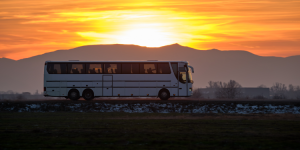
Heredia, affectionately known as the "City of Flowers," sits in the heart of Costa Rica's Central Valley and is one of the most popular destinations for expatriates settling in the country. Getting around is straightforward once you understand how the system works. The city is served by a dense local bus network, a reliable INCOFER commuter train, and a thriving ecosystem of ride-sharing apps. Public transit is genuinely affordable, and the proximity to Juan Santamaría International Airport makes international connections easy. This article covers every realistic way to move around Heredia and the wider Central Valley, from daily commuting to arriving fresh off the plane.
06 April 2026