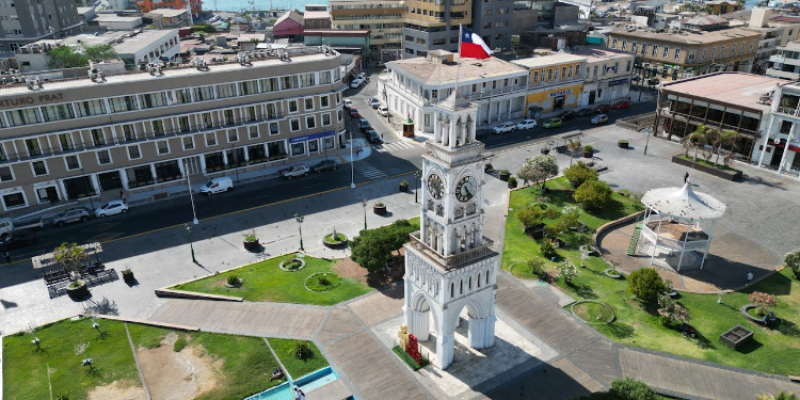
Chile draws expat families for reasons that go well beyond its striking geography. A strong culture of family values, access to reputable international schools, and a relatively stable urban infrastructure make it a practical destination for parents relocating with children of any age. Whether you are settling in Santiago's eastern neighborhoods, the coastal city of Viña del Mar, or the lake-dotted south, this article covers what you need to know: from childcare costs and school structures to pediatric healthcare, family-friendly areas, and how children typically adjust to life here.
Family sits at the center of Chilean social life, and expat families generally find the culture warm and community-oriented from the start. Weekend rhythms are shaped by extended family gatherings, and the Sunday asado is a deeply embedded tradition that many expat families come to appreciate quickly. This orientation toward shared family time creates a welcoming environment for newcomers, particularly those arriving with young children.
That said, work-life balance can be a genuine challenge. Corporate culture in Chile often involves long working hours, which can limit weekday family time more than parents coming from Northern Europe or North America might expect. Planning routines around this reality early makes a real difference.
Safety varies by neighborhood in cities like Santiago, but established expat areas maintain strong community infrastructure. The eastern municipalities of the capital are particularly well set up for families, with well-maintained parks, active neighborhood associations, and proximity to major international schools. Outside Santiago, cities like Viña del Mar and Puerto Varas offer family-oriented lifestyles with their own distinct advantages.
The Chilean childcare system is divided into two main categories: infant nurseries(salas cuna) for children up to 2 years old, and daycare centers (jardines infantiles) for toddlers. Both private and subsidized options exist, with quality and cost varying considerably depending on location and provider.
The national average monthly cost for a sala cuna is currently CLP 504,000 (around USD 543), reflecting a 4.2% increase from the previous year. In premium Santiago neighborhoods such as Lo Barnechea and Las Condes, monthly fees can exceed CLP 800,000 (around USD 862). Enrollment fees (matrículas) typically range from CLP 418,000 (around USD 450) to CLP 438,000 (around USD 472). As a point of reference, a private provider like Jardín Infantil Growing Up in Providencia charges CLP 395,000 (around USD 425) for a full-day schedule and CLP 250,000 (around USD 269) for enrollment.
One practical advantage for working parents: under Chilean labor law, any company employing 20 or more female workers is legally required to either provide an on-site daycare facility or cover the cost of external childcare for children under 2 years old. It is worth confirming this benefit with your employer before your arrival.
Good to know:
Waiting lists for well-regarded private daycares in expat-heavy areas of Santiago can be long. Starting the application process at least six months before your intended start date is a sound approach.
Join the Chile community
Get regular tips and advice to make the most of your expat life
Structure of the education system in Chile
The Chilean academic year runs from early March through to mid-December, the opposite of the Northern Hemisphere calendar. The Ministry of Education officially sets the school calendar each year, with teachers typically returning a few days before students to prepare. The winter break falls in late June and early July, lasting around two weeks for the central and northern regions, including Santiago, and extending to three weeks in the far southern regions of Aysén and Magallanes.
The academic year ending between early and mid-December means that families arriving in January or February have a natural window to settle in before the school year begins. This timing makes a December-to-February relocation the most practical choice for families with school-age children.
For families considering top-tier international schools, fees are significant. At The International School Nido de Águilas in Lo Barnechea, annual tuition runs from USD 11,400 for pre-kindergarten to USD 20,900 for grades K2 through 12. New families also face an application fee of USD 1,500 to USD 1,900, depending on the grade level, plus a one-time incorporation fee of 350 UF (approximately USD 14,331), payable in installments over three years.
These figures reflect costs at one of the most established international schools in the country and should be taken as a reference point rather than a sector-wide average. Costs at other schools vary considerably.
Expat families in Chile have a genuine range of school options. The three main paths are local Chilean private schools (often bilingual), international schools following a foreign curriculum, and a smaller number of schools tied to specific national communities.
Local bilingual private schools offer instruction in Spanish and English and prepare students for Chile's university entrance exam (PAES). They tend to cost significantly less than international schools and are a solid option for families planning a longer-term stay where integration into Chilean society is a priority.
International schools are the most common choice for expat families who expect to return to their home country or move again within a few years. These schools typically offer internationally recognized programs, including the International Baccalaureate (IB), and allow children to continue their education without major disruption. Nido de Águilas in Lo Barnechea is the reference point for the international school market in Santiago, offering both a US diploma pathway and the IB program.
Enrollment at international schools is competitive. Applying well ahead of your intended start date is strongly advisable, particularly for the most popular grade levels.
Social integration for children and teenagers in Chile
Children who arrive young tend to integrate relatively quickly, particularly in international school environments where new arrivals are a regular occurrence. Spanish language acquisition becomes a natural accelerator for social connection, and many expat children pick up conversational Spanish within a few months of starting school.
Teenagers face a somewhat different adjustment. Social networks are more established by adolescence, and breaking into existing peer groups can take longer. International schools with active extracurricular programs make this transition easier by providing structured opportunities to build friendships outside the classroom.
On practical matters relevant to teenagers: the standard legal driving age in Chile is 18. Seventeen-year-olds can obtain a learner's license if they complete an authorized driving school course and drive accompanied by an adult who has held a license for at least five years. Under current legislation, applicants must also sign a sworn medical declaration confirming they do not have a disabling condition.
Teenagers looking for part-time work during school vacations can do so legally from age 15 under a framework known as protected adolescent work. During the school year, working hours are capped at 30 per week and 6 hours per day; during school vacations, the daily limit rises to 8 hours. Night shifts between 21:00 and 08:00 are prohibited, and parental authorization is required. Employment contracts for minors must be registered with the Dirección del Trabajo within 15 days of signing.
Sports and extracurricular activities in Chile
Chile's varied geography gives children and teenagers access to an unusually wide range of physical activities. In Santiago and surrounding areas, football (soccer) remains the dominant sport and is played at every level, from neighborhood clubs to school leagues. Swimming, tennis, and athletics are widely available at private sports centers and through school programs.
In the winter months, the Andes are close enough to Santiago for weekend ski trips to resorts such as Valle Nevado and Farellones, making skiing and snowboarding accessible for families living in the capital. In coastal cities like Viña del Mar, surfing and beach sports become part of everyday life for children growing up there.
Most international schools in Santiago run structured extracurricular programs covering music, drama, robotics, and a range of sports, which eases the social transition for newly arrived children. Outside of school, community sports clubs operate across all major neighborhoods and generally welcome children of all backgrounds.
Things to do with children in Chile
Santiago offers a solid range of family-friendly activities across different age groups and interests. Parque Metropolitano on Cerro San Cristóbal is a large urban park with a funicular, cable car, hiking trails, and panoramic views of the Andes, making it a popular destination for weekend outings. Picnic areas and playgrounds within the park add to its appeal for families with younger children.
Buin Zoo, located just south of the capital, is a wildlife park focused on conservation where families can interact with animals; it is consistently rated among the top family attractions in the metropolitan region. For something more hands-on and educational, the Mirador Interactive Museum (MIM) in Quinta Normal is well suited to younger children with an interest in science, and select exhibits include English signage, which helps recently arrived children engage independently.
KidZania in Las Condes provides an interactive role-playing environment where children can simulate adult professions in a dedicated indoor city. For older teenagers with an interest in history, the Museum of Memory and Human Rights offers a sobering but important educational experience.
Beyond Santiago, national parks throughout Chile offer reduced family admission rates, and the Atacama Desert, the Lake District, and Patagonia all provide experiences that are difficult to match elsewhere in the world. Weekend travel is very much part of leisure activities for expats based in Chile.
Private pediatric care in Chile is well developed. A private pediatrician consultation currently ranges from CLP 35,000 (around USD 38) to CLP 50,000 (around USD 54), depending on the clinic and the specialist. Major private clinics in Santiago have pediatric departments with English-speaking staff, which is a practical advantage during the initial period after arrival.
All children living in Chile, regardless of their health insurance status, are covered by the Ministry of Health's National Immunization Program (PNI), which provides mandatory vaccinations free of charge. Two vaccinations are specifically linked to school enrollment and attendance: the dTP booster (covering diphtheria, tetanus, and pertussis) administered in first grade, and the nonavalent HPV (human papillomavirus) single dose administered in fourth grade. Both are provided at no cost through the public system.
Chile's national health system operates through two parallel tracks: the public insurer Fonasa and the private insurer system known as Isapre. Most expat families with employer-sponsored packages enroll in an Isapre plan, which provides faster access to specialist care and private clinic facilities. Confirming pediatric coverage before choosing a plan is a practical step worth taking early.
Good to know:
Chile has moved up its annual winter respiratory vaccination campaign in response to circulating influenza strains. Free immunizations against RSV are available for newborns, and influenza vaccines are offered free of charge for children from 6 months old through fifth grade.
Family-friendly areas to live in Chile
In Santiago, the eastern sector (sector oriente) municipalities of Las Condes, Vitacura, and Lo Barnechea are consistently the first choice for expat families. They offer strong security, well-maintained parks, easy access to major international schools, and a concentration of services oriented toward international residents. Lo Barnechea is particularly popular with North American and British expat families, given its proximity to Nido de Águilas.
Providencia offers a more urban, walkable alternative within Santiago. It has excellent cycling infrastructure, good public transport connections, and a range of local private schools. Families who prefer city-center living over suburban quiet tend to gravitate here.
Outside the capital, Viña del Mar on the Pacific coast is well regarded for family living. It combines a coastal lifestyle with good air quality and reputable schools, and it sits within commuting distance of Valparaíso's broader services. Further south, Puerto Varas in the Lake District has grown in popularity among families seeking a nature-oriented lifestyle, with access to bilingual schools shaped by the region's German heritage communities.
The most important logistical step before arriving is ensuring that all birth certificates and previous school records have been apostilled in your home country. Chilean schools and administrative institutions require these for official enrollment, and processing delays can push back your child's start date.
Timing the move between December and February gives families the best chance of settling in before the academic year starts in early March. Arriving mid-year is possible but significantly more disruptive for children, particularly at international schools where cohort placements are established from the start of the year.
Chile's UV radiation levels are notably high, and schools enforce sun protection measures for children during outdoor activities, including hat requirements. This is not something most families from Northern Europe or North America anticipate, but it becomes a normal part of the daily school routine very quickly.
Bear in mind that the Chilean academic year runs opposite to the Northern Hemisphere calendar. Depending on when your family arrives, children may need to repeat part of a grade or move slightly ahead. International schools are experienced in managing this transition and can advise on placement individually.
Frequently asked questions about family life in Chile
The national average monthly cost for an infant daycare (sala cuna) is currently CLP 504,000, though fees in premium Santiago neighborhoods can exceed CLP 800,000 per month. Costs fluctuate by region and provider, so it is advisable to verify local rates directly with individual centers. Enrollment fees add a further CLP 418,000 to CLP 438,000 in most cases.
The standard driving age is 18. Seventeen-year-olds can obtain a learner's license if they complete an authorized driving course and are accompanied at all times by an adult who has held a full license for at least five years. Applicants of any age must now sign a sworn medical declaration under current legislation confirming they are free of disabling conditions.
Teenagers can legally work from age 15 under a protected adolescent work framework. During the school year, they are limited to 30 hours per week and 6 hours per day. Night shifts are prohibited, and parental authorization is required. Employment contracts must be registered with the labor authority within five days of signing.
The Ministry of Health requires children to receive the dTP booster in first grade and the HPV vaccine in fourth grade as conditions linked to school attendance. Both are provided free of charge through the National Immunization Program. Presenting an up-to-date vaccination record at enrollment is standard practice across Chilean schools.
Winter vacations typically fall in late June and early July each year. In the central and northern regions, including Santiago, the break lasts around two weeks. In the far south, including Aysén and Magallanes, it extends to approximately three weeks. The exact dates are set annually by the Ministry of Education.
Most top-tier international schools charge a one-time incorporation fee that can exceed USD 14,000, payable in installments over the student's initial years at the school. Application fees of USD 1,500 to USD 1,900 are also standard at leading schools. These costs are in addition to annual tuition and should be factored into your relocation budget from the outset.
A private pediatric consultation currently ranges from CLP 35,000 to CLP 50,000, equivalent to roughly USD 38 to USD 54, depending on the clinic and specialist. Many expat health insurance plans cover a significant portion of these costs. Major private clinics in Santiago have English-speaking pediatric staff.
Yes. Under Chilean labor law, any company employing 20 or more female workers must either provide an on-site daycare facility or cover the cost of external childcare for children under 2 years old. This is a statutory right and worth confirming with your employer before signing an employment contract.
ℹ️
We do our best to provide accurate and up to date information. However, if you have noticed any inaccuracies in this article, please let us know in the comments section below.
A journalist, holder of the DALF C1 and C2 and a diploma from the University of Mauritius, I have nearly twenty years of writing experience. After six years in the Mauritian press, I joined Expat.com, where I have been working for over a decade, including five years as editorial assistant, and now as editorial manager.