Chile sits on the Pacific Ring of Fire, making earthquakes a routine part of daily life across the country, from Santiago to Valparaíso to the far south. That geographic reality, combined with seasonal wildfires, occasional civil unrest, and an emergency system that works differently from what most expats are used to, means that understanding how to respond in a crisis here is genuinely practical knowledge. This article covers every major emergency scenario you may face in Chile: who to call, what to expect, how the medical and legal systems work under pressure, and what steps to take before anything goes wrong.
Chile does not use a single universal emergency number. Instead, it relies on a set of three-digit numbers, each connecting to a specific service. A useful local mnemonic captures the three most important: the "ABC" of emergencies. Dial 131 for an ambulance (Ambulancia), 132 for the fire department (Bomberos), and 133 for the uniformed police (Carabineros). These numbers are free to call from any landline or mobile phone in Chile, including international numbers roaming on a Chilean network: no country code is needed.
Beyond the core three, several other official numbers cover specific situations. Dial 134 to reach the PDI (Policía de Investigaciones), the investigative police force, and 130 to report a forest fire directly to CONAF (Corporación Nacional Forestal), which coordinates wildfire response. If you are near the coast or on the water, dial 137 for maritime and coast guard rescues through Directemar: this number is particularly relevant in areas like Valparaíso, Viña del Mar, and Algarrobo.
Emergency dispatchers on all lines operate predominantly in Spanish. Expats who are not yet fluent should memorize key Spanish phrases describing their location and the nature of the emergency. Having a translation app available or asking a nearby local to make the call on your behalf are both practical alternatives in a crisis.
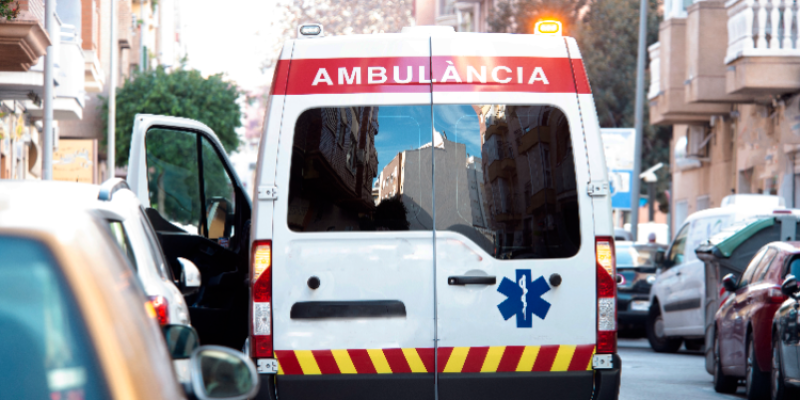
For life-threatening medical emergencies, dial 131 to reach SAMU (Servicio de Atención Médica de Urgencia), the national public ambulance service. Response times in Santiago average 10 to 20 minutes, but in rural or remote regions such as Patagonia or the Atacama Desert, waits can be significantly longer.
Public hospital emergency rooms and SAMU ambulances are free for those enrolled in Chile's public healthcare system (FONASA). Patients without public insurance can expect to pay between CLP 50,000 and CLP 200,000 (roughly USD 50 to USD 200) for a public emergency visit, depending on the treatment required. Private clinics generally offer shorter wait times, more modern facilities, and a higher likelihood of English-speaking staff, but a private emergency room visit costs between CLP 100,000 and CLP 300,000 (approximately USD 100 to USD 300) before any ISAPRE (private health insurance) coverage is applied.
A critical protection for anyone in Chile is the Ley de Urgencia (Emergency Law). This law guarantees that any person facing a life-threatening emergency must be admitted and stabilized at the nearest healthcare facility, whether public or private, without being asked for upfront payment, a blank check, or a promissory note. Once the patient is stabilized, costs are billed to their FONASA or ISAPRE plan, with any remaining copayment structured in installments not exceeding 5% of the patient's monthly salary.
Expats with private ISAPRE or international health coverage can also call a private ambulance service, which tends to be faster in metropolitan areas. Coverage varies by plan, and an uncovered private ambulance call can cost between CLP 50,000 and CLP 200,000 (USD 50 to USD 200). Well-regarded private emergency facilities in Santiago include Clínica Alemana in Vitacura and Clínica Las Condes, both of which have dedicated international patient departments and bilingual medical staff. In other cities, regional private networks such as Clínica Biobío in Concepción and Clínica Ciudad del Mar in Viña del Mar offer comparable private care.
Good to know:
The US Embassy in Santiago recommends that American citizens enroll in the Smart Traveler Enrollment Program (STEP) before or upon arrival. This free service allows the embassy to send security alerts and helps locate you during a natural disaster or large-scale emergency.
Get regular tips and advice to make the most of your expat life
Roadside emergencies in Chile
Breaking down on a Chilean road depends heavily on where it happens. If your vehicle breaks down on a toll highway (autopista concesionada), such as Autopista Central, Costanera Norte, or Ruta 68 toward Valparaíso, roadside assistance and towing to the nearest safe exit are included at no extra cost as part of your toll payment. Look for SOS phones spaced along the highway shoulder, or call the emergency number displayed on the toll road signs.
On non-toll roads, city streets, or rural routes, you will need to arrange a private tow truck. These operate 24 hours a day across the country and are especially concentrated in high-traffic areas of Santiago, such as Santiago Centro, Providencia, and Maipú. Mobile tire repair services are also widely available and can come directly to your location to fix a puncture without requiring a tow.
If a traffic accident involves injuries, call both 133 (Carabineros) and 131 (ambulance) immediately. Do not move the vehicles until Carabineros arrive to draft an official police report (parte policial). Chilean auto insurance companies require this document to process any claim, so leaving the scene or repositioning vehicles before the report is filed will complicate your insurance process significantly.
Fire emergencies in Chile
For any structural or urban fire, dial 132 to reach Bomberos, Chile's national fire department. Bomberos are a fully volunteer institution and among the most respected public services in the country. Their emergency response is entirely free of charge: attempting to tip or pay a firefighter is both illegal and deeply offensive in Chilean culture.
Beyond fighting fires, Bomberos are the primary responders for structural collapses, hazardous material spills, and rescuing people trapped in severe vehicle accidents. Their role goes well beyond what many expats might associate with a fire department.
Forest fires are a serious and recurring hazard in Chile, particularly during the summer months from December through March. The central and southern regions, including Valparaíso, the Araucanía, and Biobío, are especially vulnerable. To report a forest fire, dial 130 to connect directly with CONAF, which coordinates both aerial and ground-based wildfire response. If you live in or plan to travel through these regions during summer, monitoring local alerts and news during dry, windy conditions is a sound habit to build.
Police in Chile
Chile maintains two distinct national police forces, each with a specific mandate. Carabineros de Chile, reached by dialing 133, are the uniformed, preventive police responsible for public order, traffic control, and responding to crimes in progress. PDI (Policía de Investigaciones), reached by dialing 134, are plainclothes investigative detectives who handle complex crimes, narcotics, cybercrime, border control, and immigration matters.
Carabineros are widely regarded as professional and strict. Attempting to bribe a police officer in Chile is a serious criminal offense that can result in immediate arrest and potential deportation. Foreign nationals should treat all interactions with Carabineros formally and respectfully.
To file a report for a non-urgent crime, you can visit the nearest Carabineros station (Comisaría) in person or use the Comisaría Virtual digital platform at comisariavirtual.cl for certain administrative certificates and lost document reports. Access to this platform requires a Chilean Clave Única digital ID. For anonymous reporting of drug trafficking or organized crime, residents can call the Denuncia Seguro hotline at *4242.
Natural disasters in Chile
Chile is one of the most seismically active countries in the world, positioned directly on the Pacific Ring of Fire. Earthquakes (sismos or terremotos) and tsunamis are genuine everyday risks, not rare events. Volcanic activity and seasonal wildfires round out the main natural hazards that residents need to be aware of.
SENAPRED (Servicio Nacional de Prevención y Respuesta ante Desastres) is the government agency responsible for monitoring these hazards and coordinating disaster response across the country.
Chile operates a robust mass warning system called the SAE (Sistema de Alerta de Emergencia). When an imminent tsunami, volcanic eruption, or advancing wildfire threatens an area, the SAE sends a geolocated alert to all compatible mobile phones in the risk zone. The alert forces the phone to emit a loud siren sound and vibrate for 3 minutes, displaying a pop-up message with evacuation instructions. The system is tested periodically throughout the year, typically on Wednesday and Thursday mornings in specific municipalities: if your phone sounds the alarm unexpectedly, check local news to confirm whether it is a test or a real event.
Android users can also activate Google's built-in earthquake alerts by navigating to Settings> Safety and Emergency> Earthquake alerts. This can provide a few seconds of warning before seismic waves arrive, which is enough time to take a protective position.
SENAPRED advises all residents to prepare a go-bag (mochila de emergencia) containing bottled water, non-perishable food, a battery-powered radio, warm clothing, a first-aid kit, flashlights, a whistle, alcohol gel, and copies of important contacts and ID documents. Keeping this bag accessible at all times, rather than storing it in a car or garage that might become inaccessible during a quake, is a practical step that many long-term residents in Chile take seriously.
Embassy and consular services in Chile
Most foreign embassies and consulates in Chile are located in the eastern communes of Santiago, including Las Condes, Providencia, and Vitacura. In a genuine emergency, your embassy can help with issuing emergency travel documents if your passport is lost or stolen, providing lists of local lawyers and hospitals with language capabilities, and offering guidance in cases of serious distress or death. Embassies do not provide legal representation and cannot intervene in Chilean judicial proceedings.
The United States Embassy is located at Av. Andrés Bello 2800, Las Condes, Santiago. For emergency after-hours assistance for American citizens, the contact number is +56 2 2330 3000. The State Department strongly recommends enrolling in the Smart Traveler Enrollment Program (STEP) to receive security updates and allow the embassy to reach you during a natural disaster.
The British Embassy is located at Av. El Bosque Norte 0125, Las Condes. British nationals needing urgent consular assistance outside office hours should use the Foreign, Commonwealth and Development Office (FCDO) emergency contact channels or call the 24-hour Consular Emergency Centre: contact the embassy directly to confirm current contact details and availability.
All foreign nationals in Chile, regardless of nationality, should register with their embassy or consulate upon arrival or as early as possible during their stay. This makes it significantly easier for consular staff to reach you during a major earthquake or other large-scale emergency and to provide timely assistance.
Lost or stolen documents in Chile
Whether your passport, Chilean ID (Cédula de Identidad), or driving license is lost or stolen, the first step is to file an official police report (constancia) immediately. This is both a legal requirement for obtaining replacements and a protective measure against identity fraud.
Foreign residents can file this report digitally through the PDI Virtual portal without visiting a physical station. The process involves downloading a PDF form, attaching a photograph of the lost document, and emailing it to the regional office: a digitally signed constancia is then returned to you.
If you lose your Chilean Cédula de Identidad (which displays your RUT number), you can place a preventive block on it for two working days through the Registro Civil website at registrocivil.cl using your Clave Única login. A permanent block can also be requested online before applying for a replacement.
Tourists who lose their passport face an additional step beyond contacting their embassy for an emergency travel document: they must also obtain a replacement Tourist Card (Tarjeta de Turismo) from the PDI before they are legally permitted to leave Chile through any airport or border crossing. Skipping this step can result in being held at departure.
Chile is broadly considered one of the safer countries in Latin America, but urban street crime, including muggings, bag-snatching, and cell phone theft, remains elevated in major cities. Santiago and Valparaíso both see significant volumes of opportunistic theft, particularly in busy pedestrian areas and tourist zones.
Carjacking incidents, known locally as "encerronas" or "portonazos," have increased in metropolitan areas, typically occurring at highway exits or residential garage entrances. Staying alert when entering or leaving driveways at night and keeping car doors locked while driving reduces exposure to this type of crime.
Protests and civil unrest occur periodically, particularly in downtown Santiago around Plaza Baquedano (also known as Plaza Italia). These events can escalate into confrontations between demonstrators and Carabineros, who routinely deploy tear gas and water cannons. Beyond the physical risks, Chilean law explicitly prohibits foreign nationals from participating in political activities or demonstrations: doing so can result in detention or deportation.
Drink spiking and express kidnappings, where victims are forced to withdraw cash from ATMs, have been reported in nightlife districts. Keeping an eye on your drink and being cautious when approached by strangers in bars or clubs are sensible precautions.
When traveling through the southern Araucanía and Biobío regions, be aware of localized political tensions that occasionally produce road blockades or arson incidents. Checking regional news before interregional road trips in these areas is worth building into your travel routine.
Good to know:
Attempting to bribe a Carabinero or any other public official in Chile is a criminal offense with serious consequences, including arrest and deportation. It is never an appropriate or effective approach regardless of the situation.
Mental health crisis in Chile
If you or someone you know is in emotional distress or facing a mental health crisis, Chile has dedicated support lines available around the clock. The national suicide prevention hotline is *4141, a free and confidential service available 24 hours a day, every day of the year, from any mobile or landline phone in the country. Calls are answered by psychologists trained specifically in crisis intervention and emotional support.
For mental health concerns that do not involve immediate life-threatening risk, the Ministry of Health's "Salud Responde" line at 600 360 7777 (select option 1 for mental health support) provides broader guidance and referrals. People who are deaf or hard of hearing can access the *4141 service through a video chat option by scheduling an appointment on the official Salud Responde website.
Children and adolescents in distress or facing rights violations can contact Línea Libre by calling 1515 or chatting through linealibre.cl. This service provides direct psychological support for young people and is separate from the adult crisis lines.
Moving to a new country brings real psychological challenges, from isolation and culture shock to language barriers and disrupted support networks. Reaching out to these services is a sign of good judgment, not weakness, and the people staffing these lines are trained to help.
SOSAFE is a widely used citizen security app in Chile with over a million registered users. It allows residents to report crimes, suspicious activity, fires, and accidents via a geolocated panic button. In connected municipalities such as Santiago, Providencia, Las Condes, and Vitacura, pressing the SOS button sends your exact GPS location directly to local municipal security dispatchers and the fire department. It is one of the most practical tools available for daily safety awareness in urban Chile.
Comisaría Virtual (comisariavirtual.cl) is the official digital police portal that allows residents to file reports for lost documents, property damage, and administrative breaches without visiting a physical police station. A Clave Única digital ID is required to access the service.
For earthquake preparedness, Android users can activate Google's native earthquake alert system through Settings, under Safety and Emergency. Third-party apps such as Sismo Detector are also popular among residents and provide real-time seismic activity data: given how frequently tremors occur in Chile, having one of these tools set up before you need it makes good sense.
Waze is used extensively throughout Chile not only for navigation, but for real-time crowd-sourced reports of accidents, protests, and road closures. During episodes of civil unrest or after a significant earthquake, it provides a practical layer of situational awareness for anyone driving in or between cities.
Chile does not use a single universal emergency number. The three core numbers to memorize are 131 for an ambulance, 132 for the fire department, and 133 for Carabineros (police). These cover the vast majority of emergency situations and are free to call from any phone in the country.
No. Under Chile's Ley de Urgencia, any public or private medical facility must admit and stabilize you if your life is in immediate danger, without demanding upfront payment or a blank check. You will still be billed for the costs after stabilization, but treatment cannot legally be withheld on financial grounds in a life-threatening situation.
Your phone is most likely receiving an alert from Chile's SAE (Sistema de Alerta de Emergencia). The government uses this system to send geolocated siren alerts to all compatible phones in an area facing imminent risk from a tsunami, wildfire, or volcanic eruption. The system is also tested periodically, so check local news if the alarm sounds unexpectedly to confirm whether it is a drill or a real event.
File a police report (constancia) with the PDI or Carabineros immediately: residents can do this digitally through the PDI Virtual portal. Then contact your embassy for an emergency travel document. If you are a tourist, you must also obtain a replacement Tourist Card from the PDI before you will be allowed to exit the country at any border crossing or airport.
Bomberos in Chile are entirely volunteer, and their services are free of charge. Attempting to tip or pay a firefighter after an emergency response is considered both illegal and deeply offensive in Chilean culture. Never offer payment for their services.
If you break down on a toll highway (autopista concesionada), roadside assistance and towing to the nearest safe exit are provided at no additional cost as part of your toll payment. Use the SOS posts along the highway shoulder or call the emergency number displayed on the toll road signs. On non-toll roads, you will need to arrange a private tow truck, which operates 24 hours a day in most parts of the country.
Yes. Dial *4141 to reach the national suicide prevention hotline, which operates 24 hours a day, every day of the year, and is free to call from any phone. For broader mental health guidance that does not involve immediate risk, call Salud Responde at 600 360 7777 and select option 1. Both services are staffed by trained professionals.
Chilean law explicitly prohibits foreign nationals from participating in political activities or demonstrations. Beyond the legal risk of arrest and deportation, protests in downtown Santiago can involve tear gas, water cannons, and physical confrontations. Observing or moving away from protest areas is the appropriate response for any expat who encounters one unexpectedly.
ℹ️
We do our best to provide accurate and up to date information. However, if you have noticed any inaccuracies in this article, please let us know in the comments section below.
A journalist, holder of the DALF C1 and C2 and a diploma from the University of Mauritius, I have nearly twenty years of writing experience. After six years in the Mauritian press, I joined Expat.com, where I have been working for over a decade, including five years as editorial assistant, and now as editorial manager.