

Living in Australia: the ultimate expat guide
Everything you need to know for a successful life in Australia.
Australia is one of the most popular destinations in the world for expatriates, offering a combination of economic opportunities and a high quality of life. The country attracts hundreds of thousands of new residents each year, including skilled workers, international students, and entrepreneurs. Those calling Australia home enjoy political stability, modern infrastructure, a strong public health care system, and a multicultural society.
The sixth-largest country in the world is also known for its natural beauty, with a diverse climate and landscapes that include tropical coastlines, arid deserts, fertile agricultural regions, and bustling modern cities. English is Australia’s official language, which makes communication and integration easier for most newcomers. However, it's important to be aware that the cost of living in Australia is high compared to many other countries, ranking among the most expensive in the world — particularly when it comes to housing and services.
5 good reasons to move to Australia
Strong job market: skills shortages in healthcare, IT, engineering, and trades create opportunities for qualified workers.
High quality of life: Australia consistently ranks highly for health care, safety, and a high standard of living.
World-class education: Australia is home to some of the world’s top universities and boasts a strong public school system.
Natural environment: from pristine beaches and lush rainforests to the rugged Outback and national parks, Australia’s natural beauty and good weather are perfect for an outdoor lifestyle.
Multicultural society: more than 30% of Australia’s resident population was born overseas, creating a diverse multicultural society.
Facts and figures
Total population: | 27.2 million (June 2024) |
Expatriates: | 8.6 million (31.5% of the population was born overseas) |
Main expat nationalities: | United Kingdom, India, China, Philippines, New Zealand |
Population density: | 3.5 people per km² (one of the lowest in the world) |
Main cities: | Sydney, Melbourne, Brisbane, Perth, Adelaide |
Data correct as of October 2025
Sources: Australian Bureau of Statistics, World Bank.
Formalities and visas in Australia
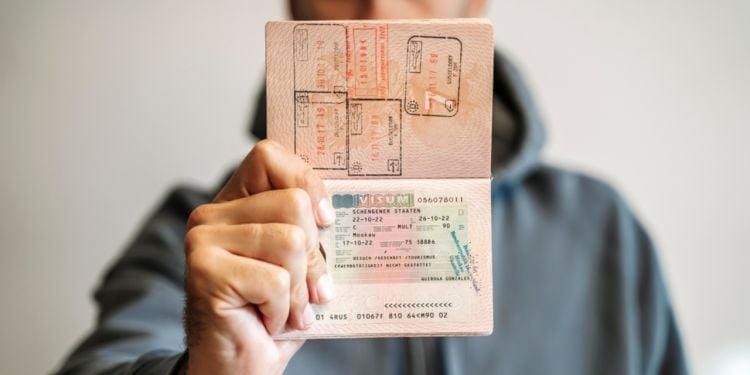
Before arriving in Australia, you’ll need a valid visa. The Department of Home Affairs manages all applications, which are submitted online. Preparation is key: have your personal documents ready, apply online where possible, and follow official guidance to navigate the process smoothly.
Australia has a range of visas for people visiting or moving to the country, including:
- Tourist and visitor visas
- Working holiday visas for young travelers
- Student visas
- Skilled worker visas
- Partner and parent visas
- Humanitarian visas for those seeking protection
🔍To learn more
Visas for Australia
If you plan on traveling to Australia, the first thing you'll need is a visa from the ...
Permanent residency in Australia
If you wish to make your move to Australia permanent, there are a number of ways to go about it. ...

The Working Holiday Visa in Australia
Young people can enjoy an extended holiday in Australia and work to fund their travels with ...
Working in Australia
Australia’s job market remains strong, with particular demand for skilled workers in:
- Health care and aged care
- Engineering and construction
- IT and digital services
- Mining, energy, and skilled trades
Australia has a vibrant and growing startup ecosystem, attracting entrepreneurs and investors across a range of industries and creating opportunities for innovation-driven businesses. Starting a business in Australia is relatively straightforward, and entrepreneurial expats benefit from:
- A dynamic economy
- Transparent procedures and processes
- A business-friendly environment
- Access to the Asia-Pacific market
Key employment figures
Unemployment rate: | 4.2% (August 2025) |
Minimum wage: | AUD 24.95 per hour (USD 16.24) (July 2025) |
Foreign-born workers: | 26.3% of the workforce in 2019-2020 |
Data correct as of October 2025
Sources: Australian Bureau of Statistics, Fair Work Ombudsman
🔍 To learn more
Work in Australia
Once you have a visa that allows you to work in Australia, the next step is finding a job. Perhaps ...

Starting a business in Australia
Foreigners wanting to start a business in Australia may find it challenging due to recent visa ...

Internships in Australia
Internships are popular in Australia, particularly in major cities like Sydney, Melbourne, and ...
Studying in Australia
Australia is one of the world’s top destinations for international students. Universities in Sydney, Melbourne, and Brisbane regularly appear in global rankings, and a degree from an Australian university can provide access to strong career pathways, both locally and internationally.
Top universities in Australia include:
- Australian National University (ANU) – Canberra, Australian Capital Territory
- University of Melbourne – Melbourne, Victoria
- University of Sydney – Sydney, New South Wales
- University of New South Wales (UNSW Sydney) – Sydney, New South Wales
- University of Queensland (UQ) – Brisbane, Queensland
- Monash University – Melbourne, Victoria
- University of Western Australia (UWA) – Perth, Western Australia
International students require a student visa to be able to study in the country, and Australia’s international student populationis comprised of students from a range of countries, including:
- China
- India
- Nepal
- Vietnam
- Philippines
- Colombia
- Bangladesh
- Indonesia
🔍 To learn more

Study in Australia
Australian universities are among the most highly rated in the world, making Australia a hot spot for international students. In 2024, there ...
Finance and banks in Australia
Opening a bank account in Australia is an essential first step for expats and can be done before arrival or once you’re in the country. Major banks like ANZ, Commonwealth Bank, NAB, and Westpac offer simple online applications that require identification and, eventually, an Australian address and Tax File Number. With convenient ATMs and online banking, managing money in Australia is straightforward.
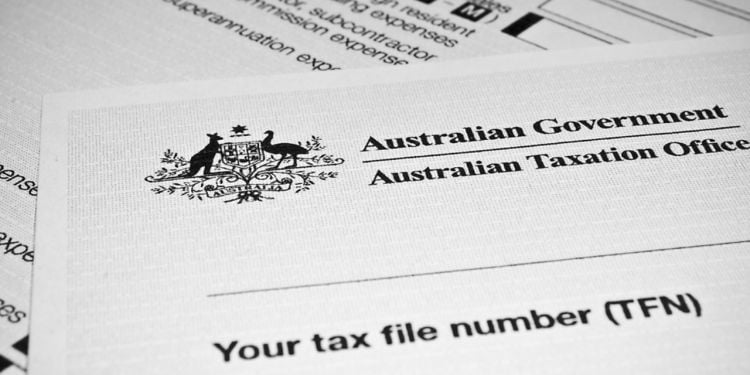
And if you’re an expat working in Australia, it’s essential to understand the tax system. Australia has a progressive income tax system, so higher earnings are taxed at higher rates. Most people file their tax returns between July and October each year. And if you work in Australia, you’ll need a Tax File Number (TFN), and all income earned in the country must be declared. Depending on your visa and length of stay, you may be treated as a resident or non-resident for tax purposes, which affects how much tax you pay.
🔍To learn more

Health care in Australia
Australia’s public health care system, Medicare, covers most basic medical services. However, not all expatriates are eligible, and access depends on your visa type and nationality. In such cases, private health insurance is required and is strongly recommended even for those eligible for Medicare, as it provides faster access to specialists and additional services. Preventive care, including vaccinations and screenings, is widely available and actively promoted by health authorities.
In Australia, emergency care in public hospitals can be fast, but non-urgent treatments and elective surgeries can involve long wait times. Private hospitals usually offer quicker access, especially for those with private health insurance, but Australia’s health system is under significant strain. Many Australians use a mix of public and private care to avoid delays.
🔍To learn more


Education and schools in Australia
Australia offers high-quality education that’s accessible to expat children, making it relatively easy for families to settle in. Children of Australian citizens and permanent residents can attend public schools for free, though extra costs like uniforms, books, and excursions usually apply. Expat children on temporary or international visas must generally pay school fees, whether in public or private schools; however, rules and fees vary from state to state or territory.
For families preferring alternatives, there are also private, Catholic, and international schools, some offering curricula in languages besides English. International schools are popular with expats in Australia and are usually concentrated in the major cities.
Curriculum options: Many schools offer the IB program from primary through to secondary education, while others provide additional curricula to suit different educational backgrounds.
Language support: Many international schools provide English as an Additional Language (EAL) support for non-native speakers.
Facilities: International schools often feature modern classrooms, sports facilities, arts programs, and extracurricular activities, supporting a well-rounded education.
Fees: tuition can be high, reflecting private school costs, but they are designed to meet the needs of global families.
🔍To learn more

Education in Australia
Australia is held in high regard for its education system, particularly for access to quality education, a balanced curriculum and highly trained ...
Accommodation in Australia
Renting in Australia comes with a few key things to know: most rentals are unfurnished, so you’ll usually need to provide your own furniture, lease agreements typically run for six to 12 months, with options to renew, and rental costs vary widely depending on the city and proximity to the CBD.
Types of rental housing in Australia
- Apartments/units: common in cities; range from studios to multi-bedroom units.
- Houses/detached homes: popular in suburban areas; offer more space and gardens, ideal for families.
- Townhouses/duplexes: a middle-ground option with more space than an apartment but less maintenance than a whole house.
- Shared accommodation/flat shares: renting a room in a house or apartment with others; good for singles or students.
- Serviced apartments: fully furnished, utilities included, often with cleaning services; ideal for short-term or corporate stays.
- Student housing/on-campus residences: managed by universities or private providers, tailored for international students.
🔍 To learn more
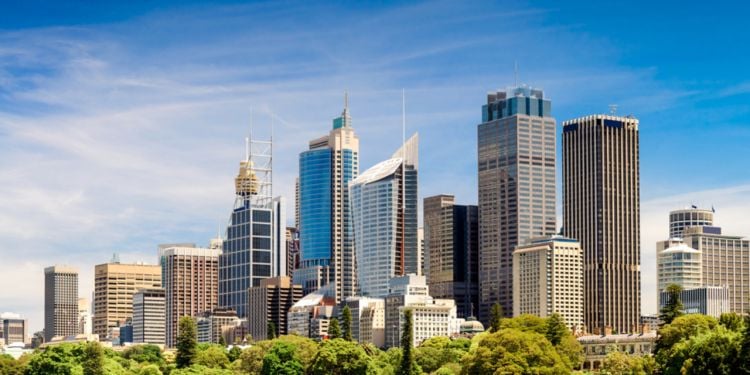

Planning your move to Australia
Australia enforces strict customs and biosecurity rules, so understanding what you can and cannot bring is the first step in planning your move. Certain foods, plants, and products made from animals or plants may be restricted or require permits. Failing to comply can result in fines or confiscation, so it’s essential to check the rules through the Australian Border Force before you pack.
Once you’ve confirmed what can enter the country, preparing your relocation carefully will make the transition smoother. Your visa type—whether for work, study, or family—determines the duration of your stay and what paperwork you’ll need. Hiring a reputable international relocation company can help manage packing, shipping, and customs procedures, while keeping a detailed inventory and arranging insurance ensures your belongings arrive safely. With proper planning, compliance, and professional support, your move to Australia can be efficient and stress-free.
🔍To learn more
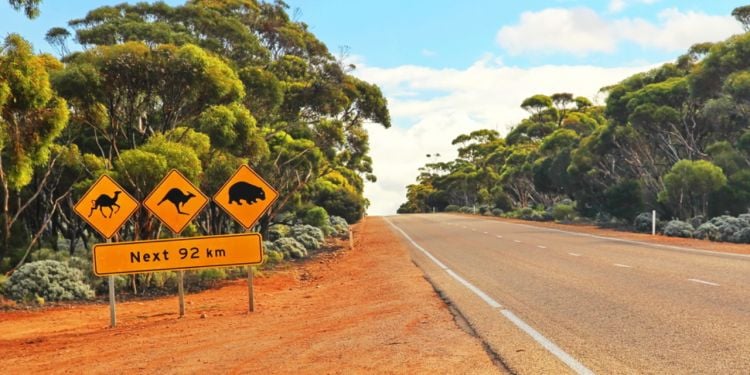
Relocating to Australia
Packing up your house and moving to another country is a huge undertaking. And if you're moving ...

Moving to Australia with your pet
If you're looking to move to Australia for an extended period and want to bring your ...
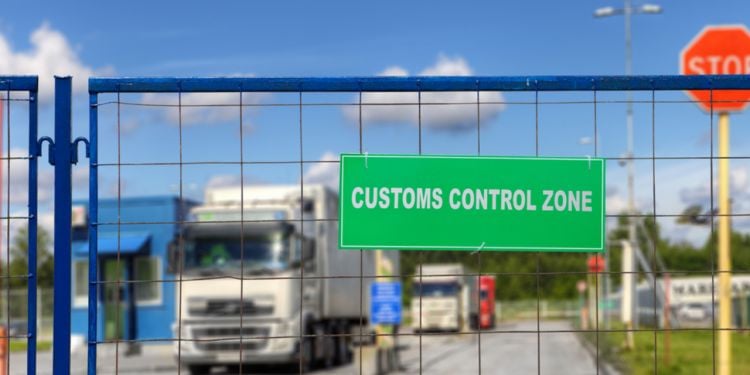
Customs formalities in Australia
Australia takes biosecurity very seriously. Its geographic isolation provides some protection from ...
Leisure in Australia
Australia offers expats a wealth of opportunities to enjoy an active and adventurous lifestyle. With its stunning coastline, expansive national parks, and diverse landscapes, there is always something to explore. From surfing on world-famous beaches to snorkeling at the Great Barrier Reef, water sports are a major part of Australian life. Inland, hiking trails, cycling routes, and scenic drives provide endless options for outdoor enthusiasts. Joining local sports clubs for rugby, cricket, or Australian rules footy is also a popular way to meet people and integrate into the community.
Popular leisure activities in Australia beyond outdoor adventure include:
- Visiting museums, galleries, and cultural centers showcasing Aboriginal and Torres Strait Islander art
- Attending live music concerts, theatre performances, and city festivals
- Enjoying wine tasting tours and local breweries
- Exploring food markets and sampling diverse international cuisines
- Shopping at boutiques, markets, and large retail centers
- Taking part in community events and multicultural celebrations
🔍 To learn more
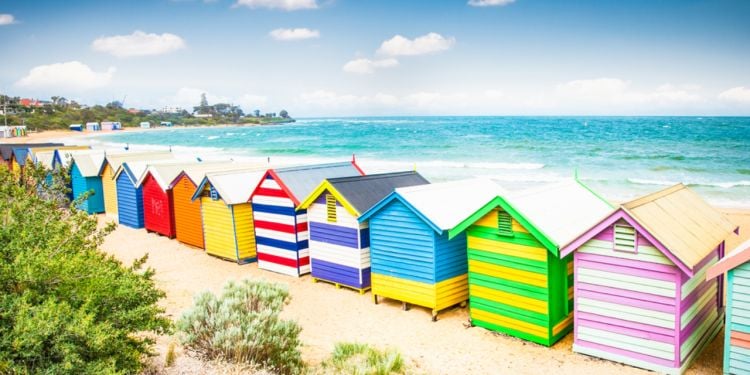
Things to do in Australia
There is so much to see and do in Australia, and expats can have an incredible time discovering the beauty of the country. Australia is well known ...
Everyday life in Australia
The Australian lifestyle is relaxed, and there is a strong focus on outdoor fun, whether you’re at the beach or exploring one of the many national parks or urban green spaces. Aussie social life is informal, and expats often find integration easier than in many other countries, thanks to Australia’s cultural diversity and openness. Work culture is considered informal, yet professional, and Aussies value their work-life balance. Australia is also regarded as safe compared to other places in the world.
🔍To learn more
Living in Australia
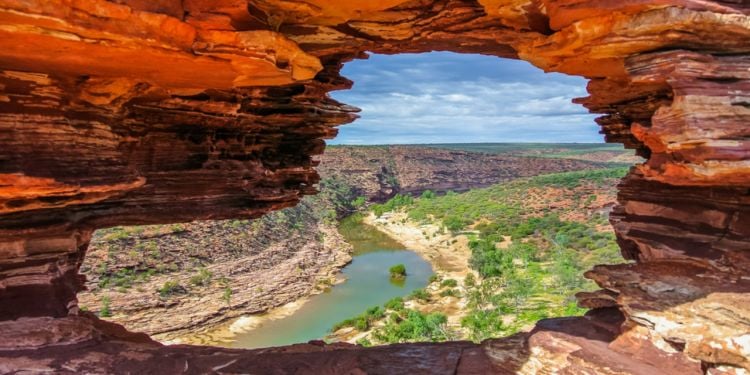
The land Down Under is a modern and dynamic country, with picture-perfect beaches, glorious weather, and some of the most amazing landscapes on the ...
Getting around in Australia
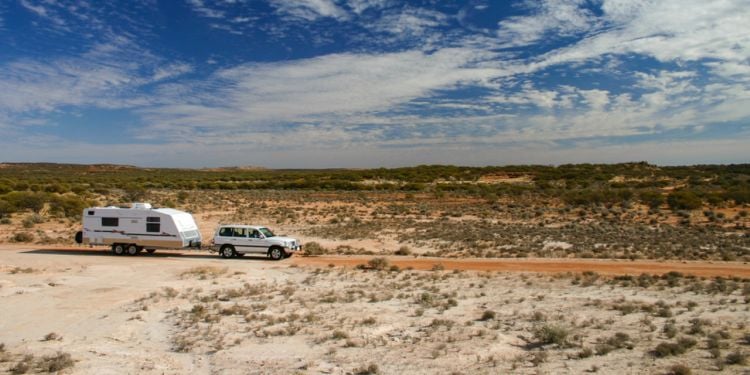
Australia is a huge country, with vast distances between its major cities and attractions scattered across every region. From remote natural wonders ...

Phones, Internet, and the postal service in Australia
Once you have arrived in Australia, you'll want to stay connected with family and friends. There are many ways to keep in touch these days, and ...
Cost of living in Australia
The cost of living in Australia varies significantly depending on where you live. Sydney and Melbourne are the most expensive, while smaller cities and regional towns are more affordable. Housing, transport, and groceries make up the largest share of expenses.
Monthly expenses | Single expat | Family of four |
Rent (city center) | 1 bedroom: AUD 2,160 (USD 1,405) | 3 bedroom: AUD 3,550–6,840 (USD 2,308–4,446) |
Rent (suburbs) | 1 bedroom: AUD 1,670 (USD 1,086) | 3 bedroom: AUD 2,690–4,160 (USD 1,749–2,704) |
Utilities (electricity, water, gas, Internet) | AUD 270 (USD 176) | AUD 400 (USD 260) |
Groceries | AUD 600 (USD 390) | AUD 1,500 (USD 975) |
Transportation (car, fuel, public transport) | AUD 330 (USD 215) | AUD 990 (USD 645) |
Dining out and entertainment | AUD 675 (USD 440) | AUD 2,025–3,375 (USD 1,316–2,190) |
Source: Numbeo
Outro
Moving to Australia is more than a change of address—it’s a chance to embrace a lifestyle that balances opportunity and adventure. From vibrant cities to vast natural landscapes, newcomers can immerse themselves in a culture that values both work and play.
What sets Australia apart is its combination of stunning natural beauty, from iconic beaches and the Outback to lush rainforests, alongside vibrant, multicultural cities. A strong emphasis on outdoor living, sports, and social connection creates a lifestyle that is active, diverse, and uniquely Australian.
We do our best to provide accurate and up to date information. However, if you have noticed any inaccuracies in this content, please contact us.


News & testimonies

Australia considers regional visa rules for foreign workers
Australia is amid a major rethink of its regional migration policy, aiming to attract more skilled foreign workers to areas beyond its major cities. The goal? To help fill critical labor shortages in regional communities and make it easier for expatriates to settle and thrive outside the country's urban centers.
Australia's challenge to attract foreign talent amid inflation and housing shortages
Labor shortages are compelling Australia to seek foreign talent, which is considered essential for economic growth. Meanwhile, the housing crisis is increasing against a backdrop of persistently high inflation. Here's an overview of the current situation in Australia and the implications for foreigners.

How to overcome language test hurdles when moving abroad
Language tests are often required for studying or working abroad, or obtaining a residence permit, but they are often criticized. Some people find them too numerous and costly, especially when they have already proven their language proficiency. Regardless of your reason for moving abroad, here's how you can cope with language test hurdles.
Australia to overhaul visa policy: What does this mean for expatriates?
The Australian government is currently reviewing its visa policy, as announced by Home Affairs Minister Clare O'Neil, in preparation for the finalization of the federal budget. The changes are expected to come into effect on 1 July, the start of the financial year in Australia. The review aims to align the visa policy with the country's objectives and tackle the exploitation of temporary workers. According to the government, the existing system is flawed and no longer reflects market realities. What does this mean for expatriates?
Essential services for your expat journey