

Living in Philadelphia: the ultimate expat guide
Everything you need to know for a successful life in Philadelphia.
Philadelphia, the largest city in Pennsylvania with a population of 1.6 million residents, combines rich historical significance with modern urban living. As the birthplace of American democracy and the nation's first World Heritage City, Philadelphia offers expatriates a unique blend of colonial heritage and contemporary opportunities. The city sits strategically between New York and Washington, D.C., making it an accessible hub for professionals and families alike.
Why Choose Philadelphia?
Philadelphia delivers a compelling package for international newcomers seeking an authentic American experience without the extreme costs of coastal metropolises. The city's affordability, combined with world-class healthcare and educational institutions, creates an attractive environment for long-term settlement.
5 Good Reasons to Move to Philadelphia
- Affordability: Cost of living is approximately 35% lower than New York City, making it accessible for professionals and families.
- Healthcare Excellence: Home to leading medical institutions including Penn Medicine, Jefferson Health, and Children's Hospital of Philadelphia.
- Educational Opportunities: Over 80 colleges and universities, including Ivy League institution University of Pennsylvania.
- Cultural Heritage: Independence Hall, the Liberty Bell, and numerous museums offer unparalleled access to American history.
- Diverse Neighborhoods: From historic Old City to trendy Fishtown, Philadelphia offers distinctive communities to suit every lifestyle.
Working in Philadelphia: Careers in Healthcare, Tech, and Finance
Philadelphia's economy has transformed from its manufacturing roots into a service-oriented powerhouse anchored by healthcare, education, financial services, and technology. The metropolitan area produces a gross domestic product exceeding $479 billion annually, ranking among the top ten U.S. metropolitan economies. For international workers, the city offers diverse career pathways across multiple high-growth sectors.
Key Industries and Employers
The Education and Health Services sector employs one in five Philadelphia workers, driven by anchor institutions like the University of Pennsylvania Health System, Jefferson Health, and Temple University Hospital. The sector added 28,400 jobs between 2024 and 2025, reflecting robust demand for healthcare professionals. Major corporate employers include Comcast (telecommunications), AmerisourceBergen (pharmaceutical distribution), and Cigna (insurance), alongside numerous life sciences companies in the growing biotechnology cluster.
Employment Statistics
The following table presents key employment indicators for Philadelphia County as of 2025.
Unemployment Rate | 6.0% (August 2025) |
Median Household Income | $60,500 per year |
Top Employment Sector | Education and Health Services (21%) |
Sources: U.S. Bureau of Labor Statistics, U.S. Census Bureau
Work Permits and Visas
International workers require appropriate visa sponsorship to work legally in Philadelphia. Common employment visas include the H-1B for specialty occupations, L-1 for intracompany transfers, and O-1 for individuals with extraordinary ability. Philadelphia's universities and healthcare institutions regularly sponsor international talent, and the city's growing tech sector increasingly recruits globally.
Higher Education in Philadelphia: From Ivy League to Public Universities
Philadelphia ranks among America's premier educational destinations, hosting over 80 colleges and universities within the metropolitan region. The city attracts thousands of international students annually, drawn by prestigious programs, research opportunities, and the practical experience offered through co-op programs. From world-renowned private institutions to accessible public universities, Philadelphia provides pathways for every academic ambition.
Leading Universities
The University of Pennsylvania (UPenn), founded by Benjamin Franklin in 1740, stands as one of eight Ivy League institutions and consistently ranks among the world's top universities. With approximately 22,000 students and exceptional programs in business (Wharton), medicine, law, and engineering, UPenn represents the pinnacle of academic achievement. Annual tuition and fees for international undergraduates reach approximately $80,000, though substantial financial aid is available.
Temple University, Philadelphia's only public research university, enrolls over 37,000 students across 17 schools and colleges. International undergraduate tuition stands at approximately $30,864 per year, making it a more affordable option. Temple maintains international campuses in Tokyo and Rome, expanding global learning opportunities.
Drexel University distinguishes itself through its cooperative education program, offering students up to 18 months of paid work experience before graduation. International undergraduate tuition is approximately $62,000 annually. Located in University City adjacent to UPenn, Drexel provides strong programs in engineering, business, and health sciences.
Admission and Resources
International applicants typically submit standardized test scores (SAT/ACT for undergraduates, GRE/GMAT for graduates), English proficiency tests (TOEFL or IELTS), academic transcripts, and recommendation letters. Each university maintains dedicated international student services offices to support visa processing and cultural adjustment.
Sources: University of Pennsylvania, Temple University, Drexel University
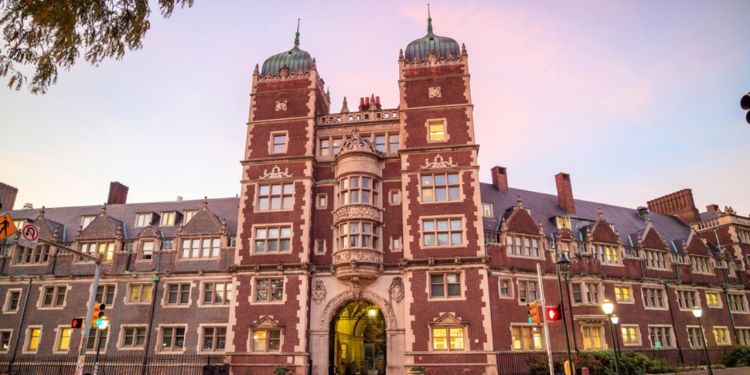
Study in Philadelphia
Located between New York and Baltimore, Philadelphia – affectionately called Philly- has a rich history, affordable public transport, and a ...
Schools for Expatriate Children: International and Public Options
Families relocating to Philadelphia will find diverse schooling options ranging from public schools offering International Baccalaureate programs to private bilingual institutions. While Philadelphia lacks British-curriculum schools, several alternatives provide internationally recognized education pathways suitable for globally mobile families.
International and Private Schools
The French International School of Philadelphia (École Française Internationale de Philadelphie) in Bala Cynwyd offers the primary bilingual option in the region, teaching both French and American curricula from Pre-K through 8th grade. The school prepares students for French Baccalauréat or International Baccalaureate pathways.
The Pan American Academy Charter School operates as an International Baccalaureate World School, offering both Primary Years and Middle Years programmes with English-Spanish bilingual instruction. As a public charter school, it charges no tuition, though admissions are competitive.
Private institutions like The Philadelphia School offer progressive education with annual tuition around $30,000-$35,000, with approximately 30% of families receiving tuition assistance. Other notable private schools include Germantown Friends School, Friends Select School, and William Penn Charter School.
Public School System
The School District of Philadelphia operates the eighth-largest public school system in the United States. Quality varies significantly by neighborhood, with schools in areas like Chestnut Hill and Center City generally receiving higher ratings. All children, including those of expatriates, can attend public schools free of charge within their residential zone. Parents should research school performance data before selecting a neighborhood.
Sources: School District of Philadelphia, French International School of Philadelphia
Housing and Neighborhoods: Where to Live in Philadelphia
Philadelphia's housing market offers exceptional value compared to other major East Coast cities, with diverse options ranging from historic rowhouses to modern high-rise apartments. The city's distinct neighborhoods each carry unique character, allowing newcomers to find communities matching their lifestyle preferences and budget constraints.
Popular Neighborhoods for Expatriates
Rittenhouse Square represents Philadelphia's most prestigious address, featuring luxury high-rises overlooking the famous park, upscale dining, and boutique shopping. With a Walk Score of 99/100, residents can access everything on foot. One-bedroom apartments average $2,200-$2,500 monthly.
University City, home to UPenn and Drexel, attracts academics, researchers, and young professionals. The neighborhood offers convenient transit access and a diverse, energetic atmosphere with rents averaging $1,800-$2,200 for one-bedroom units.
Fishtown has emerged as a trendy hub for creative professionals, featuring converted warehouses, craft breweries, and independent restaurants. One-bedroom apartments typically rent for $1,600-$2,000 monthly.
Chestnut Hill appeals to families seeking suburban character with excellent schools while remaining within city limits. This tree-lined neighborhood offers larger homes and a small-town atmosphere.
Rental Prices
The following table shows average monthly rental prices across Philadelphia as of 2025.
Studio Apartment | $1,395 - $1,550 |
1-Bedroom Apartment | $1,545 - $1,750 |
3-Bedroom Apartment | $2,200 - $3,100 |
Sources: Apartments.com, Apartment List
Rental Procedures
Landlords typically require proof of income (pay stubs or employment letter), credit history, references, and first month's rent plus security deposit (usually one month's rent). International renters without U.S. credit history may need to provide additional documentation or pay higher deposits.
Culture, Leisure, and Things to Do in Philadelphia
Philadelphia's cultural offerings span world-class museums, professional sports, vibrant nightlife, and outdoor recreation. As America's first World Heritage City, the destination blends historical significance with contemporary arts and entertainment, ensuring residents never lack for activities.
Museums and Historical Sites
The Philadelphia Museum of Art, famous for its "Rocky Steps," houses over 240,000 works spanning 2,000 years of artistic achievement. Nearby, the Barnes Foundation displays an exceptional collection of French Impressionist and Post-Impressionist paintings. The Franklin Institute engages visitors of all ages with interactive science exhibits.
Independence National Historical Park preserves the nation's founding story, including free admission to the Liberty Bell Center and guided tours of Independence Hall, where both the Declaration of Independence and Constitution were signed. The National Constitution Center offers immersive exhibits exploring American democracy.
Parks and Recreation
Fairmount Park, one of America's largest urban park systems, encompasses over 2,000 acres along the Schuylkill River, offering trails, sports facilities, and historic mansions. The Schuylkill River Trail provides 30 miles of paths for running, cycling, and walking. Rittenhouse Square serves as Center City's beloved green space for relaxation and people-watching.
Entertainment and Nightlife
The Avenue of the Arts (South Broad Street) hosts the Kimmel Center for the Performing Arts, home to the Philadelphia Orchestra, as well as numerous theaters and music venues. Neighborhoods like Fishtown and Northern Liberties feature craft breweries, live music venues, and eclectic dining. Reading Terminal Market showcases local food culture with over 80 merchants selling everything from Amish goods to international cuisine.
Sources: Visit Philadelphia, National Park Service
Daily Life in Philadelphia: Transportation and Local Culture
Philadelphia offers a walkable urban lifestyle with comprehensive public transportation, distinct seasonal changes, and a proud local culture. Residents embrace the city's working-class heritage while enjoying access to arts, sports, and culinary experiences that rival larger metropolitan areas.
Getting Around
SEPTA (Southeastern Pennsylvania Transportation Authority) operates an extensive network of buses, subways, trolleys, and regional rail lines serving the city and five surrounding counties. A monthly TransPass costs $116 and provides unlimited travel on all transit services within the city. Single rides cost $2.90 using SEPTA Key or contactless payment.
The SEPTA Regional Rail connects Center City to suburban areas, the airport, and neighboring states. Philadelphia International Airport sits just 20 minutes from downtown via the Airport Line. The city's grid layout and relatively compact center make walking and cycling practical options, with the Indego bike-share program offering stations throughout the city.
Climate and Lifestyle
Philadelphia experiences four distinct seasons: hot, humid summers (average highs of 86°F/30°C in July), colorful autumn foliage, cold winters with occasional snowfall (average January lows of 26°F/-3°C), and pleasant springs. Residents adapt their routines seasonally, enjoying outdoor festivals and street fairs in warmer months.
The city's culinary identity centers on iconic foods including the Philly cheesesteak, soft pretzels, and hoagies. The Reading Terminal Market, operating since 1893, showcases local vendors selling everything from Amish produce to international cuisines. Philadelphians take pride in their passionate sports culture, supporting the Eagles (football), Phillies (baseball), 76ers (basketball), and Flyers (hockey).
Sources: SEPTA, Visit Philadelphia
Cost of Living in Philadelphia: Monthly Budgets Explained
Philadelphia delivers exceptional value among major East Coast cities, with overall living costs approximately 35% lower than New York and 20% lower than Boston. While housing remains the largest expense, everyday costs for groceries, dining, and transportation remain manageable for most professionals and families.
Monthly Budget: Single Person
The following table estimates monthly expenses for a single professional living in Philadelphia.
Category | Monthly Cost (USD) |
Rent (1-bedroom, city center) | $1,700 - $1,900 |
Utilities (electricity, heating, water) | $150 - $180 |
Internet | $60 - $80 |
Groceries | $300 - $400 |
Transportation (monthly pass) | $116 |
Health Insurance | $140 - $300 |
Total Estimated | $2,466 - $2,976 |
Sources: Numbeo, MIT Living Wage Calculator
Monthly Budget: Family of Four
The following table estimates monthly expenses for a family of four with two children in Philadelphia.
Category | Monthly Cost (USD) |
Rent (3-bedroom apartment) | $2,500 - $3,200 |
Utilities | $200 - $280 |
Internet | $60 - $80 |
Groceries | $800 - $1,000 |
Transportation | $232 (2 passes) |
Health Insurance (family) | $500 - $800 |
Private School (per child) | $2,500 - $3,000 |
Total Estimated | $6,792 - $8,360 |
Note: Public schools are free; private school costs included for expatriate families preferring international education.
Sources: Numbeo, MIT Living Wage Calculator
In Short: Your Philadelphia Adventure Begins
Philadelphia welcomes expatriates with open arms, offering an authentic American experience at a fraction of the cost of neighboring metropolises. From world-renowned universities and cutting-edge healthcare to historic landmarks and thriving food scenes, the City of Brotherly Love delivers remarkable quality of life. Whether you're drawn by career opportunities in healthcare and technology, seeking affordable urban living, or hoping to immerse your family in American history and culture, Philadelphia provides a solid foundation for your next chapter.
Ready to connect with fellow expatriates and learn from those who've made the move? Join the Philadelphia forum on Expat.com to ask questions, share experiences, and build your community before and after arrival. Your Philadelphia adventure starts here.
We do our best to provide accurate and up to date information. However, if you have noticed any inaccuracies in this content, please contact us.


Essential services for your expat journey