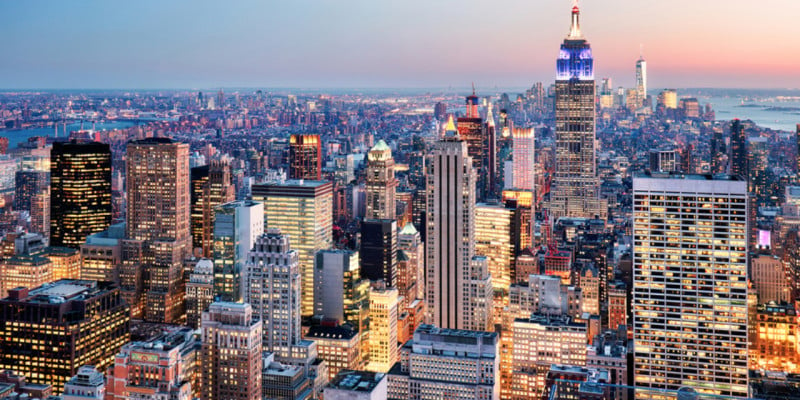
One of the most iconic cities in the world, New York is instantly recognizable to most of us from films and television. Famous for its architecture, cultural energy, history, landmarks, yellow cabs, Wall Street, and so much more, New York draws expats from all over the world to its five boroughs. Whether you come for work, study, or adventure, here's what you need to know about life in the Big Apple.
New York City is a coastal city built largely on islands. Much of the land it was built on was originally marshland, tidal flats, and small low-lying islands that were gradually drained, filled in or reshaped to create the modern city. When in the city itself, it's very easy to forget the city's marshy past; however, Manhattan and Staten Island are true islands, while Brooklyn and Queens occupy the western edge of Long Island, and the Bronx sits on the mainland. The city is surrounded by water, with the Hudson River on the west, the East River and Harlem River between its boroughs, and the Upper and Lower New York Bays opening to the Atlantic Ocean. This geography has shaped everything from the city's early shipping trade to its skyline of bridges and ferries. The iconic landmarks like the Empire State Building, Chrysler Building, and One World Trade Center shape one of the world's most recognizable skylines.
One of the most powerful economic centers in the world, New York's global strength lies in finance, commerce, media, technology, and tourism. Wall Street, home to the world's most influential stock exchange, is the financial heart of the city. Nearly 60 million visitors come to the city annually, making tourism a major driver of income. While the cost of living is among the highest globally, salaries in NYC also tend to be higher than in many other regions. New York is a competitive place to live, and there is a real sense of hustle and ambition among its residents.
Get regular tips and advice to make the most of your expat life
Getting around New York
Getting around New York is a key part of getting to grips with the city. The Metropolitan Transportation Authority (MTA) runs one of the largest public transit networks in the world, with 24-hour subway service andbus routes, and commuter trains heading into surrounding states. Expect subways to be crowded, gritty, and filled with both everyday commuters and more colorful characters. Rats are a common sight, but so are amazing street performers. Many residents rely on public transport rather than driving, and smoothly using the subway is a great way to start feeling like a local.
Social life in New York
The motto “work hard, play hard” captures the New York spirit well. After work, many residents head out for drinks or dinner with colleagues, and weekends are filled with brunches, fitness classes, gallery visits, and concerts. The city truly earns its nickname: “the city that never sleeps.” New York's cosmopolitan mix makes it easy to meet people, though building deeper friendships can take time. It can feel hard to “break in” to established friend groups or find the time to make acquaintances turn into deeper connections. Shared accommodation, workplaces, volunteering, shared hobbies, and creative outlets are great ways to form friendships.
Although the United States has no official language, English predominates. Yet New York is one of the most linguistically diverse cities on earth, with nearly 800 languages spoken daily. Around 65 percent of residents speak English at home, so a good grasp of English is essential for work and daily life. Still, you'll hear Spanish, Chinese, Russian, Bengali, and many other languages across the boroughs, a true reflection of the city's global identity. Different parts of the city tend to be home to different cultural blocs; for example, Chinatown in Manhattan is one of the oldest and largest Chinese enclaves outside Asia, Brighton Beach in Brooklyn is known for its strong Russian and Ukrainian presence, and Harlem has deep African American roots and is still a center for Black culture and jazz.
Dining out in New York
Dining out is integral to the city's culture. With over 20,000 restaurants, New York is crammed with dining options. Locals eat out roughly four times per week, spending well above the national average. Food trucks, neighborhood delis, pizza by the slice, farm-to-table small plate offerings, and Michelin-starred dining are all available. There's truly something for every palate and every budget.
Dating in New York
Dating in can be fast-paced and varied, but the variety of people (and apps to meet them on) can make the dating scene disheartening for some, creating a feeling where commitment is optional and everyone thinks there might be someone “better” around the corner. However, plenty of people find love in New York; you just have to be persistent and clear about what you want. Many people meet through apps such as Hinge, Bumble, or Grindr, while others connect through social events or hobbies. With such a diverse population, casual dating is common, and it can take time to find lasting connections. Parks, cafés, and community events often provide more relaxed settings to meet people beyond screens.
Culture in New York is everywhere. You'll see amazing street art and street performers; there are gallery openings and exhibitions happening constantly, and the citizens themselves can be strikingly fashionable and interesting-looking. The city is truly a global center for theater, film, music, and design. There are iconic and established centers of culture like Broadway, the Metropolitan Museum of Art, and Lincoln Center, but also exciting niche art scenes, music venues, readings, and indie galleries, which contrast with Manhattan's high-end institutions. The city's multicultural population fuels festivals and parades year-round, from the Chinese New Year in Chinatown to the Puerto Rican Day Parade and Pride March.
New York's climate
New York's humid continental climate brings four distinct seasons. Winters are cold and snowy, with temperatures often below zero and brisk winds sweeping the avenues. Summers are hot and humid (picture the fire hydrant going off in the street), with air conditioning running constantly. Spring and autumn are more pleasant and tend to be more comfortable for most people, especially if you enjoy time outside.
Nature and green spaces in New York
Despite its density, New York is still remarkably green, with around 1,700 parks across its boroughs. Central Park remains the city's most popular park, stretching between the Upper East and West Sides of Manhattan. At 843 acres, it is truly enormous and has so many areas to explore; you can genuinely get lost in there. Other gems include Prospect Park in Brooklyn and Flushing Meadows-Corona Park in Queens. On warm days, locals head to beaches such as Coney Island, Rockaway, or Long Beach to enjoy the Atlantic breeze, swim, and sunbathe.
Adjusting to life in such a vast, fast-moving city can take time. Be ready for the pace: truly everything moves quickly, from work to transport to social life but you'll also find strong communities once you carve out your niche. Patience, curiosity, and openness to diversity will help you thrive in New York.
We do our best to provide accurate and up to date information. However, if you have noticed any inaccuracies in this article, please let us know in the comments section below.