Navigating the bustling metropolis of New York as an expat can be intimidating. The city's transportation network is huge, including 24-hour subways, commuter trains, ferries, buses, taxis, rideshares, and expanding cycle lanes. Getting a handle on the best ways to get from A to B in New York will vastly improve your experience in the city, and it's one of the first things you should try and master. Luckily, New York City is famous for having one of the most extensive and efficient public transport systems in the world, so once you understand your options, you should have no issue getting from A to B.
Most New Yorkers travel by Metropolitan Transportation Authority (MTA) buses and the subways to get to work. More than 400 subway stations, spread throughout 36 lines, are scattered throughout the boroughs of Manhattan, Queens, Brooklyn, and the Bronx. For most people, these are the fastest and cheapest means of transport, and buses and subways are operational on a 24/7 basis.
A single ride fare in New York is $3.50, with an unlimited weekly pass at $34.50 and a monthly pass at $132. The old MetroCard system is currently being phased out, replaced by OMNY, a contactless payment system available across all subways and buses. Riders can tap with a phone, bank card, or OMNY card (which costs $2, excluding balance).
A major new project, the Interborough Express (IBX), will soon link Queens and Brooklyn via a new light-rail line, offering a faster alternative for commuters.
Many employers continue to offer commuter benefits that cover part or all of your public transport costs.
Like in every big city, traffic jams are common in New York, which is often a significant problem for employees going to work during peak hours. It is sometimes much faster to use the subway than to use a car in New York. Cost-wise, gas is significantly cheaper in the United States than in many European and Asian countries; however, the hassle of parking a car and the traffic issues may counterbalance this advantage. In addition, congestion pricing was introduced in 2025, which means that drivers entering Manhattan south of 60th Street are now charged $9.00 during the day.
Finding parking remains very challenging, especially in Manhattan and Brooklyn. In Queens and some outer areas, street parking is still relatively manageable, but competition is fierce in some neighborhoods. There is also the issue of moving your car on street cleaning days, which can be a big hassle.
Get regular tips and advice to make the most of your expat life
Cycling, walking, and e-scooters in New York
If you live reasonably close to your workplace or university, walking can be the most pleasant way to get around, depending on the season, of course. Many neighborhoods remain highly walkable, and new pedestrian-friendly areas are being developed.
Biking is also a popular and very affordable option if you're a confident rider. Citi Bike is the city's main bike-sharing system, priced at $3 per 30 minutes. This network continues to expand, particularly in Brooklyn and Queens, and dedicated bike lanes are being added every year. It's easy to buy a new or used bike, and Craigslist remains a go-to resource for affordable second-hand sales.
If you're looking for an alternative way to get around, or just something different and a little bit fun, then electric scooters and other “micro-mobility” options are increasingly part of the landscape in New York and offer useful bridging options in many neighborhoods, especially for shorter legs of a journey. Popular providers of e-scooters in the city are Lime, Bird, and Veo. Each company requires users to download its dedicated app and add funds to their account before they can unlock a scooter. The apps allow you to locate available scooters nearby, unlock them via QR code, and pay per minute of use.
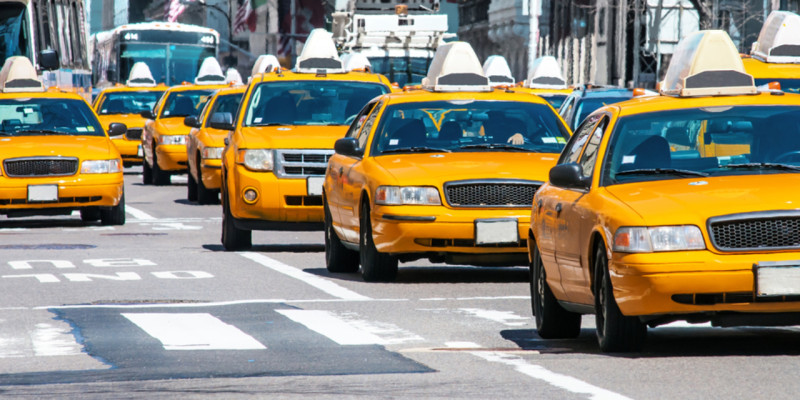
In addition to public transportation, ride-sharing services and traditional taxis play a significant role in New York City's mobility landscape. Ride-sharing companies like Uber and Lyft are very convenient for navigating the city but can be expensive as an everyday option. Taxis, a quintessential part of the city's identity, offer curbside accessibility and a classic New York experience. While these options are great, they can also be affected by traffic congestion.
We do our best to provide accurate and up to date information. However, if you have noticed any inaccuracies in this article, please let us know in the comments section below.