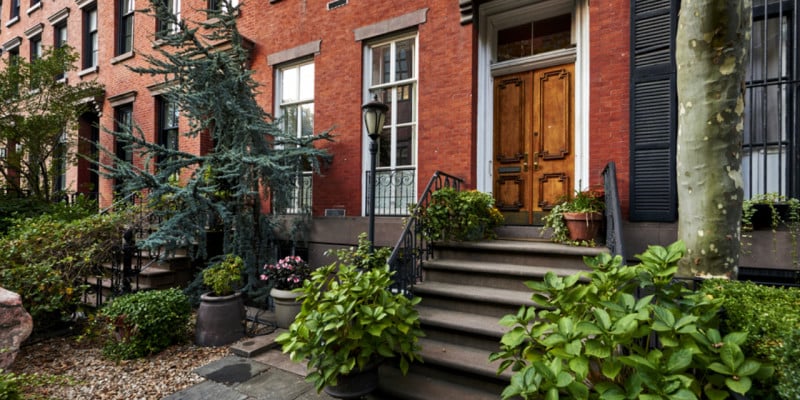
The biggest city in the United States, New York is home to world-famous monuments, amazing restaurants, art, theater, music, and architecture. With over 8.4 million residents, New York is one of the most populated cities in the United States. Over 800 languages are spoken in the city, and 40% of its residents were born in foreign countries. The city's vibrant and cosmopolitan culture makes it one of the most desirable destinations for expats in the US to settle in. However, like any other big city, New York has its own setbacks—the most obvious being high rental costs and a fiercely competitive housing market. Finding accommodation in New York can be extremely difficult, especially when you are on a restricted budget.
New York has one of the highest costs of living in the United States and, according to Mercer's 2025 cost-of-living data, it is in the top ten most expensive cities in the world.
Median rent citywide is about $3,600 per month, about a 5.4% increase from the previous year. Manhattan is the most expensive borough, with average rents for a one-bedroom in doorman buildings now at approximately $5,200 per month, and non-doorman buildings around $4,200–$4,800. Brooklyn averages $2,800–$4,085 for a one-bedroom, Queens $2,700–$3,200, Bronx $2,100, and Staten Island $2,000. Studios start from $1,200 in the Bronx and Staten Island, and from $2,200 in Manhattan. Two-bedroom apartments are typically over $6,200 in Manhattan and above $4,000 in Brooklyn.
Many people living in New York live in small apartments, studios, or with roommates to keep costs down. Some people, especially families, move farther from Manhattan to outer boroughs or even nearby cities like Jersey City, Hoboken, or Yonkers, where rents are slightly lower but commutes are longer.
Accommodation prices depend hugely on where you live in New York and what kind of accommodation you're after — townhouses and lofts will be far more costly than studios or house sharing arrangements. Manhattan's 57th Street is famous for having some of the most expensive real estate in the world, and renowned areas like Greenwich, SoHo, and Tribeca are also very costly. The further away you move from central New York, the lower the prices and the bigger the apartments will get. This is why it is important to look into the different neighborhoods of New York before arriving so that you have a good sense of which properties and locations fall within your price range.
You've probably heard of New York's famous neighborhoods like Tribeca or the Upper East Side. But just because they're well known doesn't mean they're the best places for expats to live. If you look a little deeper into the city's five boroughs, you might discover areas that offer far better value, community, or convenience.
When exploring where to live, keep in mind that most New Yorkers commute within their own borough. So if your office is in Queens, for example, it usually makes sense to look for housing nearby rather than across the river.
Another key factor is rent. No matter where you settle, expect to spend 30% to 50% of your salary on housing, and in Manhattan, it can climb as high as 65%. Because of this, landlords often ask for proof offinancial stability, and many require your gross annual income to be at least 40 times your monthly rent before approving a lease.
Get regular tips and advice to make the most of your expat life
Boroughs and neighborhoods in New York
New York comprises five boroughs: Manhattan, Brooklyn, Bronx, Queens, and Staten Island.
Manhattan
Manhattan is the most densely populated borough in New York and is home to over 1.6 million people. This small island (23 square miles) is also filled with some of the most-visited New York attractions — including Times Square and Wall Street.
Manhattan has great public schools, easy commutes, beautiful parks (including the world-famous Central Park), and truly remarkable architecture. The area also boasts exciting nightlife, from theatres to gourmet restaurants, clubs, bars, shows, and more.
With that, all of these amenities come at a price. The cost of renting in Manhattan is several times higher than the rent in an average US city. The average rent for a studio in Manhattan is about $3,600 per month. A one-bedroom averages $4,000 per month, and the larger the apartment, the higher the costs.
If you are interested in settling in Manhattan, consider the following neighborhoods:
Upper West Side: This is a family-oriented neighborhood close to Central Park and with many amenities within walking distance. There are many museums here, good schools and shopping meccas like Bloomingdale. The average rent for an apartment on the Upper West Side is now around $5,947–$6,048 per month, according to RentCafe.
Inwood: If you are looking for the peacefulness and safety of the suburbs, within 30 minutes of all the action of the city center, take a look at Inwood. One of the biggest benefits of living in Inwood is the greenery. Here, you will find Isham Park and Inwood Hill Park — and Fort Tryon Park is also within walking distance. Another important benefit is the pricing. By New York standards, rent in Inwood is really inexpensive, and you might snatch up a two-bedroom place for a bit over $2,700.
Roosevelt Island: This is a relatively small community of around 14,000 people sitting right in the middle of the East River. This neighborhood is best suited for young couples and professionals looking for some peace and quiet while being close to the city. This area is very well-connected — especially to Queens and Manhattan. The average rent here is around $4,200.
Even if you've never set foot in New York, you've probably heard of Brooklyn. Today, it's the most populous New York borough, with over 2.5 million residents. Brooklyn is a borough with a unique culture and feel, known for its hipsters and creative scene. In general, living here is significantly cheaper than living in Manhattan.
Brooklyn is well-connected to other boroughs. It is bordered by a lot of water: the East River, the Upper and Lower New York Bays, and the Atlantic Ocean. There are lots of ferries connecting Brooklyn to other areas of New York — and the famous Brooklyn Bridge is just one of the ways to get to Manhattan. The average rent for a one-bedroom in Brooklyn is around $3,800–$4,000 per month, with neighborhood variation. Studios are typically $2,000–$2,800, and two-bedroom apartments exceed $5,000 in many prime areas.
Here are some of the most exciting neighborhoods in this borough:
Red Hook: This is the perfect neighborhood for young professionals looking for inexpensive (by New York standards, of course) rent. Once an industrial area, it is now home to artsy establishments and boutiques, with more prominent shopping malls and department stores also taking up the area. The average rent in Red Hook is approximately $3,800 per month for a one-bedroom unit and around $2,800 for a two-bedroom unit.
Clinton Hill: If you are looking for a more relaxed atmosphere outside of Manhattan, Clinton Hill is a good option. It's a quiet neighborhood with a peaceful community spirit. Plus, it has a vivid cultural thing. The area is home to Brooklyn's musical hotspots (like the Howard Gilman Opera House), small eateries, upscale dining, and lots more. The current average rent for a one-bedroom apartment in Clinton Hill is $3,900–$4,000, with two-bedrooms averaging $4,800–$5,600.
Prospect Heights: This is a family-friendly neighborhood with a small population and a low crime rate. The median rent for a one-bedroom is now between $3,900 and $4,200. The area is well-connected, and a 30-minute walk will take you right to downtown Brooklyn.
The Bronx
The Bronx has undergone major transformations over the decades, from periods of neglect in the 1970s to urban renewal and new housing developments in recent years. While some areas are still evolving, the borough has become increasingly popular with young professionals and families seeking more affordable rents than in Manhattan or Brooklyn. It's also one of the most culturally rich parts of the city, home to more than 1.4 million residents, including large Latino and African American communities. Spanish is widely spoken alongside English, and you'll also hear languages such as French, Igbo, and Yoruba..
Bedford Park: This is a very cozy neighborhood with a quick commute to Manhattan. This is a popular destination for families to settle, and it's known for its close-knit community, Queen Anne houses, and quiet tree-lined streets. The average rent here for a one-bedroom is now approximately $2,275, studios at $1,825, and two-bedroom apartments around $2,550.
Morris Park: This is another interesting option. Traditionally, Morris Park is an Italian neighborhood, and this is reflected in the restaurant scene: you might just have the best pizza in the city right here. However, it's not just about the food. Morris Park has lots of good schools and very low crime rates. You can rent a two-bedroom apartment here for around $2,550, with one-bedrooms averaging $2,275.
Just like the Bronx, Queens is a very diverse neighborhood. Here, you can hear people speak over 160 different languages and sample cuisines from all over the world. If you want to commute from Queens to Manhattan, you will need about an hour — this is why most people who live in Queens work here, too. The average rent for a one-bedroom apartment in Queens is $2,300, studios at $1,850, and two-bedrooms at $3,000.
Astoria is one of the most exciting neighborhoods in this borough. It is well-known for its rich history and its wonderful dining selection, with Greek food being a favorite specialty. One of the best things about Astoria is that it's the closest neighborhood to Manhattan – and it will only take you about 30 minutes to make the trip. Rent for a one-bedroom averages $2,900, with studios near $2,150 and two-bedrooms up to $5,300 for higher-end listings.
Jamaica Estates is the neighborhood to consider if you want more space and privacy. Here, you will find a lot of Tudor-style homes with large yards, which makes it a great option for families. It is a safe and affordable neighborhood, with the average rent for a one-bedroom place starting above $2,200 and two-bedrooms around $2,800.
Long Island City is an emerging neighborhood in Queens boasting a busy nightlife, hip restaurants, innovative art galleries, and more. The area boasts sweeping views of Manhattan and is mostly covered in high-rises. Average one-bedroom rent in Long Island City is now $3,544, studios about $2,700, and two-bedrooms around $6,000, depending on building and amenities.
Staten Island
Staten Island is the least populated borough in New York, and many locals may not consider it part of “real New York”. If you choose to live in Staten Island, you may be missing out on New York's special vibe. On the other hand, you may be able to afford to rent a house with a backyard and escape New York's miniature apartment curse.
To get from Staten Island to the city, you can take the ferry or the Verrazano-Narrows Bridge. Taking the ferry is free and comes with some picturesque views of the Statue of Liberty and Ellis Island. The ferry takes just 25 minutes, but driving on the bridge does make for a longer commute.
Rent prices on Staten Island are currently: $1,500–$1,900 for a studio, $2,100–$2,300 for a one-bedroom, and $2,700–$3,200 for a two-bedroom.
West Brighton is one of the most popular neighborhoods in Staten Island. It is located on the north shore and has a relaxed suburban feel, beautiful views, and a low crime rate. While the neighborhood is primarily quiet, you will find a bustling commercial strip on Forest Avenue with some of the best Italian restaurants in New York. The average rent here is now about $1,950 for a one-bedroom and $2,500 for a two-bedroom.
St. George is the gateway to Staten Island, as this is where the ferry docks. It is the closest point to Manhattan and the island's most developed neighborhood, complete with many dining options and a vibrant nightlife. Rent here now averages $2,000 for a one-bedroom and $2,800 for a two-bedroom apartment.
As you can see from above, rent prices in New York can vary dramatically depending on the boroughs and even the neighborhoods within the boroughs. Be aware that rental prices in New York fluctuate throughout the year. The figures in this article are based on 2025 data from Rent.com. For the most current rates, visit Rent.com/New York or other rent estimation websites like RentCafe, Zillow Rent Zestimate, Redfin Rental Estimate etc.
Because of the high rent prices, living with roommates is quite common in New York. This can not only help manage high rent but also split housework and other responsibilities — and keep each other company in the big city.
If you don't need or want to have roommates or are moving to New York with family, consider looking beyond Manhattan and exploring neighborhoods in Brooklyn or Queens.
Don't be surprised if the owner of an apartment you may be interested in requires you to sign a one-year agreement. This is a common practice in a city like New York. Short-term and flexible leases are becoming more common due to demand, but standard leases are typically one year or two years. For rent-stabilized apartments, lease renewals must allow tenants to select either a one-year or two-year renewal, with rent increases capped at 3% for one-year and 4.5% for two-year terms for leases commencing October 2025 to September 2026. If you ever decide to leave the apartment before the lease agreement ends, you may need to find someone willing to take up your place. In New York, owners tend to be quite understanding and will do their best to find an arrangement that works for both you and them.
Utilities such as electricity, heating, and water are rarely included in rent; expect to budget an additional $150–$250 per month for these essentials. Parking is still uncommon and not usually included. It is increasingly common to find rental listings advertising “utilities included,” but typically this means that only water, sewage, and trash are bundled. Tenants almost always pay separately for electricity, gas, and internet. Always confirm which utilities are covered in the lease before signing, as you might get a nasty surprise when you get your electricity bill.
Apartments in New York do not generally come furnished; however, they should be equipped with electric appliances like ovens and refrigerators. Most apartments have a central heating system, but built-in air conditioning is less common. Many residents use their own windows or portable air-conditioning units instead.
Short-term leases and sublets are usually furnished, and this will be stated in the listing. Always double-check the details to confirm what's included.
Lifts, doormen, and common laundry rooms are seldom part of the deal and are considered a luxury in New York, although some places may come with a shared laundry section. Having a doorman, in-unit washer/dryer, fitness facilities, and outdoor space all raise rents significantly.
In terms of laundry, many people do their laundry at the nearby laundromat, as older apartments usually do not come with a washing machine. More modern places may be kitted out with more up-to-date appliances. All of this information should be contained in the rental or leasing advertisement and can be clarified with the agent.
We do our best to provide accurate and up to date information. However, if you have noticed any inaccuracies in this article, please let us know in the comments section below.