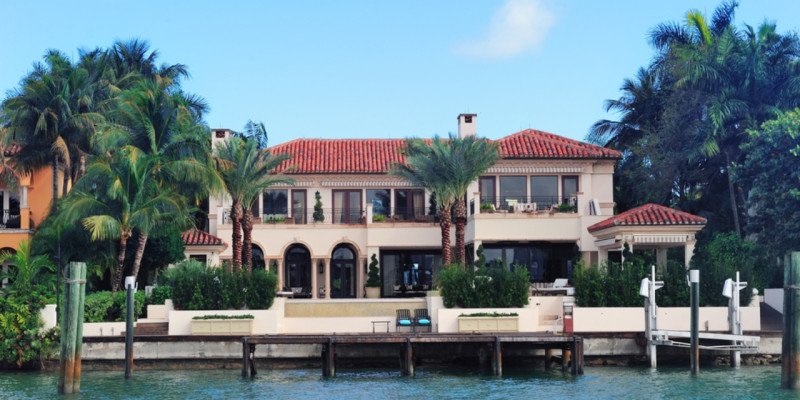
Miami has one of the most dynamic real estate markets in the US. As Miami is Florida's most densely populated city, there is a lot of demand for housing — people buy property to live in, invest in, and rent out during the high season. If you are moving to Miami permanently, you want to consider buying rather than renting. As a hub of culture, business, and leisure, Miami offers a range of real estate opportunities, from luxurious beachfront condos to upscale urban residences. Whether you're drawn to the iconic skyline of downtown Miami, the upscale neighborhoods of Coral Gables, or the sandy shores of Miami Beach, this guide will help prepare you to navigate this competitive market.
Miami's real estate market has appreciated hugely over the last two decades. At the end of 2023, Miami ranked No. 1 in the US in year-over-year home price appreciation. However, by late 2025, the market has begun to gradually stabilize, with small price drops and more houses entering the market.
Currently, the median home sale price in Miami-Dade County is around $578,000 USD, which is down about 3%, while single-family homes average about $595,000 and condos roughly $375,000. Unlike many other cities, around 40% of property transactions in Miami are now completed without financing, a trend driven by international buyers and big investors. In such a competitive environment, purchasing a home can be intimidating, as you are competing against major investors who aren't restricted by mortgage and down payment calculations.
An essential metric to gauge the Miami housing landscape is the average number of days homes spend on the market. Currently, homes in Miami are selling within an average of 70 days. This fast-moving market is filled with eagle-eyed investors waiting to pounce once a desirable property emerges.
When contemplating real estate investment in Miami, several neighborhoods stand out as prime choices. Miami Beach, Coconut Grove, Coral Gables, and Brickell are among the top areas that offer an attractive blend of amenities, lifestyle, and property value. However, it's crucial to note that Miami Beach, in particular, is renowned for its desirability, leading to a potential inflation in property prices due to high demand.
For those with budget constraints, exploring neighborhoods like Miami Shores, Kendall, and Homestead can be prudent. These areas provide more affordable options without compromising on the diverse offerings that Miami living entails. However, it's essential to conduct thorough research and consider the specific dynamics of each neighborhood, as factors such as local amenities, schools, and community atmosphere can significantly impact your living experience.
While the allure of Miami Beach is undeniable, prospective buyers should also factor in the potential challenges, with traffic being a primary consideration. The popularity of Miami Beach often results in bustling traffic conditions, particularly during peak times. Evaluating the commuting patterns and understanding the traffic dynamics in and around your chosen neighborhood is crucial for making an informed decision about your real estate investment in Miami.
Buyers should also consider environmental factors such as flood zones and rising insurance costs. Flood-prone areas and older coastal buildings may have significantly higher premiums or specific inspection requirements.
Join the Miami community
Get regular tips and advice to make the most of your expat life
Property prices in Miami
Miami's neighborhoods can vary hugely in price. According to the latest data, median home values range from around $400,000 for entry-level homes in the suburbs to well over $1 million in premium neighborhoods.
In the Sunset area, the median price sits around $700,000, making it an attractive choice for those seeking a popular but still moderately priced community. Kendall is slightly more affordable, with homes averaging about $500,000.
For those seeking a more upscale lifestyle, neighborhoods like University Estates and Snapper Creek Lakes are climbing into the multi-millions. Biscayne Bay and Old Cutler Bay are even more expensive—basically, these neighborhoods cater to those seeking the pinnacle of luxury. Miami is famous for its high-end properties, but, like anywhere else, there are also middle-class people with regular jobs who own their own homes. Don't be intimidated by some of the visible wealth in this city; do your research and find areas that cater to your needs.
As a general guide, you'll want to budget at least $375,000–$450,000 for a small condo, $500,000–$600,000 for a typical family home, and well over $1 million for luxury or coastal properties.
Conditions to be met when buying property in Miami
Unlike in some countries, foreign buyers do not actually need US citizenship or permanent residency to purchase property in Miami. However, you must obtain an Individual Taxpayer Identification Number (ITIN) if you do not have a US Social Security Number. Essentials required are a valid passport and proof of the source of your funds.
If you're applying for a mortgage, expect stricter terms than US residents. Typically, you're going to be making a 30–40% down payment and will need to provide detailed proof of foreign income or assets. Some banks in Florida, including international lenders, specialize in “foreign national mortgages.” Be aware that a strong credit record, whether in the USA or internationally, helps considerably.
Buyers must also secure insurance before closing, especially when financing. These protect against property damage and potential title disputes.
Start your search through major online platforms like Zillow, Realtor.com, MiamiRealtors.com, and Miamire.com. You can filter by price and neighborhood and other factors like facilities and size.
For international buyers, engaging a licensed local realtor (real estate agent) is highly recommended. Realtors will guide you through inspections, offers, and closing. If you're buying a new or off-plan property, developers often sell directly, sometimes with incentives or payment plans. Specialist agencies cater to overseas buyers and may offer multilingual service or legal coordination.
Set budget and priorities. Your budget plays a pivotal role in the home-buying process. Consider factors such as location, proximity to your workplace, size of the property, and the type of house you desire, be it a condo, hillside mansion, or beachfront home.
Engage a certified realtor in Miami. The realtor provides insights into various aspects of home buying, such as location selection, paperwork requirements, closing costs, and more.
Research house prices. Miami's prices vary significantly among neighborhoods. Conduct a thorough price comparison across different areas to maximize the value of your investment.
Figure out funding - and get pre-approved. If funding the entire home purchase upfront is not feasible, securing a mortgage is commonplace. Maintaining a solid credit score is essential, and finding a bank amenable to expat mortgages is crucial. Approach the bank for a loan, ensuring you receive a detailed breakdown of associated costs, including monthly payments.
Involve a notary to oversee the transaction. The notary will oversee the buying process, ensure the property's outstanding mortgage is settled, validate the legitimate ownership transfer, and confirm all necessary paperwork is in order. In Miami, a lawyer is not an essential part of the process but a notary 100% is.
Close and take ownership. The hard part is done. With financing, due diligence, and documents in place, proceed to closing, complete payments and signatures, and record the deed to finalise the transfer of ownership.
We do our best to provide accurate and up to date information. However, if you have noticed any inaccuracies in this article, please let us know in the comments section below.