

Finding a place to live in Miami can be tricky initially, especially due to the competitive rental market and high cost of living. It's easier to find accommodation as a single expatm but families with children may need to spend more time searching for suitable accommodation options.
Another thing to consider is transport. Central neighborhoods are pricier but better connected, while more remote areas offer larger apartments and more affordable prices but access to public transportation may be limited, and car ownership is pretty much ubiquitous.
Finding accommodation in Miami
 © Shutterstock.com
Miami is one of the most popular cities in the US to visit—and it's not just about tourism; more and more people are choosing to make Miami their base. Home to over 454,000 people, it's the second-most populous city in Florida. Lots of people love Miami—and this beautiful city does have a lot to offer, from stunning beaches and lots of sunshine to a strong job market and forecasted growth. There's a lot to explore in the city for both solo expats and couples, but the first thing you will need to take care of is your living arrangement.
In this article
Looking for your dream home in Miami?
Find a real estate brokerNeighborhoods in Miami
Housing prices in Miami differ greatly depending on which neighborhood you choose to settle in. Another thing to keep in mind is that Miami is a tourist destination, and a lot of neighborhoods in the city (especially the areas adjacent to the beach) may get busy and noisy with tourists and party-goers. If you want a quieter lifestyle, consider venturing past the popular tourist spots and settling in the suburbs. You can always visit the hot spots, but you might not want to live in them.
Brickell
Brickell is located south of downtown Miami and is often called "the Manhattan of Miami" for its urban feel and tall high-rises. In this area, you will find a high concentration of international banks and other businesses, making it the perfect place to settle for professionals and new graduates. Expect rent for an apartment in Brickell to be around $3,500–$4,000. If you like the idea of Brickell but aren't sure about living somewhere with so much hustle and bustle, you could consider Brickell Key, a quiet gated island with gorgeous homes and an upscale feel.
Downtown Miami
Downtown Miami is one of the city's most sought-after areas, famous for its stunning skyline and its busy nightlife. Downtown Miami is also an important commercial and cultural center and home to hip eateries, bars, and clubs. Several years back, the area tended to empty out after business hours, making it feel somewhat ghostly. However, thanks to the recent boom in development and urban migration, the neighborhood stays hip and lively way into the night. The rental price is not as bad as some other areas – expect to pay between $2,800 and $3,800 for a smaller apartment. This neighborhood is best suited for young professionals looking for an active lifestyle, as families with children may find the area a bit too noisy and crowded. Recent expansions at Brickell City Centre and improved Brightline rail connections are boosting the area's appeal.
South Beach and Miami Beach
South Beach used to be a popular area among retirees. In recent years, however, the area has undergone a transformation and is not only a popular spot for tourists but also affluent local residents and expats. It is also one of the best-connected areas in Miami when it comes to public transport, and you can easily get around here without using a car. South Beach is rich in urban culture and is one of the best places in the world to get acquainted with Art Deco architecture. When it comes to residential real estate, most of it is apartment buildings and high-rise condominiums. Expect rent for an apartment here to fall somewhere between $3,100–$4,000. Overall, this neighborhood is densely populated, and its streets are often crowded with lots of tourists; if you want a quieter atmosphere, consider areas like Coconut Grove or Coral Gables.
Miami Beach is a small, walkable neighborhood with lots to do. The area has beautiful scenery, museums, art galleries, small businesses, and more. Just like South Beach, this neighborhood tends to get quite busy and crowded and may not be the best fit for families or those looking for some peace and quiet on the weekends. The average rent in Miami Beach (North/Mid Beach) is around $2,700–$3,400.
Coral Gables
Coral Gables offers a family-friendly vibe with lush landscapes, good schools, and a more suburban atmosphere. The area is known for its Mediterranean-style architecture and upscale living. It's considered relatively expensive but offers a safe environment for families. Home to the University of Miami and many amazing Italian and Thai dining options, this neighborhood is an excellent option if you can afford the rent, which averages around $3,200–$3,800.
Coconut Grove
Coconut Grove is residential and peaceful, with a vibrant art scene. It is also home to the city's most famous theatre - Coconut Grove Playhouse. Rent here averages around $3,200- $3,600. The romantic name sounds as if you're moving to a tropical island, but in fact, Coconut Grove is a popular neighborhood right in the heart of the city, mostly occupied by young families and professionals. Coconut Grove has many bars and restaurants, but you will also find megastores, large shopping malls and boutiques, and, of course, access to the beach. You can take a walk at Peacock Park, grab some fresh seafood, or take a dip in the sea.
Little Havana
If you want to keep your rent on a budget and are open to a different experience, consider Little Havana. This area offers some of the most reasonable prices in the city and is rapidly growing in popularity. Little Havana is home to a large Cuban population. As you might expect from the name, this historic neighborhood is known for its strong Cuban culture. Many Cubans still call it home, and historically, this was the area where Cuban immigrants settled in the past. You will find many Cuban restaurants around, as well as music venues and other cultural offerings. Domino Park is a classic spot to meet up for conversation and games. Basically, Little Havana is rich in culture and pretty affordable compared to other areas. While it might not be as family-oriented as other areas, it has a truly unique atmosphere. Rent here averages $2,200 - $2,700. The area is gentrifying, with new developments attracting younger renters.
Wynwood
This popular neighborhood is known for its arts scene and multicultural vibe. There are amazing dining options, eclectic galleries, buzzy nightlife, and great live music spots. In general, Wynwood is popular with young people, creatives, students, and artists, and it might not be the best fit for families due to its urban, nightlife-focused vibe. Rent here averages $2,700–$3,200, and new residential towers provide some much-needed housing options.
Miami Design District
Nestled at the crossroads of Edgewater, Wynwood, Buena Vista, Midtown, and Upper East Side, the Miami Design District is a residential area that doubles as a fashion and furniture haven. Once a landscape dominated by warehouses, the Miami Design District has undergone a transformation, with warehouses evolving into elegant furniture galleries and showrooms. Rent here is expensive, with rental prices averaging $3,000 - $4,000.
Aventura
Aventura is more of a suburban area with shopping centers, golf courses, and many family-friendly amenities. It's considered safe and suitable for families, with good schools and parks. The cost of living is moderate compared to some other upscale neighborhoods. Rent averages around $2,600–$3,200. It's popular with families and retirees and has well-rated public schools.
Miami Shores
Miami Shores is another popular suburban neighborhood. The area offers a dense suburban feel, and people who live here own their homes. The neighborhood has good schools and is quite popular with families. The average monthly rent here is $2,400 - $2,900.
Key Biscayne
This neighborhood is just south of Miami Beach and has some of the most beautiful natural scenery in the city. Here, you will see many stand-alone homes, tree-lined bike paths, and lush green spaces. Key Biscayne is also home to a luxurious resort and offers the peace and quiet that most other neighborhoods in Miami lack. The area also has some of the best schools in the city and is generally a great fit for families and retirees. However, living here comes at a price - and it's not a low one! The average rent for a one-bedroom place in Key Biscayne is around $4,200–$5,500.
Pinecrest
Pinecrest is a cozy but pricey neighborhood just south of Coral Gables. It's a very convenient location, and according to CityData, most residents only spend around 30 minutes on a work-related commute. The area is home to good schools and is suitable for families with children. At the same time, it would also be a good choice for young professionals as the neighborhood is quite modern, and you will even find free Wi-Fi spots in key locations. Expect rents around $4,000–$4,800. It's primarily single-family homes with a limited rental supply.
Join the Miami community
Get regular tips and advice to make the most of your expat life
Rental conditions in Miami
When leasing in Miami, rent is due monthly, and leases usually last a year. Renewals are possible annually. The property owner covers taxes and maintenance fees, while tenants handle utility bills. Tenants must be approved by the county association before moving in.
Consider these tips when renting in Miami:
- Do a walkthrough: See the place before renting. If it's not possible, have someone you trust do it for you.
- Check guest policy: Ask about rules for long-term guests to avoid surprises.
- Guarantor for students: Students often need a guarantor, usually a parent, who is responsible if they can't pay rent.
- Get everything in writing: Have rental rules documented to prevent disputes.
- Seek expert advice: Consult a lawyer or real estate agent if unsure about the lease.
Landlords typically require proof of income equal to about 3 times the monthly rent. Tenants without US credit may be asked for 2–3 months' deposit or to use a rental guarantee service, and some landlords require a US co-signer or advance rent payments. Short-term leases are common but usually more expensive. Many buildings bill water and sewer separately, and parking may cost extra in high-density areas.
Good to know:
Most city-center homes have appliances like air conditioning, refrigerators, ovens, and stoves. Modern Miami apartments usually offer parking spaces or garages. Carefully read the agreement to understand your payments before signing.
Housing options and costs in Miami
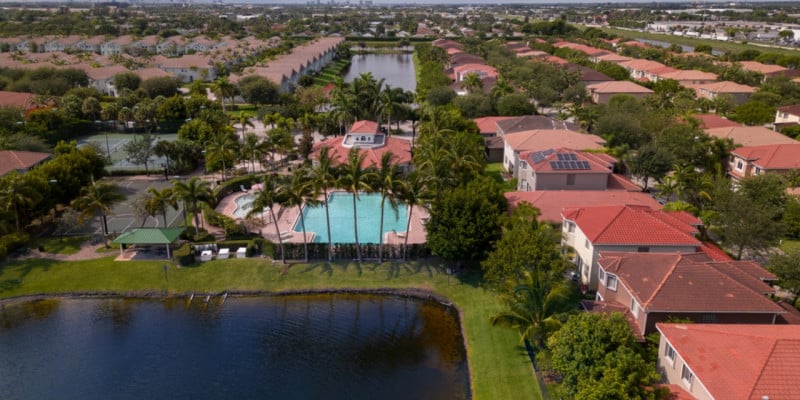
Accommodation in Miami come in different styles and sizes, and you can find various types of homes like single apartments, small flats, condos, and modern luxury houses. The really expensive luxurious homes are mostly found in gated communities. For a 900-square-foot (about 85 m²) 2-bedroom apartment, expect $3,000–$4,000 per month based on current market data. Studios and small 1-bedrooms typically run $2,000–$2,700. Costs vary widely by neighborhood and coastal proximity, and luxury condos in Brickell or Edgewater can exceed $5,000 per month. Again, this varies widely depending on the neighborhood and amenities, so the best thing to do when figuring out your budget is to look for available rentals in the area you are considering. Zillow, RentCafe, and other listing sites are great for this.
If you're considering renting a larger property in Miami, remember that you might also have to pay for water, waste management, and outdoor maintenance if there's a pool or garden.
Property acquisition in Miami
Miami's housing market has been booming, and it famously attracts foreign investors and wealthy expats. A large portion of house sales in the city are completed without financing, which means you will be competing against big players who aren't worrying about securing mortgages. This can make the property market very competitive and fast-moving and intimidating for those on a budget. However, if you are planning to stay in Miami long-term, buying may be more sensible than renting.
If you are planning to buy a home in the city, be aware that non-US residents can buy property freely, but mortgage rules are stricter for expats than for domestic buyers. Most lenders now require a 30%–40% down payment and proof of these funds in a US bank account.
Other things that will make the process easier are engaging a licensed real estate agent, having a clear budget, and understanding the ins and outs of your financing. Prepare for additional costs like closing costs, taxes, insurance and Home Owners Association fees.
The USA expat guide
Updated in 2025, comprehensive and free
Read it now
Life in Miami
Miami is a vibrant city that has a lot to offer its residents. It's known as the “Magic City" due to its sudden, booming population growth, where the city seemed to blossom like magic. It's also known as the Capital of Latin America because of its rich Hispanic heritage. The city's charm is hard to ignore, and as soon as you visit, you get a sense of why people love the place.
Famous for its beaches, Miami's scenic beauty attracts huge numbers of tourists every year. This also means you can easily plan beach getaways and even stop by the beach after work to unwind. However, it's worth noting that Miami can get crowded and noisy, especially during peak seasons.
Miami's coastal location does put it at risk from flooding and storms. Thankfully, the city is investing in climate change resilience plans, which include elevated roads and flood-mitigation projects. Take this into account when looking at housing and understand what your insurance covers.
Be aware that the cost of living is now comparable to Los Angeles and above cities like Chicago or Houston.
Finding places to eat and unwind after work won't ever be a problem in Miami, which has a super trendy restaurant scene offering diverse global cuisines, from beach cafes to high-end dining. The city is also rich in museums and art galleries, with its Art Deco district being world-renowned.
ℹ️
We do our best to provide accurate and up to date information. However, if you have noticed any inaccuracies in this article, please let us know in the comments section below.

Comments
Essential services for your expat journey

Choose the best health insurance
Protect your health and get easy access to treatment for expats in Miami.

Plan your international move
Facilitate your move to Miami by getting a quote from our top rated movers.

Open a bank account that suits you
Discover the best international banks to manage your money securely.

International life insurance
Simple term-life insurance covering you & your family across borders
Further reading
Study in Miami
If you're planning to study in Miami, you won't be short of options. There are over 35 higher institutions ...
Work in Miami
Miami is well-known for its stunning coastline, and the city also has some of the most sought-after real estate in ...
International schools in Miami
Miami, or the Magic City, is one of the most exciting cities in America. Shaped by its Latin American, Caribbean, ...
Living in Miami
Miami is known for being one of the most dynamic cities in the United States, a place where Latin American, ...
Getting around Miami
The Miami work commute can be quite challenging, and the traffic here is considered to be some of the worst in ...
Discover more
Join the Miami community
Get regular tips and advice to make the most of your expat life
Hot topics on the Miami forum
- Property management
- Rental nightmares in the USA
- Looking for a House for Rent in Fremont
- Psychotherapist with UK license practicing in the USA
- Playing Blackjack in North Dakota
- California driving test - steering techniques required?
- 13a Visa with past conviction?
- Splitting time between UK and USA
- Buying property in the USA
- usa house prices and rent
- Living in North Carolina
- usa citizen marrying colombian woman to live with in USA
- Looking for approved agent Sarawak MM2H
- expat moving back to the usa
- Sharing house? I made an App to calculate bills
- Next month I will be in New York
- Looking after an American family
- Where to live in the USA?