


 Guide updated by George Thomson on 09 December 2025
The United States is a world of opportunity, a global leader in virtually every sector-from cutting-edge tech and entertainment to manufacturing and agriculture-the sheer scale of the economy makes the country an ideal place to forge a successful career for anyone wanting to find work in the USA.
Beyond work, the country offers an unparalleled choice of lifestyles. You can dive into the fast-paced energy of its metropolitan centers or find peace in its small towns and stunning natural wilderness. The incredible geographic and cultural diversity-spanning nearly every climatic zone-means every expat can find a setting that truly feels like home.
Five compelling reasons to live in the USA
A hub for innovation and entrepreneurship: The US is globally recognized as the birthplace of countless disruptive companies and technologies. Its culture actively encourages risk-taking and innovation, offering a fertile ground for entrepreneurs and professionals who want to work at the cutting edge, start their own business, or rapidly advance a unique career path.
World-class universities and professional development opportunities: The USA is home to some of the world's top universities and research institutions, offering unparalleled access to advanced degrees, specialized training and continuous learning.
Exceptional geographic diversity: With climates ranging from tropical in Florida to arctic in Alaska, and landscapes including deserts, mountains, and coastlines, residents can choose an environment that perfectly matches their personal preferences.
High earning potential: While the cost of living varies significantly, salaries in major hubs and specialized fields are often among the highest globally.
Rich cultural experiences: The country is a vibrant mosaic of traditions, cuisines, and languages, creating a unique and fascinating cultural landscape.
Your setup journey
Guide in 13 steps. Click any step below to jump directly to the section you need.
01Where to live in the USA
Deciding where to reside in the United States means weighing up the cost of living against available employment sectors and the specific lifestyle you are seeking. Given the country's size, regional differences are profound.
Major metropolitan areas
New York City & San Francisco/Bay Area: Economic powerhouses for finance, tech, and media, offering unparalleled professional opportunities but with a very high cost of living, especially for housing.
Chicago & Dallas/Houston: Large, diverse economies with slightly more accessible housing costs compared to the coastal megacities.
Mid-sized cities
Raleigh, North Carolina, and Salt Lake City, Utah: Emerging as centres for high-tech industry and innovation, they offer dynamic, young, and culturally rich scenes, but have experienced rapidly increasing costs in recent years.
Towns & rural areas
Mountain West & Midwest Suburbs: Offer a more traditional, quieter lifestyle with considerably lower housing costs. Ideal for remote workers or those seeking a tight-knit community feel and access to nature.
Tip:
Explore local taxation rates, as state income tax can differ widely, and often significantly impacts your effective take-home pay.
Explore our city guides
02Formalities and visas in the USA
The U.S. immigration system is complex, and there is no automatic right for a foreign national to live or work here. You must obtain the correct immigration status before working or living here. Visas and green cards are granted under different categories, including employment, family reunification, humanitarian protection, and investment; each category has its own rules and eligibility requirements.
Most work visas for the U.S. require an employer or other sponsor to file a petition on your behalf — for example, the H-1B is employer-sponsored. However, some pathways allow applicants to self-petition or pursue permanent residence without a specific employer sponsor (examples include certain extraordinary-ability and national interest petitions, and the EB-5 investor program).
Key Requirements
Employer sponsorship: Most skilled foreign professionals require a visa like the H-1B, which is tied to a specific employer and often subject to an annual lottery.
Proof of intent: You must clearly demonstrate your purpose for entry (work, study, or permanent residency).
Health and security checks: A medical examination, background checks, and an in-person interview at a U.S. embassy or consulate are standard requirements.
Tips:
- Seek advice from a specialist immigration attorney early in the process due to the complexity and frequent policy changes.
- Ensure all foreign academic qualifications and professional licenses are evaluated for U.S. equivalency.
- Keep detailed records of all travel and prior residency to complete the necessary security forms accurately.
- For the visa interview, be ready to clearly articulate your ties to your home country and your plan for your stay in the U.S.
- Remember that entry via a tourist visa (ESTA/B-2) does not permit you to work or look for work.
Source:
Discover more







Join the discussion on the forum
03Working in the USA
The American job market is competitive but full of opportunity. With so many people going for jobs, you will need to stand out from the rest of the pack. The process of hiring a foreign national can be quite complex, and employers must show that an American citizen cannot fill the position for most work visas.
In-demand jobs
In-demand roles are heavily concentrated in sectors that drive U.S. economic growth, including software development, data science, mechanical engineering and construction workers.
Tips:
- Develop a strong network by attending professional meetups and using platforms like LinkedIn aggressively.
- Be ready to negotiate your compensation package, as salary and benefits are often expected to be discussed directly.
- Familiarize yourself with state-specific employment laws, as they govern aspects like holidays, overtime, and 'at-will' employment.
- Tailor your resume (CV) to the U.S. format, which is typically concise (one page is often preferred for a general CV) and focuses on quantifiable achievements and results rather than extensive personal details.
Facts & figures
Unemployment rate | 4.3% |
Youth unemployment rate (16-24) | 10.8& |
Average weekly pay | $1,196 |
Data correct as of October 2025
Sources: Reuters, Bureau of Labor Statistics - youth, Bureau of Labor Statistics - earnings





04Accommodation in the USA
Securing accommodation is often the first significant challenge for a new arrival, particularly the difficulty of renting without a local credit score or established history. The term 'apartment' generally refers to a unit within a larger building complex, while 'house' or 'townhouse' refers to a detached or semi-detached private dwelling. If you plan to rent accommodation in the U.S., you will typically need to provide proof of employment, rental history and sometimes, references.
Buying a Home
The process is complex and often involves a realtor for both buyer and seller. Non-residents can purchase property, but securing a mortgage without a U.S. credit history and a significant down payment (often 20% or more) can be challenging.
Tips:
Budget beyond rent: Factor in the often high cost of utilities, including electricity, water, gas, and trash collection, which are typically separate from the rent.
Consider commute time: Be mindful of peak-hour traffic in major metropolitan areas; a short distance can translate to a long, stressful commute.
Understand 'HOA' fees: If renting in a condominium or buying a home, be aware of potential Homeowner's Association (HOA) fees, which cover communal maintenance and often impose rules on residents.
Sources:
Discover more


Join the discussion on the forum
05Cost of living in the USA
The cost of living in the United States is wildly inconsistent, ranging from modest expenses in the Midwest to eye-watering costs in major coastal hubs. Housing and healthcare are typically the largest expenditures.
Here is a general breakdown of average monthly expenses for different household types, including rent.
Monthly expenses
Category | Single expat (per month) | Family of four (per month) |
Average total expenses (non-NYC/SF) | $4,000 - $5,000 | $6,000 - $9,000 |
Rent (Mid-sized city, 1-bed) | $1,400 - $2,200$ | N/A |
Rent (Major hub, 3-bed) | N/A | $3,500 - $6,500 |
Utilities (Gas, Electric, Internet) | $200 - $350 | $350 - $600 |
Groceries | $400 - $600 | $900 - $1,400 |
Transport (car payment/insurance) | $400 - $700 | $700 - $1,200 |
Data correct as of October 2025
06Healthcare in the USA
Healthcare in the USA operates predominantly through a private, insurance-based model, which is a major financial undertaking for most residents. Unlike many other nations, there is no universal public healthcare system.
Expats must secure private health insurance in some states, often provided through an employer (Group Plan) or purchased individually through the Health Insurance Marketplace (ACA). Premiums, deductibles, co-pays, and out-of-pocket maximums vary widely. It is essential to understand the network of approved doctors and hospitals (in-network) to avoid extremely high bills.
What you need to know
Employer plans: Check if your employer offers a Preferred Provider Organisation (PPO) or Health Maintenance Organisation (HMO) plan, as these determine your access to specialists and hospitals.
Emergencies: For a life-threatening emergency, call 911.Hospitals must treat you in an emergency, even if you don't have insurance, but the cost will be extremely high.
Deductibles: You will typically be required to pay a large deductible (annual out-of-pocket amount) before your insurance begins to cover costs fully.
Source:



Join the discussion on the forum
07Finance and banks in the USA
While the country's banking system is incredibly advanced, setting up a basic bank account in the US as an expat can be surprisingly old-school—you'll almost certainly need to visit a physical branch in person. Once you're set up, you'll need to start building your Credit Score. This three-digit number serves as a snapshot of your financial trustworthiness and is essential for almost every major transaction, from renting an apartment to financing a car.
To open a standard checking account, you'll need:
- A government-issued photo ID (passport).
- Proof of US residency (utility bill, lease agreement, or driver's license).
- A Social Security Number (SSN) or Individual Taxpayer Identification Number (ITIN).
Tips:
Apply for a secured credit card or become an authorized user on a local resident's card immediately after arrival to begin building your credit score.
You must apply for an SSN/ITIN and understand your filing requirements with the Internal Revenue Service (IRS), as the tax system is separate from state taxes.
Set up direct deposit for your paycheck immediately: This is a standard practice for US employers.
Discover more


08Studying in the USA
The United States boasts a globally renowned higher education system, with thousands of institutions offering an unmatched breadth of programs and specializations. The academic approach often focuses on a blend of theoretical knowledge and practical application, which actively encourages critical thinking and fosters an entrepreneurial spirit in students.
Universities and research institutes attract leading researchers and highly experienced educators. While the quality is high, tuition costs are variable, ranging from as low as around $4,000 per year at public community colleges to over $60,000 annually at elite private universities. Scholarships and grants are widely available, especially for high-achieving international students who want to study in the US.
Tips:
Prepare well in advance for standardised tests such as the SAT, ACT or GMAT, as competitive programmes place heavy emphasis on these scores.
Provide comprehensive financial documentation to prove you can cover all tuition and living expenses for the first year of your course.
Explore options beyond the most famous schools; high-quality public state university systems often offer excellent programs at a more competitive price.
Sources:
U.S. Department of State - visas
U.S. Department of Education - College of Affordability and Transparency Center
Discover more
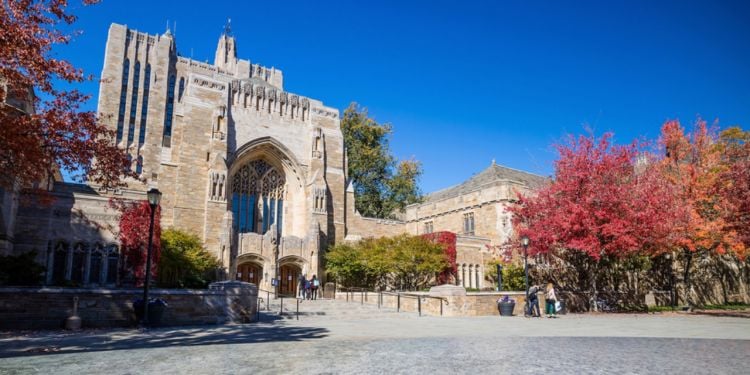
09Education and schools in the USA
Education is highly decentralized in the U.S., with quality varying significantly based on the local public school district, which is funded by local property taxes.
Types of schools
Public schools: Free for all residents within a given catchment area. They are primarily funded by state and local governments.
Private schools: They are often affiliated with a religious group or known for having very challenging academics, and are fee-based.
Charter schools: Publicly funded but independently operated, often specialising in a specific curriculum (e.g., STEM, Arts). They are tuition-free but typically require an application and a lottery system for admission.
School calendar
The academic year for K-12 public schools in the United States generally spans from late August or early September to late May or early June, with the exact schedule varying significantly by local district and region. The standard school breaks include a Winter/Christmas break of one to two weeks, typically around late December and early January, a Spring break of one week, usually in March or April, and the primary Summer break, which lasts approximately 10 to 12 weeks.
Tips:
- Before committing to a lease or purchase, study the performance ratings of the local public school district using state education department websites.
- Note that school-based extracurricular activities and sports often require high levels of parental involvement and commitment.
- Begin the enrolment process immediately upon arrival, as schools require proof of residence (lease agreement, utility bills) and up-to-date immunisation records.
Discover more

10Planning your move to the USA
Preparing for a move to the United States requires a highly structured, step-by-step approach, given the administrative requirements for entry. Navigating the complex immigration, financial, and logistical pathways involves a lot of planning if you want the transition to be smooth. To avoid unnecessary delays and headaches, focus first on securing your visa, setting up your digital identity, and gathering all necessary documentation.
Tips:
Set a Timeline: Allow ample time (12+ months) for the visa application process, which can involve significant waiting periods for interviews and background checks.
Transferring funds: Research the most cost-effective way to move your primary assets. Specialist foreign exchange services often provide better rates than traditional banks.
Digital setup: Secure a local U.S. phone number and a temporary address as soon as possible, as these are prerequisites for many administrative tasks, including job applications and bank accounts.
Personal transport: If bringing a vehicle, be aware of the strict import standards and state-specific registration requirements, which often involve an inspection.
Document security: Scan and digitally secure certified copies of all vital documents (passport, birth certificates, marriage certificate, degree certificates) in case of loss.
Social security number: If you haven't already done so before your move, make applying for an SSN a priority upon entry, as it is the key to all financial and employment processes.
Source:
Discover more


Join the discussion on the forum
11Everyday life in the USA
American society is marked by a strong sense of individualism, a pragmatic approach to life, and plenty of optimism. While diverse, the culture is generally informal and prioritizes direct, clear communication.
Local habits & customs
Politeness and service: Tipping is an ingrained and essential part of service culture (restaurants, bars, taxis), often making up a significant portion of a worker's wages. A standard tip is 15-20%.
Small talk: People are generally friendly and open to light conversation. Topics often focus on work, travel, or local sports teams. Avoid overly formal language and be prepared for casual first-name basis introductions.
Punctuality: While business meetings are strict, social time can be more relaxed, though it's always respectful to aim to arrive on time.
Safety: While crime rates vary drastically by neighbourhood, exercising situational awareness, particularly in major urban centres, is prudent.
Discover more










12Leisure in the USA
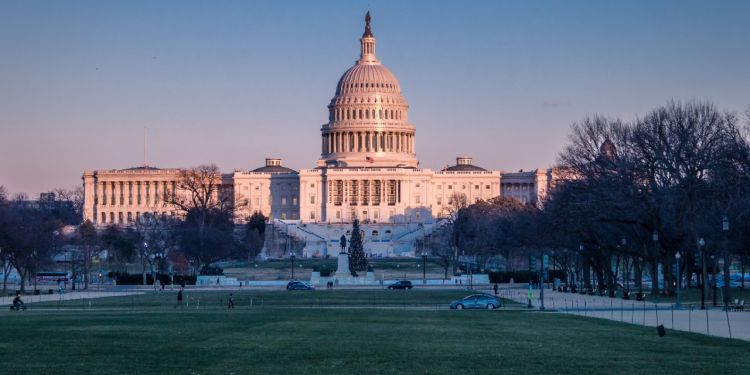
From its vast national parks to its dynamic metropolitan centers, the sheer scale of the country ensures that both nature lovers and urban adventurers will find something to fill their weekends. You'll never be short on ways to enjoy your leisure time in the USA, whether you want to unwind or explore. For example:
The great outdoors: Explore the extensive network of National Parks (Yosemite, Grand Canyon, Yellowstone) for world-class hiking, camping, and climbing. Many states offer diverse opportunities for sailing, skiing, and fishing.
Sports culture: Catching a game is a significant cultural event, whether it's Major League Baseball (MLB), American Football (NFL), Basketball (NBA), or Ice Hockey (NHL). The fan culture is intense.
Cultural hubs: Major cities like New York, Los Angeles, and Chicago offer an unmatched concentration of theatre (Broadway), music, museums, and art galleries, often with free or low-cost access to state-funded institutions.
Road trips: Embracing the "road trip" culture lets you to appreciate the vastness and diversity of the landscape via iconic routes like Route 66 or the Pacific Coast Highway.
Source:
Discover more

Join the discussion on the forum
13The essentials to remember
One of the keys to a successful move to the United States is thorough preparation, especially when navigating the complex administrative and financial landscapes. Be sure to read our informative guides and articles, which are packed with information on topics such as where to live, how to find a job, education and schools and enjoying your leisure time. For any questions, feel free to ask on the USA forum, where our members can provide valuable advice. Now, take a deep breath, and embrace the extraordinary life that awaits you in America.
Join the USA community
Get regular tips and advice to make the most of your expat life
Essential services for your expat journey








Forum topics on living in the USA
Discover forums topics on expat life in the USA: join the conversation, ask your questions, get advice and share your experience.
- Looking for Fellow Immigrant and Expat Dependent for Connection
- Raising kids the local way in the USA
- Cost of living in the USA in 2025
- Psychotherapist with UK license practicing in the USA
- Playing Blackjack in North Dakota
- California driving test - steering techniques required?
- 13a Visa with past conviction?
- Splitting time between UK and USA