

Living in Istanbul: the ultimate expat guide
Everything you need to know for a successful life in Istanbul.
Istanbul stands as one of the world's most prominent transcontinental cities, straddling Europe and Asia across the Bosphorus Strait. With 15.7 million residents representing 18% of Turkey's population, this economic and cultural powerhouse offers expatriates a rare blend of ancient heritage and modern opportunity. From Byzantine churches to Ottoman palaces, bustling bazaars to contemporary art galleries, Istanbul rewards those willing to embrace its complexity with an experience unlike any other global city.
5 Good reasons to move to Istanbul
- Strategic location: Connecting two continents with direct flights to destinations worldwide, making international travel straightforward for business and leisure.
- Affordable lifestyle: Living costs are lower than major European cities, allowing expats earning foreign currency to enjoy comfortable lifestyles.
- Rich cultural scene: World-class museums, diverse cuisine, traditional hammams, and countless historical landmarks create endless opportunities for exploration.
- Growing economy: Major multinational companies maintain regional headquarters here, creating opportunities across technology, finance, manufacturing, and tourism sectors.
- Welcoming community: An established expat population and Turkish hospitality make integration easier, with many locals speaking English in business districts.
Source: Anadolu Agency
Working in Istanbul
Istanbul is the center of Turkey's economy and a major driver of business activity. The city attracts many international firms that set up regional offices here, along with a fast-growing community of local startups in technology and e-commerce.
Key employment sectors
The service sector plays the biggest role in Istanbul's economy, with many people working in finance, consulting, marketing, and IT. These companies often look for international talent, especially candidates with language skills or technical know-how. Manufacturing is still important as well, especially in automotive, textiles, and pharmaceuticals. Tourism and hospitality offer steady opportunities for multilingual professionals who want to work in Istanbul. Technology startups continue to grow and often look for developers, digital marketers, and product managers with international experience.
Work permits and requirements
Foreign nationals must obtain a work permit before beginning employment. Employers typically handle applications through Turkey's Ministry of Labor. A valid work permit serves as a residence permit, eliminating the need for separate documentation. The process involves submitting a signed job contract, university degrees, and proof of relevant experience. Processing typically takes 30 to 60 days. While some sectors have quota limits, highly skilled professionals usually receive priority.
Unemployment rate (Turkey) | 8.5% |
Average monthly salary (net) | TL38,077 |
Main sectors | Services, finance, technology, manufacturing |
Data correct as of November 2025.
Sources: Trading Economics, Numbeo
🔍To learn more
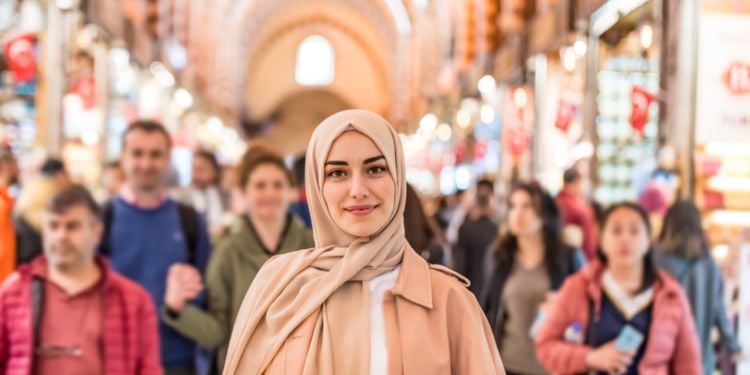
Working in Istanbul
Just like most big cities, Istanbul has a variety of job opportunities in industries ranging from ...
Istanbul's labor market
Istanbul offers excellent opportunities for expats when it comes to business and working life. The ...

The work culture in Istanbul
Istanbul has always been Türkiye's economic heart. From history to modern times, the city ...
Higher education & universities
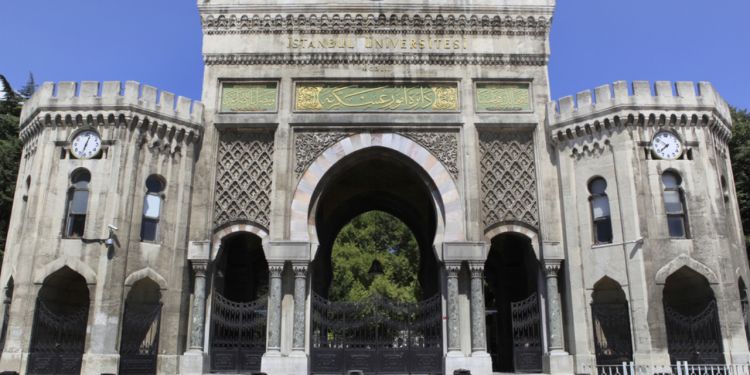
Istanbul hosts more than 50 universities. These institutions range from prestigious public research universities to specialized private colleges, many offering programs entirely in English. International students benefit from relatively affordable tuition compared to Western universities, while enjoying a cosmopolitan campus environment.
Top universities for international students
Istanbul Technical University ranks as Turkey's premier engineering and technical institution, offering English-taught programs in engineering, architecture, and sciences. Boğaziçi University is consistently rated as one of the country's best, with well-regarded programs in business, engineering, and social sciences. Koç University is a private research institution known for business administration, economics, and international relations programs. Sabancı University offers interdisciplinary programs with a focus on innovation and entrepreneurship.
Tuition fees and admission
Public universities generally offer lower tuition than Western institutions, with costs for international students varying by program but remaining comparatively affordable. Private universities charge higher fees with a wide range between schools. Medicine and dentistry tend to be the most expensive options across the board. Most universities require exam scores such as SAT or YÖS, proof of English proficiency for English-taught programs, and high school transcripts. Application deadlines for fall entry usually fall between April and July, though some institutions set their own dates.
Sources: Istanbul University, Istanbul Technical University, Boğaziçi University
Schooling for children
Istanbul has a diverse range of schooling options, from Turkish public schools to international institutions following British, American, and International Baccalaureate curricula. The academic year runs from September to June, with schools observing Turkish national holidays and Islamic feast days.
International and bilingual schools
Istanbul offers a wide choice of international schools. Key institutions include British International School Istanbul, which follows the British National Curriculum and Istanbul International School with its IB program. Most schools require entrance assessments and previous school records, with applications typically open from January through May for September enrollment.
Turkish public and private Schools
Public schools provide free education but instruction is primarily in Turkish, making them challenging for non-Turkish speakers. Private Turkish schools offer bilingual programs with English, German, or French alongside Turkish. Some highly regarded private schools include TED Istanbul College, FMV schools, and Işık Schools, which combine Turkish curriculum with international programs.
Sources: British International School Istanbul, Istanbul International School
Housing & neighbourhoods
Istanbul's housing market reflects its size and diversity, with rental prices varying dramatically between central districts and suburban areas. The city offers a wide range of housing types, from modern apartments and high-rise flats to historic townhouses and family homes in quieter neighborhoods.
Where expats live
Expats in Istanbul choose neighborhoods that match their lifestyle. Beşiktaş and Şişli appeal to professionals with central locations and metro access, while Kadıköy and Moda on the Asian side offer a lively, cultural atmosphere. Nişantaşı and Etiler are known for luxury living, Cihangir and Beyoğlu for arts and history, and Başakşehir and Beylikdüzü for family-friendly modern housing.
Rental process and rental costs
Rental contracts in Istanbul usually require a deposit and an agency fee. Leases typically run 12 months, with renewals adjusted according to inflation. Monthly maintenance fees cover building services, security, and amenities. Apartments near metro stations offer added convenience, and furnished units are generally more expensive than unfurnished ones.
1-bedroom apartment in the city center | TL30,000 - 65,000 |
3-bedroom apartment in the city center | TL50,000 - 110,000 |
Data correct as of November 2025.
Source: Numbeo
🔍To learn more
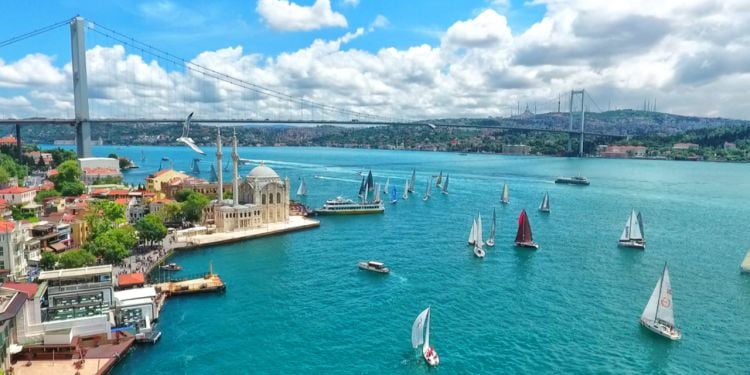
Accommodation in Istanbul
The largest city in Türkiye, Istanbul is one of the most popular travel destinations for ...
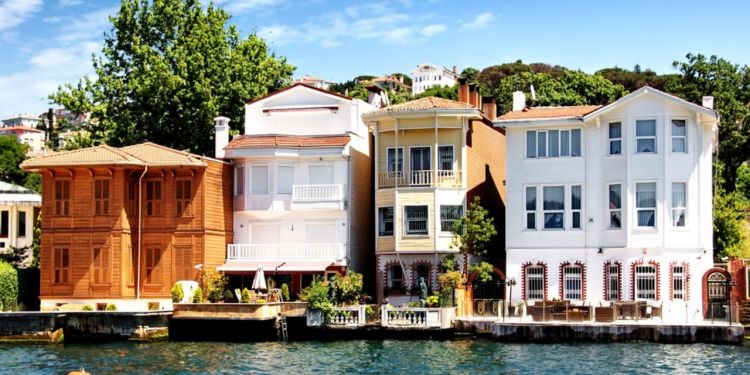
Buying property in Istanbul
Istanbul is a city that regularly welcomes newcomers. With its relentless energy, it attracts all ...
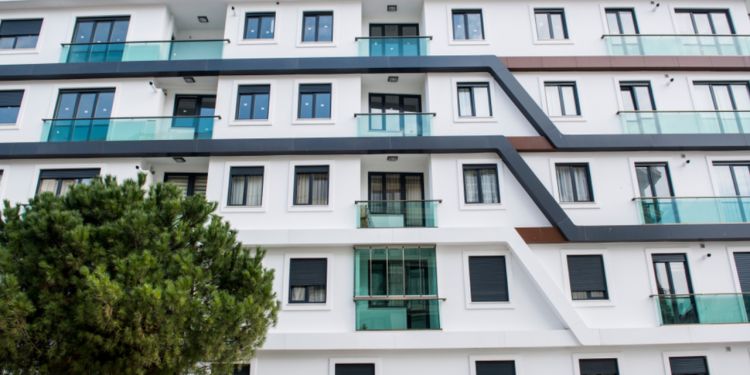
Choosing your neighborhood in Istanbul
Imagine a city with a history dating back to the 7th century BC, glamorous and with a vibrant and ...
Leisure, culture & things to do
Istanbul's cultural richness stems from its previous role as capital to Roman, Byzantine, and Ottoman empires. The city offers world-class museums, architectural masterpieces, traditional arts and much more. Entertainment options range from historic hammam experiences to modern nightclubs, ensuring there is something to see and do in Istanbul for everyone.
Museums and historical sites
Topkapı Palace provides a glimpse into the lifestyle of the Ottoman sultans, with its jeweled treasures and picturesque courtyards. Hagia Sophia is an architectural masterpiece, originally built as a Byzantine cathedral and later converted into an Ottoman mosque. The Istanbul Archaeological Museums present artifacts from ancient civilizations, while Istanbul Modern features Turkish and international contemporary art.
Entertainment and parks
Istiklal Street in Beyoğlu buzzes with shops, cafés, and street performers. The nostalgic red tram adds charm to this pedestrian avenue. Karaköy and Galata neighborhoods feature trendy restaurants, rooftop bars, and art galleries. Nişantaşı offers upscale shopping and dining. Asian side neighborhoods like Kadıköy and Moda provide laid-back café culture and live music venues. Traditional Turkish baths (hammams) offer authentic spa experiences, with historic hammams like Çemberlitaş and Süleymaniye providing traditional scrub and massage services. If you want to enjoy the outdoors, consider spending time at Emirgan Park or Yildiz park.
Sources: Müze İstanbul, Encyclopedia Britannica
🔍To learn more
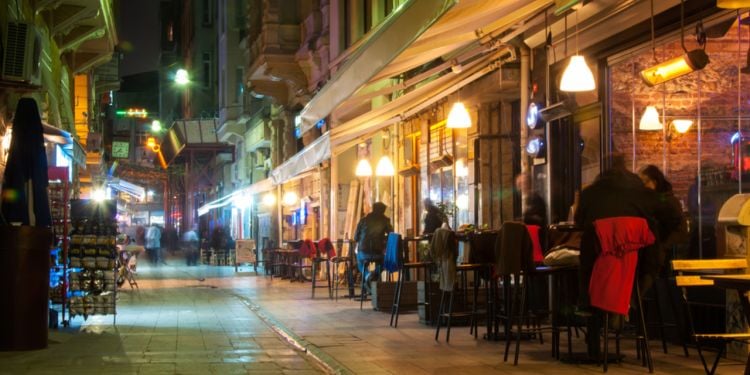
Things to do in Istanbul alone or with your family
If you have just moved to Istanbul, whether alone or with your family, it's probably time to ...

Indoor and outdoor activities in Istanbul
Moving to Istanbul means that you will have plenty of time to discover everything this city has to ...
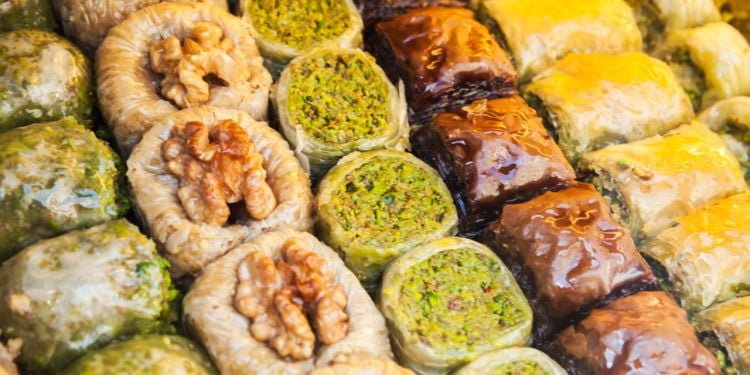
Cuisine in Istanbul
Discovering the local cuisine is, without a doubt, part of exploring the culture of your new city. ...
Daily life
Istanbul operates at a fast pace, with traffic congestion during rush hours and bustling streets throughout the day. From early morning calls to prayer to late-night tea shops, the city is a hive of activity.
Getting around the city
Istanbul's public transportation system links all major neighborhoods through metro, tram, bus, ferry, and funicular services. All transport modes are accessible using the Istanbulkart, a convenient, rechargeable card. The primary metro lines typically operate from 6 AM to midnight, while the dedicated Metrobüs line runs continuously, 24/7, along the city's main corridor. For a scenic commute, ferries offer quick journeys across the Bosphorus, linking the European and Asian sides from early morning until late evening.
Lifestyle and cultural habits
Locals enjoy spending time in cafés, tea gardens, and restaurants, making dining out a central social activity. The city has a generally liberal atmosphere where different lifestyles comfortably coexist. Shopping is diverse, ranging from historic bazaars to modern malls.
Source: Istanbulkart
🔍To learn more
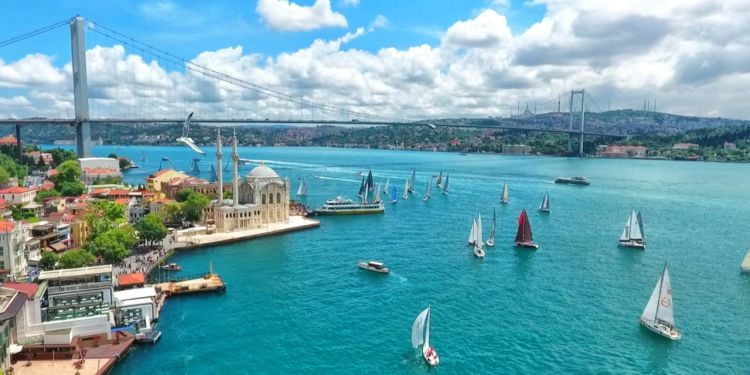
Discovering Istanbul
If you are considering moving to another country and city, it always looks challenging at first. ...
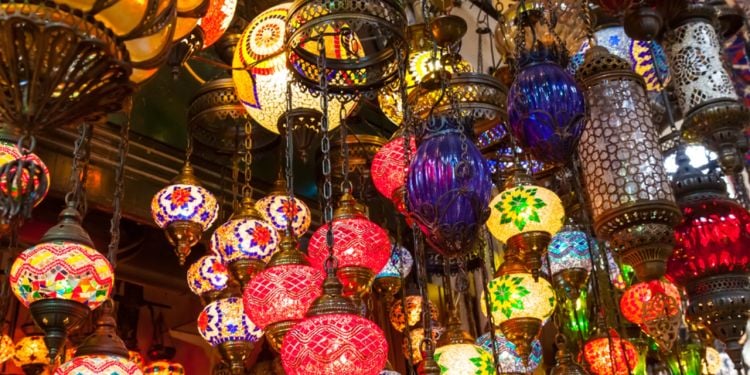
Adjusting to the local culture in Istanbul
Istanbul, the 5th largest city in the world with a population of over 17 million, is famous for its ...

Building your social circle in Istanbul
Networking and socializing are key in Istanbul, a city teeming with opportunities for business, ...
Cost of living
Istanbul's cost of living is notably lower than major European cities such as London or Paris. While essentials like fresh produce are generally affordable, imported goods and housing in central areas command premium prices.
Monthly expenses for a single person
Rent (1-bedroom apartment in the city center) | TL50,000 - 60,000 |
Groceries | TL6,000 - 10,000 |
Utilities | TL2,000 - 4,000 |
Data correct as of November 2025.
Monthly expenses for a family of four
Rent (3-bedroom apartment in the city center) | TL50,000 - 110,000 |
Groceries | TL18,000 - 28,000 |
Utilities | TL3,500 -7,000 |
Data correct as of November 2025.
Sources: Numbeo, Global Citizen Solutions
In short
Istanbul offers expatriates a compelling blend of ancient history and modern opportunity, where East meets West across the Bosphorus. Its affordable cost of living, growing economy, and rich cultural heritage make it an ideal environment for international professionals and families to thrive. While navigating the city's size and complexity requires patience, those who embrace Istanbul's energy are rewarded by a metropolis that constantly surprises. From Byzantine mosaics to contemporary art, and traditional bazaars to sleek metro systems, Istanbul remains endlessly fascinating. Ready to explore life in this transcontinental city? Join fellow expats on the Expat.com Istanbul forum to share experiences, ask questions, and connect with the community before and after your move.
We do our best to provide accurate and up to date information. However, if you have noticed any inaccuracies in this content, please contact us.


News & testimonies

Passion taking flight
My name is Maureen, but I commonly go by Moe (or Meryem locally). I was born in Germany and have dual citizenship with America. Already balancing two cultures I added a third when I moved to Istanbul in early 2009 from Seattle and currently living in the "old" European side.
Expat life at the crossroads of civilisations
Leonard, a writer, an educationist, a history-lover, and an avid reader and traveler, has found everything he needs to lead a fulfilled life in Turkey — where two opposite cultures meet and thrive together. He established his new home in Turkey in 2008 by some quirk of fate, and today, ten years later, he knows that his future is tied with Turkey. To find out more about his expat life in this magical country, follow us as we unfold Leonard's story.

Expat life in Turkey: It's a perfect ten
We most often talk about learning a foreign language and the challenges we face, but what about learning foreign numbers? Sounds familiar — that time at the till in a foreign country when we are expecting the cashier to punch in the amount we have to pay and turn the calculator so we can see. Jason, an American expat in Turkey, speaks to Expat.com about his slow-paced life in Izmir, Turkey, the benefits of being your own boss, and his application, 'Foreign Numbers'.

How a Kiwi expat found home away from home
Teacher Alan Scott first moved to Turkey in 1995 and, when he returned to New Zealand, he realised that Istanbul had become the place he called home, so made the move a permanent one in 2001. When he's not teaching, he's writing on his blog or working on his autobiogrpahy. He talks to Expat.com about how he came to adopt Turkey as his home.
Essential services for your expat journey



