

Living in Qatar: the ultimate expat guide
Everything you need to know for a successful life in Qatar.
Qatar attracts thousands of expatriates every year, drawn by its dynamic economy, cosmopolitan environment, and numerous career opportunities. This Gulf emirate boasts a favorable tax regime, ultra-modern infrastructure, and a job market welcoming to international talent. The capital, Doha, is home to the majority of the population and is known for its safety, high-quality services, and rapid development.
Qatar has a population of approximately 3 million, of which more than 88% are expatriates. The largest communities hail from India, Bangladesh, Nepal, Egypt, and the Philippines. The French community is well-established and actively contributes to the local economic and cultural scene.
5 great reasons to choose Qatar
- A diversified economy: the country heavily invests in energy, construction, finance, and technology sectors.
- An attractive tax system: there is no income tax, and administrative processes are streamlined.
- Competitive salaries: expatriates often enjoy lucrative packages that include housing, transportation, and health insurance.
- A modern environment: world-class infrastructure, high security, and a constantly improving quality of life.
- A strategic location: a crossroads between East and West, making it ideal for business and international travel.
The Expat.com guide has been designed to assist you in preparing your expatriation to Qatar under the best conditions. You will find all the essential information: visa, employment, business setup, taxation, housing, healthcare, daily life, and local integration.
Official language: Arabic (English is widely used) | Local currency: Qatari Riyal (QAR) | Time difference from France: +2 hours in winter, +1 hour in summer | Flight duration from Paris to Doha: about 6 hours 30 minutes |
Formalities and visas in Qatar
To settle in Qatar, certain procedures are mandatory, regardless of your reason for staying. The requirements vary based on your nationality, the duration, and the purpose of your relocation.
French nationals enjoy a tourist visa exemption for stays of up to 90 days within 180 days. However, to live or work in Qatar, you will need to obtain a residence visa as well as a work permit. The sponsorship system, known as kafala, requires a local employer or sponsor to initiate the process with the Ministry of Interior, which acts as your guarantor and facilitates all administrative procedures.
The residence permit, usually valid for two years, is issued after mandatory medical examinations (blood tests and chest X-ray). Once obtained, this will allow you to receive your Qatar ID, which is essential for daily activities such as opening a bank account, signing a lease, enrolling your children in school, or purchasing a vehicle.
💡 Helpful tips
- Start your application process several months before your departure.
- Prepare your essential documents in English or with a certified translation.
- Check the updated requirements on the Ministry of Foreign Affairs website.
- Get health insurance before your arrival, which is mandatory for stays longer than one month.
📍 To learn more
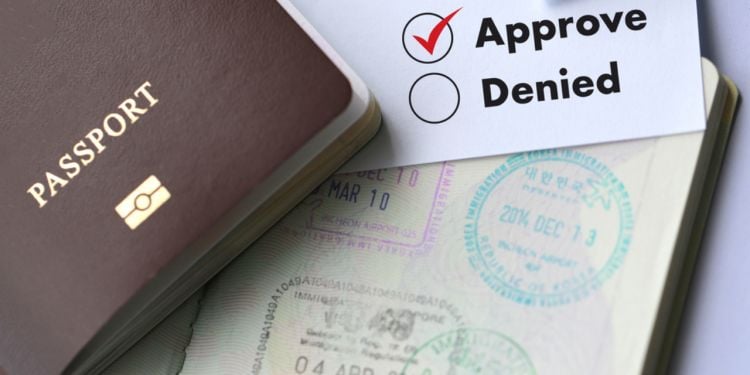
Visas for Qatar
To travel to Qatar, you will need a visa throughout the duration of your stay. There are ...

Work visas for Qatar
To work in Qatar, it is compulsory to be in possession of a valid residence permit and a work visa. ...
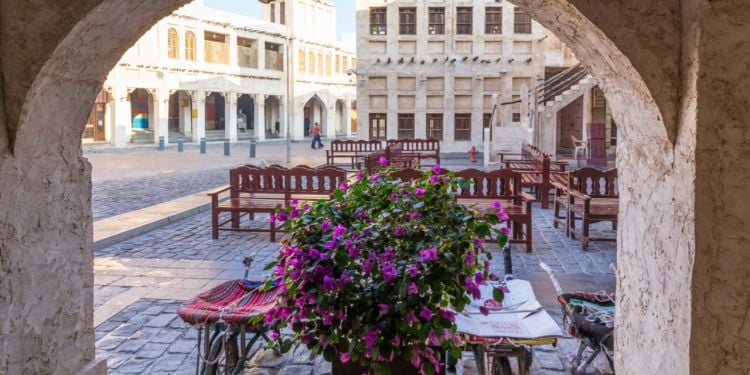
Traveling to Qatar
As the gateway to the Arabian Peninsula, Qatar welcomes travelers from around the world to ...
Working in Qatar
Qatar boasts a particularly dynamic job market, supported by a diversifying economy and significant investments in infrastructure, technology, and services. The sectors that are actively hiring include finance, energy, construction, IT, healthcare, education, hospitality, and business services. English is the most widely spoken language in the professional sphere, making it easier for expatriates to integrate.
Starting a business in Qatar is encouraged by the authorities, particularly through free zones that offer significant tax and administrative benefits for foreign investors.
In-demand profiles
- Finance, accounting, and management specialists
- Engineers in the oil, gas, and renewable energy sectors
- IT and cybersecurity professionals
- Qualified medical and paramedical personnel
- Teachers, especially in international schools and universities
💡 Key points
- The sponsorship system (“kafala”) requires you to have a local employer to work legally.
- Salaries are high and often supplemented with benefits in kind (housing, health insurance, flight tickets, tuition fees...).
- There is no income tax, which significantly enhances purchasing power.
- The job market places greater value on professional experience than on degrees.
Unemployment rate: 0.1% (2024) | Legal working hours: 48 hours per week | Minimum salary: 1,000 QAR/month + 800 QAR for accommodation and food allowances, totaling 1,800 QAR/month (approximately €460) | Income tax: None | Corporate tax: 10%, no VAT (increase to 5% under discussion) |
📍 Further information
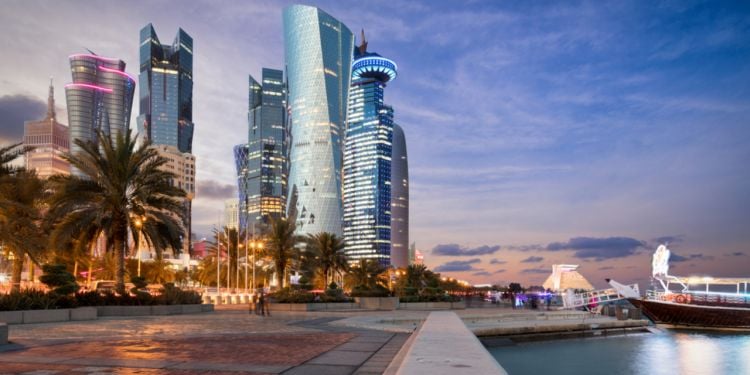
Working in Qatar
Are you looking to advance your career and explore new opportunities in Qatar? With its booming ...

Setting up a business in Qatar
Are you tempted by a new professional adventure in Qatar? Setting up a business in Qatar is ...
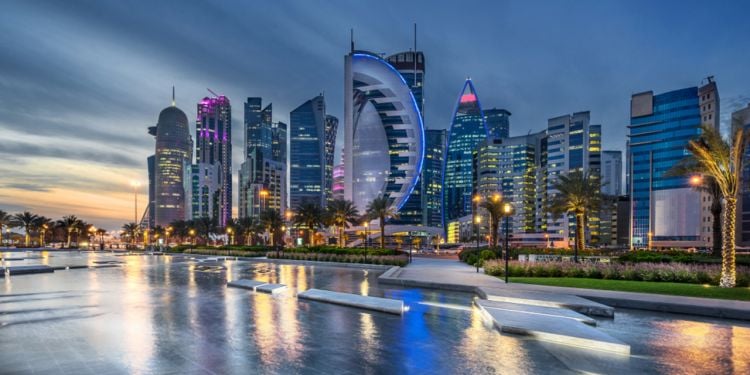
The labor market in Qatar
The labor market in Qatar is built on several core industries, namely gas and oil. However, ...
Studying in Qatar
Qatar attracts numerous international students thanks to Education City, a unique 12 km² university campus like no other in the world. This expansive complex is home to eight higher education institutions, featuring seven branches of prestigious American and French universities, alongside a recognized local university.
Among the institutions present are Carnegie Mellon University, Georgetown University, Northwestern University, Texas A&M University, Virginia Commonwealth University, Weill Cornell Medicine, HEC Paris, and Hamad Bin Khalifa University. These universities offer high-quality programs delivered in English across various fields such as engineering, business, international relations, medicine, design, and media.
Why study in Qatar?
The universities in Education City provide internationally recognized degrees and offer an exceptional multicultural environment within state-of-the-art facilities. Students also benefit from internship opportunities and collaborations with major local companies. However, tuition fees can be quite high, ranging from QAR 90,000 to QAR 310,000 per year (approximately €22,000 to €77,000), which may limit access to these institutions.
💡 Our tips
- Plan for your applications: the selection process is competitive and demanding.
- Research any scholarships offered by the Qatar Foundation.
- Set aside a substantial budget for housing, as university accommodations are limited.
- Check the equivalency of your qualifications with the Qatar Ministry of Higher Education.
📍 Further information
Study in Qatar
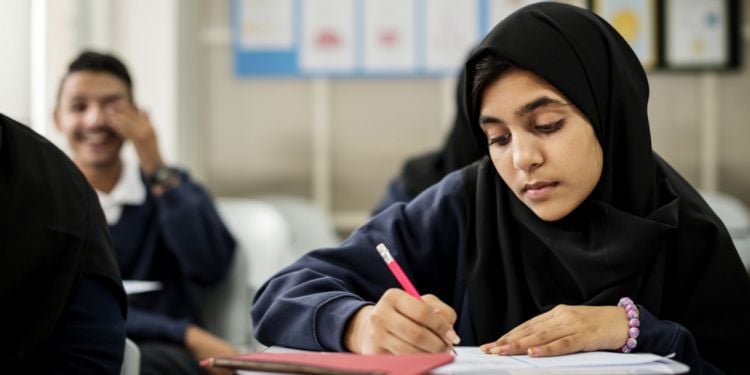
Qatar has emerged as a global hub for academic excellence, attracting students from across the globe to its esteemed universities and ...
Retiring in Qatar
Qatar is not a traditional retirement destination for French nationals or expatriates from Europe. The majority of foreign retirees, some former expatriates, have worked for many years in the emirate, particularly in the oil, gas, finance, and engineering sectors. However, retiring in Qatar can be appealing if you have a comfortable income and have built personal or professional ties in the region.
3 key advantages
- Favorable taxation: No income tax, allowing retirees to receive their foreign pensions in full.
- Modern infrastructure: state-of-the-art hospitals, shopping malls, and premium services ensure a high quality of life.
- Sunny climate: pleasant temperatures for most of the year, ideal for sun lovers and outdoor activities (except in summer, when it can get very hot).
💡 Important to know
- There is no specific visa for retirees in Qatar. To reside there after retiring, you need an alternative legal status: this could be through family sponsorship (if your spouse works there), making a substantial real estate investment in allowed areas, or establishing a local business.
- The retirement age for employment is generally set at 60, and visa renewals may be denied after this age, depending on the sector.
- French pensions remain subject to French taxation according to the tax treaty between the two countries.
- The cost of living is high, particularly for housing. To maintain a comfortable lifestyle, it is recommended to have a net monthly income of at least 15,000 to 20,000 QAR (approximately €3,700 to €5,000) per month for one person and between 22,000 and 30,000 QAR per month (around €5,400 to €7,400) for couples.
Finance and banks in Qatar
Managing your finances well is crucial for a successful expatriation to Qatar. The emirate boasts a modern and stable banking system, overseen by the Qatar Central Bank. While the cost of living can be high, especially for housing in Doha, the country's particularly favorable tax situation is one of its biggest advantages: there are no income taxes for individuals, no VAT on the majority of goods and services, and a simple tax framework that encourages income and savings optimization.
💡 Our tips
- Open a local bank account as soon as you arrive: it is essential for daily transactions (rent payments, school registration, vehicle purchases). Key local banks include: Qatar National Bank (QNB), Commercial Bank of Qatar, Doha Bank, along with international branches like HSBC and Standard Chartered.
- Prepare your documents for opening an account: a valid residence permit (Qatar ID), passport, an employer letter specifying your salary, and sometimes proof of address. Some banks may require a minimum residency duration.
- Neither salaries, nor interest, dividends, or capital gains are taxed. Only a 10% tax applies to corporate profits.
- Check the double tax treaties: France and Qatar have signed an agreement that avoids double taxation, allowing French residents to be taxed solely in Qatar on their local income.
- Plan your housing budget carefully: this is the largest expense for living in Doha. Expect to pay between 8,000 and 15,000 QAR per month (approximately 2,000 to 3,700 €) for a two-bedroom apartment in popular neighborhoods.
📍 To learn more


Health care in Qatar
The healthcare system in Qatar is among the most efficient in the Middle East, supported by two main pillars:
- The public sector : offers free or subsidized healthcare to residents holding a Hamad Health Card (100 QAR/year, roughly 25€). This card, accessible to all residents, allows for discounted consultations at public hospitals: around 25 QAR (6 €) with a general practitioner and 40 QAR (10 €) with a specialist. However, waiting times can be long for certain specialties.
- The private sector : provides quick and high-quality care, but at higher rates: 300 to 400 QAR (75 to 100 €) for a general practitioner, and up to 600 QAR (150 €) for a specialist. A childbirth costs between 15,000 and 25,000 QAR (3,700 to 6,200 €), potentially more in cases of complications.
As of 2023, obtaining private health insurance is mandatory for all expatriates, even if they possess a Hamad Health Card. This insurance specifically covers the private sector, where most expatriates prefer to seek treatment. Employers are required to insure their employees and their families, whereas self-employed individuals need to arrange their own coverage.
🔔 Important notes
- No vaccinations are mandatory, but it is advisable to be up-to-date (DT-Polio, hepatitis B) and to protect against hepatitis A and typhoid if staying for an extended period.
- The emergency number is 999. Public emergency services are free and available 24/7.
- Mandatory medical tests (HIV, tuberculosis, hepatitis B, and C) are required to obtain a residence permit.
🧭 Further resources

The health system in Qatar
Over the past years, Qatar has embarked on an ambitious endeavor to completely transform its ...

Accidents and emergencies in Qatar
Qatar has a well-established system for handling accidents and emergencies, ensuring that ...

Pregnancy in Qatar
Pregnancy in Qatar follows similar patterns to many other countries. Qatar, a country located in ...
Education and schools in Qatar
The Qatari education system is overseen by the Supreme Education Council and the Ministry of Education. Schooling is mandatory for children aged 6 to 18 years. The academic year runs from September to June, divided into two terms. Most public schools and several private schools are single-gender, except for international institutions.
Types of schools available
- Local Public Schools: These are free for residents with a valid residency permit and provide instruction in Arabic. They are less frequented by expatriates due to a significant language barrier.
- Local Private Schools: These offer programs in Arabic and/or English, with fees ranging from 12,000 to 42,000 QAR per year (approximately €3,000 to €10,500).
- French Schools: There are two schools accredited by the AEFE. The Lycée Français Bonaparte and the Lycée Franco-Qatarien Voltaire are both located in Doha. They follow the French national curriculum from preschool to the final year, offering a trilingual education (French, English, Arabic). Lycée Voltaire also provides an IB program. Tuition fees vary based on the level and institution, typically ranging from 30,000 to 46,000 QAR per year (approximately €7,400 to €11,500).
- International Schools: There are many in Doha, following British, American, Canadian, Indian, or International Baccalaureate (IB) curricula. Some of the most renowned include: Doha British School, American School of Doha, Doha College, Qatar Academy, and Doha English Speaking School. Tuition fees vary according to the level and institution, between 36,000 and 80,000 QAR per year (approximately €9,000 to €19,500).
💡 Practical tips
- Plan for enrolment : Waiting lists can exceed a year for international and French schools.
- Check the language or academic admission requirements.
- Negotiate for coverage of tuition fees within your expat package.
- Consider the distance between home and school: commutes can be long in Doha during peak hours.
📍 Further resources

Schools in Qatar
Qatar is home to people from so many different nationalities. As such, this is reflected in the choice of schools and educational systems into which ...
Accommodation in Qatar
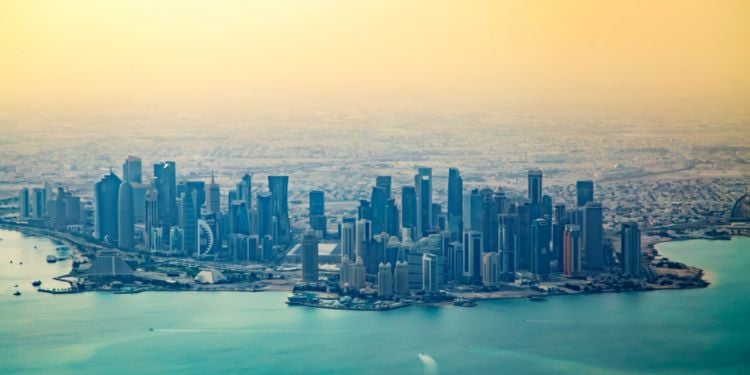
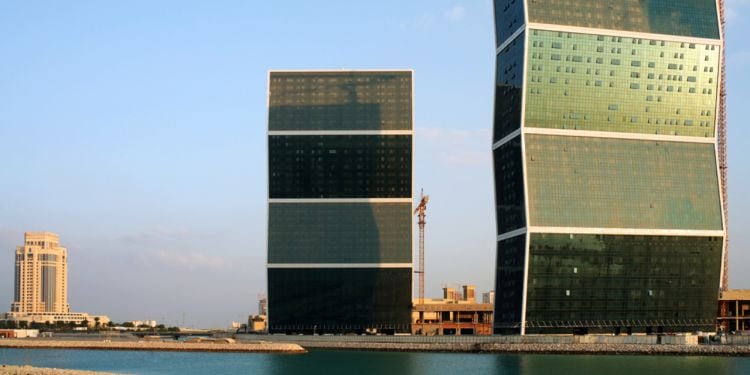
Housing is the largest expense for expatriates in Qatar, especially in Doha. Renting is generally the preferred option for newcomers, with leases typically signed for one year and a deposit amounting to one to two months' rent. Rental prices can vary significantly based on neighborhoods: a one-bedroom apartment in a sought-after area like West Bay rents for between 7,500 and 9,500 QAR per month (approximately 1,800 to 2,300 euros), while a three-bedroom home in the same area ranges from 12,000 to 16,000 QAR per month (around 2,900 to 3,900 euros).
Property purchase is possible for foreign nationals only in certain government-designated areas. This process involves high fees and specific procedures. It is advisable to work with local real estate agencies to find accommodation that fits your needs and budget.
📍 Further reading
Moving to Qatar
An international move to Qatar demands careful planning and organization. Several key elements need to be prepared in advance to avoid any unpleasant surprises:
- Compare quotes from multiple international moving companies and take out insurance for your belongings. The shipping time typically ranges from 6 to 8 weeks by sea.
- Prepare for customs procedures by creating a detailed inventory of your personal effects in English or Arabic. Customs impose a 5% tax on goods valued at more than 3,000 QAR (approximately €780). Be cautious of strictly prohibited items: alcohol, pork products, pornographic materials, and some medications containing morphine or codeine, even with a prescription.
- Gather your official documents and have them translated into English or Arabic by a certified translator if necessary: birth certificate, marriage certificate, diplomas, medical certificates, and driver's license.
- Check the compatibility of your electronic devices: Qatar operates on 240 V with type G (British) plugs. An adapter is essential.
- If you are travelling with a pet, prepare thoroughly. An import permit, valid for one month, must be obtained from the Ministry of Municipal Affairs. The animal must be over four months old, be microchipped, vaccinated against rabies within the last year, and have a veterinary certificate. Certain dog breeds are banned, including Rottweilers, Dobermans, and Pitbulls.
📍 To learn more

Relocating to Qatar
Embarking on an international relocation journey to Qatar is an exciting chapter filled with new ...

Traveling to Qatar with your pet
If you intend to travel to Qatar with your pet, you are probably wondering if your pet can ...

Customs in Qatar
Are you about to travel to Qatar? To guide you, here is a list of items and products that are ...
Leisure in Qatar
Qatar seamlessly blends urban modernity with rich natural beauty, providing residents with a wide array of activities. The capital city, Doha, boasts a vibrant cultural scene featuring internationally renowned museums such as the Museum of Islamic Art and the National Museum of Qatar, along with sleek shopping centres and a multitude of restaurants offering cuisines from around the globe. The country has also established itself as a major sports hub, regularly hosting international events in football, tennis, Formula 1, and horse racing.
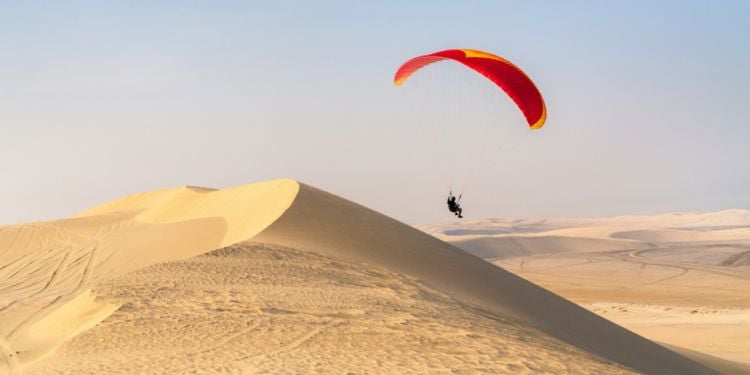
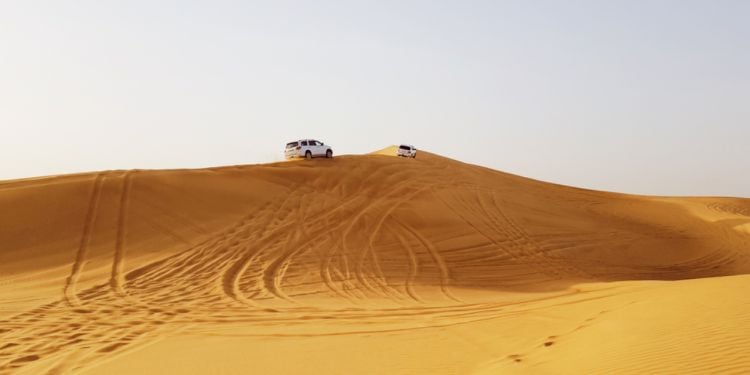
Leisure activities remain accessible despite the intense summer heat. Expatriates particularly enjoy seaside activities along the Corniche, desert outings for thrilling 4x4 dune bashing, as well as water sports like kayaking and stand-up paddleboarding. Private fitness clubs equipped with pools and spas are also popular. Social life often revolves around residential compounds and sports clubs.
Must-see experiences
- The Qatari desert, perfect for 4x4 safaris, stargazing, camping, or horse riding.
- The traditional souks, like Souq Waqif, to explore local crafts and authentic Arab cuisine.
- International sporting events: the Formula 1 Grand Prix in Lusail, tennis tournaments, and equestrian competitions.
📍 For more information
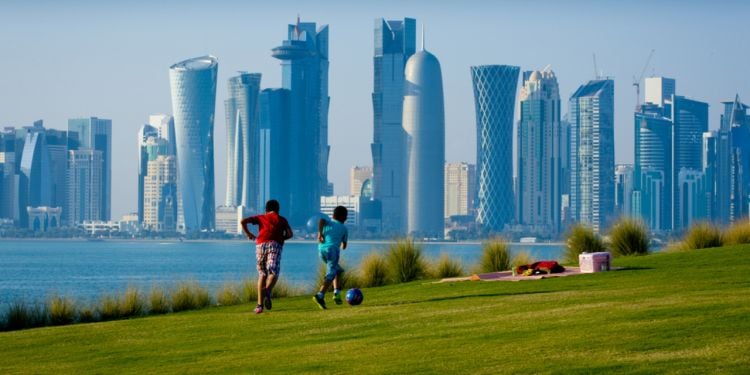
Everyday life in Qatar
Living in Qatar means embracing a lifestyle where tradition and modernity blend seamlessly together. Expats enjoy a remarkable level of safety, ultra-modern infrastructure, and a cosmopolitan environment in Doha. Daily life is marked by the five prayers that punctuate the day, creating a peaceful atmosphere that respects local values.
Important notes
- The work week runs from Sunday to Thursday, with the weekend starting on Friday. During Ramadan, hours are adjusted, and it is prohibited to eat, drink, or smoke in public during fasting hours.
- Thedress codeencourages modesty: both men and women should cover their shoulders and knees in public. Skimpy or provocative outfits are discouraged, particularly in shopping malls and official buildings.
- The desert climate often results in temperatures exceeding 40°C in summer. Outdoor activities are mainly enjoyed from October to April, and air conditioning is a crucial part of daily life.
- Transportationis mainly car-centric, but Doha now features a modern and efficient metro. Taxis and ride-hailing services are affordable and widely used, while fuel remains very inexpensive.
- Internet and mobile phone services are efficient but costly: you can expect to pay between 300 and 400 QAR per month (approximately 75 to 100 euros) for a home internet subscription, and between 110 and 220 QAR (around 27 to 55 euros) for a standard mobile plan. Premium offers with unlimited data can reach 750 QAR per month (approximately 185 euros).
- Alcoholic beverages are prohibited outside of certain approved hotels and restaurants, where they are served at high prices. Tap water is safe to drink, but many prefer bottled water.
- Public displaysof affectionshould be avoided. Qatari society values discretion and respect for social norms, especially in interactions between unmarried men and women.
📍 Further reading
Transportation in Qatar
If you're about to relocate to Qatar, understanding the transportation options and infrastructure will undoubtedly contribute to a smoother and ...

Internet in Qatar
Qatar has a well-developed and reliable internet infrastructure, providing residents and ...
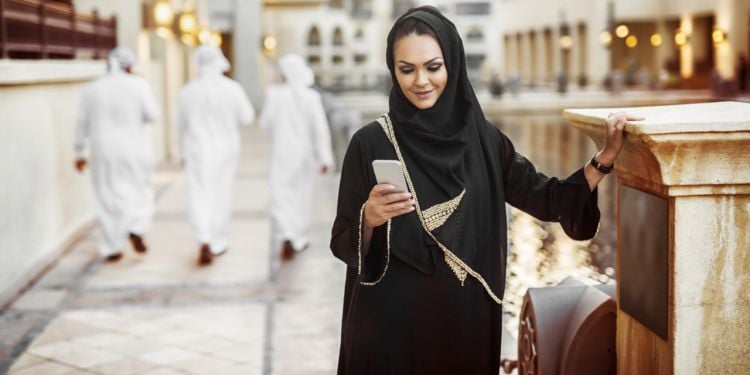
Phones in Qatar
Qatar has a highly developed telecommunications network, with Ooredoo being the first telecoms ...
Cost of living in Qatar
Qatar is one of the most expensive countries in the Gulf region, largely due to high rental prices in Doha and the cost of imported goods. However, the absence of income tax and competitive salaries enable expatriates to maintain a comfortable standard of living. Depending on your lifestyle, costs can vary significantly, typically ranging from around 11,000 to 17,000 QAR/month (approximately 2,750 to 4,200 EUR) for a single person, and 25,000 to 40,000 QAR (around 6,250 to 10,000 EUR) per month for a family of four.
Here’s a breakdown of estimated monthly expenses to give you a clearer picture of the cost of living in Qatar:
For a single person | For a family of 4 | |
Groceries | 1,200 to 2,000 QAR (approximately 300 to 500 EUR) | 3,000 to 4,500 QAR (approximately 750 to 1,130 EUR) |
Public services (water, electricity, internet, phone...) | 400 to 700 QAR (approximately 100 to 175 EUR) | 800 to 1,400 QAR (approximately 200 to 350 EUR) |
Healthcare (excluding insurance) | 300 to 600 QAR (approximately 75 to 150 EUR) | 800 to 1,200 QAR (approximately 200 to 300 EUR) |
Car insurance | 100 to 200 QAR (approximately 25 to 50 EUR) | 150 to 300 QAR (approximately 40 to 75 EUR) |
Leisure & outings | 600 to 1,000 QAR (approximately 150 to 250 EUR) | 1,500 to 2,500 QAR (approximately 375 to 625 EUR) |
Education (if you have children) | / | 2,500 to 5,800 QAR (approximately 625 to 1,450 EUR) per month per child |
Rent | 7,500 to 9,500 QAR per month (around 1,800 to 2,300 EUR) for a one-bedroom apartment in Doha | 12,000 to 16,000 QAR per month (approximately 2,900 to 3,900 EUR) for a three-bedroom apartment in Doha |
Transport | 500 to 800 QAR (approximately 125 to 200 EUR) | 1,500 to 2,500 QAR (approximately 375 to 625 EUR) |
Subscriptions (gym, clubs, streaming platforms...) | 300 to 600 QAR (approximately 75 to 150 EUR) | 800 to 1,200 QAR (approximately 200 to 300 EUR) |
Imported goods (organic products, cheese, wine...) | 400 to 800 QAR (approximately 100 to 200 EUR) | 1,000 to 1,500 QAR (approximately 250 to 375 EUR) |
Domestic help (common in Qatar, especially for families) | / | 1,500 to 2,500 QAR (approximately 380 to 630 EUR) |
Income tax | 0% for all residents | 0% for all residents |
What you need to know
Be prepared for your administrative tasks: work visa, opening a bank account, and health insurance.
Check out our articles on housing, employment, healthcare, and schooling for children in Qatar.
Ask your questions on the Qatar forum, where the expatriate community shares advice and experiences.
To integrate well, respect the local customs: dress modestly, show courtesy, and maintain an open mind in your daily interactions.
Relocating to Qatar is a choice for a prosperous, secure, and forward-thinking country where tradition and modernity blend harmoniously. To ensure your project is a complete success, thorough preparation is essential. We hope this Expat.com guide has equipped you with the key insights needed to arrange your move and fully enjoy your new life in Qatar.
We do our best to provide accurate and up to date information. However, if you have noticed any inaccuracies in this content, please contact us.


News & testimonies

Life of an expat in Qatar
Zarina is originally from Johannesburg, South Africa, although has she also lived in Mozambique and Portugal for quite a few years. Currently, Zarina lives in Qatar, and she tells Expat.com about her expat life in the Middle-east.
Dream big and work hard: A Filipino couple in Qatar
Have you ever imagined starting a new life abroad without anything set in stone? No job or an employer awaiting for your arrival, no accommodation sorted, but with the only thought in mind that you have to make it work. Lenny and her husband from the Philippines dared to do exactly this -- to take the risk and to dream big. And you will be happy to know that they made it! Let's hear their inspirational story as shared with Expat.com.

From island life to desert oasis: Making it in Qatar
After spending time working with her parents, Maria took the opportunity to move to Qatar to join her husband and further her career. Originally from the Philippines, Maria hopes to return home in the future to raise her family, but, for the time being, she is enjoying life in Qatar with her husband. She tells Expat.com about her life in Qatar.
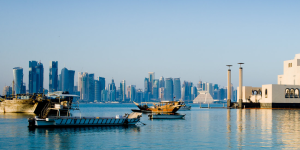
News: Qatar abolishes Kafala system for unskilled international workers
Unskilled international workers in Qatar will no longer need sponsorship to be allowed to work in the country, as announced on Monday by the Ministry of Administrative Development, Labor and Social Affairs.