Living in Tel Aviv: the ultimate expat guide
Everything you need to know for a successful life in Tel Aviv.
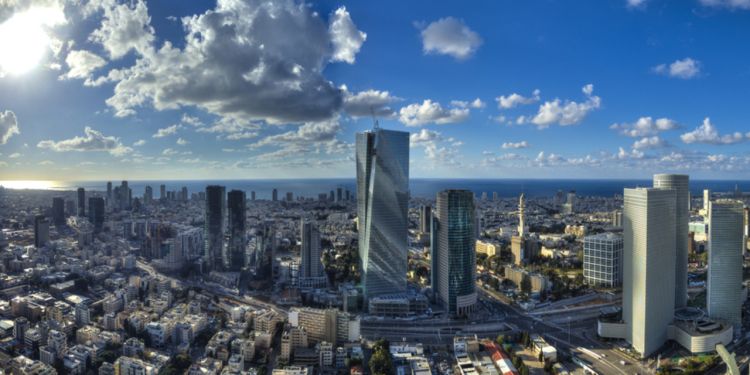
Tel Aviv is a sun-drenched coastal metropolis that blends ancient history with cutting-edge innovation. Known as the "City That Never Sleeps," this Mediterranean hub pulses with energy from its golden beaches to its thriving tech scene. With a population of over 460,000 in the city proper and nearly 4 million in the greater metropolitan area, Tel Aviv serves as Israel's economic, cultural, and technological heart. The city offers expatriates a unique lifestyle combining Middle Eastern warmth with Western conveniences, all set against a backdrop of year-round sunshine and endless possibilities.
5 Good Reasons to Move to Tel Aviv
- Thriving tech ecosystem: Home to over 6,000 startups, Tel Aviv ranks among the world's top innovation hubs, offering exceptional career opportunities in technology, cybersecurity, and AI.
- Mediterranean lifestyle: Enjoy 14 kilometers of pristine beaches, over 300 sunny days per year, and a relaxed outdoor culture that encourages work-life balance.
- Cultural richness: Experience world-class museums, Bauhaus architecture (a UNESCO World Heritage Site), vibrant markets, and a legendary nightlife scene.
- International community: A diverse population with strong English proficiency makes integration easier, with active expat communities and networking opportunities.
- Strategic location: Tel Aviv serves as a gateway to Europe, Asia, and Africa, with Ben Gurion International Airport offering direct flights to major global destinations.
Working in Tel Aviv: Opportunities in the Startup Nation
Tel Aviv stands at the center of Israel's remarkable economic success story. The tech sector alone contributes approximately 20% of the country's GDP and accounts for over 50% of exports. For skilled professionals, particularly those in technology, the city offers competitive salaries and dynamic career paths. Understanding the job market and visa requirements is essential for a successful transition.
Key Industries and Employment Landscape
The technology sector dominates Tel Aviv's economy, with major multinational companies including Google, Microsoft, Intel, and Apple operating R&D centers in the metropolitan area. Cybersecurity is particularly strong, with over 469 active companies in the sector. Beyond tech, opportunities exist in finance, pharmaceuticals, tourism, and creative industries. The unemployment rate in Israel reached a historic low of approximately 3% in 2024-2025, indicating a robust job market.
Work Permits and Visa Requirements
Foreign nationals require a B/1 Work Visa to work legally in Israel. The process requires employer sponsorship, with the company filing a work permit application with the Ministry of Interior. Processing typically takes 4 to 12 weeks. For tech professionals, the High-Tech (HIT) visa offers a streamlined process. As of 2025, the prevailing wage requirement for foreign experts is ₪26,306 (approximately $7,200) gross per month—double the average salary.
The following table summarizes key employment indicators:
Unemployment Rate (2025) | ~3% |
Average Monthly Salary (Israel) | ₪14,000–14,800 (~$4,000) |
Average Monthly Salary (Tel Aviv) | ₪15,000–18,000 (~$4,500) |
Tech Sector Average Salary | ₪18,000–35,000 (~$5,000–9,500) |
Key Industries | Technology, Cybersecurity, Finance, Biotech |
Sources: Trading Economics, Israel Central Bureau of Statistics, Numbeo
Working in Tel Aviv
The Gush Dan region, which includes Tel Aviv and its surrounding areas, serves as the central hub of this country's thriving economy. The city ...
Higher Education in Tel Aviv: World-Class Universities
Tel Aviv offers excellent opportunities for international students seeking quality higher education in English. The city's universities combine academic rigor with access to Israel's innovation ecosystem, making them particularly attractive for students interested in technology, entrepreneurship, and Middle Eastern studies.
Tel Aviv University (TAU)
Tel Aviv University is Israel's largest and most comprehensive institution, with over 30,000 students across nine faculties. The Lowy International School welcomes approximately 2,500 international students annually from over 100 countries, offering more than 60 English-taught programs at undergraduate, graduate, and doctoral levels. Programs span engineering, digital health, neuroscience, liberal arts, business, and environmental studies. Tuition fees for international students typically range from $8,000 to $18,000 per year depending on the program. The university maintains partnerships with over 280 academic institutions worldwide.
Admission and Practical Information
International applicants typically need to submit academic transcripts, English proficiency scores (TOEFL or IELTS), letters of recommendation, and a personal statement. Application deadlines vary by program, with fall semester applications generally due by March-April. TAU offers student housing on campus and provides comprehensive support services including Hebrew language courses, career counseling, and cultural integration programs. The university's location in the Ramat Aviv neighborhood provides easy access to beaches, parks, and the city center.
Sources: TAU International, Tel Aviv University
Schools for Expat Children: International Education Options
Families relocating to Tel Aviv will find several high-quality international schools offering familiar curricula in English. These institutions provide educational continuity for children and help ease the transition to life in Israel. Options range from American and British curricula to the International Baccalaureate program.
Leading International Schools
The Walworth Barbour American International School in Israel (WBAIS) is the most established international school in the Tel Aviv area. Founded in 1958, it offers an American college-preparatory program from Pre-K through Grade 12, with approximately 700 students representing over 40 nationalities. Located in Even Yehuda, about 20 kilometers north of Tel Aviv, the campus features modern facilities including science labs, a swimming pool, tennis courts, and performing arts facilities. WBAIS also operates a sister campus in Jerusalem (JAIS) for Pre-K through Grade 8.
Other Educational Options
Tabeetha School in Jaffa follows the British curriculum (IGCSE and A-Levels) and provides English-medium education from primary through secondary levels. Givat Haviva International School, located 40 minutes north of Tel Aviv, offers the IB Diploma Programme with a unique multicultural environment bringing together Israeli Jewish, Israeli Arab, and international students. Annual tuition at international schools typically ranges from $15,000 to $30,000 depending on grade level and institution. Enrollment often requires academic records, recommendation letters, and sometimes entrance assessments.
Sources: WBAIS, U.S. Department of State Office of Overseas Schools
Housing and Neighborhoods: Where to Live in Tel Aviv
Tel Aviv's housing market is among the most expensive globally, with significant variation between neighborhoods. Understanding the city's distinct areas will help you find the right fit for your lifestyle and budget. Most expats rent initially, as property purchases require substantial capital and legal guidance.
Popular Neighborhoods for Expats
Old North (HaZafon HaYashan) is a favorite among international professionals and families, offering leafy streets, proximity to the beach, and excellent cafés. Neve Tzedek, Tel Aviv's oldest neighborhood, features charming cobblestone streets, boutique shops, and restored historic buildings—though at premium prices. Florentin attracts younger expats with its artistic vibe, street art, and more affordable rents. Ramat Aviv, near Tel Aviv University, suits families seeking quieter streets, green spaces, and good schools. For those seeking cultural diversity and historic charm, Jaffa offers a unique blend of Arab and Jewish heritage with sea views.
Rental Costs and Procedures
Expect to pay ₪6,500–9,000 (approximately $1,800–2,500) monthly for a one-bedroom apartment in central neighborhoods, while three-bedroom apartments range from ₪10,000–15,000 ($2,700–4,100). Additional costs include Arnona (municipal property tax) of ₪500–2,000 monthly depending on size and location, plus utilities averaging ₪600–1,200. Landlords typically require 3 months' rent as a security deposit, and real estate agents charge one month's rent as commission. Most leases run for 12 months.
1-Bedroom (City Center) | ₪6,500–9,000/month (~$1,800–2,500) |
3-Bedroom (City Center) | ₪10,000–15,000/month (~$2,700–4,100) |
1-Bedroom (Outside Center) | ₪5,000–7,500/month (~$1,400–2,000) |
Arnona (Municipal Tax) | ₪500–2,000/month |
Sources: Numbeo, Yad2
Leisure, Culture, and Things to Do in Tel Aviv
Tel Aviv offers an extraordinary range of cultural, recreational, and social experiences. From its legendary nightlife to world-class museums and 14 kilometers of Mediterranean beaches, the city caters to every interest. The vibrant arts scene, diverse culinary offerings, and year-round events make it easy to build a fulfilling social life.
Beaches and Outdoor Activities
The city's beaches are central to daily life. Gordon Beach and Frishman Beach attract a mix of locals and expats with their excellent facilities, while Banana Beach hosts weekly Friday drum circles. Hayarkon Park, stretching along the Yarkon River, offers jogging trails, boat rentals, and outdoor concerts. The Tel Aviv Promenade (Tayelet) provides a scenic walking and cycling path along the entire coastline. Water sports including surfing, paddleboarding, and kayaking are popular year-round.
Culture, Arts, and Nightlife
The Tel Aviv Museum of Art houses Israel's most comprehensive collection of modern and contemporary art, including works by Picasso and Van Gogh. Neve Tzedek's Suzanne Dellal Centre showcases contemporary dance, while Habima Theatre presents Hebrew-language productions. For shopping and food, explore Carmel Market (Shuk HaCarmel) for fresh produce and local flavors, or Sarona Market for gourmet dining. Tel Aviv's nightlife is legendary—Rothschild Boulevard and Florentin host countless bars and clubs that stay open until sunrise. Old Jaffa's flea market and ancient port offer a more relaxed atmosphere with sea views and excellent restaurants.
Sources: Visit Tel Aviv, Tel Aviv Museum of Art
Daily Life in Tel Aviv: Getting Around and Settling In
Daily life in Tel Aviv revolves around the Mediterranean lifestyle—outdoor cafés, beach culture, and a relaxed yet dynamic atmosphere. The city is relatively compact and increasingly well-connected by public transport, making it easy to navigate without a car. Understanding local customs and transport options will help you integrate smoothly.
Transportation Options
The Red Line light rail (Dankal), which opened in August 2023, connects Bat Yam in the south to Petah Tikva in the north via 34 stations along 24 kilometers. Trains run every 3–6 minutes during peak hours, operating Sunday through Thursday from 5:30 AM to midnight. The Rav-Kav smart card provides integrated payment across light rail, buses, and trains, with fares starting at ₪6 for rides up to 15 km. The extensive bus network, operated primarily by Dan Bus Company and Egged, covers the entire metropolitan area. Tel-O-Fun bike sharing offers over 150 stations citywide. Four train stations along the Ayalon Highway connect Tel Aviv to other Israeli cities.
Lifestyle and Local Culture
The Israeli workweek runs Sunday through Thursday, with Friday and Saturday comprising the weekend (Shabbat). Most businesses close Friday afternoon through Saturday evening, though Tel Aviv is notably more secular than other Israeli cities, with many cafés and restaurants remaining open. Hebrew is the primary language, but English is widely spoken, especially in business and tourist areas. Tipping of 10–15% is customary at restaurants. The city embraces a casual dress code—even in offices—and outdoor activities like jogging, yoga on the beach, and cycling are integral to local culture.
Sources: Dankal Light Rail, Tel Aviv Municipality
Cost of Living in Tel Aviv: What to Expect
Tel Aviv consistently ranks among the world's most expensive cities. While salaries in certain sectors—particularly technology—are competitive, the high cost of housing, imported goods, and dining out requires careful budgeting. Understanding typical expenses will help you plan your finances realistically.
Monthly Budget for a Single Person
A single professional can expect to spend between ₪11,000–16,000 ($3,000–4,400) monthly for a comfortable lifestyle including rent. This budget assumes a modest one-bedroom apartment outside the city center, regular grocery shopping with occasional dining out, and use of public transportation.
Expense Category | Single Person | Family of Four |
Rent (City Center) | ₪6,500–9,000 | ₪10,000–15,000 |
Utilities (Electricity, Water, Internet) | ₪600–1,000 | ₪800–1,200 |
Groceries | ₪1,800–2,500 | ₪3,000–4,000 |
Public Transport (Monthly Pass) | ₪215–300 | ₪430–600 |
Health Insurance (Kupat Cholim) | ₪250–400 | ₪500–800 |
International School Fees | N/A | ₪5,000–8,000/child |
Entertainment & Dining Out | ₪1,000–2,500 | ₪1,500–3,000 |
Total Estimated Monthly | ₪11,000–16,000 | ₪22,000–32,000 |
Sources: Numbeo, Israel Central Bureau of Statistics
In Short
Tel Aviv is a city that defies expectations—a Mediterranean beach town with the energy of a global tech hub, where ancient Jaffa meets modern innovation. Yes, it's expensive, and the pace can be intense, but for those seeking career opportunities in technology, a warm climate, and a culturally rich environment, Tel Aviv delivers in abundance. The combination of professional possibilities, outdoor lifestyle, and welcoming international community makes it an appealing destination for adventurous expats. Whether you're drawn by the startup scene, the endless beaches, or simply the promise of 300 sunny days a year, Tel Aviv offers a truly unique expatriate experience. Ready to learn more from those already living the Tel Aviv life? Join the Expat.com Tel Aviv forum to connect with fellow expats, ask questions, and get insider advice.
We do our best to provide accurate and up to date information. However, if you have noticed any inaccuracies in this content, please contact us.


Essential services for your expat journey