

Living in Bahrain: the ultimate expat guide
Everything you need to know for a successful life in Bahrain.
Tucked away in the Gulf, the small island kingdom of Bahrain attracts numerous expatriates each year, drawn in by its dynamic economy, favorable taxation, and open lifestyle. With a population of about 1.6 million, nearly half of whom are foreigners, the country offers a cosmopolitan and tolerant environment. The French community is estimated to be just over 3,000, mainly residing in Manama, the capital city. Bahrain is also appealing for its sunny climate, modern infrastructure, and its role as a financial and commercial hub in the Gulf.
5 great reasons to choose Bahrain:
- A multicultural environment: nearly half of the population consists of expatriates.
- Attractive taxation: no income tax and a simplified tax system.
- A dynamic job market: opportunities exist in finance, trade, logistics, and services.
- A strategic location: an international airport and direct access to Saudi Arabia via the King Fahd Causeway.
- A balance of tradition and modernity: rich Arab heritage, coupled with openness to international influences.
The Expat.com guide is designed to help you prepare for your relocation to Bahrain under the best possible conditions. You'll find all the essential information you need: visas, employment, housing, healthcare, daily life and local integration.
Official language: Arabic, but English is widely spoken | Local currency: Bahraini Dinar (BHD) | Time difference with France: +1 hour in winter, +2 hours in summer | Flight duration from Paris to Manama: Approximately 7 hours |
Formalities and visas in Bahrain
To enter Bahrain, French citizens and Europeans need to have a valid passport that is at least six months beyond the date of entry. A visa is required for any stay longer than 14 days. Short stays for tourism (tourism, business) can typically benefit from an eVisa or a visa on arrival, which is generally valid for between 2 weeks and 3 months, depending on the category. For those looking to stay long-term (for work, study, or family reunification), it is necessary to apply for a residence permit through the Nationality, Passports and Residence Affairs (NPRA). Often, the employer or local sponsor will assist with part of the process.
💡 Helpful tips
- Check the latest regulations with the NPRA or the Bahraini Embassy.
- Allow several weeks for the processing of residence visa applications.
- Always keep a printed and digital copy of your visa.
- Some documents (birth certificate, marriage certificate, diplomas) must be translated and legalized.
🧭 Further information
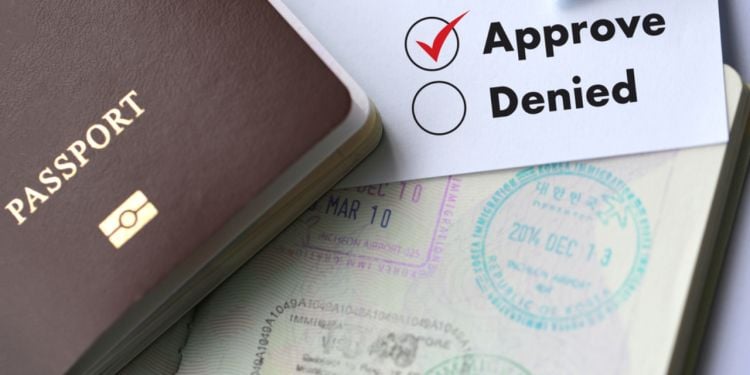
Visas for Bahrain
Bahrain, a small archipelago in the Arabian Gulf with a strategic location in the Middle East, is known for its rich history, modern ...
Getting married in Bahrain
For expats, moving to Bahrain often involves navigating new experiences, and marriage is one of the most significant ones. This guide provides a ...

Driving in Bahrain
Driving a car is a common practice among expatriates in Bahrain, making travel easier and flexible. The Kingdom has improved its road networks by ...
Working in Bahrain
Bahrain boasts an open and dynamic economy, primarily focused on financial services, the oil and gas industry, and regional logistics. The country attracts numerous expatriates thanks to its favorable tax environment and international job market. English is widely used in the professional realm, making it easier for foreigners to integrate. Starting a business is encouraged through streamlined processes and free zones. However, competition can be stiff for skilled positions, and certain professions, particularly in administration, education, and the legal sector, remain regulated for nationals.
In-demand profiles:
- Finance and accounting specialists
- Engineers in oil, gas, and petrochemicals
- IT and cybersecurity professionals
- Logistics and international trade executives
- Doctors and qualified healthcare staff
💡 Key points
- The job market is competitive, with local workers prioritized in certain strategic sectors.
- English is essential for advancement in most fields.
- The tax regime is attractive: there is no income tax for individuals.
- Entrepreneurship is encouraged by a favorable regulatory environment.
Unemployment rate: approximately 5% | Legal working hours: 48 hours per week (8 hours/day) | Minimum wage: 200 BHD/month (~ 500 €) for non-Bahraini persons, 400 BHD/month (~ 1,000 €) for Bahraini citizens | Income tax: No income tax | Corporate tax: No corporate tax (except in the oil sector and for multinationals), VAT set at 10% |
📍 Further information


Studying in Bahrain
Bahrain is increasingly attracting international students thanks to its strong cultural openness and the presence of quality universities within the Gulf region. The kingdom boasts several higher education institutions, including the University of Bahrain (UOB), the Royal University for Women (RUW), and the Arabian Gulf University (AGU), renowned for its programs in medicine and health sciences.
Why study in Bahrain?
The country offers bilingual higher education (in Arabic and English), with numerous courses available in management, engineering, and health. Students will discover a multicultural environment positioned at the crossroads of the Gulf and in proximity to Saudi Arabia. Studying in Bahrain also provides access to modern infrastructure and international academic partnerships. However, tuition fees can be relatively high: ranging from 3,000 to 8,000 BHD per year (approximately 7,500 to 20,000 euros), depending on the university and the chosen program.
💡 Our tips
- Check the language of instruction before applying: many programs are offered in English.
- Plan ahead for the student visa process, which must be done through the Higher Education Council.
- Prepare a housing budget: university accommodation is limited, and shared housing is a common option.
- Check on the recognition of your qualifications with the relevant authorities to facilitate your return to studies afterwards.

Studying in Bahrain
Are you moving to Bahrain with your family? Or are you looking to study in a Middle-East country and wondering if Bahrain is a good option? This ...
Retiring in Bahrain
Bahrain is not a traditional retirement destination for expats, but some choose to stay after their careers. Most of these individuals have spent several years working in sectors like finance, oil and gas, or healthcare. The country is appealing due to its sunny climate, multicultural environment, and favorable tax system. However, the cost of living and the lack of a specific "retirement" visa mean that thorough financial planning is crucial.
3 major advantages
- Favorable taxation: there is no income tax, allowing you to preserve your pensions.
- Modern healthcare: high-quality infrastructure, with easy access to private hospitals.
- International environment: a significant expat community, providing a cosmopolitan lifestyle.
💡 Important points
- The legal retirement age is set at 60 years, though in practice, some expats may continue working beyond that, provided they renew their work permits.
- There is no dedicated retirement visa. To stay in Bahrain, you need a residency permit (through real estate investment, a local sponsor, or a family visa).
- French pensions paid abroad are not taxed locally, but remain subject to French taxation (unless changes occur due to tax treaties).
- For a comfortable standard of living in Manama, it is recommended to plan for a monthly net income of at least 1,500 to 2,500 BHD (approximately 3,700 to 6,100 €), depending on your housing choice.
Finance and banking in Bahrain
Managing your budget effectively is crucial for a successful expatriation to Bahrain. The country boasts a modern and stable banking environment, supported by the Central Bank of Bahrain (CBB), which oversees the entire sector. The cost of living is generally lower than in neighboring Emirates, but housing in Manama can still be significant. The tax environment is appealing: there is no personal income tax, although some service charges or indirect taxes (such as the 10% VAT) should be anticipated.
💡 Our tips
- Open a local bank account as soon as you settle in: certain transactions (like paying rent or utility bills) require a bank account domiciled in Bahrain.
- Allocate a substantial budget for housing, as this is usually the largest expense in Manama.
- Check the tax treaty between your home country and Bahrain. The agreement with France, for instance, helps to avoid double taxation on incomes and pensions.
- International bank cards (Visa, Mastercard) are widely accepted, but it's advisable to have a local account to simplify daily transactions.
- For money transfers, compare bank fees with specialized services (like Wise, Western Union, etc.), which are often more competitive.
📍 Further reading

Health care in Bahrain
The healthcare system in Bahrain is a mix of public hospitals and private clinics. Public facilities, like the Salmaniya Medical Complex, are affordable and accessible to everyone, but waiting times can be long (up to 6 to 12 months for some specialties). As a result, many expatriates often prefer private care, available at places like Bahrain Specialist Hospital, American Mission Hospital, and Royal Bahrain Hospital. These facilities are favored for their speed and the quality of their infrastructure, though they come with higher costs.
For instance, a consultation at a public hospital costs between 10 and 15 BHD (approximately 25 to 40 €), compared to 20 to 40 BHD (approximately 50 to 100 €) in private care. A visit to a specialist can cost around 20 to 30 BHD (approximately 50 to 75 €) in public, and up to 60 BHD (approximately 150 €) in private. A major surgical procedure might exceed 2,500 BHD (approximately 6,100 €) in a private facility. For a straightforward delivery, costs range from 500 to 800 BHD (approximately 1,200 to 2,000 €) in the public sector, and 1,200 to 3,000 BHD (approximately 3,000 to 7,400 €) in private care, depending on the complexity of the case.
Bahrain does not provide mandatory public healthcare coverage for expatriates. Therefore, residents must obtain private health insurance that covers hospital and medical costs. Employers often include this insurance as part of the salary package, but it's advisable to check the limits and exclusions, especially regarding maternity care or specialized treatments.
💡 Important points
- No required vaccinations for entering Bahrain, but universal vaccines (DT-Polio, hepatitis B) and those for hepatitis A/typhoid are recommended for long stays.
- The emergency number is 999.
- The National Health Regulatory Authority (NHRA) oversees the quality of hospitals and clinics.
- Dental and ophthalmic care, widely available, are rarely covered by basic insurance plans.
📍 Further information

Healthcare in Bahrain
Bahrain's healthcare system offers robust facilities and high standards of care, catering effectively to its diverse population, including ...
Education and schools in Bahrain
The Bahraini education system is compulsory for children aged 6 to 15 years and primarily conducted in Arabic, with English as a second language. However, many expats prefer private and international schools, which offer instruction in English, French, or other languages, depending on the curriculum.
School options
- Local Public Schools: These schools are free for residents, but they are generally less attended by expatriates due to the predominantly Arabic instruction.
- Local Private Schools: Instruction is offered in English and/or Arabic, with fees varying based on reputation and facilities, typically ranging from 1,500 to 5,000 BHD (≈ 3,700 to 12,500 €).
- French School of Muharraq: Accredited by AEFE, it offers the French curriculum from nursery to high school, with instruction in French and English.
- International Schools: There are numerous options in Manama and the surrounding areas, offering British, American, IB (International Baccalaureate), or Indian programs. Among the most renowned are St Christopher’s School (British), Bahrain School (American), and Nadeen School (British). Annual fees can range from 2,000 BHD (≈ 5,000 €) to over 9,000 BHD (≈ 22,500 €).
💡 Practical tips
- Plan ahead for enrollment: Spaces are limited in international schools and at the French school.
- Check the application deadlines (often starting in January for the September school year).
- Some schools require an entrance exam or a minimum level of English.
- Be prepared for additional costs for uniforms, extracurricular activities, and school transport.
📍 Find out more

Education and childcare in Bahrain
Bahrain offers a unique lifestyle that blends rich local traditions with a welcoming attitude towards global cultures, creating an ideal environment ...
Accommodation in Bahrain
Renting is the preferred option for expatriates living in Manama and its surrounding areas. Rental prices vary based on the type of property and location. In neighborhoods like Juffair, Hoora, and Seef, a furnished two-bedroom apartment typically ranges from 300 to 700 BHD per month (approximately 740 to 1,700 euros), while a family villa in Amwaj Islands or Saar can exceed 1,000 to 2,000 BHD per month (approximately 2,500 to 5,000 euros). Rental leases usually last for one year, with a required one-month security deposit. Note that utilities (water, electricity, and air conditioning) are often not included, so it’s advisable to thoroughly check the terms before signing a lease.
Property purchase is allowed for foreigners only in designated areas (such as Amwaj Islands, Juffair, Seef, and Reef Island). This opportunity attracts investors, but it comes with specific procedures and requires a substantial budget. For instance, you can expect to pay around 255,000 BHD (approximately 640,000 to 700,000 euros) for a three-bedroom villa in Amwaj Islands.
🔍To learn more

Accommodation in Bahrain
Bahrain has many housing options, such as luxurious apartments or villas along the coastline of Manama or an ordinary house in any village within ...
Moving to Bahrain
Preparing for a move to Bahrain requires careful planning. From the transport of your belongings and customs procedures to getting settled in, it’s best to anticipate each step to avoid surprises. Here are the key points to consider before you set off:
- Compare the quotes and services from international moving companies (including insurance).
- Plan for customs procedures: a detailed inventory is mandatory. Generally, used personal effects can enter tax-free, but fees apply to new appliances, alcohol, and tobacco. Some items are prohibited (weapons, offensive publications, certain medications).
- Prepare your essential documents (bills, diplomas, civil status certificates, marriage certificate, work contracts, driving license, etc.). Depending on the situation, a certified translation into English may be required.
- Check the compatibility of your electronic devices: Bahrain uses 230 V / 50 Hz with type G plugs (UK). An adapter is essential.
- If you're traveling with a pet, make sure to meet all entry requirements for Bahrain (import permit, recent veterinary certificate, up-to-date vaccinations, etc.).
📍 To go further


Leisure in Bahrain
Bahrain beautifully blends Arab traditions with modernity, offering expatriates a wide array of activities. Manama is the urban hub featuring modern shopping malls, international restaurants, cozy cafés, and hotels equipped with spas and pools. The kingdom also attracts culture enthusiasts, with landmarks like the Bahrain National Museum, the UNESCO-listed Bahrain Fort, and vibrant souks where you can explore local crafts and spices.
The variety of leisure activities available is impressive: golf, horseback riding (horse races and show jumping competitions are quite popular), fitness clubs, water sports (diving, sailing, fishing, swimming), beach outings, cultural excursions, shopping, and international events like the Formula 1 Grand Prix. Families love the amusement and water parks, such as The Lost Paradise of Dilmun, Adhari Park, Adventure Park, and Magic Planet.
A must-see
- The Bahrain International Circuit, the Middle East's premier motorsport venue.
- Explore the traditional souks of Manama for an authentic cultural experience.
- The Amwaj Islands, renowned for sailing, diving, and various water activities.
- Visit the Bahrain Fort and its burial mounds, which reflect a millennia-old history.
📍 Further exploration
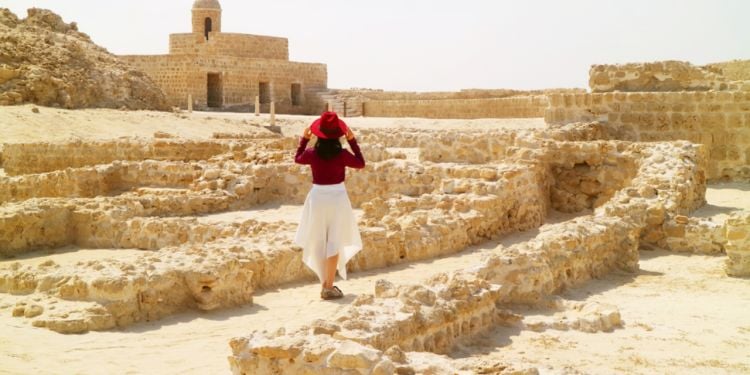
Everyday life in Bahrain
Life in Bahrain combines local traditions with modern comforts. The country is cosmopolitan, safe, and boasts a strong expatriate community, making integration relatively straightforward.
Note:
- Security is good, with residential neighborhoods being monitored and peaceful.
- The workweek runs from Sunday to Thursday; during Ramadan, hours are adjusted and shortened.
- Although local culture values family time and rest, the work pace remains important, often involving weeks of 48 hours or more.
- School generally starts around 7:30/8:00 AM and ends between 2:00 and 3:00 PM, leaving afternoons free for extracurricular activities. Some schools offer clubs or workshops in the afternoon.
- Public transport is limited to a bus network; most expatriates prefer driving or using taxis (Uber, Careem).
- Internet and mobile phone services are reliable. Mobile plans start at 7 BHD/month (approximately €17), while internet plans range from 25 to 40 BHD/month (approximately €60-95).
- In the summer, temperatures often exceed 40°C, prompting a preference for indoor activities.
📍 Further reading

Traveling around Bahrain
Bahrain, a dynamic island nation in the Arabian Gulf, features a sophisticated transportation network that seamlessly combines tradition with ...

Phones and Internet in Bahrain
There are many changes as one relocates to a different region, and the most constant and critical issue for expatriates living in Bahrain is their ...
The Bahraini lifestyle
Newcomers will discover that Bahrain is a welcoming and diverse kingdom, enriched by its long history of hosting expatriates. While contemporary ...
Cost of living in Bahrain
The cost of living in Bahrain can be considered high for certain categories, such as housing and education, yet it is generally lower than that of its Gulf neighbours. Depending on your lifestyle and the type of accommodation you choose, monthly expenses can vary significantly. Expect to spend between 800 and 1,200 BHD (approximately 2,000 to 3,000 EUR) for a single person and 2,500 to 5,000 BHD (around 6,250 to 12,500 EUR) for a family of four.
Here are some estimated monthly expenses to give you a clearer picture of the cost of living in Bahrain:
For a single person | For a family of 4 | |
Groceries | 150 to 250 BHD (≈ 370 to 620 EUR) | 500 to 700 BHD (≈ 1,250 to 1,750 EUR) |
Utilities (water, electricity, internet, phone, etc.) | 50 to 100 BHD (≈ 125 to 250 EUR) | 100 to 200 BHD (≈ 250 to 500 EUR) |
Healthcare (excluding insurance) | 20 to 50 BHD (≈ 50 to 125 EUR) | 80 to 150 BHD (≈ 200 to 375 EUR) |
Leisure & Entertainment | 50 to 150 BHD (≈ 125 to 370 EUR) | 150 to 300 BHD (≈ 370 to 750 EUR) |
Education (if you have children) | / | 400 to 1,000 BHD (≈ 1,000 to 2,500 EUR) |
Rent | 300 to 700 BHD (≈ 740 to 1,700 EUR) for a 2-bedroom apartment | 1,000 to 2,000 BHD (≈ 2,500 to 5,000 EUR) for a family villa |
Transport | 60 to 120 BHD (≈ 150 to 300 EUR) | 120 to 250 BHD (≈ 300 to 620 EUR) |
Subscriptions (gym, clubs, streaming services, etc.) | 20 to 40 BHD (≈ 50 to 100 EUR) | 50 to 100 BHD (≈ 125 to 250 EUR) |
Imported goods (organic products, cheese, wine, etc.) | 50 to 100 BHD (≈ 125 to 250 EUR) | 150 to 300 BHD (≈ 370 to 750 EUR) |
Domestic help (common for families in Bahrain) | / | 150 to 220 BHD (≈ 370 to 550 EUR) |
Income Tax | 0% - no income tax | 0% - no income tax |
The essentials to remember
Prepare your paperwork in advance: residence visa, work permit, driving license, private health insurance.
Check out our practical articles on housing, employment, taxation, and education (including the French school in Muharraq).
Join the expat community in Bahrain on our forum to ask your questions and benefit from real experiences.
To integrate, keep an open mind, respect local customs, and enjoy the Bahraini lifestyle, which beautifully blends modernity with tradition.
Moving to Bahrain means discovering a welcoming country that's forward-looking, rich in professional and personal opportunities. To ensure your move is a success, thorough preparation is crucial. We hope this Expat.com guide has provided you with the essential keys to organize your move and fully enjoy your new life in Bahrain.
We do our best to provide accurate and up to date information. However, if you have noticed any inaccuracies in this content, please contact us.


News & testimonies

Bahrain expat ID card validity may change
On 20 January, Bahrain's Parliament approved an amendment that would tie an expat's identity card to the duration of their residency permit. The decision was adopted despite concerns raised by the Foreign Affairs Committee. What should expat expect?

Bahrain unveils new residency program for wealthy expats
To stimulate its economy, Bahrain is strategically targeting affluent expatriates. The 2025-2026 budget introduces a novel program specifically designed for investors and skilled foreign workers.
Essential services for your expat journey



