

Living in Slovenia: the ultimate expat guide
Everything you need to know for a successful life in Slovenia.
Positioned at the crossroads of the Alps, the Adriatic, and the Pannonian plains, Slovenia has emerged as an increasingly popular destination for international professionals and families. This compact nation of 2.13 million people welcomes over 215,000 foreign residents, representing 10.1% of the total population. While the majority hail from neighboring Balkans countries, growing numbers of Western Europeans, North Americans, and professionals from around the globe are discovering Slovenia's unique appeal.
5 compelling reasons to move to Slovenia
- Exceptional safety: Ranked as the 7th safest country globally, Slovenia offers a secure, clean, and well-organized environment ideal for families and professionals alike.
- Strategic location: Bordering Italy, Austria, Hungary, and Croatia, you'll have easy access to Alpine lakes, mountain ranges, and 47 kilometers of Adriatic coastline.
- Affordable living costs: Daily expenses run approximately 21.4% lower than Germany, with salaries supporting a comfortable lifestyle.
- Universal healthcare system: Mandatory health coverage provides quality access to both public and private medical services for all residents.
- Outstanding natural environment: With 60% forest coverage, Triglav National Park, the iconic Lake Bled, and year-round outdoor activities from skiing to water sports.
The table below outlines key demographic and economic indicators to help you understand your future home.
Indicator | Value |
Total population | 2,130,850 |
Foreign residents | 215,415 (10.1%) |
Official language | Slovene (92%), Hungarian and Italian (minorities) |
Currency | Euro (EUR) |
Population density | 105 people/km² |
Urban population | 55.7% |
Median age | 44.6 years |
Sources: Trading Economics/Eurostat, Worldometer, Statistical Office Slovenia (2025)
Visas and Permits: Legal Pathways to Living in Slovenia
Slovenia's immigration framework varies significantly depending on your nationality and intended length of stay. As an EU member since 2004, the country follows European regulations while maintaining specific requirements for non-EU nationals. Understanding these procedures upfront will ensure a smooth transition to your new life.
EU/EEA citizens: simplified procedures
If you hold citizenship from an EU or EEA country, your relocation is straightforward. For stays under three months, you need only a valid passport or national ID card. Planning to stay longer? You must obtain a residence registration certificate from your local administrative unit (Upravna enota) before the initial three months expire. This certificate remains valid for five years and is renewable. It grants you full access to public services and establishes your legal residence status. The process requires minimal documentation: your passport or ID, proof of accommodation, and evidence of sufficient financial means if you're not employed.
Third-country nationals: visa requirements
Citizens from non-EU countries need to secure appropriate visas before or shortly after arrival. The Type C Schengen visa allows short-term stays for tourism or business purposes, valid for up to 90 days within any 180-day period. Applications go through the Slovenian consulate or embassy in your home country. For longer stays, the Type D long-stay visa becomes necessary. This visa facilitates entry and serves as a bridge to obtaining a residence permit, typically issued within 15 days. Required documents include a passport valid at least three months beyond the visa expiration date, travel health insurance, and proof of financial resources.
Temporary and permanent residence permits
The Začasno prebivališče (temporary residence permit) serves as your primary authorization for extended stays. Available for employment, study, family reunification, entrepreneurship, or investment purposes, initial permits are granted for one year and renewable up to three years. Application fees range from EUR 100-150 depending on the category, plus EUR 15.47 for the physical residence card. Processing typically takes one to three months. Highly skilled workers may qualify for the EU Blue Card, offering a two-year initial validity with 36-month renewals. This requires appropriate qualifications and a salary at least 1.5 times the sector average. For entrepreneurs, the individual entrepreneur permit requires no fixed minimum capital but demands proof of resources around EUR 600-700 monthly. After five years of continuous legal residence, you become eligible for Stalno prebivališče (permanent residence), granting unlimited stay rights. Note that for students, only 50% of study time counts toward the five-year requirement.
Digital nomad visa: coming soon
Slovenia plans to launch a digital nomad visa in November 2025, allowing remote workers to stay up to 12 months with minimum monthly income of EUR 3,200. This new option will benefit location-independent professionals working for companies outside Slovenia.
Practical steps for your move
The relocation process follows a specific sequence. First, obtain your Type D visa from a Slovenian embassy or consulate in your home country. Upon arrival, register with the local administrative unit (Upravna enota) within eight days, bringing your passport and proof of accommodation. Before your Type D visa expires, complete your temporary residence permit application. After approval in one to three months, collect your residence card. Next, obtain your tax number from FURS (tax administration), essential for employment and banking. Finally, open a local bank account using your tax number and residence proof. Major banks include NLB, SKB, and Abanka, all offering services in English.
Path to citizenship
Slovenian citizenship requires ten years of residence with permanent permit status, including five consecutive years immediately before application. Available routes include naturalization, marriage to a Slovenian citizen, or descent. This long-term option may influence your decision if you're planning to establish deep roots in the country.
Working in Slovenia: Job Market and Career Opportunities
Slovenia's labor market shows robust health with notably low unemployment. This economic strength creates genuine opportunities for skilled international professionals, particularly in growth sectors. Whether seeking employment or planning to launch your own venture, the regulatory environment offers several pathways suited to different professional profiles.
Employment landscape and opportunities
Slovenia maintains near-full employment with unemployment at just 3.7% in Q3 2025. This tight labor market drives strong demand for qualified talent across several industries. Key sectors actively recruiting include information technology, where software engineers and developers remain highly sought after, engineering and manufacturing, tourism and hospitality benefiting from sector growth, healthcare with ongoing need for doctors and nurses, and financial services offering roles for experienced professionals. For international workers, English proficiency proves invaluable, as numerous multinational companies operate from Ljubljana and surrounding areas. Many positions in tech and business services function primarily in English, reducing the language barrier significantly.
Salaries and working conditions
The following table presents average salary ranges across Slovenia, helping you assess compensation expectations for your field and experience level.
Category | Gross monthly salary |
National average | EUR 2,069 |
Legal minimum wage | EUR 1,253.90 |
Experienced software developer | EUR 2,500-4,000 |
Engineer | EUR 2,200-3,500 |
Manager | EUR 3,000-5,000 |
Hospitality staff | EUR 1,300-1,800 |
Sources: Trading Economics, EURES, Playroll (2025)
The standard work week runs 40 hours, with a legal minimum of four weeks annual leave. Employees also enjoy 13 public holidays annually. These conditions, governed by protective labor laws, ensure a valued work-life balance appreciated by international workers.
Starting your own business
Entrepreneurship attracts many relocating professionals thanks to a favorable business climate. Slovenia offers several legal structures, with the d.o.o. (limited liability company, similar to an LLC) being most common for serious ventures, requiring minimum capital of EUR 7,500. Sole proprietorship (s.p.) requires no minimum capital, making it ideal for solo operations. Registration proceeds through the SPOT portal (Single Point of Contact), which centralizes all administrative procedures online. Registration typically takes five to ten business days. You'll then register with FURS for tax purposes and obtain a VAT number if annual turnover exceeds EUR 50,000. Slovenia particularly encourages tech startups and innovative businesses through various support programs and incubators, especially in Ljubljana and Maribor.
Job search resources
Several platforms prove effective for job hunting. The European portal EURES aggregates cross-border opportunities. Local sites like MojeDelo.com and Zaposlitev.net regularly post openings. LinkedIn remains essential for professional positions, while networking plays a crucial role in local hiring. Consider directly contacting companies of interest, particularly in tech where referrals work well.
Studying in Slovenia
Universities, training courses, student visas, registration procedures: all you need to know about being an international student in Slovenia.
Understanding Slovenia's Tax System: Your Fiscal Obligations
Slovenia's tax system maintains relative simplicity with competitive rates within the European Union. Since January 2025, several reforms have modernized the framework, including increased personal allowances and new reporting requirements. Understanding these mechanisms helps optimize your tax position and ensures compliance from day one.
Tax residency and obligations
You become a Slovenian tax resident if you spend more than 183 days annually in the country or maintain your center of economic and personal interests here. As a tax resident, you're taxed on worldwide income. Non-residents face taxation only on Slovenian-source income. Slovenia maintains tax treaties with over 58 countries, including the United States and United Kingdom, preventing double taxation. US citizens should note that FATCA reporting requirements apply even while residing abroad, though tax treaties typically prevent actual double taxation. The Slovenia-US tax treaty generally assigns primary taxation rights based on income type, with foreign tax credits available to eliminate double taxation.
Personal income tax structure
Slovenia's Personal Income Tax employs progressive rates from 16% to 50% based on income levels. Since 2025, the basic personal allowance increased to EUR 5,500 annually, rising to EUR 6,500 for taxpayers over 65. This allowance directly reduces your taxable base. The progressive structure breaks down as follows: income up to EUR 8,755 faces 16% taxation. Between EUR 8,755 and EUR 25,750, the rate increases to 26%. The next bracket, EUR 25,750 to EUR 51,500, carries a 33% rate. Income between EUR 51,500 and EUR 74,160 faces 39%. Above EUR 74,160, the maximum 50% rate applies. Capital income (dividends, interest, property gains) faces a flat 25% rate, with the option to choose progressive taxation if more favorable.
Social security contributions
Social contributions represent a significant portion of employment costs. As an employee, you contribute 22.1% of gross salary, split among pension (15.5%), health insurance (6.36%), and unemployment insurance (0.14%). Your employer adds another 16.1%. These contributions fund Slovenia's social protection system, covering healthcare, pensions, and unemployment benefits. Self-employed individuals face variable contribution rates based on declared income, with mandatory minimum base of 60% of the national average salary.
Value Added Tax
Slovenia applies several VAT rates depending on goods and services. The standard rate stands at 22%, applicable to most transactions. A reduced 9.5% rate covers books, medicines, cultural services, and certain food products. Since July 2025, businesses must maintain detailed VAT registers and submit them monthly via the e-VATBooks system. This requirement aims to enhance transparency and combat tax fraud. VAT registration becomes mandatory once annual turnover exceeds EUR 50,000.
Other taxes and levies
Corporate income tax sits at 19%, a competitive rate attracting entrepreneurs. Rental income faces progressive income tax rates. For property gains, the 25% rate applies, but with increasing relief based on holding period: after 5 years, you receive 25% relief; after 10 years, 50%; after 15 years, 75%; and after 20 years, complete exemption. Property tax remains modest, varying by municipality. Slovenia lacks direct inheritance tax, though a gift and inheritance tax applies to substantial amounts, with exemptions for close relatives.
Filing and payment procedures
The tax year follows the calendar year. File your income tax return between March 1 and March 31 of the following year via the eDavki portal of FURS. The system enables simplified electronic filing, with pre-filled data for employees. Employers withhold tax at source monthly, but annual declaration remains mandatory to settle your final position. If you have supplementary income, deductions to claim, or foreign income to report, engaging a local accountant proves worthwhile.

Healthcare in Slovenia: Accessing Medical Services
Slovenia operates a universal healthcare system recognized for quality and accessibility. All legal residents benefit from mandatory health coverage guaranteeing access to public medical services. This system, comparable to the NHS or Medicare, functions on a contributory model where payments fund medical benefits. Understanding how it works ensures you access your rights from arrival.
Public healthcare system
Slovenia's healthcare system centers on the Health Insurance Institute of Slovenia (ZZZS), managing mandatory coverage for all residents. Once you obtain your residence permit and begin employment, you're automatically enrolled. Your employer pays social contributions including health insurance, calculated at 6.36% of gross salary (employee portion) plus 6.56% (employer portion). Self-employed individuals pay based on declared income. This mandatory insurance covers approximately 80-90% of medical costs, including general practitioner visits, specialist consultations, hospitalizations, medical examinations, and partial medication costs.
The GP system and accessing care
Slovenia operates on a primary care physician principle (izbrani zdravnik). Upon ZZZS registration, you choose a general practitioner who becomes your entry point into the healthcare system. This doctor manages your ongoing care and refers you to specialists when needed. GP visits are free or require minimal co-payment. Seeing a specialist requires your GP's referral except in emergencies. Wait times in the public system vary by specialty, particularly for non-urgent procedures. Ljubljana and Maribor host the main university hospitals, like University Medical Centre Ljubljana, offering advanced care.
Supplementary private insurance
The vast majority of Slovenian residents (approximately 95%) subscribe to voluntary supplementary insurance covering the 10-20% not paid by mandatory insurance. This supplementary coverage, offered by organizations like Vzajemna, Triglav, or Adriatic Slovenica, costs between EUR 30-60 monthly depending on age and circumstances. It covers co-payments, significantly reduces wait times by accessing private facilities, and allows free choice of doctors and hospitals. For international workers accustomed to comprehensive coverage, this supplementary insurance proves virtually essential.
Private care and international insurance
Slovenia's private sector is expanding, offering alternatives to public healthcare with reduced wait times and enhanced comfort. Private clinics like Terme Krka Health Centre or Medical Centre Barsos in Ljubljana provide rapid consultations at higher fees. A private specialist consultation costs between EUR 50-150. If you work for a multinational or prefer international coverage, insurers like Cigna Global, Allianz Care, or April International offer expat plans providing worldwide coverage with medical evacuation included. These policies typically cost EUR 150-500 monthly depending on coverage level.
Emergency services and essentials
For medical emergencies, dial 112, the universal European emergency number. Slovenian emergency services operate efficiently and responsively. Pharmacies (lekarna) are numerous and well-stocked. Many pharmacists speak English, facilitating communication. Prescription medications require a local doctor's prescription. As Slovenia participates in European social security, your European Health Insurance Card (EHIC) provides access to care during your initial months before local enrollment.

The healthcare system in Slovenia
Slovenia has a nationalised public healthcare system which provides a high-quality level of care to citizens and residents. All employees and ...
Education in Slovenia: Schooling Options for Expat Children
Slovenia's education system enjoys an excellent reputation, ranking among Central Europe's finest. For international families, choosing between the local public system, international schools, and bilingual institutions depends on several factors: length of stay, children's ages, budget, and potential return plans. Ljubljana concentrates most international options, though other cities offer suitable alternatives.
Slovenian public education system
Public education in Slovenia is free and high-quality, structured in three stages. Kindergarten (vrtec) welcomes children aged 1-6 optionally but proves highly popular. Elementary school (osnovna šola), mandatory and free, spans nine years divided into three three-year periods (equivalent to primary and lower secondary education). Secondary education (srednja šola) lasts four years with three tracks: academic gymnasium preparing for university (similar to high school), technical and vocational schools training for specific trades, and arts schools for creative talents. Instruction occurs entirely in Slovene, a Slavic language that can challenge non-native speakers. Nevertheless, many schools offer language support classes facilitating integration. Programs follow rigorous European standards, with PISA results consistently above OECD averages.
International schools in Ljubljana
For families prioritizing English or multilingual education, Ljubljana hosts several recognized international institutions. The British International School of Ljubljana (BISLJUBLJANA) offers British curriculum from ages 3-18, preparing for IGCSE and A-Level examinations. Annual tuition ranges from EUR 8,500 for kindergarten to EUR 16,500 for secondary. The school enrolls approximately 150 students representing over 30 nationalities. QSI International School of Ljubljana follows American curriculum with classes from kindergarten through high school. Annual fees range from EUR 7,000 to EUR 14,000 by level. This school, part of the Quality Schools International network, offers a highly international environment. Danila Kumar International School distinguishes itself through bilingual Slovene-English approach, ideal for families wanting cultural immersion while maintaining English. Fees prove slightly more affordable, between EUR 5,000 and EUR 12,000 annually. The school also offers International Baccalaureate (IB) program for high school students.
Bilingual and alternative options
Beyond strictly international schools, other options merit attention. The European School Ljubljana primarily serves children of European civil servants but opens some places to international families. Its multilingual approach and harmonized European curriculum appeal to frequently mobile families. Several Ljubljana public schools offer bilingual sections or enhanced English programs, like Gimnazija Bežigrad. These institutions combine Slovenian system excellence with thorough foreign language instruction, at costs well below private international schools. Some families also choose homeschooling, legal in Slovenia under conditions. Children must pass annual examinations validating progress, and parents must declare their approach to the Ministry of Education.
Higher education
Slovenia counts several reputable public universities. The University of Ljubljana, founded in 1919, is largest and most prestigious, offering programs in nearly every field. The University of Maribor excels particularly in engineering and sciences. For European students, university fees prove exceptionally advantageous. Programs taught in Slovene are free for EU citizens. English-taught masters, increasingly numerous, cost between EUR 2,000-5,000 annually, considerably less than other European countries. The Ljubljana School of Economics and Business notably offers an internationally recognized MBA. Student life remains affordable, with residence hall accommodation around EUR 150-300 monthly.
Integration and language support
Learning Slovene, while complex, greatly facilitates social and professional integration. Numerous private language schools in Ljubljana, like Lingualis or ABC Ljubljana, offer courses for adults and children. Municipalities also organize free Slovene classes for new residents. Young children (under 8) typically acquire the language rapidly through school immersion. For teenagers, the process takes longer but remains quite achievable with motivation and appropriate support.
Housing in Slovenia: Rentals, Purchases, and Neighborhoods
Slovenia's property market shows sustained momentum, particularly in attractive urban areas like Ljubljana and tourist regions. Prices have risen in recent years but generally remain below major European capitals. Whether renting or buying, understanding local specifics and popular neighborhoods helps you find accommodation matching your needs and budget.
Renting: procedures and costs
Rental represents the preferred choice for international residents, offering flexibility and simplicity. In Ljubljana, average rent for a one-bedroom city center apartment reaches EUR 750 monthly, versus EUR 550 in outer areas. A three-bedroom downtown costs approximately EUR 1,200 monthly, while outside the center expect EUR 850. In Maribor, the country's second city, prices drop considerably: EUR 500 for a two-bedroom downtown, EUR 350 in outer districts. Properties typically come unfurnished, though fitted kitchens are standard. Utilities (heating, water, electricity, internet) add EUR 100-200 monthly depending on property size and season.
For finding rentals, several options exist. Online portals like Nepremičnine.net and Bolha.com aggregate most listings. Local estate agencies can assist for typically one month's rent in commission. Facebook groups for international residents in Ljubljana regularly share opportunities. Standard Slovenian leases run one year minimum, renewable. You'll pay a deposit equivalent to two or three months' rent, returned at lease end barring damage. Some landlords require proof of income or local guarantor, particularly for newcomers without Slovenian history.
Purchasing property
Property purchase in Slovenia is open to EU citizens without special restrictions. Purchase prices in Ljubljana vary considerably by neighborhood and property condition. In the city center, expect EUR 3,500-5,000 per square meter for apartments. In outer areas, prices drop to EUR 2,500-3,500 per square meter. A detached house with garden in Ljubljana environs costs between EUR 300,000-600,000 depending on size and location. In Maribor, prices run approximately 30-40% below the capital.
The purchase process follows established procedures. After finding property through an agency or directly from owner, you sign preliminary contract with 10% deposit. A notary or attorney verifies the property's legal status and absence of encumbrances. Final sale concludes before notary, who registers the transaction in the land registry. Notary fees represent roughly 2% of sale price. Property transfer tax stands at 2% for existing properties and 9.5% (VAT) for new construction. Slovenian banks offer mortgages to resident international buyers, with current interest rates around 3-4% over 20-30 years. You'll need minimum 20% down payment and demonstrate employment stability.
Best neighborhoods and areas
In Ljubljana, neighborhood choice depends on your priorities. The Historic Center (Staro Mesto) appeals through architectural charm and vibrant cultural life, though rents prove highest and parking difficult. Bežigrad, to the north, constitutes a residential district popular with families, well-served by public transport and near international schools, with more reasonable prices. Šiška, to the west, offers excellent value with numerous green spaces and urban village atmosphere. Vič, in the southwest, attracts young professionals with trendy cafes and financial accessibility. For those seeking quiet and nature, peripheral municipalities like Domžale, Kamnik, or Škofja Loka offer houses with gardens 15-30 minutes from Ljubljana, ideal for families with children and outdoor enthusiasts.
In Maribor, the compact city center combines history and amenities with affordable rents. Residential neighborhoods like Pobrežje and Tabor attract families. The city offers excellent quality of life with less hustle than Ljubljana. On the Slovenian coast, towns of Koper, Izola, and Piran appeal to those seeking Mediterranean living. Prices run high, especially in Piran, but exceptional lifestyle justifies the investment for many.
Practical housing considerations
Heating constitutes a significant winter expense. Most urban buildings feature collective central heating systems, billed by square footage. Detached houses often use gas boilers or heat pumps. Electricity costs approximately EUR 0.15 per kWh. High-speed internet is widely available with fiber subscriptions from EUR 30 monthly. Major providers are Telekom Slovenije, A1, and T-2. Home insurance, while not mandatory, is strongly recommended and costs EUR 100-300 annually depending on insured value.
Relocation Checklist: Organizing Your Move to Slovenia
Relocating to a new country represents an exciting adventure but demands thorough organization to avoid surprises. Whether moving solo, as a couple, or with family, methodical preparation significantly eases your settlement in Slovenia. Here's a comprehensive checklist of essential steps for a smooth relocation.
Before departure
- Administrative documents: Verify your passport validity (minimum 6 months beyond planned arrival). Gather birth certificates, marriage certificates, diplomas, and school records, obtaining certified translations if necessary.
- Medical records: Collect complete medical files, updated vaccination records, and translated prescriptions for ongoing treatments, with sufficient medication for initial months.
- Financial preparation: Notify your bank of your relocation to prevent card blocks. Research international transaction fees and consider opening a multi-currency account like Wise or Revolut for the transition period.
- Insurance coverage: Review your current policies (health, home, auto) and their validity abroad. Subscribe to temporary international health insurance covering your initial months before enrolling in the Slovenian system.
- Accommodation: Book temporary lodging for your first weeks (Airbnb, hotel, or serviced residence), giving you time to visit apartments in person and sign a lease with full knowledge.
- International moving company: Request multiple detailed quotes from specialized firms, specifying exact volume and nature of belongings. Verify included insurance and delivery times, typically 7-14 days for European destinations.
- Sorting and inventory: Use the move to seriously declutter. Sell, donate, or discard what you no longer need, knowing that less you transport means lower moving costs.
- School enrollment: If you have children, finalize their school registration, providing all required documents. Arrange preparatory Slovene or English lessons if necessary.
- Driver's license: Your European license remains valid in Slovenia. If from a non-EU country, research exchange procedures or local examination requirements.
- Subscriptions and contracts: Cancel your subscriptions (electricity, gas, internet, phone, gym) respecting notice periods. Arrange mail forwarding or provide a reliable redelivery address.
First weeks in Slovenia
- Residence registration: Within eight days of arrival, present yourself to the local administrative unit (Upravna enota) with passport, proof of accommodation, and visa if required to obtain your residence certificate.
- Tax number: Request your tax number from FURS, essential for working and opening a bank account. Processing typically takes a few business days.
- Bank account: Open a Slovenian current account with NLB, SKB, or Abanka, bringing passport, proof of residence, and tax number. This facilitates local payments and salary receipt.
- Mobile phone: Subscribe to a local mobile plan with Telekom Slovenije, A1, or T-2. Plans with unlimited data cost EUR 15-30 monthly.
- Health insurance: Register with ZZZS once employment begins or residence permit validates. Subscribe to private supplementary insurance covering non-reimbursed costs.
- Transportation: Familiarize yourself with Ljubljana public transport (Urbana buses) and purchase a rechargeable Urbana card. If you have a vehicle, register it in Slovenia and obtain local auto insurance.
- Language learning: Enroll in Slovene courses, offered by private schools or free municipal programs for new residents. Even basic proficiency significantly eases daily life.
- Social network: Join Facebook groups for international residents (Expats in Ljubljana, Ljubljana Internationals) and attend networking events to meet others in your situation and build your social circle.
- Local discovery: Explore your new neighborhood, locate supermarkets (Mercator, Spar, Hofer), local markets, pharmacies, medical offices, and essential services to quickly gain independence.
- Culture and leisure: Get a Ljubljana Card or Maribor Card providing access to numerous museums and transport. Use initial months to discover iconic sites and immerse yourself in Slovenian culture.
This step-by-step organization transforms your relocation into a smooth transition rather than an obstacle course, allowing you to fully enjoy your new Slovenian life from the first weeks.
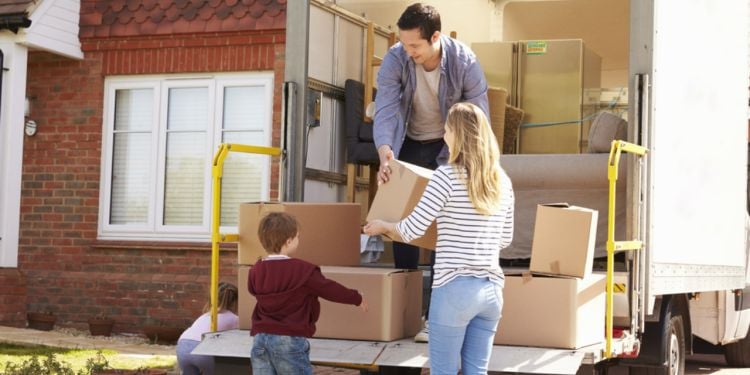
Relocating to Slovenia
Relocating to a new country can be a complicated process, so it is helpful to start researching all of the necessary information well in advance of ...
Living Well in Slovenia: Culture, Activities, and Lifestyle
Slovenia packs impressive cultural richness and recreational diversity into its compact territory. Between exceptional outdoor activities, dynamic cultural scene, and flavorful gastronomy, you'll never lack for things to do. Whether you're athletic, arts-minded, or food-focused, Slovenia offers abundant opportunities to enjoy your new life fully.
Outdoor adventures and natural wonders
With 60% forest coverage and varied geography spanning Alps, karst formations, and Adriatic coastline, Slovenia serves as an outdoor enthusiast's paradise. Triglav National Park, the country's only national park, spans 880 square kilometers in the Julian Alps, offering hundreds of kilometers of hiking trails, climbing routes, and mountaineering challenges. Mount Triglav (2,864 meters), Slovenia's highest peak, represents an iconic challenge many Slovenians attempt at least once. Lake Bled, with its picturesque island and clifftop castle, attracts visitors year-round for summer swimming, traditional boat rides (pletna), and surrounding hikes. More remote, Lake Bohinj in Triglav Park offers a peaceful alternative. In winter, Slovenian ski resorts like Kranjska Gora, Vogel, and Mariborsko Pohorje provide slopes for all levels at rates far below Alpine neighbors. Day passes run EUR 30-45.
Cycling, a national passion, is practiced everywhere. Ljubljana features an excellent bike lane network and bike-sharing system. More ambitious cyclists appreciate Alpine passes like Vršič, offering spectacular panoramas. For whitewater enthusiasts, the Soča River (emerald green) and Savinja River enable rafting, kayaking, and canyoning. Postojna Cave and Predjama Castle rank among Europe's most impressive karst sites, while Škocjan Cave, a UNESCO World Heritage site, amazes with monumental dimensions.
Cultural life and events
Ljubljana pulses with rich cultural life despite its modest size. The Ljubljana Festival, July through August, presents classical concerts, opera, theater, and dance in heritage venues. The Ljubljana Jazz Festival attracts international artists each June. In summer, the Ljubljanica riverbanks animate with free events, concerts, and artisan markets. Ljubljana Castle, accessible by funicular, hosts exhibitions and performances year-round. The National Gallery of Slovenia displays masterworks of Slovenian art from medieval times to the 20th century, while the National Museum traces the country's history. Metelkova, a former military site transformed into alternative cultural center, concentrates bars, clubs, and contemporary art galleries in a unique bohemian atmosphere. Maribor, the second city, organizes the Lent Festival each summer, two weeks of concerts, street theater, and festivities along the Drava River.
Food and wine culture
Slovenian cuisine blends Austrian, Italian, Hungarian, and Balkan influences to create a unique culinary identity. Traditional dishes include štruklji (filled dough rolls, sweet or savory), potica (rolled nut cake for celebrations), kranjska klobasa (protected Carniolan sausage), and jota (sauerkraut and bean stew). Ljubljana boasts numerous excellent restaurants, from traditional inns (gostilna) to Michelin-starred establishments like Hiša Franko in the Soča Valley, led by chef Ana Roš and ranked among the world's finest restaurants.
Slovenia produces remarkable wines, internationally underrated but appreciated by connoisseurs. Three main wine regions are Primorska (west, near Italy) for Mediterranean wines like rebula and malvazija, Podravje (northeast) renowned for whites like laški rizling, and Posavje (southeast) producing notably cviček, a typical light red wine. Slovenian wine routes let you discover welcoming family cellars for tasting and direct purchase. A good Slovenian wine bottle costs EUR 8-20.
Sports and fitness
Slovenians are a sporting people, and infrastructure reflects this. Gyms (fitnes) are numerous, with monthly memberships EUR 30-60. FitLife and Terme Fitness rank among major chains. Municipal pools remain affordable (entry around EUR 5). Slovenia particularly excels in certain sports: basketball (with NBA champion Luka Dončić), skiing (Olympic legend Tina Maze), and cycling (with recent Tour de France victories by Tadej Pogačar and Primož Roglič, sources of national pride).
Social life and international community
Ljubljana hosts a growing, welcoming international community. Facebook groups like "Expats in Ljubljana" and "Ljubljana Internationals" regularly organize meetups, after-work gatherings, and activities. Center cafes, notably around the Ljubljanica, provide perfect socializing venues. Slovenians, though sometimes reserved initially, prove warm and welcoming once the ice breaks. Many speak English, facilitating exchanges, especially in urban and professional settings. Joining clubs (hiking, cycling, photography) or volunteering enables building lasting connections with the local community.
Everyday life in Slovenia
Want to know what life in Slovenia is really like? Here's a taste: explore the country, find tips to use transportation, to set up internet and phone services, and everything you need to live like a local.

Cost of Living: Budgeting for Life in Slovenia
Slovenia offers a cost of living generally more affordable than its Austrian and Italian neighbors while providing comparable quality of life. Ljubljana remains the country's most expensive city, but prices stay reasonable compared to Western European standards. Understanding expense structures helps you establish a realistic budget according to your family situation and lifestyle.
Single person monthly expenses
The table below details main monthly expenses for a single person living in Ljubljana, providing clear vision of the budget needed for comfortable lifestyle in the Slovenian capital.
Category | Monthly amount |
Rent 1-bedroom apartment (city center) | EUR 750 |
Utilities (electricity, heating, water) | EUR 150 |
Internet and phone | EUR 45 |
Groceries and food | EUR 300 |
Public transport (monthly pass) | EUR 37 |
Supplementary health insurance | EUR 45 |
Leisure and entertainment | EUR 200 |
Gym membership | EUR 45 |
TOTAL | EUR 1,572 |
Sources: Numbeo Ljubljana (October 2025)
For a single person, a monthly budget of approximately EUR 1,600 enables comfortable living in Ljubljana with city center accommodation. This amount can reduce to EUR 1,300 by choosing outer area apartments or flat-sharing. In Maribor or smaller cities, cost of living drops approximately 20-30%, making settlement even more accessible.
Family of four budget
For a family with two children, expenses naturally increase, particularly with larger accommodation and school fees. The following table presents a typical budget for a family settled in Ljubljana.
Category | Monthly amount |
Rent 3-bedroom apartment (city center) | EUR 1,200 |
Utilities (electricity, heating, water) | EUR 250 |
Internet and phone | EUR 60 |
Groceries and food | EUR 700 |
Transportation (car + fuel) | EUR 300 |
Health insurance (family) | EUR 120 |
School fees (international school, 2 children) | EUR 1,800 |
Children's activities (sports, music) | EUR 150 |
Family leisure and outings | EUR 300 |
TOTAL | EUR 4,880 |
Sources: Numbeo Ljubljana (October 2025)
A family of four with two children in international school requires a budget of approximately EUR 4,900 monthly in Ljubljana. This amount can significantly reduce (to roughly EUR 3,000) by choosing the free, quality Slovenian public school system or living in outer areas. Single-income families should target gross salary of at least EUR 4,000 to maintain comfortable living with international school, or EUR 2,500 with public school.
Daily price references
To refine your cost of living perception, here are common prices in Ljubljana. A meal at an inexpensive restaurant costs EUR 12, while dinner for two at a mid-range restaurant with wine runs EUR 50. A café costs EUR 1.50, a local beer EUR 3. At supermarkets, expect EUR 1.20 per liter of milk, EUR 2.50 for a dozen eggs, EUR 1.80 per kilo of rice, EUR 8 per kilo of chicken. A decent Slovenian wine bottle costs EUR 8. A cinema ticket runs EUR 7, theater seats EUR 15-40. Super 95 gasoline sells around EUR 1.55 per liter. These prices generally remain 20-30% below those in major cities like London or Toronto.
Cost comparisons
Ljubljana shows a cost of living approximately 21% lower than Munich and 15% below Vienna. Compared to Zagreb, the neighboring Croatian capital, Ljubljana runs slightly higher (around 10%). However, it remains markedly more affordable than Western European capitals while offering comparable quality of life, safety, and public services. This favorable equation partly explains Slovenia's growing appeal among international professionals seeking pleasant living without breaking the bank.
In brief: Slovenia awaits you
Slovenia harmoniously combines safety, pristine nature, quality public services, and controlled living costs, offering an ideal setting for your relocation. Whether seeking professional opportunities in a dynamic capital, Alpine tranquility, or Mediterranean warmth, this multifaceted small country will meet your expectations. Administrative procedures, while demanding, remain manageable with proper preparation. Slovenians' warm welcome, combined with a growing international community, facilitates integration. Your new Slovenian life begins now—join the community on Expat.com's Slovenia forum to share experiences, practical advice, and insider tips with those who've made the leap before you!
We do our best to provide accurate and up to date information. However, if you have noticed any inaccuracies in this content, please contact us.


News & testimonies

Slovenia launches its digital nomad visa
Good news for prospective remote workers: Slovenia is joining the growing list of countries welcoming digital nomads. The visa is expected to launch this autumn.

Isabel in Dolenjska: "Everybody here in Slovenia loves hiking and the outdoors"
Isabel comes from Mexico. She moved to Slovenia two years ago to be with the man of her life, a Slovenian. Both now live in a small town in the Dolenska Region.
Essential services for your expat journey



